Navigating Depression in Sobriety: Sound Wellness for Mood Support
Key Insights
Discover how sound wellness, offered by Soul Art Dubai's Larissa Steinbach, provides crucial mood support for depression in sobriety. Explore its scientific basis.
Navigating Depression in Sobriety: Sound Wellness for Mood Support
For many, the journey to sobriety is envisioned as a swift path to unadulterated joy and boundless energy. Yet, a surprising truth often emerges: once the haze of substance use clears, underlying emotional challenges, particularly depression, can surface with profound intensity. This paradox can be incredibly disheartening, leaving individuals feeling isolated and questioning their progress.
It’s a crucial point that sobriety, while transformative, doesn't automatically eradicate mental health struggles; sometimes, it merely uncovers them. Understanding how to gently and effectively support mood in this sensitive period is paramount for sustainable, joyful recovery. This article delves into the profound, scientifically-backed ways sound wellness may offer a complementary pathway to emotional regulation and support for those navigating depression in sobriety.
We will explore the intricate neuroscience behind sound's impact on our brain and body, connect this understanding to practical applications, and illuminate the unique approach fostered by Larissa Steinbach at Soul Art Dubai. Our aim is to empower you with knowledge and practical insights, offering a sophisticated yet accessible guide to enhancing your emotional well-being on your recovery journey. This holistic approach acknowledges the complex interplay between mind, body, and spirit, providing gentle yet powerful tools for inner harmony.
The Science Explained: How Sound Reaches Deep into Our Being
The human experience of sound is far more than just auditory perception; it's a deep physiological and neurological event. Emerging research is increasingly illuminating how targeted sound interventions can influence our mood, reduce stress, and potentially support emotional regulation, making it a compelling complementary practice for those in sobriety. The intricate connection between specific sound frequencies and our brain's activity forms the bedrock of this wellness approach.
Brainwave Entrainment and Deep Relaxation
One of the most fascinating aspects of sound wellness involves brainwave entrainment. Studies using electroencephalograms (EEGs) have demonstrated that different sound frequencies can be associated with various energy levels and relaxation states within the brain. For example, research examining the effects of singing bowls discovered a distinct change in delta brain waves, which are the brainwave states associated with the deepest relaxation. This suggests that specific sound patterns can guide the brain into profoundly calm states, offering a respite from the heightened anxiety or emotional dysregulation often experienced in early sobriety.
Achieving these deeper states of relaxation through sound may support the nervous system in recalibrating. When the brain is gently guided into delta or theta states, it provides an opportunity for profound rest and regeneration, which is vital for emotional recovery. This physiological shift can be a significant aid for individuals whose nervous systems have been overtaxed by substance use and the subsequent withdrawal processes.
Neurochemical and Physiological Responses
Beyond brainwave patterns, sound has been shown to elicit measurable neurochemical and physiological changes in the body. Listening to purposefully selected music can stimulate the brain in ways similar to antidepressant medications, particularly in its ability to regulate emotions, as discovered by research at McGill University. This suggests that sound may activate neural pathways crucial for mood stabilization.
Harvard Medical School research further supports this by finding that rhythmic music engages neural pathways that support emotional regulation and resilience. This engagement can help individuals develop better coping mechanisms for stress and anxiety, which are frequently triggers for relapse or intensified depressive symptoms. Additionally, studies have shown that music with a major mode can lead to lower salivary cortisol levels, indicating a reduction in the body's primary stress hormone. High-uplifting music may even enhance mood by increasing norepinephrine levels, while low-uplifting music could potentially boost feelings of well-being, highlighting the nuanced impact of musical sentiment on our internal chemistry.
Pain Reduction and Stress Recovery
The physical effects of sound wellness are particularly noteworthy, especially for individuals in recovery who may experience residual physical discomfort. One study found that low-frequency sound stimulation helped reduce pain in patients with fibromyalgia. This direct impact on physical sensation may be beneficial for anyone undergoing medical detox, those whose substance misuse was influenced by other medical conditions, or individuals in recovery from opioid addiction. Addressing physical pain can significantly alleviate psychological distress, creating a more conducive environment for emotional healing.
Moreover, sound interventions are increasingly recognized for their role in stress recovery. A 2022 study in The Journal of the American Medical Association (JAMA) found that music therapy significantly reduced symptoms of clinical depression in patients receiving traditional mental health treatment. A 2021 review in Frontiers in Psychology also showed that music therapy lowered anxiety levels in individuals with PTSD, generalized anxiety disorder (GAD), and major depression. These findings underscore sound's potential as a powerful complementary tool for managing the complex interplay of mental health challenges during sobriety. The systematic review process of these studies ensures that the findings are based on reliable evidence.
How It Works in Practice: Experiencing Sound for Mood Support
Connecting the scientific understanding of sound to its practical application offers a profound pathway for individuals seeking mood support in sobriety. At Soul Art, we translate this scientific knowledge into tangible, immersive experiences designed to foster deep relaxation and emotional well-being. A sound wellness session is not merely about listening; it's about feeling, sensing, and allowing the vibrations to gently guide your internal state.
Clients entering a session are invited into a serene, thoughtfully curated space, where soft lighting and comfortable furnishings set the stage for profound introspection. They lie comfortably, often on a yoga mat or plush cushion, with blankets and eye masks enhancing sensory deprivation and promoting deeper immersion. The environment is meticulously designed to provide a haven from the external world, allowing the nervous system to truly unwind.
The practitioner then begins to introduce a symphony of sounds, typically using instruments renowned for their pure tones and rich overtones. These often include:
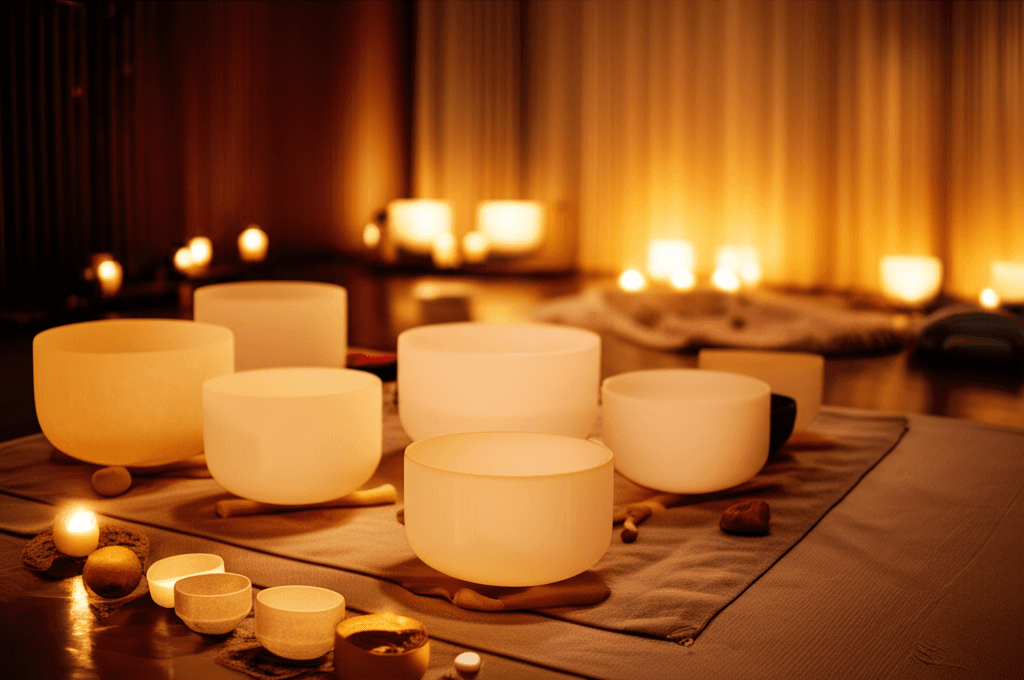
- Singing Bowls: Crystal or Himalayan bowls produce sustained, resonant tones and vibrations that can be felt throughout the body, encouraging a deep meditative state.
- Gongs: Their complex, enveloping sounds create a "sound bath" effect, washing over the participant and facilitating a release of tension.
- Chimes and Other Percussion: Delicate, high-frequency sounds can add layers of texture and subtle shifts in emotional landscape, sometimes evoking feelings of lightness or clarity.
As the sounds unfold, clients often report a range of experiences. Some describe a feeling of weightlessness, as if floating in a sea of sound, while others feel subtle vibrations rippling through their bodies, releasing areas of stored tension. The carefully selected soundscapes are a form of Receptive Music Therapy, where the music is purposefully chosen to promote introspection and evoke a reflective experience. This passive engagement allows the mind to quiet down, reducing the constant chatter that often accompanies anxiety and depression.
For those navigating sobriety, this practice can be especially transformative. The consistent mental and emotional agitation associated with withdrawal and early recovery often makes it challenging to find moments of genuine peace. Sound wellness offers a non-verbal, non-confrontational way to:
- Regulate the Nervous System: Shifting from a state of fight-or-flight to rest-and-digest, which is crucial for emotional stability.
- Process Emotions: The relaxed state can allow difficult emotions to surface gently, without overwhelming the individual, fostering a sense of catharsis.
- Develop New Coping Mechanisms: Providing a healthy, non-addictive way to manage stress, anxiety, and depressive feelings, building emotional resilience.
- Reconnect with Self: In the absence of external distractions, individuals can often reconnect with their inner resources and a sense of calm strength.
The sensory details are critical; the deep, resonant hum of a gong can induce a trance-like state, while the high, clear notes of a crystal bowl can bring a feeling of expansive clarity. This multi-sensory engagement bypasses the analytical mind, accessing deeper parts of the brain responsible for emotion and memory, offering a gentle yet profound path toward emotional integration and support during a vulnerable time.
The Soul Art Approach: Larissa Steinbach's Vision for Holistic Wellness
At Soul Art, Dubai's premier sound wellness studio, Larissa Steinbach has meticulously crafted an approach that transcends simple relaxation, integrating the profound scientific principles of sound with a deep understanding of holistic well-being. Larissa’s vision is centered on providing a sanctuary where individuals, particularly those navigating the sensitive journey of sobriety, can find profound emotional support and inner harmony. Her method is rooted in empathy, expertise, and a commitment to personalized care.
Larissa Steinbach believes that true healing in sobriety involves addressing the entire individual—mind, body, and spirit—and not just the absence of a substance. Her approach at Soul Art integrates various sound modalities, carefully selected for their specific vibrational frequencies and therapeutic potential. This is not a one-size-fits-all model; each session is mindfully curated to meet the client's unique needs, emotional state, and recovery stage.
What makes the Soul Art method truly unique is its thoughtful integration of both traditional and modern sound practices. While drawing on ancient wisdom regarding the power of vibration, Larissa also incorporates contemporary research findings, ensuring a scientifically grounded yet deeply spiritual experience. Her expertise lies in harmonizing these elements to create a bespoke sound journey.
"In the quiet resonance of sound, we find not only a path to relaxation but a gentle mirror to our inner landscape, guiding us back to our true, resilient selves – especially vital when navigating the complexities of sobriety."
Specific instruments and techniques frequently utilized at Soul Art include:
- Master Quality Himalayan Singing Bowls: Chosen for their rich, complex overtones and powerful healing vibrations that permeate the body on a cellular level. These are often placed directly on or around the body for deeper resonance.
- Precision-Tuned Crystal Singing Bowls: Their pure, sustained tones are known to influence brainwave states, promoting clarity, emotional release, and deep meditative states.
- Symphonic Gongs: Used to create immersive soundscapes that facilitate profound shifts in consciousness and release deeply held tension.
- Therapeutic Chimes and Other Percussive Instruments: Employed for their subtle yet potent effects on the nervous system, aiding in grounding and centering.
Larissa's extensive training and intuitive understanding allow her to orchestrate these instruments in a way that creates a supportive sonic environment. This environment encourages the natural release of emotional blockages, fosters self-compassion, and cultivates a sense of peace that is foundational for long-term sobriety. The Soul Art experience extends beyond the session itself, often leaving clients with a lingering sense of calm and clarity, empowering them to face daily challenges with renewed emotional resilience. This bespoke approach under Larissa Steinbach's guidance ensures that each individual receives precisely the support they need to navigate their unique emotional landscape in sobriety.
Your Next Steps: Integrating Sound Wellness into Your Journey
Embracing sound wellness as a complementary tool for mood support in sobriety is a proactive step toward nurturing your overall well-being. The beauty of this practice lies in its accessibility and gentle nature, offering a profound sense of peace without requiring any prior experience. Here are some actionable steps you can take to integrate the power of sound into your recovery journey:
-
Explore Professional Sound Wellness Sessions: Seek out reputable studios, such as Soul Art Dubai, for guided sound baths or personalized sound journeys. Experiencing these sessions with a skilled practitioner like Larissa Steinbach ensures a safe and deeply beneficial encounter with vibrational therapy. This professional guidance can maximize the potential for mood support and emotional regulation.
-
Mindful Listening in Daily Life: Cultivate a practice of intentional listening. Choose calming, instrumental music or natural sounds (like ocean waves or gentle rain) and dedicate specific time to simply listen without distraction. This practice can help re-train your brain to find relaxation and reduce stress in everyday moments, supporting emotional resilience.
-
Integrate with Existing Recovery Tools: Sound wellness is a complementary approach, not a replacement for traditional therapy or support groups. Continue engaging with your therapist, sponsor, or support network. Discussing your experiences with sound wellness can even enhance your therapeutic process, providing new insights into your emotional landscape.
-
Create a Personal "Sound Sanctuary": Designate a quiet corner in your home where you can listen to soothing sounds, meditate, or simply be. This space can become your personal haven for emotional recalibration and self-care, reinforcing the positive effects of professional sessions. Even a few minutes daily can make a significant difference.
-
Prioritize Regular Self-Care Rituals: View sound wellness as one component of a broader self-care regimen. Combine it with other practices that nourish you, such as gentle movement, journaling, or spending time in nature. A holistic approach to self-care is vital for sustained emotional well-being in sobriety.
Taking these steps can empower you to actively support your mood and cultivate lasting inner peace. Your recovery journey is unique, and incorporating supportive wellness practices can profoundly enhance your experience. Consider booking an exploratory session at Soul Art to discover firsthand how sound can transform your emotional landscape.
In Summary
Navigating depression in sobriety is a significant challenge, but it is one that can be met with powerful, complementary wellness practices. We've explored how sound wellness, through its profound impact on brainwave states, neurochemistry, and physiological responses, may offer crucial mood support. From inducing deep relaxation through delta brainwave changes to regulating emotions and reducing stress hormones, the science behind sound's benefits is compelling.
At Soul Art Dubai, Larissa Steinbach's bespoke approach to sound wellness offers a sanctuary for emotional healing and self-discovery. Her expertly guided sessions provide a unique blend of scientific grounding and ancient wisdom, fostering inner peace and resilience for individuals on their sobriety journey. By embracing sound as a tool for emotional regulation and stress reduction, you can cultivate a more stable and joyful foundation for your recovery.
Bookings Coming Soon
Soul Art is still in preparation. Session details and booking will be published here after launch.
Coming Soon
Wellness Disclaimer: This article is for educational and informational purposes only. It does not constitute medical advice, diagnosis, or treatment. Soul Art Dubai provides non-medical wellness experiences focused on relaxation, stress management, and general wellbeing. Sound wellness is a complementary practice and should not replace professional medical care.
Related Articles

LGBTQ+ Recovery: Sound Wellness for Inclusive Healing & Regulation
Relationship Recovery: The Science of Sound for Intimacy
Soulful Connections: The Science of Shared Sound Practices and Well-being Sponsorship