Synchronized Cycling: Optimizing Cadence and Recovery with Sound

Key Insights
Discover how intentional sound enhances cycling performance, boosts cadence, and accelerates post-ride recovery through scientific principles.
Compelling Introduction
For many cyclists, the pursuit of peak performance often revolves around meticulously chosen gear, advanced training metrics, and rigorous diets. Yet, an incredibly potent, often overlooked tool lies in the realm of sound. Imagine unlocking greater efficiency, sustained endurance, and unparalleled recovery simply by harmonizing your ride with specific auditory experiences.
Could sound truly be the secret cadence for your cycling journey? Historically, a 1911 study observed competitors in a cycling race traveling an impressive 8.5% faster when a military band played along the route, offering an early glimpse into this powerful connection.
At Soul Art, founded by Larissa Steinbach, we explore how intentional sound can transform your cycling experience. This article delves into the scientific underpinnings of how curated auditory input can influence your cadence, optimize your performance, and significantly accelerate your recovery, establishing a holistic approach to athletic well-being.
The Science Explained
The relationship between sound and athletic performance is not merely anecdotal; it is a rich field of scientific inquiry. Understanding the physiological and psychological mechanisms at play can help cyclists harness sound for a distinct advantage. From the rhythmic precision of tempo to the profound impact of ambient frequencies, sound is a powerful ergogenic aid.
The Power of Tempo: Your Inner Metronome
Music acts as an internal metronome, naturally synchronizing with our physiological rhythms. For cyclists, this is particularly impactful for maintaining and improving cadence – the rate at which pedals turn, measured in revolutions per minute (RPM). Research highlights that the tempo, measured in beats per minute (BPM), is the most critical element for the body, even more so than powerful lyrics.
Dr. Costas Karageorghis, a leading researcher in the field, identified preferred musical tempos for cycling ranging from 125-140 BPM. Engaging with tempo-selected music has been shown to yield significant benefits, including an improvement in efficiency by 7%, a reduction in the Rating of Perceived Exertion (RPE) by 12%, and an enhancement in endurance by 15%. Such precise auditory guidance can refine your pedal strokes, making each revolution more effective and less taxing. For example, a modern study found cyclists rode 1-1.25 km/h faster during a 10km time trial while listening to music, demonstrating the tangible impact of tempo on speed and overall performance.
Beyond BPM: The Role of Groove and Psychological Impact
While tempo provides a structural framework, the "groove" or perceived feel of music adds another layer of influence. Investigations into the effects of perceived groove in music on cycling performance suggest that high-groove music can significantly increase pedal cadence and work output during high-torque cycling. This may be attributed to increased cortical and subcortical drive, creating a more dynamic and engaging experience for the rider.
Beyond these physiological responses, music offers profound psychological benefits. It can significantly lower RPE, making workouts feel less arduous. Studies indicate that listening to preferred music can make the perceived effort of indoor cycling at low to moderate levels feel about 10-12% less. This reduction in perceived exertion can delay fatigue, allowing athletes to maintain intensity for longer periods or push harder during crucial phases of their ride.
Moreover, music is a powerful motivator, helping athletes stay focused and endure challenging intervals. Even in intense sprint cycling, where perceived effort might not decrease due to the maximal nature of the exercise, music has been shown to boost both the highest and average power output while significantly increasing enjoyment. The ability of fast tempo music to delay mental fatigue further underscores its importance as a holistic performance enhancer.
Sound Frequencies for Physiological Harmony
The benefits of sound extend beyond traditional music to the realm of sound therapy and specific frequency interventions. These practices are gaining recognition for their capacity to influence core physiological markers, particularly in the context of recovery and overall well-being. This more nuanced application of sound goes beyond simply motivating; it seeks to restore and rebalance the body’s internal systems.
A crucial metric for recovery and stress resilience is Heart Rate Variability (HRV). HRV measures the variation in time intervals between heartbeats, with a higher HRV generally indicating better cardiovascular health, enhanced adaptability, and increased parasympathetic activation. The parasympathetic nervous system is responsible for the body’s "rest and digest" functions, making its activation vital for effective recovery and preparedness for subsequent intense training sessions. Some evidence suggests that sound therapy may support and enhance HRV, thereby fostering a more rapid and complete return to a state of readiness.
While the exact physiological changes can be complex and sometimes vary across individuals and study designs, the consistent finding is sound's positive influence on subjective well-being. For instance, some research indicates that while heart rate responses to music during exercise can be mixed or sex-dependent, the overall experience of enjoyment, reduced fatigue, and lower perceived exertion remains a powerful and consistent outcome. This highlights that sound's impact is multidimensional, affecting both conscious perception and potentially deeper autonomic processes. It is important to acknowledge that not all augmentations of music, such as certain types of auditory beats, have consistently shown additional ergogenic effects on cycling performance beyond music alone, indicating that the type and intention behind the sound intervention truly matter.
How It Works in Practice
Integrating intentional sound into your cycling routine transforms it from a purely physical endeavor into a holistic experience. It’s about leveraging the scientific principles of sound to create tangible improvements in your performance and recovery. At Soul Art, we guide our clients through this synergistic journey, connecting theory to real-world application.
Optimizing Cadence and Performance
For cadence, the practical application is remarkably direct. Cyclists can use music with a specific BPM to train their pedal stroke rhythm. Just as swimmers use a metronome, aligning your pedal rate with a precise musical tempo can refine your efficiency. Spin instructors instinctively use this technique, matching faster beats for high-intensity sprints and slower, steady rhythms for challenging climbs, creating an immersive and effective training environment. A tempo 10% higher than your preferred cadence, when sustained over several weeks, has been shown to significantly improve stride frequency and thus, cycling cadence.
During intense training or competitive events, the psychological benefits of sound become paramount. Listening to music can lower your perceived effort by up to 12%, making sustained high-intensity efforts feel more manageable. This allows you to push harder and maintain focus, especially during grueling intervals. The right soundtrack can enhance enjoyment and motivation, helping you overcome mental barriers that might otherwise lead to premature fatigue. This feeling of increased enjoyment and reduced mental fatigue allows you to get through difficult efforts even if the physical demand remains high.
Accelerating Recovery and Relaxation
Beyond the ride itself, sound is an invaluable tool for recovery. Post-exercise, the body shifts from a sympathetic (fight-or-flight) state to needing to activate its parasympathetic (rest-and-digest) response. This transition is crucial for muscle repair, reducing inflammation, and mental restoration. Relaxing soundscapes, such as those found in sound baths, can significantly facilitate this shift.
These therapeutic sounds, often featuring instruments like Tibetan singing bowls, gongs, and chimes, can reduce anxiety and promote a deep relaxation response. Research indicates that listening to relaxing music after exercise may improve recovery and attenuate perceived fatigue. Furthermore, sound meditation has been associated with a positive impact on perceived levels of pain and tension, with participants reporting significant reductions after engaging with singing bowl therapy. The mechanism is believed to involve an improved mood, which in turn leads to beneficial physiological changes throughout the body.
The sensory details of sound therapy are key. The immersive nature of resonant frequencies can gently guide the mind into a meditative state, quietening the internal chatter and allowing the body’s natural healing processes to take over. This deep state of calm provides a crucial counterpoint to the high-intensity demands of cycling, fostering a truly holistic approach to athletic well-being. Different sound profiles, such as the clear, resonant tones of acoustic music, which have been linked to faster times and higher power output in some cycling studies, can serve distinct purposes compared to the deeply relaxing electronic soundscapes used for post-exertion recovery.
The Soul Art Approach
At Soul Art, Larissa Steinbach’s vision transcends conventional wellness, offering a unique approach to integrating sound into every facet of a cyclist’s journey. We understand that sound is not merely background noise; it is a meticulously crafted tool for nervous system regulation, mental fortitude, and profound physical restoration. This philosophy defines the Soul Art method, distinguishing us as Dubai’s premier sound wellness studio.
Larissa Steinbach curates experiences that move beyond generic playlists, focusing on the intentional application of sound frequencies and musical compositions. For the active cyclist, this means a bespoke approach that addresses specific needs:
- Pre-Ride Activation: Soundscapes designed to gently awaken the body and mind, enhancing focus and mental preparedness before a demanding ride. These might involve energizing yet balanced frequencies to set a positive tone.
- During-Ride Enhancement: While direct studio involvement during a ride is not feasible, Soul Art provides guidance on crafting personal auditory tools. This includes recommendations for tempo-matched music that can optimize cadence and sustain motivation, drawing from scientific insights into ideal BPM ranges and the invigorating power of perceived groove.
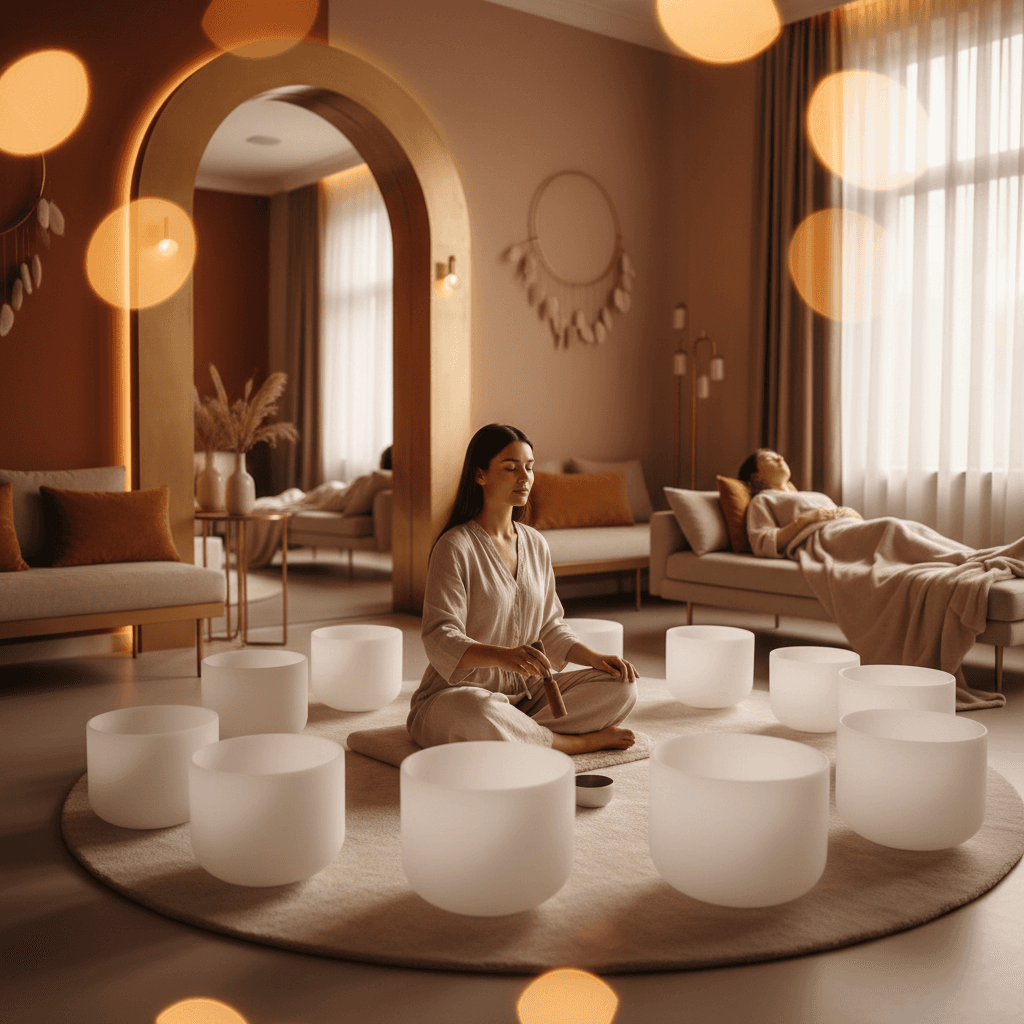
- Post-Ride Deep Recovery: This is where Soul Art truly shines. Our signature sound baths leverage the profound resonant qualities of Himalayan singing bowls, crystal bowls, gongs, and chimes. These instruments generate a rich tapestry of frequencies known to induce a deep state of relaxation, significantly supporting the body’s transition into a parasympathetic state. This enhanced parasympathetic activation is critical for reducing inflammation, accelerating muscle repair, and promoting mental tranquility after intense physical exertion.
"The true art of sound wellness lies not just in listening, but in truly feeling the frequencies. It’s about tuning your entire being to the rhythm of restoration, allowing every cell to recalibrate after the demands of performance." — Larissa Steinbach
The Soul Art method emphasizes holistic wellness, recognizing that an athlete’s success hinges on more than just physical training. By offering a complementary approach to traditional recovery strategies, Larissa Steinbach and her team provide a sanctuary where cyclists can release accumulated tension, manage stress, and significantly boost their innate healing capabilities. Our sessions are a professional, empathetic space where sophisticated sound healing techniques are applied to foster deep relaxation and enhance overall well-being.
Your Next Steps
Harnessing the power of sound for your cycling performance and recovery is an accessible and enriching wellness practice. Even without immediate access to a dedicated sound wellness studio, you can begin to integrate these principles into your daily routine. Here are a few actionable steps to start your journey:
- Experiment with Tempo: Curate playlists with varying BPMs (e.g., 125-140 BPM for faster segments, slightly lower for steady-state efforts) and observe how they influence your cadence and perceived effort during training rides. Make a note of which tempos resonate best with your body.
- Integrate Sound Baths for Recovery: Seek out local sound bath practitioners or explore online guided sound meditations post-ride. This relaxation technique can significantly aid in nervous system regulation and muscle recovery.
- Curate Personalized Recovery Soundscapes: Create your own playlists featuring calming, ambient music or nature sounds. Listen to these for 15-30 minutes after your rides to help downshift your nervous system and promote deep relaxation.
- Mindful Listening: Pay attention not just to the beat, but also to the "groove" and emotional impact of the music you choose. Select sounds that genuinely uplift your spirits and make you feel more connected to your cycling experience.
- Consider Expert Guidance: For a tailored and profound experience, explore the intentional sound offerings at Soul Art. Our expertly guided sessions with Larissa Steinbach provide a sophisticated and immersive pathway to enhanced athletic recovery and holistic well-being.
In Summary
Sound is far more than mere background noise; it is a sophisticated tool capable of profoundly influencing athletic performance and recovery. For cyclists, strategically harnessing musical tempo can optimize cadence and boost endurance, while specific frequencies and relaxing soundscapes are invaluable for physiological and psychological restoration post-exertion. This dynamic interplay of sound and movement offers a powerful, yet often overlooked, advantage.
Embracing sound as a complementary approach to your training allows for a more integrated and deeply satisfying cycling journey. At Soul Art, Larissa Steinbach invites you to explore how intentional sound can elevate your performance, accelerate your recovery, and deepen your connection to well-being, both on and off the bike.
Bookings Coming Soon
Soul Art is still in preparation. Session details and booking will be published here after launch.
Coming Soon
Wellness Disclaimer: This article is for educational and informational purposes only. It does not constitute medical advice, diagnosis, or treatment. Soul Art Dubai provides non-medical wellness experiences focused on relaxation, stress management, and general wellbeing. Sound wellness is a complementary practice and should not replace professional medical care.
Related Articles
Optimizing Athletic Performance: The Synergy of Sports Nutrition and Sound Wellness
Archery, Stillness, and Sound: Soul Art's Path to Focus

Swimming's Secret Weapon: Sound for Peak Aquatic Performance