Culturally Sensitive Corporate Wellness: Elevating Diverse Workforces
Key Insights
Unlock higher engagement and productivity in diverse workplaces with culturally sensitive corporate wellness programs, pioneered by Soul Art Dubai.
The Untapped Potential of Inclusive Well-being
Did you know that investing in employee wellness can yield a 3:1 return on investment, primarily through reduced healthcare costs and increased productivity? While the benefits of corporate wellness programs are well-documented, many organizations still struggle with achieving widespread participation and meaningful impact, especially in diverse environments like Dubai. The key often lies not just in offering programs, but in tailoring them to resonate deeply with every employee.
This article explores the critical importance of culturally sensitive corporate wellness programs, delving into the science that underpins their effectiveness. We will examine how a nuanced approach to holistic health can transform workplace culture, boost engagement, and foster a truly supportive environment. By understanding and embracing cultural diversity in wellness, organizations can unlock unprecedented levels of employee well-being and performance. Join us as we uncover how Soul Art, under the guidance of Larissa Steinbach, is leading the way in creating these impactful experiences.
The Science Explained: Why Culture Matters in Corporate Wellness
The efficacy of corporate wellness programs is firmly supported by scientific research. A landmark report from Harvard Business Review revealed that companies implementing wellness initiatives often experience a compelling 3:1 return on investment, largely due to diminished healthcare expenditures and heightened employee productivity. Further corroborating this, a study published in the Journal of Occupational and Environmental Medicine demonstrated that organizations with robust wellness programs observed a significant 25% reduction in employee turnover, highlighting their role in retention.
Beyond these tangible financial and operational benefits, wellness programs profoundly impact holistic health, which encompasses an individual's physical, emotional, mental, and social well-being. This comprehensive approach ensures that employees are not only physically healthy but also mentally resilient, emotionally balanced, and socially connected within their workplace. Research by the American Psychological Association suggests that organizations with strong wellness programs report 21% higher employee engagement levels, a testament to the power of a valued workforce.
The Physiology of Stress and Wellness
Chronic workplace stress can trigger the body's 'fight or flight' response, leading to elevated cortisol levels, increased blood pressure, and suppressed immune function. Scientifically grounded wellness interventions are designed to activate the parasympathetic nervous system, promoting a state of "rest and digest." This physiological shift supports the reduction of stress hormones, improves cardiovascular health, and enhances cognitive functions such as focus and problem-solving. Evidence-based practices, including regular health screenings, stress reduction workshops, and ergonomic workplace adjustments, are crucial components that deliver measurable results.
However, a critical challenge in implementing these programs lies in ensuring their universal appeal and effectiveness across diverse populations. As researchers Cheon (2020) and Rezai (2020) have shown, while wellness programs improve health outcomes and reduce medical costs, difficulties persist in encouraging widespread employee participation and behavioral change. This underscores the need for approaches that deeply consider individual backgrounds and preferences.
Overcoming Implementation Challenges with Cultural Sensitivity
Measuring the return on investment (ROI) for workplace wellness programs can be complex, involving numerous variables. Studies, including those from Harvard Medical School led by Zirui Song and Katherine Baicker, emphasize the importance of rigorous experimental design to isolate the true causal effects of wellness programs. Their research at BJ's Wholesale Clubs, utilizing randomized control sites, helped distinguish the program's impact from confounding factors, such as employees already being more health-conscious. This rigorous methodology confirmed that health behaviors can respond to workplace wellness programs, though significant short-term ROI may require careful design.
The challenge of "selection bias," where employees already inclined towards wellness are more likely to participate, highlights the necessity for inclusive program design. This is where cultural sensitivity becomes paramount. A "one-size-fits-all" approach often fails to resonate with a diverse workforce, leading to lower engagement and limited impact. Different cultures may have varying comfort levels with certain activities, dietary preferences, or even how they perceive and express well-being. Therefore, a comprehensive, culturally sensitive approach to wellness program implementation is vital to address participation barriers and enhance effectiveness across diverse settings and populations.
Leading organizations understand that for programs to succeed, senior managers must prioritize wellness as an organizational goal, creating a culture shift. Buy-in from direct supervisors is equally crucial for generating excitement and connecting employees to available resources. Continuous evaluation and soliciting feedback, even if not formal ROI assessments, are essential for ongoing improvement. By embracing cultural sensitivity, organizations can design programs that truly meet the diverse needs of their employees, fostering a more engaged, healthy, and productive workforce.
How It Works in Practice: Crafting Culturally Aligned Wellness Journeys
The transition from scientific principles to real-world application requires thoughtful, empathetic program design. When a corporate wellness program is truly culturally sensitive, it goes beyond mere translation; it deeply understands and respects the diverse heritage, values, and practices of its employees. This approach acknowledges that what constitutes "wellness" can vary significantly across different cultural lenses, and solutions must be flexible and inclusive.
Imagine a large multinational corporation in Dubai, home to individuals from dozens of countries. A culturally sensitive wellness program wouldn't just offer generic gym memberships. Instead, it might provide a diverse menu of options: dedicated prayer spaces for mindfulness, workshops on nutrition that respect various dietary customs (e.g., halal, vegetarian, specific cultural staples), or stress management techniques that draw from both Western psychology and Eastern contemplative practices. The goal is to offer choices that feel relevant and respectful to everyone.
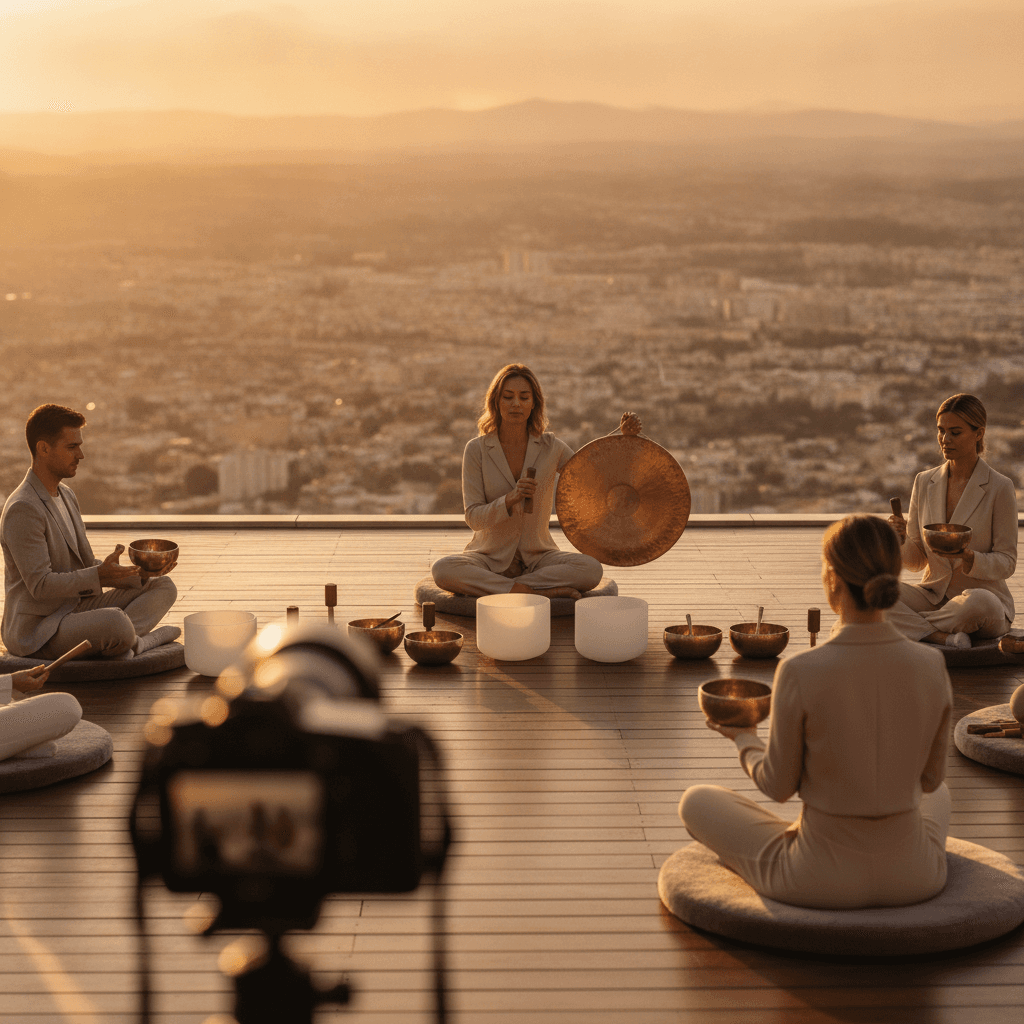
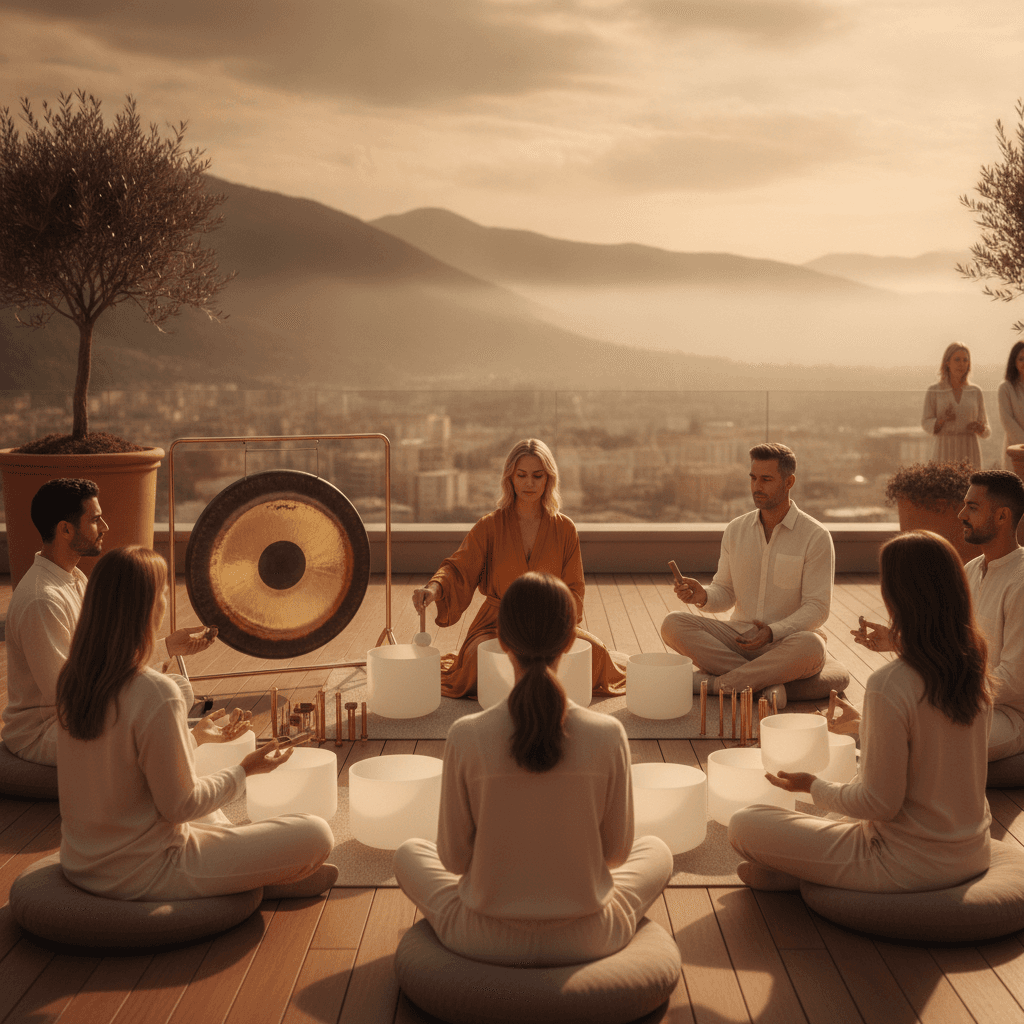
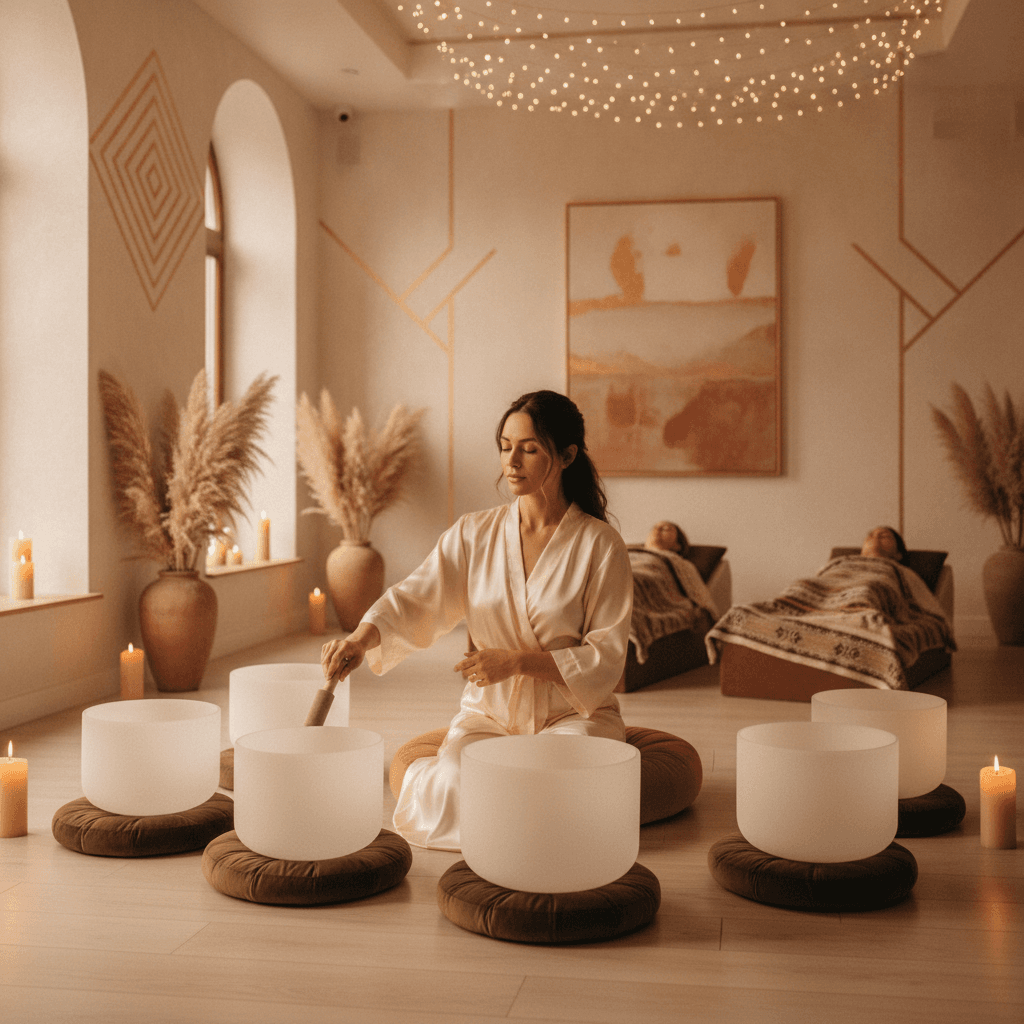
Clients who experience these tailored programs report a profound sense of feeling seen and valued. Rather than being asked to conform to a dominant wellness paradigm, they are invited to engage with practices that genuinely resonate with their background. Picture a gentle sound meditation session led by Soul Art, where the ambient tones of Himalayan singing bowls and the deep resonance of gongs create a universally calming atmosphere. The sounds are non-verbal, transcending language barriers, and providing a space for deep personal reflection that respects individual spiritual paths without prescribing any.
"A truly effective corporate wellness program doesn't just offer activities; it creates a space where every employee feels understood, respected, and empowered to pursue their well-being in a way that aligns with their unique cultural identity."
Such programs might include flexible timings to accommodate different work schedules or religious observances, and communication materials would be thoughtfully designed to avoid cultural misunderstandings. Sensory details become crucial: the comforting aroma of specific essential oils known for their calming properties in various traditions, the soft lighting creating a tranquil environment, or the texture of a yoga mat feeling grounding and supportive. This holistic attention to detail transforms a standard wellness offering into an enriching, inclusive experience that fosters deeper engagement and greater overall impact. By connecting theory to real-world application through conscious cultural integration, organizations cultivate a more harmonious and productive environment.
The Soul Art Approach: Universal Harmony Through Sound Wellness
At Soul Art, we believe that true well-being transcends cultural divides, and we have found a powerful, universally resonant medium in sound wellness. Under the visionary leadership of our founder, Larissa Steinbach, Soul Art is dedicated to crafting corporate wellness experiences that are inherently culturally sensitive and deeply impactful for Dubai's diverse workforce. Our philosophy centers on the understanding that sound, as a non-verbal language, speaks directly to the nervous system, offering a pathway to relaxation and restoration for everyone, regardless of their background or beliefs.
What makes the Soul Art method unique is its profound simplicity and adaptability. We utilize a curated selection of ancient and modern instruments – including resonant Himalayan singing bowls, grounding gongs, and gentle chimes – to create immersive soundscapes. These frequencies are carefully chosen to induce states of deep relaxation, promoting the activation of the parasympathetic nervous system and encouraging the body's natural healing processes. This approach does not interfere with any specific cultural or religious practices; instead, it offers a neutral, universally accessible space for introspection and stress release.
Larissa Steinbach's expertise lies in her ability to intuitively guide groups through these sound journeys, creating an atmosphere of safety and acceptance. Each session is designed to gently reduce mental chatter and physical tension, helping employees to feel more centered, focused, and emotionally balanced. Many people report that these sound wellness sessions provide a unique opportunity for mental decluttering and emotional release, making them an invaluable tool for stress management in a demanding corporate environment.
For organizations seeking to enhance employee engagement and combat burnout, Soul Art offers bespoke programs that can be seamlessly integrated into existing wellness initiatives. Our workshops and sessions are tailored to fit specific corporate needs and schedules, providing an elegant and effective solution for fostering a more harmonious, productive, and culturally connected workplace. Soul Art's commitment to creating inclusive wellness experiences ensures that every employee can find solace and rejuvenation in the power of sound.
Your Next Steps: Cultivating a Culture of Inclusive Well-being
Embracing culturally sensitive corporate wellness is not merely an option; it is a strategic imperative for any organization committed to fostering a thriving, engaged, and productive workforce, particularly in diverse global hubs like Dubai. The scientific evidence is clear: investing in comprehensive, inclusive wellness initiatives yields significant returns in health, happiness, and organizational performance. The journey to a more inclusive workplace begins with intentional steps and a commitment to understanding your employees' diverse needs.
Here are some practical steps you can implement today to start cultivating a culture of inclusive well-being:
- Conduct a Cultural Needs Assessment: Engage with your diverse employee base through surveys or focus groups to understand their unique wellness preferences, cultural considerations, and any barriers to participation in existing programs. This direct feedback is invaluable for tailoring initiatives.
- Diversify Wellness Offerings: Move beyond generic options. Offer a range of activities that cater to various cultural backgrounds, spiritual practices, and physical capabilities. This might include meditation practices, mindful movement sessions, or nutrition workshops respecting diverse dietary laws.
- Prioritize Inclusive Communication: Ensure all wellness program communications are culturally sensitive, translated accurately where necessary, and respectful of diverse perspectives. Use imagery and language that reflects the true diversity of your workforce.
- Champion Leadership Engagement: Encourage senior leadership to actively participate in and visibly support wellness initiatives. Their buy-in and example are crucial in signaling that employee well-being is a core organizational priority.
- Explore Universal Wellness Modalities: Consider practices that transcend cultural barriers, such as sound wellness. The non-verbal and deeply relaxing nature of sound baths, for instance, offers a universally accessible pathway to stress reduction and mental clarity.
By taking these steps, your organization can foster an environment where every employee feels supported, valued, and empowered to prioritize their holistic health. Ready to transform your workplace with truly inclusive wellness?
In Summary: The Future of Corporate Well-being is Inclusive
The compelling scientific evidence unequivocally supports the profound impact of corporate wellness programs on employee engagement, productivity, and overall well-being. However, the true potential of these initiatives is unlocked when they are meticulously designed with cultural sensitivity at their core. In diverse environments, a nuanced approach that respects varied backgrounds and beliefs is not just beneficial; it is essential for achieving widespread participation and creating a genuinely inclusive workplace culture.
By focusing on holistic health and understanding the unique needs of a diverse workforce, organizations can cultivate an environment where every individual feels valued and supported. This intentional approach leads to reduced turnover, increased job satisfaction, and a more resilient, engaged team. Soul Art, founded by Larissa Steinbach, stands at the forefront of this movement, offering universally accessible sound wellness experiences that resonate deeply across all cultures. Invest in culturally sensitive wellness, and empower your workforce to thrive.
Bookings Coming Soon
Soul Art is still in preparation. Session details and booking will be published here after launch.
Coming Soon
Wellness Disclaimer: This article is for educational and informational purposes only. It does not constitute medical advice, diagnosis, or treatment. Soul Art Dubai provides non-medical wellness experiences focused on relaxation, stress management, and general wellbeing. Sound wellness is a complementary practice and should not replace professional medical care.
Related Articles
Reclaim Your Focus: The Afternoon Slump Sound Ritual for Office Wellness with Soul Art
Corporate Sound Healing: Elevate Employee Well-being & Productivity
Conflict Decompression: Resetting Your Mind After Difficult Meetings with Sound Wellness