Gentle Sound Protocols for Concussion Recovery & Brain Wellness

Key Insights
Explore how gentle sound wellness, championed by Larissa Steinbach at Soul Art Dubai, may support brain healing and manage post-concussion symptoms.
Concussion Protocol: Gentle Sound for Brain Healing
Imagine a world where everyday sounds—a child's laughter, the hum of an appliance, the clatter of dishes—become unbearable, triggering headaches, anxiety, or overwhelming fatigue. This is a common reality for many individuals recovering from a concussion, or mild traumatic brain injury (mTBI), where the auditory system can become exquisitely sensitive. While quiet rest has long been the primary recommendation, emerging research suggests a fascinating paradox: thoughtfully applied sound, far from being a trigger, may actually serve as a powerful ally in the journey toward brain healing and symptom management.
At Soul Art, Dubai's premier sound wellness studio, founded by Larissa Steinbach, we explore these innovative frontiers. We delve into how gentle, targeted acoustic stimulation can offer a complementary path for those navigating the often-challenging aftermath of a concussion. This article will unpack the science behind sound's influence on the brain, how these principles translate into a calming wellness practice, and how Soul Art’s unique approach may help reintroduce harmony and well-being. Join us as we explore the potential of gentle sound to support the brain's remarkable capacity for recovery.
The Science Explained
Concussions, often referred to as mild traumatic brain injuries (mTBIs), are complex injuries that can significantly disrupt brain function. While visible damage may not appear on standard imaging, the brain's delicate neural networks can be affected, leading to a cascade of symptoms. Many individuals experience persistent post-concussion symptoms (PPCS) for weeks, months, or even years after the initial injury, impacting their quality of life.
These symptoms often include headaches, dizziness, fatigue, memory issues, mood disturbances, and a profound sensitivity to light and sound. The auditory system, in particular, can become dysregulated, turning ordinary noises into overwhelming sensory input. Understanding the underlying neuroscience of these changes is crucial to appreciating how gentle sound interventions may offer a supportive pathway for healing.
Understanding Concussion and its Echoes
A concussion occurs when the head sustains a jolt or blow, causing the brain to move rapidly within the skull. This movement can stretch and damage brain cells and neural connections, leading to metabolic and functional changes. While some symptoms resolve relatively quickly, a significant percentage of individuals, estimated between 30% and 50%, develop persistent symptoms that can be debilitating.
One of the most frequently reported and distressing symptoms is noise sensitivity, also known as hyperacusis. For individuals with post-concussion syndrome, sounds that were once easily filtered out become amplified and irritating, making everyday environments challenging to navigate. This sensitivity often stems from disrupted processing within the brain rather than a problem with the ears themselves.
The Brain on Sound: Neuroplasticity and Recovery
The brain is an incredibly adaptable organ, capable of reorganizing itself through a process called neuroplasticity. This is the brain’s ability to form new neural connections and adapt to new patterns, and it is fundamental to recovery after brain injury. Sound stimulation harnesses this inherent capacity, potentially guiding the brain towards healthier functional organization.
Studies highlight the biophysical properties of sound waves. They exert mechanical pressure on cells, influencing cellular activity and gene expression through a process known as mechanotransduction. This means that mechanical signals, like those from sound vibrations, can be converted into biochemical signals within the brain cells, potentially stimulating ion channels and activating signaling pathways involved in neuroplasticity.
Research into acoustic stimulation for persistent post-concussive symptoms has yielded intriguing results. A study published in Annals of Clinical and Translational Neurology involved military service members and veterans with long-standing mTBI symptoms. Participants listened to computer-generated tones in a dark, comfortable setting over several sessions. The findings indicated that symptom scores clinically and statistically improved compared with baseline, with benefits largely sustained at three and six months. While there was no significant difference between tones engineered to link with brainwaves and randomly generated tones, the overall improvement suggests that acoustic stimulation itself is associated with marked positive changes in post-concussive symptoms. This indicates the general act of structured, gentle listening can be beneficial.
Disrupted Auditory Processing and Sensory Gating
After a concussion, the brain regions responsible for processing sound can malfunction even if the ears are perfectly healthy. The auditory cortex, located in the temporal lobe, may become overactive, effectively amplifying signals that should be dampened. This hyperactivity, often seen in functional imaging studies of concussion patients, extends to connected limbic regions, which are involved in emotion and memory, making normal sounds feel overwhelming and exhausting to process.
Furthermore, post-concussion, there can be thalamus dysfunction leading to sensory gating impairment. The thalamus acts as a critical relay station, filtering incoming sensory information before it reaches other parts of the brain. When this gating mechanism is impaired, too much sensory input can flood the brain, contributing to sensory overload and heightened noise sensitivity. Gentle sound interventions aim to gradually re-educate these disrupted pathways, helping the brain relearn how to process sounds without triggering a stress response.
The Power of Specific Frequencies and Rhythms
The concept of specific "healing frequencies" has gained attention for its potential adjunctive role in neurorehabilitation. While more large-scale studies are needed, preliminary evidence suggests that certain frequencies, such as 432 Hz, 528 Hz, 639 Hz, 741 Hz, and 852 Hz, may support various aspects of brain recovery. For instance, 432 Hz is often associated with enhancing emotional balance and mental clarity. These frequencies are thought to promote neuroplasticity, reduce inflammation, enhance cognitive recovery, and facilitate cellular repair and emotional well-being.
Music-based interventions (MBIs) and neurological music therapy (NMT) are also showing promise. Research indicates that structured, repetitive music sessions can promote white matter recovery and improve executive functioning, including attention and set-shifting abilities, in individuals with traumatic brain injury. Such interventions leverage the auditory system's central role in brain processing, influencing neural networks involved in attention, executive function, and sensory processing. The rhythmic and melodic structures engage multiple brain regions, potentially reactivating dormant cognitive pathways and fostering new connections.
Moreover, music is a potent stress reducer. Studies examining the effects of music interventions on stress in athletes, including those who have experienced concussions, have shown that listening to relaxing music can significantly lower self-reported stress levels and physiological markers like skin conductance. This suggests that the emotional and calming aspects of sound can be particularly beneficial for concussed individuals who may be more sensitive to stress.
How It Works in Practice
The application of gentle sound for brain wellness after a concussion is a nuanced and deeply personal journey. It moves beyond simply "listening to music" to a thoughtful, controlled, and intentional approach designed to soothe an overstimulated nervous system and encourage neuroplastic adaptation. The practical experience within a sound wellness studio is crafted to provide a safe haven for this delicate process.
Imagine stepping into a serene space, softly lit, where the air itself feels calm and supportive. At Soul Art, clients are often invited to recline in comfortable zero-gravity chairs, allowing the body to fully relax and the mind to release tension. The eyes are gently closed, eliminating visual distractions and allowing the auditory sense to become the primary focus. This creates an environment optimized for deep relaxation and focused listening.
The experience typically begins with extremely gentle, low-volume soundscapes. This gradual reintroduction of auditory input is a key principle, especially for those experiencing significant noise sensitivity. It aligns with the concept of sound desensitization therapy, an evidence-based approach that helps the brain gradually relearn how to process sounds without triggering a stress response. Instead of overwhelming the system, the sounds are introduced at levels that are tolerable and even comforting.
Clients describe a profound sense of calm washing over them as the carefully chosen sounds unfold. These aren't just background melodies; they are often specific frequencies, resonant tones, or gentle rhythms designed to create a therapeutic sound environment. Some individuals report feeling the vibrations throughout their body, a subtle yet powerful physical sensation that enhances the overall relaxation experience. This direct engagement of the body's cells with sound waves through mechanotransduction is part of the biophysical impact described in scientific literature.
The aim is not to "challenge" the brain, but to gently guide it towards a state of rest and repair. This complementary approach supports the brain in downregulating hyperactivity in areas like the auditory cortex and improving sensory gating in the thalamus. Many people report that regular sessions may support reduced anxiety, improved sleep quality, and a general easing of the mental fogginess often associated with post-concussion syndrome. The focus is on cultivating emotional well-being and enhancing the brain's natural capacity for self-regulation and healing, providing a nurturing space for the brain to rest and rebalance.
"The quiet symphony of gentle sound offers a profound pathway for the post-concussion brain – not to forget the injury, but to remember its inherent capacity for harmony and healing."
The Soul Art Approach
At Soul Art, Larissa Steinbach and her team recognize that each individual's journey after a concussion is unique, requiring a deeply personalized and empathetic approach. Our methodology is rooted in the latest scientific understanding of sound's effects on the brain, meticulously combined with a holistic philosophy that nurtures mind, body, and spirit. We believe in providing a sanctuary where true healing and recalibration can begin.
Larissa Steinbach's expertise lies in curating sound experiences that are both scientifically informed and intuitively guided. She understands the delicate balance required when working with a sensitive neurological system, prioritizing safety, comfort, and gradual progression. The Soul Art method is distinctive in its commitment to creating bespoke sound journeys tailored to the individual's specific symptoms, sensitivities, and therapeutic goals. This personalized care is essential, as one patient's soothing background sound could be another’s overwhelming sensory input, emphasizing the need for clinical judgment in a wellness context.
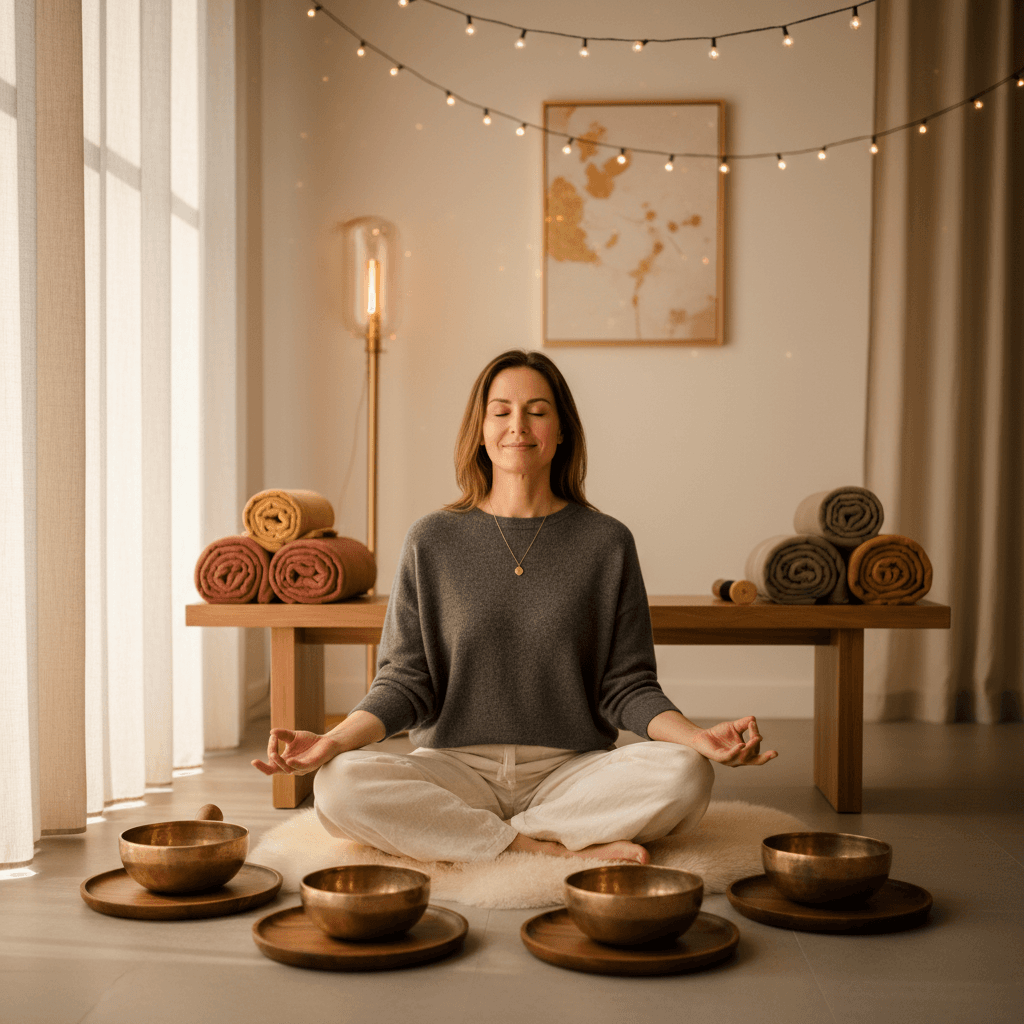
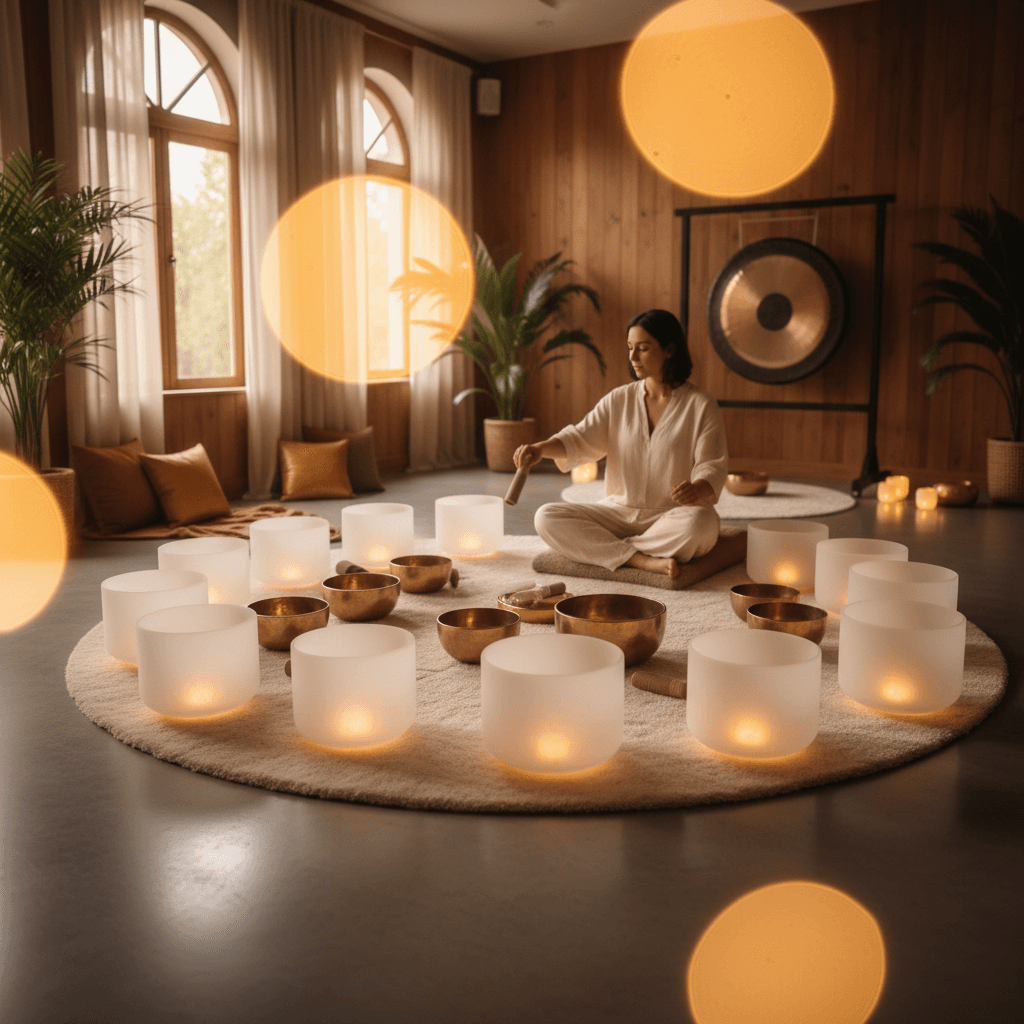
Central to the Soul Art approach is the careful selection and application of various sound instruments and techniques. We utilize a range of instruments known for their purity of tone and resonant qualities, including crystal singing bowls, Himalayan singing bowls, gongs, and chimes. These instruments produce rich, sustained vibrations and specific frequencies that are believed to foster deep relaxation and encourage neural coherence. For example, some sessions may gently incorporate frequencies associated with emotional balance and mental clarity, such as 432 Hz, to support the brain's natural restorative processes.
Beyond the instruments, the Soul Art method integrates principles of focused listening and mindful awareness. The sound experiences are designed not just to be heard, but to be deeply felt, encouraging a connection between the auditory input and internal states of calm. This gentle guidance helps individuals release accumulated tension, manage stress, and cultivate a sense of inner peace. Our studio provides a tranquil, dark environment that minimizes external stimuli, further enhancing the brain's ability to process auditory input without feeling overwhelmed, aligning with research on optimal listening conditions for acoustic stimulation.
The Soul Art approach is a complementary practice focused on enhancing overall well-being. It is about supporting the brain’s incredible capacity for adaptation and fostering an environment where emotional regulation, mental clarity, and profound relaxation can flourish. Larissa Steinbach ensures that every sound session is a carefully orchestrated experience, offering a gentle yet powerful pathway to brain wellness and a renewed sense of balance.
Your Next Steps
Navigating life after a concussion requires patience, understanding, and a willingness to explore various supportive avenues. If you or someone you know is experiencing persistent post-concussion symptoms, considering gentle sound wellness as a complementary approach may offer significant comfort and support. Here are some actionable steps you can take:
- Consult Your Healthcare Professional: Always prioritize medical guidance. Before exploring any new wellness practice, discuss it with your doctor or neurologist to ensure it aligns with your overall recovery plan. Sound wellness is a complementary practice and should not replace professional medical care.
- Explore Gentle Sound Wellness: Seek out experienced practitioners, like Larissa Steinbach at Soul Art, who specialize in creating gentle, trauma-informed sound experiences. Inquire about personalized sessions that can be adapted to your specific sensitivities and needs.
- Practice Mindful Listening at Home: Begin with short periods of listening to very soft, calming sounds, such as nature sounds or ambient music at a very low volume. Pay attention to how your body and mind respond, gradually increasing duration as comfort allows.
- Consider Filtered Earplugs: For daily activities, filtered earplugs (e.g., from Etymotic or Loop) can be beneficial. Unlike foam earplugs that block all sound, these reduce volume while preserving sound clarity, helping you participate in activities that might otherwise be overwhelming.
- Prioritize Rest and a Quiet Environment: Continue to integrate periods of quiet rest into your day. Creating a low-stimulus environment when possible allows your brain the space it needs to recover and process sensory input more effectively.
Embarking on a path of gentle sound wellness can be a profound step towards restoring balance and well-being after a concussion. It's an invitation to rediscover inner calm and support your brain's remarkable journey of healing.
In Summary
Concussion recovery can be a prolonged and challenging process, often marked by persistent symptoms like noise sensitivity and cognitive fatigue. While traditionally associated with rest, emerging scientific evidence suggests that gentle, thoughtfully applied sound stimulation may play a supportive role in brain healing. This complementary approach harnesses the brain's neuroplasticity, potentially aiding in the reorganization of neural pathways and the regulation of overactive auditory processing centers.
By reducing stress, enhancing emotional balance, and fostering deep relaxation, sound wellness practices like those offered by Larissa Steinbach at Soul Art can provide a nurturing environment for the post-concussion brain. These sessions focus on personalized experiences, using specific frequencies and resonant instruments to gently guide the brain towards a state of calm and renewed harmony. Exploring gentle sound offers a promising pathway for managing symptoms and promoting overall well-being as part of a holistic recovery journey.
Bookings Coming Soon
Soul Art is still in preparation. Session details and booking will be published here after launch.
Coming Soon
Wellness Disclaimer: This article is for educational and informational purposes only. It does not constitute medical advice, diagnosis, or treatment. Soul Art Dubai provides non-medical wellness experiences focused on relaxation, stress management, and general wellbeing. Sound wellness is a complementary practice and should not replace professional medical care.