Unlocking Healing: Polyvagal Sound for Complex PTSD Recovery

Key Insights
Explore how polyvagal-informed sound approaches at Soul Art Dubai, founded by Larissa Steinbach, support nervous system regulation for C-PTSD.
Have you ever wondered why, even when objectively safe, your body sometimes feels constantly on edge, or completely shut down? For individuals navigating the intricate landscape of Complex Post-Traumatic Stress Disorder (C-PTSD), this disorienting experience is often a daily reality, a nervous system "re-tuned" by chronic adversity. Traditional approaches can struggle to address these deeply ingrained physiological responses.
At Soul Art, Dubai's premier sound wellness studio, we explore innovative, scientifically-grounded pathways to support profound well-being. This article delves into the transformative potential of polyvagal-informed sound approaches, offering a gentle yet powerful means to invite the nervous system back into states of safety and connection. You will learn about the intricate science behind your body's stress responses and discover how carefully curated sound experiences, championed by Larissa Steinbach, can foster nervous system resilience.
Understanding these mechanisms can empower you to cultivate a deeper sense of inner peace and regain agency over your physiological state. It illuminates a path where deep healing becomes not just possible, but an accessible journey of profound self-discovery.
The Science of Safety: Unpacking Polyvagal Theory
The foundation of understanding trauma's pervasive impact lies in the pioneering work of Dr. Stephen Porges and his Polyvagal Theory. This theory, supported by decades of rigorous neuroscience research, explains how our autonomic nervous system (ANS) continuously scans for cues of safety or danger, influencing our emotional regulation, social engagement, and overall health. It shifts the perception of safety from a purely subjective feeling to one rooted in measurable neurophysiological substrates.
The Autonomic Nervous System and Trauma
Our nervous system operates through a hierarchical system of three main states, dynamically responding to our environment. The ventral vagal complex (VVC) is our "social engagement system," promoting feelings of safety, connection, and calm, characterized by higher heart rate variability (HRV) and improved vagal tone. When threat is perceived, the system shifts.
Next, the sympathetic nervous system activates, preparing us for "fight or flight," marked by hypervigilance and mobilization. If escape or defense is not possible or repeatedly overwhelmed, the nervous system may engage the most primitive response: dorsal vagal shutdown, leading to immobilization, dissociation, and a profound sense of disconnection or hopelessness. For individuals with C-PTSD, this system often becomes "re-tuned" or "stuck" in these defensive states, meaning they may experience chronic anxiety, emotional numbing, or an exaggerated startle response even in safe environments.
Research has shown that patients with PTSD often exhibit decreased heart rate variability, indicative of an autonomic state supporting fight-or-flight behaviors and lower vagal tone. This demonstrates a nervous system locked into defensive patterns, limiting access to the calming pathways associated with sociality and safety. Polyvagal theory helps clinicians and individuals understand that these profound reactions are not intentional or under voluntary control, but rather an adaptive, reflexive system wired into our biology.
From Subjective Feelings to Objective Science
Polyvagal theory provides a vital framework for modern trauma treatment because it offers a neurophysiological basis for how autonomic states profoundly influence behavior and mental health. It conceptualizes PTSD symptoms as the product of a reconditioned autonomic nervous system that developed during extreme or repeated exposures to threat. This understanding moves beyond merely addressing thoughts or behaviors, recognizing that the body's physiological state is paramount.
By acknowledging the hierarchical recruitment of autonomic states under threat, the theory explains why trauma creates such profound effects, often causing the nervous system to get stuck in hypervigilance or shutdown. The scientific foundation, clinical applications, and ongoing research continue to contribute to our understanding of how effective polyvagal-informed approaches can be for healing trauma and nervous system dysregulation. It offers a more compassionate lens, reframing maladaptive responses as adaptive survival mechanisms that simply need re-tuning.
The Evolving Landscape of Polyvagal Research
Like all robust scientific theories, Polyvagal Theory continues to evolve with emerging research. Subsequent studies have supported its core tenets, examining heart rate variability as a marker of nervous system flexibility and the relationship between vagal tone and mental health outcomes. Neuroimaging studies have also revealed distinct neural pathways associated with different defensive responses, further validating the theory’s physiological basis.
Recent research highlights the critical role of vagal tone, measured by respiratory sinus arrhythmia (RSA) and vagal efficiency, as a key indicator of autonomic flexibility. Lower vagal tone is consistently associated with decreased emotional resilience and heightened stress sensitivity, while higher tone predicts better self-regulation, social engagement, and physiological recovery. These predictive capacities make Polyvagal Theory not only scientifically rigorous but also instrumental in guiding individualized intervention strategies, especially within trauma-informed care settings.
Polyvagal-Informed Approaches: Shifting Towards Regulation
Polyvagal-informed interventions mark a significant shift in wellness practices, moving towards "bottom-up" approaches that directly engage the body's nervous system. These methods prioritize creating a felt sense of safety before attempting to process traumatic memories, making the healing process more effective and less likely to be re-traumatizing. This approach is particularly helpful for C-PTSD and other trauma-related conditions that may not respond well to traditional talk therapy alone.
The Power of Gentle Modulation
The core objective of polyvagal-informed interventions is to restore access to the ventral vagal complex (VVC) and support adaptive shifts in autonomic state. This means gently guiding the nervous system away from entrenched patterns of fight, flight, or freeze and back towards a state of regulated calm and social engagement. These approaches recognize that for a nervous system stuck in defense, safety must first be experienced physiologically before cognitive processing can occur.
Trauma-informed practices that prioritize safety, mindfulness techniques that activate the ventral vagal pathway, and breathwork interventions designed to regulate the autonomic nervous system are all examples of these bottom-up strategies. They focus on enabling the client to experience feelings without linking them to associative thoughts or behaviors, helping the individual understand that these responses are reflexive and adaptive.
Sound as a Somatic Gateway
Among these powerful interventions, sound emerges as an incredibly potent tool for nervous system regulation. Acoustic interventions, such as those that modulate the ventral vagal pathway, have shown measurable improvements in regulation and social behavior. The Safe and Sound Protocol (SSP), developed by Dr. Stephen Porges, is a prime example of an evidence-based and trauma-informed listening therapy.
The SSP utilizes filtered music with a patented, evidence-based algorithm that emphasizes specific sound frequencies. These frequencies are designed to help regulate the autonomic nervous system and gently stimulate the vagus nerve. By improving auditory processing and promoting a calm autonomic state, the SSP may reduce trauma symptoms, improve autonomic regulation, and enhance receptivity to other therapeutic approaches. Many people report that engaging with these curated soundscapes can shift their nervous system to be more present and grounded.
This non-invasive acoustic vagal nerve stimulation intervention helps to create a neurophysiological state of safety. Clients may experience a subtle yet profound shift, noticing improvements in their ability to connect, their emotional regulation, and a reduction in hypervigilance. Sound offers a direct pathway to the body’s innate capacity for self-regulation, making it a valuable complementary practice for fostering resilience and well-being.
Soul Art: A Sanctuary for Nervous System Resilience
At Soul Art, Dubai's premier sound wellness studio, we are deeply committed to offering transformative experiences grounded in both ancient wisdom and cutting-edge neuroscience. Our founder, Larissa Steinbach, envisioned a sanctuary where individuals could access sophisticated, polyvagal-informed sound approaches to cultivate inner peace and nervous system resilience. The Soul Art method is meticulously crafted to support those seeking gentle yet profound pathways to well-being, especially when navigating the complexities of trauma.
Larissa Steinbach's Vision
Larissa Steinbach's philosophy at Soul Art is rooted in the understanding that true well-being begins with a regulated nervous system. She believes in creating immersive, luxurious environments that not only soothe the senses but also actively guide the body's autonomic state towards safety and calm. Her vision brings together the profound effects of sound with the scientifically-backed principles of Polyvagal Theory, offering a holistic approach to stress reduction and nervous system support.
Larissa's expertise ensures that every session is not just an experience, but a carefully considered intervention designed to activate the ventral vagal complex. This commitment to intentionality and scientific grounding sets Soul Art apart, making it a trusted destination for those seeking genuine, lasting shifts in their well-being. The studio's ambiance, instruments, and facilitators are all curated to facilitate a deeply resonant and regulating experience.
The Unique Soul Art Method
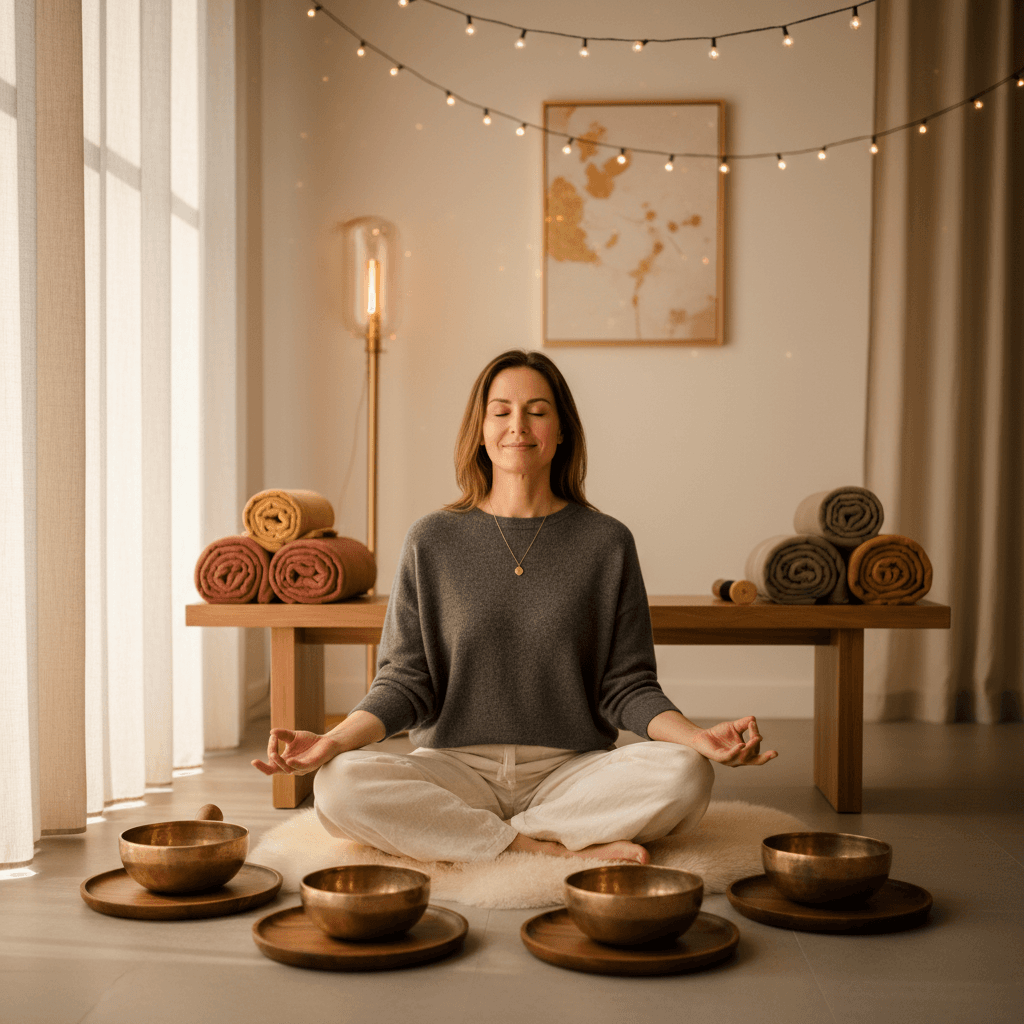
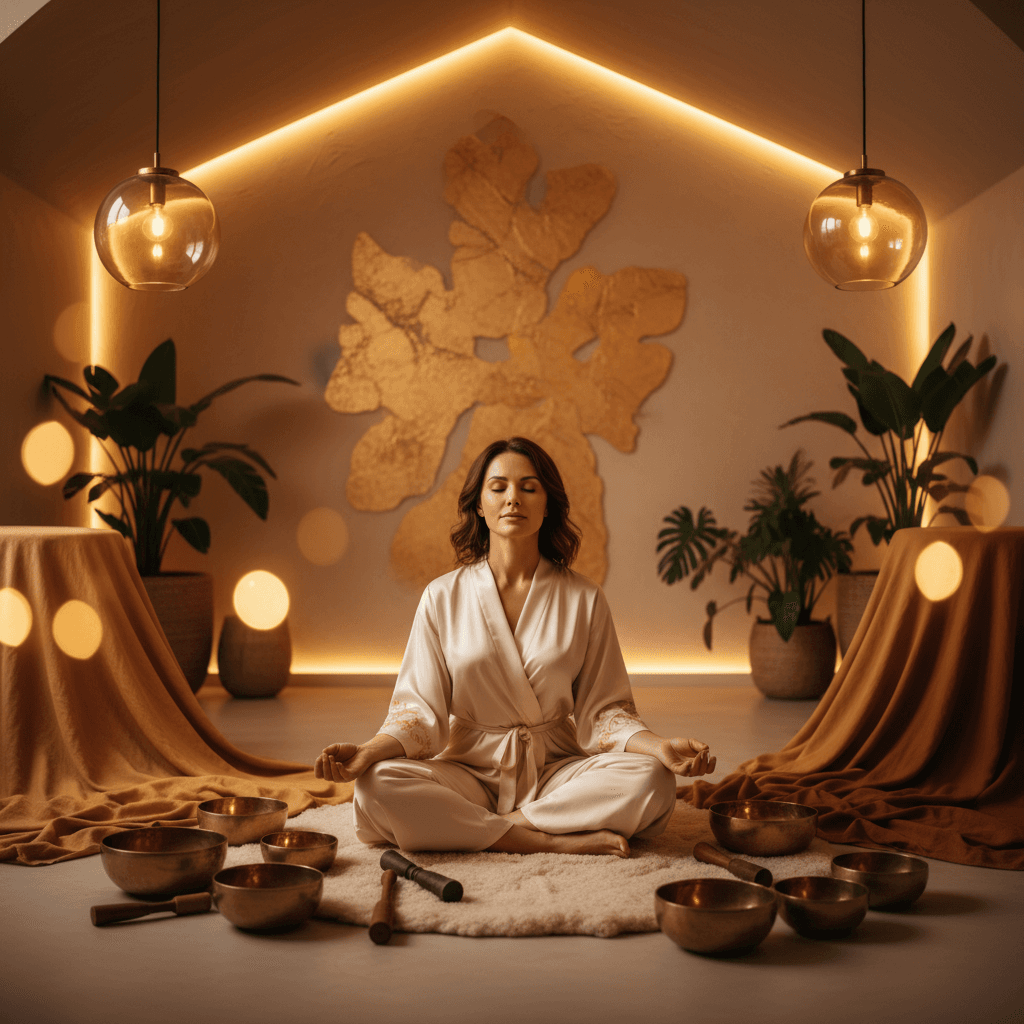
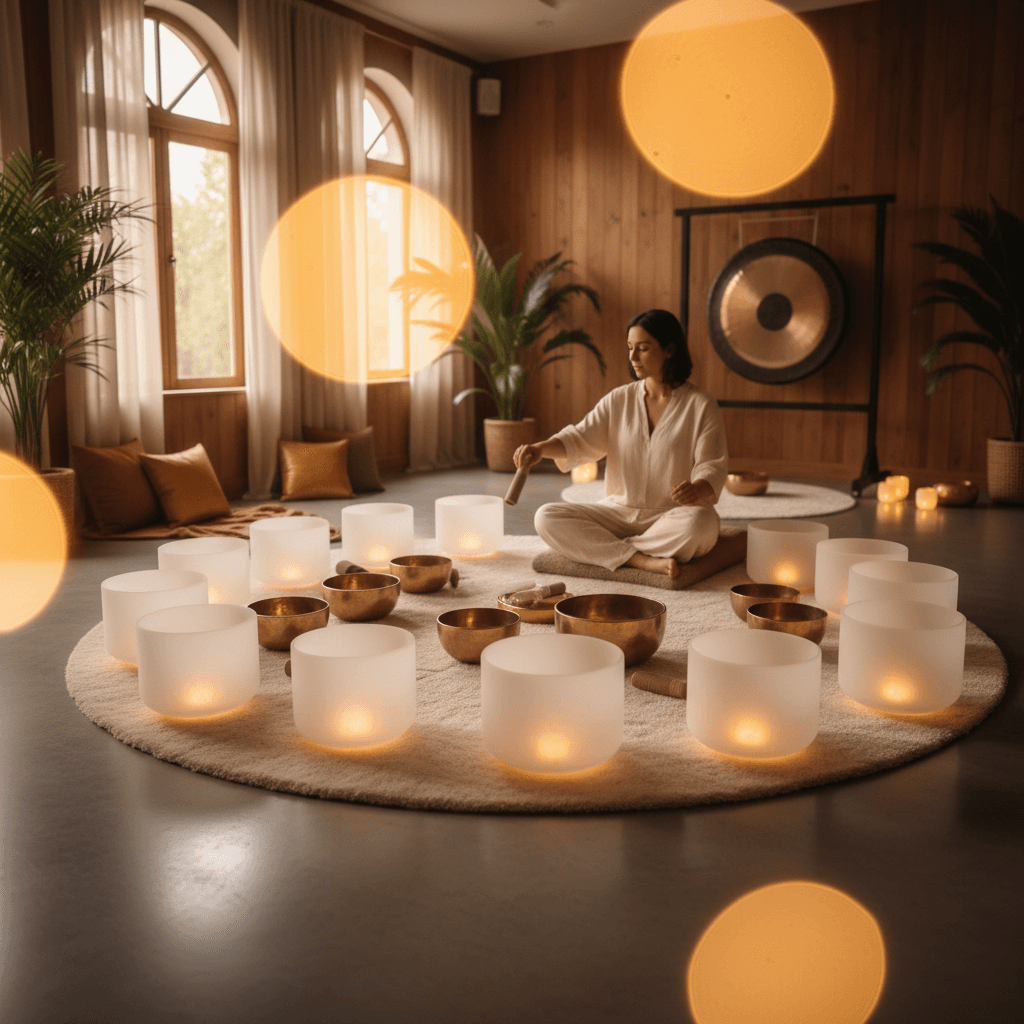
The Soul Art method integrates polyvagal-informed sound approaches through carefully designed sound baths and personalized experiences. We utilize a range of exquisite instruments, including resonant Tibetan singing bowls, powerful gongs, and ethereal crystal bowls, each chosen for their specific frequency profiles and ability to evoke a sense of deep calm. The sonic landscapes created at Soul Art are more than just beautiful music; they are intentional vibrations engineered to communicate safety to your nervous system.
Our curated sound sessions aim to gently stimulate the vagus nerve and encourage a shift towards the ventral vagal state. By bathing the body in harmonious frequencies, we invite the nervous system to release ingrained patterns of tension and hypervigilance. Many individuals report feeling a profound sense of relaxation, enhanced emotional resilience, and an improved capacity for social engagement after experiencing the Soul Art method. This approach offers a gentle, non-verbal pathway for the nervous system to re-learn safety, supporting an individual's journey towards healing and thriving.
Cultivating Your Inner Sanctuary: Practical Steps
Integrating polyvagal-informed principles into your daily life can significantly support your nervous system's capacity for regulation and resilience. While professional guidance, like the experiences offered at Soul Art, can be profoundly beneficial, there are simple, actionable steps you can take today to cultivate a deeper sense of safety within your own body. These practices are about gently re-tuning your internal state, one small moment at a time.
Simple Practices for Daily Regulation
Here are some practical, polyvagal-informed practices you can incorporate into your routine:
- Conscious Breathwork: Engage in slow, deep, diaphragmatic breathing. Inhaling for a count of four and exhaling for a count of six can signal safety to your nervous system, activating the ventral vagal pathway. This simple practice may help reduce feelings of stress and anxiety.
- Mindful Listening: Pay attention to sounds in your environment that evoke feelings of calm or safety, such as gentle music, nature sounds, or even the hum of a fan. Focusing on these sounds can help anchor you in the present moment and shift your autonomic state.
- Gentle Movement: Incorporate mindful movement like slow yoga, gentle stretching, or a leisurely walk in nature. Movements that are fluid and non-strenuous can help release stored tension and promote a sense of physical ease, supporting nervous system awareness.
- Cultivate "Glimmers": Actively seek out small moments of joy, connection, or beauty throughout your day – a smile from a stranger, the warmth of a cup of tea, a beautiful piece of art. These "glimmers" are micro-moments of ventral vagal activation that accumulate over time.
- Create Safe Spaces: Designate a physical space in your home that feels inherently safe and comforting. This might be a cozy corner with soft blankets, calming colors, and gentle lighting. Having such a sanctuary can provide a physiological anchor for relaxation.
These practices are not quick fixes, but consistent acts of self-care that gradually build your nervous system's capacity for regulation. Consider how these simple steps could be enhanced by an immersive experience designed to deeply support your well-being.
Bookings Coming Soon
Soul Art is still in preparation. Session details and booking will be published here after launch.
Coming Soon
In Summary: Embracing a Path of Gentle Healing
Complex PTSD profoundly impacts the nervous system, often leaving individuals stuck in states of hypervigilance or shutdown. Polyvagal Theory provides a groundbreaking scientific framework, explaining how trauma re-tunes our autonomic responses and offering pathways to re-establish safety. By understanding the body’s innate capacity for self-regulation, we can approach healing with greater empathy and efficacy.
Polyvagal-informed sound approaches, such as those utilized at Soul Art by Larissa Steinbach, offer a gentle yet powerful means to modulate the nervous system. These curated sonic experiences invite the body to shift from defensive states towards the ventral vagal complex, fostering calm, connection, and resilience. This complementary wellness practice may support enhanced emotional regulation, reduced stress sensitivity, and an overall improved sense of well-being.
Embark on a journey to reclaim your nervous system's natural rhythm and experience profound tranquility. Discover how Soul Art, Dubai's premier sound wellness studio, can guide you towards a more grounded and connected existence.
Wellness Disclaimer: This article is for educational and informational purposes only. It does not constitute medical advice, diagnosis, or treatment. Soul Art Dubai provides non-medical wellness experiences focused on relaxation, stress management, and general wellbeing. Sound wellness is a complementary practice and should not replace professional medical care.