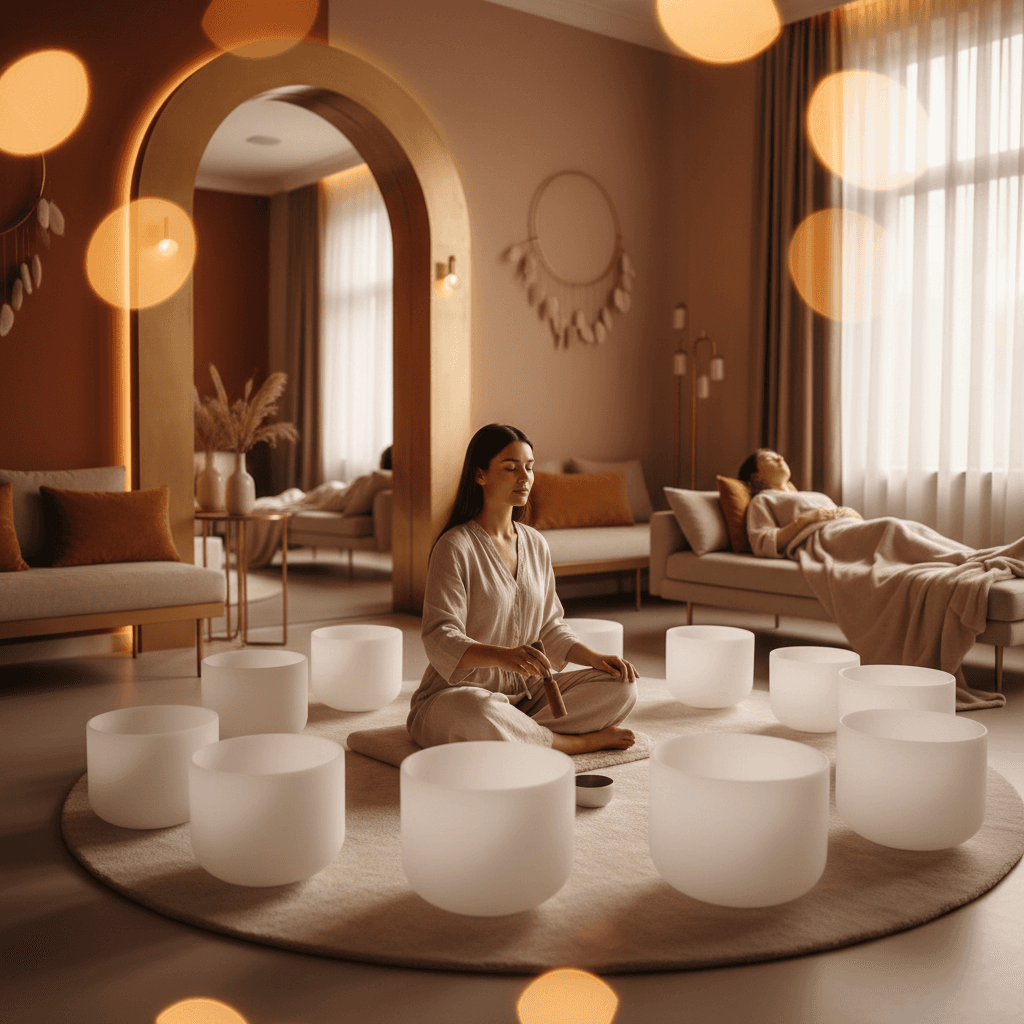
Mastering Competition Anxiety: How Sound Wellness Elevates Performance
Key Insights
Discover how scientifically-backed sound practices, pioneered by Larissa Steinbach at Soul Art Dubai, offer a unique, drug-free approach to managing competitive anxiety and enhancing focus.
The electrifying tension of competition, whether on the sports field, in the boardroom, or during a pivotal academic presentation, often comes hand-in-hand with an unwelcome guest: anxiety. This pervasive sense of unease can erode confidence, cloud judgment, and ultimately hinder peak performance, turning moments of potential triumph into experiences of dread. Indeed, recent research highlights a growing focus on mental health challenges within athlete populations, attributing them to stressors like overtraining, injury, social expectations, and media scrutiny.
What if there was a sophisticated, scientifically-grounded method to re-calibrate your nervous system, transforming pre-competition jitters into focused calm? At Soul Art, Dubai’s premier sound wellness studio, Larissa Steinbach and her team are pioneering a holistic approach to address competition anxiety, harnessing the profound power of sound. This article delves into the intricate science behind sound’s therapeutic effects, explaining how carefully curated sonic experiences can alleviate stress, enhance mental clarity, and empower you to perform at your best, naturally and effectively. Prepare to discover a revolutionary path to inner balance and competitive edge.
The Science Explained: How Sound Reshapes Your Inner State
The human brain is an extraordinary orchestrator, constantly processing stimuli from its environment. Among the various senses, sound holds a unique power, capable of evoking deep emotions, triggering vivid memories, and significantly influencing our physiological state. Understanding the intricate dance between sound waves and our central nervous system is key to appreciating how sound wellness can be a potent tool against anxiety.
Sound Frequencies and Nervous System Harmony
Our central nervous system (CNS) is perpetually vigilant, assessing every incoming sound signal as a potential indicator of threat or safety. This evolutionary wiring means that a cacophony of high-frequency sounds, such as a sharp whistle, an alarm, or persistent urban noise, can stimulate the sympathetic nervous system. This activation triggers our primal "fight-or-flight" response, manifesting as an increased heart rate, constricted blood vessels, and a surge of stress hormones like cortisol, preparing the body for perceived danger.
Conversely, low-frequency sounds, characterized by deep bass notes or a soothing hum, can induce a profound state of relaxation. These sounds have been found to activate the parasympathetic nervous system, which is responsible for promoting calmness and rest. When exposed to these gentle frequencies, our heart rate tends to slow, blood pressure decreases, and muscle tension eases, guiding the body into a state of restorative tranquility. Research into natural soundscapes, for instance, demonstrates how sounds of valley water and birds can significantly lower heart rate, enhance parasympathetic nerve activity, and reduce negative mood states.
Chanting: The Neuro-Linguistic Effect (NLE) and Psycho-Linguistic Effect (PLE)
The ancient practice of chanting, often associated with spiritual traditions, is now being explored for its therapeutic benefits in modern wellness. Studies have shown that the sound generated through chanting can have profound positive effects on human cognitive abilities and can significantly reduce competitive anxiety. According to research by Alfred Tomatis of the French Academy of Science and Medicine, chanting sounds possess a therapeutic quality that soothes bodily systems and activates the body’s natural healing processes.
Further scientific inquiry, notably at Cleveland University, USA, delves into the specific mechanisms. The rhythmic tones produced during chanting create a melodious effect in the body known as the Neuro-linguistic effect (NLE). When individuals also comprehend the meaning of the mantra or words they are reciting, it generates an additional Psycholinguistic effect (PLE). Both NLE and PLE are linked to the production and widespread distribution of curative chemicals within the brain, which researchers believe is the fundamental reason behind chanting's restorative and anxiety-reducing properties. This suggests that engaging in vocal sound practices, whether with or without music, can offer a powerful pathway to reducing competitive anxiety.
Binaural Beats: Entraining Your Brainwaves for Calm and Focus
Imagine two slightly different sound frequencies played simultaneously, one into each ear. Your brain, rather than hearing two distinct tones, perceives a third, illusory tone – a "binaural beat." This auditory illusion is incredibly powerful because it can guide your brainwaves into specific states, a phenomenon known as brainwave entrainment. Researchers have explored this extensively for anxiety reduction.
In a compelling 2005 study by Padmanabhan and his team, 108 surgical patients were divided into groups: one listened to binaural beats for relaxation, another to regular music, and a control group. The results were remarkable: patients who listened to binaural beats experienced a 26.3% drop in anxiety levels, significantly outperforming the music group (11.1%) and the no-audio group (3.6%). This study highlighted binaural beats as a valuable, drug-free method for easing anxiety. A subsequent 2020 study by Orozco Perez and colleagues, utilizing EEG caps to monitor brain activity, explored the "why" behind these effects. They found that binaural beats set to specific frequencies, such as theta (around 7 Hz) can promote deep relaxation, while others like gamma (around 40 Hz) are associated with enhanced focus. By gently guiding brain activity, binaural beats offer a direct pathway to desired mental states, making them particularly useful for competitive scenarios requiring both calm and concentration.
The Art of Tempo: Music for Mind-Body Synchronization
Beyond specific frequencies and beat patterns, the tempo of music plays a critical role in influencing our physiological state. Studies indicate that music with a tempo of approximately 60-80 beats per minute (BPM) is especially effective in promoting relaxation. This particular range mimics the natural rhythm of a resting heart, leading to a phenomenon called entrainment, where your nervous system tends to synchronize with the external rhythm.
The concept of priming your nervous system is also vital. If you anticipate a stressful situation, such as a challenging meeting or an impending competition, listening to calming music 15-30 minutes beforehand can significantly reduce peak anxiety during the stressor. Research also suggests that the brain often requires around 45 minutes of exposure to calming music to fully shift into alpha wave states, which are associated with relaxed wakefulness and a state conducive to learning and inner calm. A prime example is the song "Weightless" by Marconi Union, which was meticulously engineered with sound therapists; it begins at 60 BPM and gradually slows to 50 BPM. Laboratory tests demonstrated that this track could reduce participants' anxiety by up to 65%, concurrently lowering heart rate, blood pressure, and breathing rate. This underscores how intentionally designed sound can be a powerful ally in managing stress and fostering a focused mindset.
How It Works in Practice: The Embodied Experience of Sound Wellness
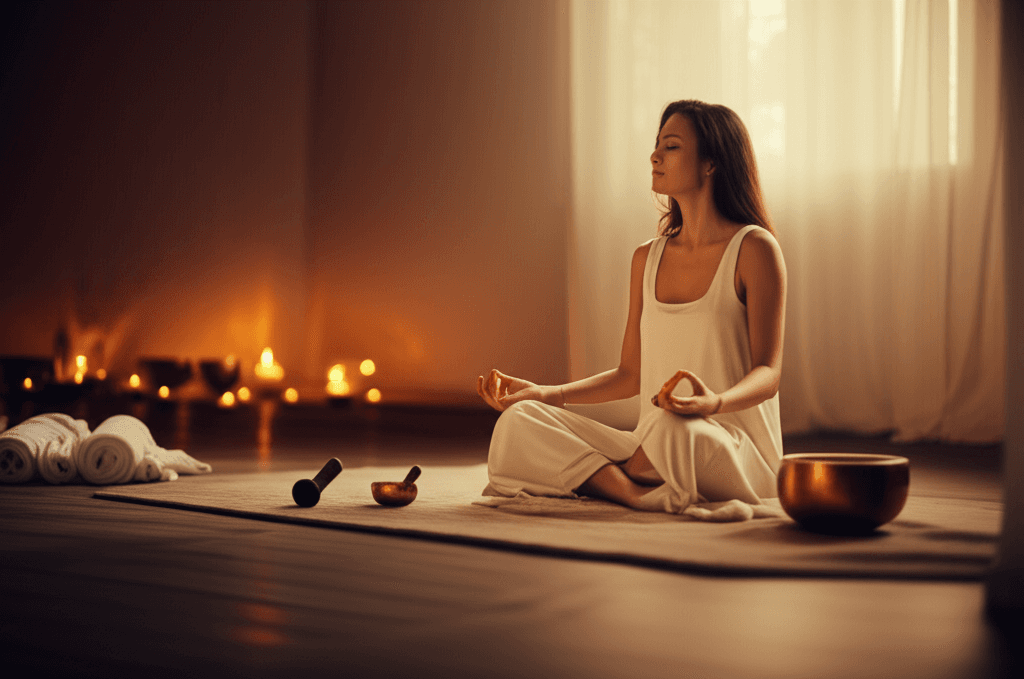
Bridging the gap between scientific understanding and lived experience is where the transformative power of sound wellness truly shines. Imagine stepping into a tranquil sanctuary, specifically designed to minimize external distractions. This immersive environment, often featuring dimmed lighting and comfortable seating, immediately signals to your nervous system that it’s time to shift gears. The experience typically begins with you settling into a relaxed position, perhaps adorned with high-quality, noise-isolating headphones that create a personal, internal soundscape.
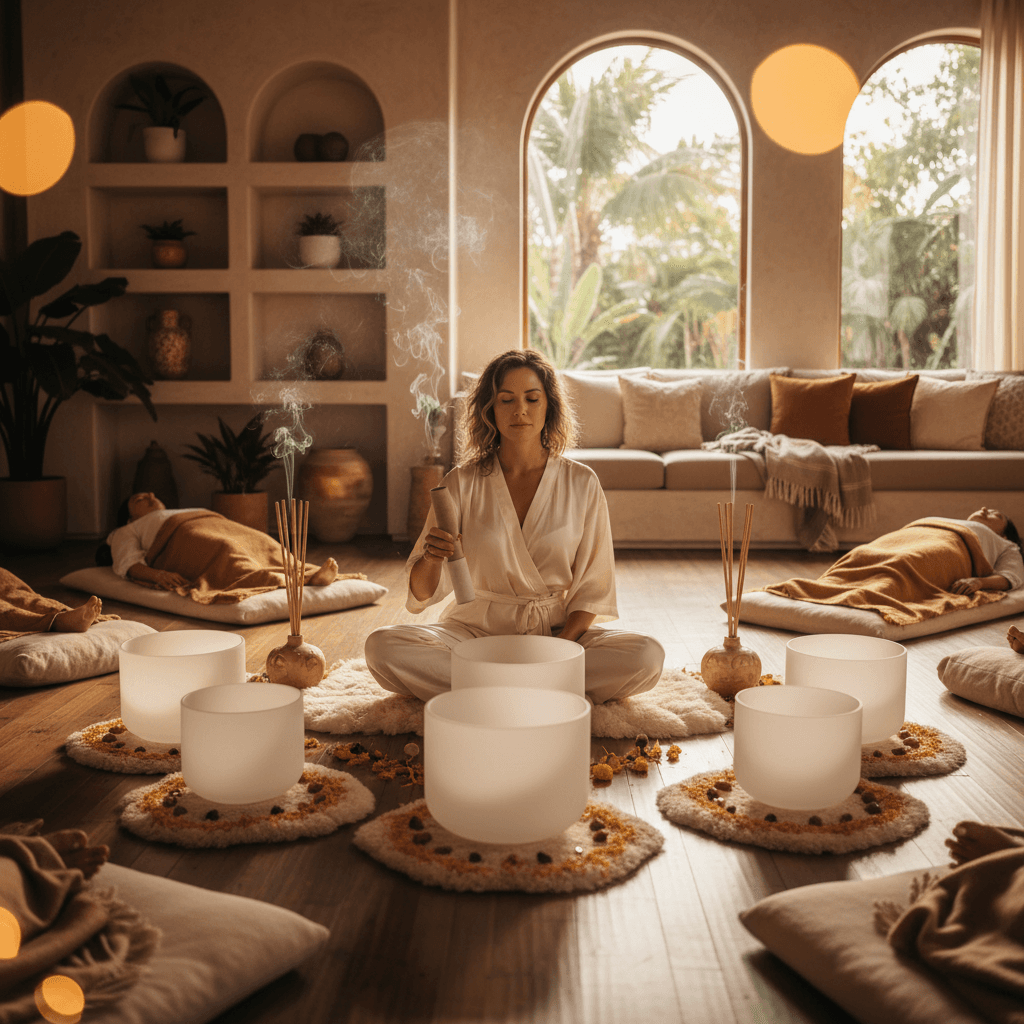
As the session commences, you may be enveloped by carefully chosen sounds – perhaps the resonant vibrations of crystal singing bowls, the deep hum of gongs, or intricate layers of binaural beats and natural soundscapes. Initially, your mind might still be racing, replaying competitive scenarios or worrying about future challenges. However, the consistent, rhythmic patterns and specific frequencies begin to work their magic. The auditory input bypasses the analytical mind, directly influencing your brainwave patterns and nervous system.
You might notice a gradual slowing of your heart rate, a deepening of your breath, and a release of tension in your muscles. The internal chatter begins to quiet, replaced by a profound sense of inner spaciousness. This isn't just passive listening; it's an active process of your body and mind synchronizing with the therapeutic sounds. Many people report feeling a sense of weightlessness, a dissolving of worries, and a heightened state of awareness and clarity. This shift from sympathetic (fight-or-flight) to parasympathetic (rest-and-digest) dominance is palpable, fostering an environment where deep relaxation and mental restoration can occur.
For those battling competition anxiety, these practical applications are invaluable. Establishing a "pre-anxiety protocol" involving dedicated listening 15-30 minutes before a high-stakes event can prime your nervous system, significantly reducing the intensity of peak anxiety. Similarly, incorporating "transition rituals" with sound—such as a short session after training or before a crucial meeting—can help signal to your brain that it's time to shift states, moving from high-stress to recovery or focused preparation. The immersive nature, especially when using headphones, blocks out competing external stimuli that might keep your threat-detection system active, allowing for a more profound and effective shift in your physiological and psychological state.
The Soul Art Approach: Larissa Steinbach's Vision for Inner Harmony
At Soul Art, Dubai's premier sound wellness studio, Larissa Steinbach has cultivated an environment and methodology that synthesizes ancient wisdom with cutting-edge scientific understanding. Her vision is to empower individuals to navigate the complexities of modern life, particularly high-pressure competitive environments, with grace and resilience. The Soul Art approach is not merely about playing soothing music; it is a meticulously crafted experience designed to facilitate deep physiological and psychological shifts.
Larissa Steinbach’s unique method at Soul Art involves a multi-sensory journey, often incorporating a diverse array of instruments renowned for their vibrational qualities. Clients may experience the profound, enveloping tones of Nepalese singing bowls, the deep, resonant frequencies of gongs, the delicate chime of koshi bells, and the strategic integration of scientifically-backed binaural beats. Each element is carefully chosen and orchestrated to create a harmonic landscape that guides the brain into specific therapeutic states, promoting alpha and theta brainwave activity associated with deep relaxation and meditative states.
"True competitive edge isn't just about physical prowess or intellectual acuity; it's about mastering your inner landscape. At Soul Art, we provide the sonic tools to quiet the noise, sharpen your focus, and tap into an unshakeable inner calm that elevates every aspect of your performance." – Larissa Steinbach
What truly distinguishes the Soul Art experience is its personalized nature. Understanding that competition anxiety manifests uniquely in each individual, sessions are often tailored to address specific needs – whether it's enhancing pre-event focus, managing acute performance pressure, or facilitating post-competition recovery and mental rejuvenation. Larissa Steinbach and her practitioners leverage their expertise to create bespoke sound journeys that not only soothe nerves but also foster a deeper connection to one's inner resources, allowing clients to build resilience and develop more effective coping strategies. Soul Art provides a sanctuary in the bustling heart of Dubai, offering a unique space for high-performers to find their frequency of well-being.
Your Next Steps: Integrating Sound for a Competitive Edge
Integrating sound wellness into your routine doesn’t require a complete overhaul of your lifestyle; even small, consistent practices can yield significant benefits. By understanding the power of sound, you can begin to cultivate a more balanced and resilient nervous system, particularly when facing competitive pressures.
- Curate Your Sound Environment: Pay mindful attention to the sounds that surround you. Actively seek out natural soundscapes (e.g., recordings of ocean waves, gentle rain, forest birds) and integrate them into your day. Conversely, identify and minimize exposure to high-frequency, jarring sounds or excessive noise pollution that may contribute to stress.
- Establish a Pre-Performance Sonic Ritual: If you know a high-stakes event is approaching, create a dedicated 15-30 minute "sound bath" ritual beforehand. This could involve listening to calming music around 60-80 BPM, a binaural beat track designed for relaxation, or even simple, guided vocal toning or chanting. This primes your nervous system for calm, not alarm.
- Utilize Headphones for Immersion: When engaging in focused sound practices, use quality headphones. This enhances the immersive experience, blocks out distracting external stimuli, and allows the specific frequencies to more effectively engage your brainwaves without interference.
- Explore Different Sound Modalities: Experiment with various types of sound. Try binaural beats for specific brainwave states (e.g., theta for relaxation), engage in guided meditations that incorporate sound, or simply listen to music designed for deep focus or relaxation. Discover what resonates most effectively with you.
- Seek Expert Guidance: For a truly transformative and personalized experience, consider exploring a session at a dedicated sound wellness studio. The expertly guided practices, like those offered by Larissa Steinbach at Soul Art, can provide profound insights and accelerate your journey towards managing competition anxiety and enhancing your overall well-being.
Bookings Coming Soon
Soul Art is still in preparation. Session details and booking will be published here after launch.
Coming Soon
In Summary: Harnessing Sound for Unrivaled Calm
Competition anxiety is a pervasive challenge that can undermine even the most prepared individuals. However, the burgeoning field of sound wellness offers a powerful, scientifically-backed, and non-pharmacological pathway to cultivate profound calm, enhanced focus, and resilient performance. From the brainwave-entraining power of binaural beats to the nervous system-regulating effects of specific frequencies and tempos, sound has a remarkable ability to reshape our inner state.
By understanding how practices like chanting can release curative chemicals and how curated soundscapes can activate our parasympathetic nervous system, we unlock a potent tool for stress management. Larissa Steinbach and Soul Art stand at the forefront of this wellness revolution in Dubai, offering meticulously crafted sound experiences that empower athletes, professionals, and anyone facing high-pressure situations to transform anxiety into a wellspring of focused energy. Embrace the gift of sound to elevate your performance and reclaim your inner peace.
Wellness Disclaimer: This article is for educational and informational purposes only. It does not constitute medical advice, diagnosis, or treatment. Soul Art Dubai provides non-medical wellness experiences focused on relaxation, stress management, and general wellbeing. Sound wellness is a complementary practice and should not replace professional medical care.
Related Articles
Optimizing Athletic Performance: The Synergy of Sports Nutrition and Sound Wellness
Archery, Stillness, and Sound: Soul Art's Path to Focus
Swimming's Secret Weapon: Sound for Peak Aquatic Performance