College Athletes: Sound for Student Sports Performance & Well-being

Key Insights
Explore how sound wellness and targeted music can profoundly impact college athletes' focus, recovery, and mental well-being. Discover Soul Art's approach.
The life of a college athlete is a relentless balancing act. Juggling demanding academic schedules, rigorous training, travel, and the immense pressure to perform, student-athletes face unique stressors that can impact both their physical and mental well-being. Indeed, studies reveal a significant percentage of college student-athletes report symptoms of depression and anxiety, highlighting a critical need for holistic support.
What if a powerful, yet often overlooked, tool could offer a profound advantage? Sound, in its various forms, from energetic beats to calming frequencies, presents an exciting frontier for enhancing athletic performance, accelerating recovery, and bolstering mental resilience. Soul Art, under the visionary leadership of Larissa Steinbach, is at the forefront of exploring how precisely tuned sound experiences can empower these young competitors. This article delves into the science and practical applications of sound wellness for college athletes, offering insights that may revolutionize their approach to training and self-care.
The Science Explained: How Sound Shapes Athletic Experience
The intricate relationship between sound, the human brain, and physiological responses is a burgeoning field of study, particularly within sports science. Music and specific sound frequencies are far more than mere background noise; they are potent stimuli capable of modulating arousal, influencing perceived exertion, and fostering states conducive to both peak performance and deep recovery. Understanding these mechanisms is key to harnessing sound effectively for athletic benefit.
Arousal Regulation and Performance Enhancement
Music possesses an remarkable ability to prime the body and mind for physical exertion. Research indicates that carefully selected music can serve as both an arousing stimulus before activity and a positive state enhancer during exercise. For instance, pre-task music has been utilized effectively to elevate arousal levels, preparing athletes for competition by increasing heart rate and breathing frequency.
Studies have shown that high-tempo music, around 130 beats per minute (bpm), can extend the duration of high-intensity exercise and increase physiological markers like heart rate and breathing frequency. This suggests that certain rhythmic structures and speeds can facilitate a more sustained and vigorous physical output. The psychological effect of sound can also manifest as a "white noise" effect, helping athletes prevent overthinking during critical moments or distracting them from unpleasant emotions linked to intense physical activity.
The Role of Dissociation and Focus
One of the most compelling ways music influences performance during activity is through dissociation. This refers to music's capacity to divert an exerciser's attention away from their perceived exertion and discomfort. By occupying the mind with external auditory stimuli, athletes may experience a reduced awareness of fatigue, allowing them to push through barriers they might otherwise encounter.
This beneficial distraction can also prevent athletes from "getting into their own head," particularly in sports requiring precise movements where overthinking can hinder performance. While some athletes, especially in precision sports like golf or shooting, may find certain noises distracting, others can use general soundscapes to maintain focus and reduce internal chatter. The absence of overwhelming crowd noise, for example, has been observed to sometimes aid concentration for some athletes, potentially leading to peak performance.
Accelerating Recovery and Relaxation
Beyond enhancing performance, sound plays an equally vital role in the crucial phase of recovery. Just as certain rhythms can activate the body, specific frequencies and melodic structures can induce profound states of relaxation. Preliminary research suggests that relaxing music can significantly reduce physiological measures of arousal, promoting a quicker return to baseline after strenuous activity.
This post-exercise recovery is not solely physical; it encompasses mental and emotional restoration. Collegiate athletes are often plagued by insufficient sleep, performance anxiety, and academic stress. Sound wellness practices, particularly those incorporating calming frequencies and instruments, may support the parasympathetic nervous system, facilitating deeper relaxation, reducing stress hormones, and improving sleep quality—all integral components of an athlete's overall well-being. The benefits extend to enhancing psychological resilience and motivation, crucial factors across all stages of athletic practice.
The Psychology of Intensity and Pleasure
The perception and impact of musical intensity are also noteworthy. Athletes often report a preference for loud music, perceiving it as more pleasurable and motivating. This preference might stem from the physiological responses evoked by high-volume sounds. Research suggests that high volume levels, particularly of dance music above 90 dB(A) SPL, can trigger vestibular responses to low-frequency beats, potentially activating pleasure centers in the brain.
While some studies have hypothesized that higher intensity sound would directly correlate with greater performance and less perceived effort during exercise, not all investigations have conclusively retrieved these effects. This suggests that while athletes may perceive loud music as more effective, the actual physical benefits might be more nuanced and context-dependent. Nevertheless, the psychological boost derived from preferred music, regardless of its direct physiological impact, remains a significant factor in motivation and enjoyment.
How It Works in Practice: Integrating Sound into the Athlete's Journey
Translating the science of sound into actionable strategies for college athletes involves understanding its application across different phases of their demanding routine. From pre-game preparation to post-training recovery and mental well-being, sound can be a versatile and powerful ally. The experiences offered by leading wellness studios like Soul Art demonstrate how these principles can be put into practice.
Imagine a college athlete preparing for a crucial game. Instead of relying solely on adrenaline, they might engage in a carefully curated sound experience. Up-tempo, motivational music with a strong beat can be utilized in the locker room or during warm-ups to elevate heart rate, focus attention, and create a collective sense of readiness and arousal. This external stimulus helps to synchronize the team and individual mental states, building momentum.
During training, especially for endurance-based activities, rhythmic music can act as a pacing guide and a psychological buffer. The consistent beat can help maintain a steady rhythm, while the dissociative effect helps to shift focus away from discomfort, allowing for prolonged effort. Many people report that listening to their self-selected music tracks significantly enhances their running performance, helping them push further with less perceived exertion.
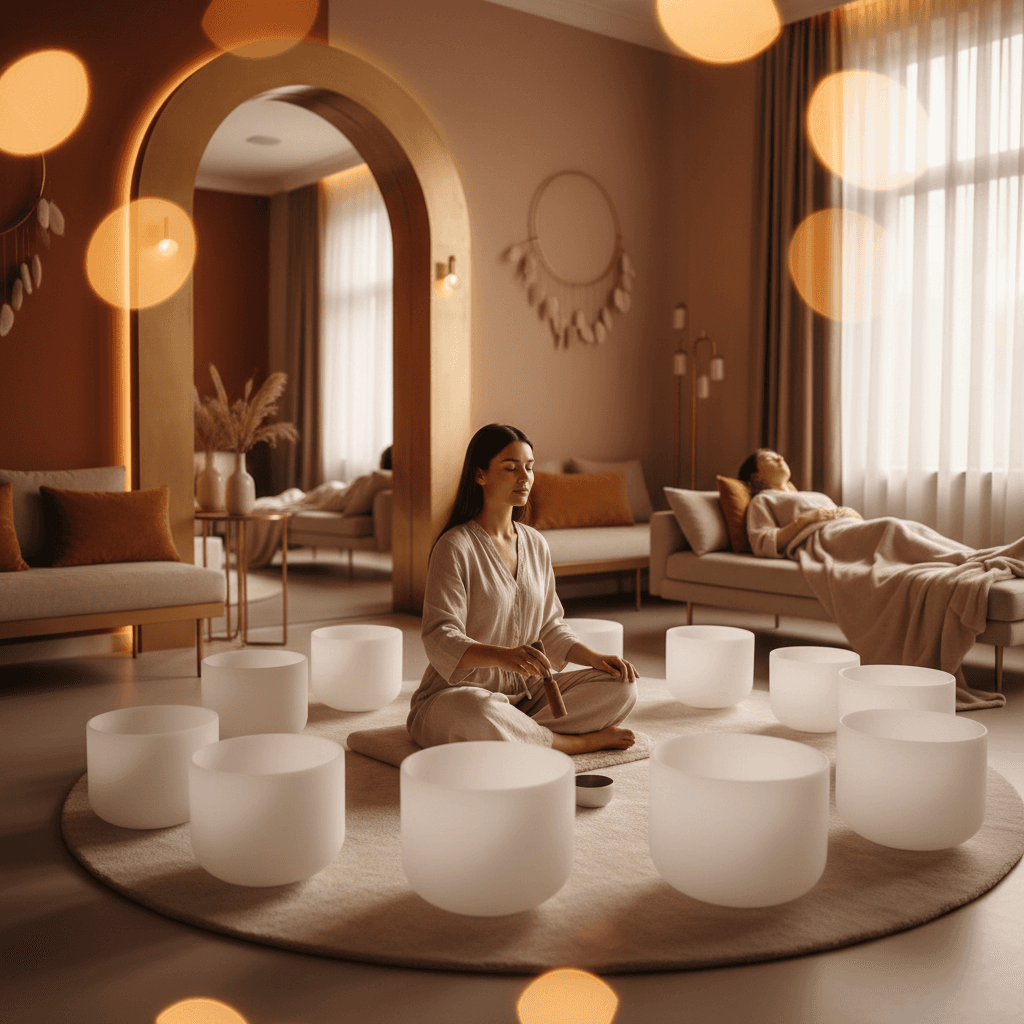
Post-exertion, the shift is dramatic. The body and mind need to transition from high-intensity to restorative modes. Here, the gentle, resonant tones of sound wellness truly shine. Picture a student-athlete lying down after a grueling practice, surrounded by the calming vibrations of gongs, singing bowls, and chimes. These instruments produce complex harmonic frequencies that may support the body's natural healing processes. Anecdotal evidence suggests that these sounds help to quiet the overactive mind, reduce muscle tension, and lower stress hormone levels.
This practical application extends beyond the immediate athletic context to address the broader well-being of student-athletes. Academic stress, performance anxiety, and irregular sleep patterns are common challenges. Sound bathing and targeted frequency work can be powerful complementary approaches for stress management. By engaging the parasympathetic nervous system, these sessions may help to restore balance, improve sleep quality, and foster a deeper sense of inner calm, equipping athletes with enhanced resilience to face their multifaceted responsibilities.
The Soul Art Approach: Larissa Steinbach's Vision for Athletic Well-being
At Soul Art, Dubai's premier sound wellness studio, Larissa Steinbach has cultivated a unique methodology that goes beyond conventional performance enhancement. Her approach for college athletes integrates scientific understanding with a deeply holistic philosophy, focusing on the athlete as a whole individual rather than just a performer. This commitment to comprehensive well-being sets Soul Art apart.
Larissa Steinbach understands that while physical prowess is paramount, true athletic excellence is intrinsically linked to mental clarity, emotional balance, and robust recovery. She customizes sound experiences to address the specific needs and pressures faced by student-athletes. This personalized approach acknowledges the diverse demands of different sports, individual stress profiles, and recovery requirements.
The Soul Art method leverages a rich tapestry of resonant instruments, each chosen for its unique vibrational qualities. Himalayan singing bowls, with their ancient, earthy tones, are often used to ground and center the mind, promoting deep relaxation. Symphonic gongs create immersive soundscapes, generating powerful vibrations that can penetrate deeply into the body, potentially releasing tension and promoting a sense of expansive calm. Crystal singing bowls offer pure, ethereal tones believed to harmonize energy centers. Additionally, chimes, tuning forks, and other percussive instruments are incorporated to create a layered and therapeutic auditory experience.
Larissa's expertise lies in her ability to intuitively weave these sounds into a cohesive narrative, guiding athletes through sonic journeys designed to achieve specific outcomes. For a pre-game session, the focus might be on sounds that build calm confidence and mental acuity, enhancing focus without overstimulation. Post-training sessions often emphasize deep restorative frequencies that may support muscle recovery, nervous system regulation, and mental decompression. For athletes struggling with sleep or anxiety, specialized sound meditations are crafted to gently guide them into states conducive to profound rest and emotional release.
"True strength for an athlete isn't just about physical might; it's about the resilience of their mind and the depth of their recovery. Sound wellness offers a powerful pathway to cultivate both, allowing them to perform not just harder, but smarter and with greater joy."
The "quiet luxury" ethos of Soul Art ensures that every session is an experience of sophisticated serenity. The studio environment itself is designed to be a sanctuary, a stark contrast to the often-chaotic world of competitive sports. This dedicated space, combined with Larissa Steinbach's expert guidance, provides student-athletes with a powerful tool for self-care, enabling them to recharge, refocus, and ultimately, thrive in all aspects of their demanding lives. By offering a complementary approach to traditional training, Soul Art empowers athletes to discover an inner reservoir of strength and tranquility.
Your Next Steps: Integrating Sound into Your Athletic Lifestyle
Embracing sound wellness doesn't require an immediate overhaul of your entire routine. Even small, consistent steps can yield significant benefits for college athletes aiming to optimize performance and well-being. Consider these actionable steps to begin integrating sound into your daily life:
- Curate a Performance Playlist: Before practices or games, listen to fast-tempo music (around 120-130 bpm) that you find motivating. This may help increase arousal and focus. Experiment with different genres and tempos to discover what best prepares you mentally and physically.
- Create a Recovery Soundscape: Immediately after intense training or before bed, transition to calming, ambient music or nature sounds. Instrumental pieces, classical music, or guided sound meditations can help lower heart rate, reduce muscle tension, and promote relaxation, preparing your body for optimal recovery and sleep.
- Utilize Sound for Stress Management: During periods of academic pressure or performance anxiety, engage with binaural beats or specific frequency tracks designed for relaxation. These can be found on various wellness apps and streaming platforms and may support a reduction in stress and an increase in mental clarity.
- Explore Guided Meditations with Sound: Integrate short, guided meditations that incorporate sound elements. This practice can enhance mindfulness, improve concentration, and provide a mental escape from daily stressors, fostering greater emotional resilience.
- Consider Professional Sound Wellness Sessions: For a truly immersive and personalized experience, explore sessions at a reputable studio like Soul Art. Expert practitioners, such as Larissa Steinbach, can tailor sound journeys to address specific performance goals, recovery needs, or mental well-being challenges, offering a deeper level of restorative care.
By consciously incorporating sound into your athletic lifestyle, you can cultivate a profound advantage, not only in your chosen sport but also in managing the rigorous demands of student life.
In Summary: The Harmonious Advantage for Student Athletes
The journey of a college athlete is undeniably challenging, requiring exceptional dedication, physical prowess, and mental fortitude. However, the pressures of academics, training, and competition can take a significant toll on well-being. This article has illuminated how sound, through its scientific applications and practical integration, offers a powerful, complementary pathway to holistic support.
From boosting pre-performance arousal and enhancing focus during activity to accelerating post-exertion recovery and mitigating chronic stress, sound wellness presents a multifaceted solution. Studios like Soul Art, led by the experienced Larissa Steinbach, are pioneering personalized sound experiences that cater specifically to the unique needs of student-athletes. By embracing the therapeutic power of sound, these young competitors can unlock new levels of performance, resilience, and overall well-being. Investing in sound is investing in a more harmonious, balanced, and ultimately, more successful athletic journey.
Bookings Coming Soon
Soul Art is still in preparation. Session details and booking will be published here after launch.
Coming Soon
Wellness Disclaimer: This article is for educational and informational purposes only. It does not constitute medical advice, diagnosis, or treatment. Soul Art Dubai provides non-medical wellness experiences focused on relaxation, stress management, and general wellbeing. Sound wellness is a complementary practice and should not replace professional medical care.
Related Articles
Optimizing Athletic Performance: The Synergy of Sports Nutrition and Sound Wellness
Archery, Stillness, and Sound: Soul Art's Path to Focus
Swimming's Secret Weapon: Sound for Peak Aquatic Performance