Harmonic Resilience: Sound Wellness for Healthy Boundaries
Key Insights
Explore how sound wellness at Soul Art supports individuals in cultivating healthy boundaries and emotional autonomy in codependent patterns.
Have you ever found yourself feeling emotionally drained, consistently prioritizing others' needs over your own, and struggling to say "no" without a wave of guilt? These familiar patterns, often associated with codependency, can feel deeply ingrained, sometimes even as rewarding acts of love and loyalty. Yet, what if these seemingly selfless actions are not merely habits, but rather reflections of complex neurological and psychological mechanisms within us, subtly reinforcing our struggle with healthy boundaries?
Recent advancements in interpersonal neurobiology and psychological research are shedding new light on codependency, revealing its profound impact on mental well-being and its surprising connections to our brain chemistry. This understanding offers a powerful new lens through which to approach healing and cultivate stronger, more authentic connections. At Soul Art, Dubai's premier sound wellness studio, founded by Larissa Steinbach, we explore how the profound practice of sound wellness may support individuals in navigating these intricate dynamics, fostering emotional autonomy and strengthening the foundation for healthy boundaries. Join us as we delve into the science and discover how vibrational harmony can unlock a path to self-reclamation.
The Science Explained: Unraveling Codependency's Roots
Codependency is far more complex than just "people-pleasing"; it's a learned behavioral pattern characterized by an excessive emotional or psychological reliance on others, often stemming from early life experiences like trauma, neglect, or substance abuse within family systems. This deeply ingrained pattern can manifest as low self-worth, chronic stress, and a significant loss of personal identity. Understanding its multi-faceted origins, from neurobiological underpinnings to psychological impacts, is crucial for fostering sustainable change.
Interpersonal Neurobiology and Brain Reinforcement
Emerging research into interpersonal neurobiology is providing fascinating insights into how our interactions literally shape our brains, potentially perpetuating codependent tendencies. Studies have indicated that individuals in close relationships, including those marked by codependency, often exhibit synchronized brainwave patterns. This synchronization, while indicative of closeness, can also become a neurological loop where one person's emotional state directly triggers dysregulation in the other.
For instance, when a codependent individual's partner experiences distress, they may feel an intense, almost involuntary urge to "fix" the problem to regain their own emotional stability. This impulse isn't just a habit; it's a neurologically reinforced response. Brain imaging studies have shown heightened activity in the brain's reward centers during caregiving or self-sacrificing actions in codependent individuals. This "reward" response can create a potent neurological reinforcement, making these behaviors incredibly difficult to unlearn, as the brain literally associates them with a sense of fulfillment or control.
Psychological Well-being and the Erosion of Self
The psychological toll of codependency is extensive and well-documented. It has been strongly associated with a range of mental health challenges, including heightened anxiety, depressive symptoms, and significantly impaired self-esteem. Individuals exhibiting codependent patterns are often prone to severe emotional weariness, burnout, and consistently neglecting their own fundamental needs in favor of attending to others.
This constant outward focus can lead to a decreased sense of personal identity and a struggle to define where one person ends and another begins. The inability to set and maintain clear boundaries is a hallmark of codependency, directly contributing to psychological distress. Without the ability to safeguard personal space and autonomy, individuals become vulnerable to emotional exploitation and chronic feelings of being overwhelmed. Prioritizing self-awareness and self-compassion, as recent studies suggest, are vital skills that can empower individuals to recognize these habits and begin to reframe their thinking towards prioritizing their own well-being.
The Critical Role of Healthy Boundaries
Healthy boundaries are not about building walls or creating distance; rather, they are the invisible lines that define where you end and another person begins. They clarify individual responsibilities and help you recognize that you are accountable for your own thoughts, feelings, words, and actions, and that others are responsible for theirs. For individuals navigating codependency, establishing these boundaries is not just beneficial; it is absolutely crucial for safeguarding autonomy and defining personal space.
The process involves identifying aspects of a relationship that require clearer limits, defining what is and isn't acceptable, communicating those boundaries calmly, and consistently maintaining them. When someone struggles with codependency, the idea of setting a boundary can evoke immense guilt or fear of abandonment, especially if rooted in past trauma or inconsistent care. Yet, research consistently highlights that healthy boundaries are foundational for mutual respect and emotional balance within any relationship, allowing both individuals to grow and exist as whole, independent selves.
How It Works in Practice: Cultivating Inner Space
Bridging the gap between scientific understanding and practical application is where real transformation begins. For many grappling with codependency, the constant state of hyper-vigilance towards others' emotions leaves little room for their own internal world. This external focus creates a profound internal disconnect, making it incredibly challenging to even identify their own needs, let alone articulate them through boundaries. This is where holistic wellness practices can offer significant support.
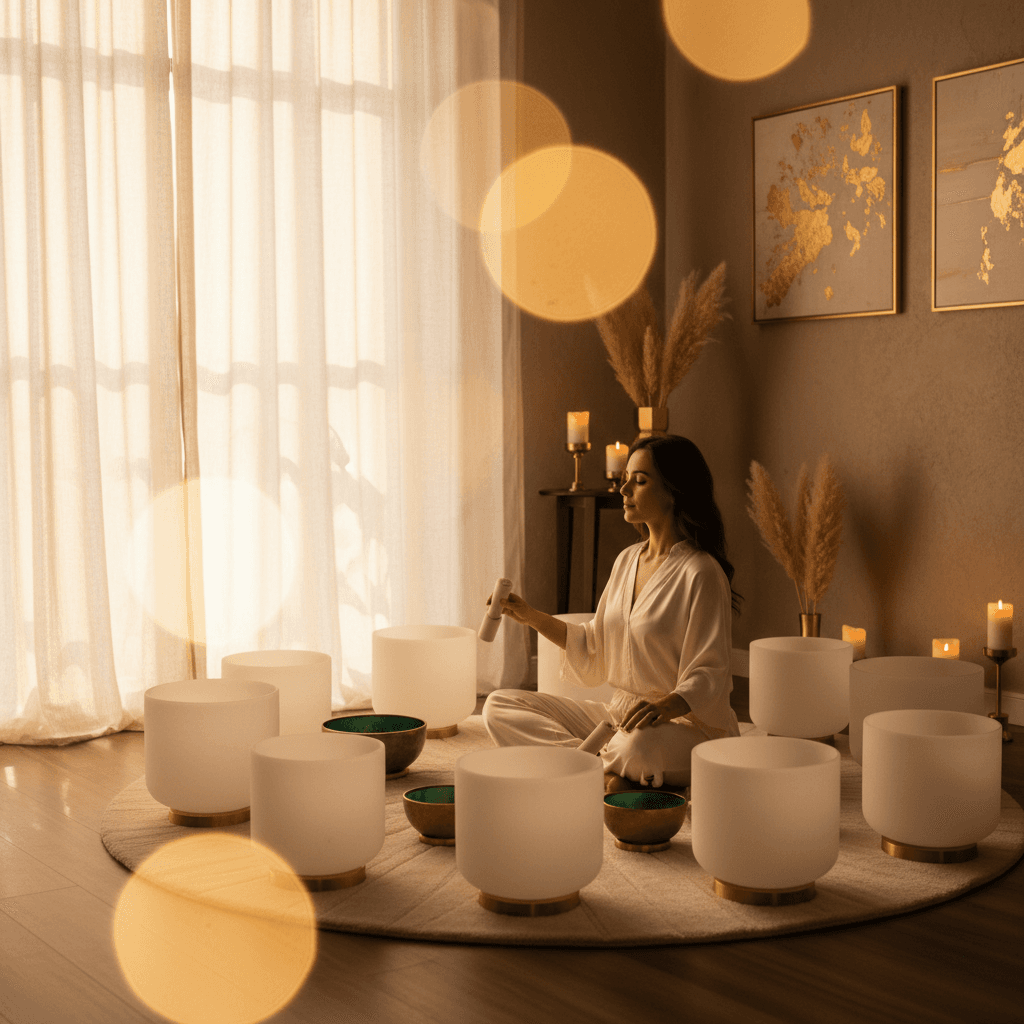
Imagine a space where the incessant internal dialogue quiets, and the overwhelming flood of external demands gently recedes. This is often the initial experience within a sound wellness session. As the resonant frequencies wash over the body, they may support the nervous system in shifting from a state of fight-or-flight into a more relaxed, parasympathetic state. This physiological shift is crucial because a dysregulated nervous system makes it nearly impossible to think clearly, reflect deeply, or access the inner strength needed to set boundaries.
Clients often report a tangible sense of release, a feeling of "coming home" to their own body and mind. The deep vibrations, whether from gongs or crystal bowls, can help to gently release stored tension and emotional blockages, creating an internal spaciousness. It’s within this newfound space that self-awareness can truly begin to blossom. Without the immediate pressure to "fix" or react, individuals can start to observe their own thoughts and feelings without judgment, a critical first step in recognizing codependent patterns.
For someone who has spent a lifetime prioritizing others, this internal quiet can be profoundly empowering. It allows for a re-connection with their authentic self, offering clarity on what they truly need and desire. This enhanced self-awareness is the bedrock for assertive communication and the courage to articulate boundaries. The practice provides a sanctuary, a consistent return to self, where the physiological benefits of nervous system regulation lay the groundwork for psychological resilience and the profound journey of establishing healthier, more balanced relationships.
The Soul Art Approach: Harmonic Foundations for Autonomy
At Soul Art, Larissa Steinbach and her team understand that healing from codependency is a deeply personal and often challenging journey. Our approach integrates the ancient wisdom of sound with modern scientific understanding, creating a unique pathway for individuals to cultivate emotional autonomy and reinforce their capacity for healthy boundaries. We believe that by creating a sanctuary of sound, we can help facilitate profound internal shifts.
Larissa Steinbach meticulously curates each sound experience, recognizing that different frequencies and instruments may offer unique benefits for the nervous system. The studio's immersive sound baths are designed to gently guide participants into a state of deep relaxation and mindful presence. This deliberate process helps to calm the overactive mind, often a hallmark of codependent thinking, and encourages a deeper connection to the body's innate wisdom.
Our method leverages a diverse array of instruments, each selected for its distinct vibrational quality. Gongs, with their powerful, encompassing waves of sound, may help to clear mental chatter and facilitate emotional release. Crystal singing bowls, tuned to specific energetic centers, are believed by many to promote cellular resonance and restore energetic balance. Gentle chimes and other percussive instruments weave a tapestry of sound, further enhancing the meditative state. This carefully orchestrated sonic environment may support the down-regulation of the sympathetic nervous system, reducing the physiological stress response often associated with codependent anxiety and hyper-vigilance.
The unique Soul Art experience is not about external solutions, but about empowering the individual to find their internal resources. By regularly immersing themselves in these harmonic frequencies, clients may experience an enhanced sense of self-compassion and increased mindful attention. These qualities, as research suggests, are crucial for recognizing and challenging restrictive beliefs, reframing thinking, and ultimately establishing and maintaining healthy boundaries without guilt or fear. It is a holistic wellness practice aimed at strengthening the core self, enabling individuals to stand more firmly in their own space.
"Understanding your boundaries is the first step towards self-respect. Honoring them is the journey of self-love."
Your Next Steps: Cultivating Your Inner Sanctuary
Embarking on a journey to cultivate healthy boundaries and emotional autonomy is a powerful act of self-love. It requires dedication, self-compassion, and practical strategies. Here are some actionable steps you can begin implementing today to support your path to greater well-being:
- Practice Mindful Self-Observation: Dedicate a few minutes each day to simply observing your thoughts, feelings, and physical sensations without judgment. Notice when you feel compelled to "fix" or over-extend yourself. This non-judgmental awareness is the first step in identifying codependent patterns.
- Start Small with Boundaries: Begin by setting a minor boundary in a low-stakes situation. This could be saying "no" to an invitation you don't feel enthusiastic about, asking for five minutes of quiet time, or communicating a small preference. Consistency, even with small boundaries, builds confidence.
- Cultivate Self-Compassion: Recognize that healing from codependency is a process, not a destination. Treat yourself with the same kindness and understanding you would offer a dear friend. Acknowledge your efforts and be patient with setbacks, remembering that progress isn't always linear.
- Engage in Regular Self-Care Rituals: Prioritize activities that genuinely replenish your energy and bring you joy. This could be reading, spending time in nature, journaling, or practicing mindfulness. These rituals reinforce the message that your needs are valid and important.
- Explore Complementary Wellness Practices: Consider incorporating practices like sound wellness into your routine. The deep relaxation and nervous system regulation offered by a sound bath may provide the internal space and calm needed to process emotions, enhance self-awareness, and strengthen your resolve to maintain healthy boundaries.
Soul Art is still in preparation. Session details and booking will be published here after launch. Exploring the gentle yet powerful vibrations of sound wellness at Soul Art may offer invaluable support on your journey to healthier, more balanced relationships.
In Summary: Harmonic Boundaries, Authentic Connections
Codependency, with its deep roots in interpersonal neurobiology and profound psychological impact, often manifests as a struggle with healthy boundaries and an erosion of self-worth. Understanding that these patterns are not merely habits, but rather reinforced by neurological pathways and early life experiences, empowers us to approach healing with greater empathy and targeted strategies. By fostering self-awareness, self-compassion, and strengthening the nervous system, individuals can begin to reframe their thinking and reclaim their emotional autonomy.
Sound wellness, as practiced at Soul Art by Larissa Steinbach, offers a complementary approach to this transformative journey. Through the intentional use of resonant frequencies, it may support nervous system regulation, create internal space for reflection, and enhance the capacity for mindful attention. This holistic practice helps lay a harmonic foundation for setting and maintaining healthy boundaries, ultimately leading to more authentic, balanced, and fulfilling relationships.
Bookings Coming Soon
Soul Art is still in preparation. Session details and booking will be published here after launch.
Coming Soon
Wellness Disclaimer: This article is for educational and informational purposes only. It does not constitute medical advice, diagnosis, or treatment. Soul Art Dubai provides non-medical wellness experiences focused on relaxation, stress management, and general wellbeing. Sound wellness is a complementary practice and should not replace professional medical care.
Related Articles

LGBTQ+ Recovery: Sound Wellness for Inclusive Healing & Regulation

Relationship Recovery: The Science of Sound for Intimacy

Soulful Connections: The Science of Shared Sound Practices and Well-being Sponsorship