Sound for Movement: How Vibrations Support Cerebral Palsy Wellness
Key Insights
Explore how sound and music wellness practices, like those at Soul Art Dubai, may support movement and communication for individuals with cerebral palsy.
The Resonant Path: Sound for Movement in Cerebral Palsy
Imagine a world where sound doesn't just soothe the soul but also guides the body, gently coaxing movement and refining communication. For individuals living with cerebral palsy (CP), this isn't just a hopeful vision; it's an emerging reality being explored through the fascinating intersection of neuroscience and sound wellness. CP, a group of developmental disorders affecting muscle coordination, often impacts movement, posture, and speech, presenting unique challenges in daily life.
Traditionally, therapeutic approaches have focused on physical and speech interventions. However, preliminary research and growing anecdotal evidence suggest that specialized sound-based practices may offer a powerful complementary avenue, potentially supporting improved motor functions and vocal clarity. This article delves into the scientific underpinnings of how targeted auditory and vibrational stimulation may support the well-being of those with cerebral palsy, highlighting the innovative approaches embraced by Larissa Steinbach and Soul Art in Dubai.
We will explore how the brain's remarkable ability to adapt, known as neuroplasticity, can be harnessed through rhythmic cues, vocal exercises, and gentle vibrations. Understanding these mechanisms opens new possibilities for enhancing independence and quality of life. Join us as we uncover the resonant potential of sound in fostering greater ease of movement and more effective communication for individuals with CP.
The Science Explained: How Sound Interacts with the Neurological System
Cerebral palsy is characterized by damage to the developing brain, primarily affecting an individual’s movements, balance, and posture. The core challenge lies in the brain's ability to send precise signals to the muscles, leading to issues like spasticity, dysarthria, and coordination difficulties. Intriguingly, sound, with its inherent patterns and rhythms, provides a unique external stimulus that the brain can process and utilize to organize motor commands.
Neuroplasticity: The Brain's Adaptability
At the heart of sound's potential lies neuroplasticity—the brain’s incredible capacity to reorganize itself by forming new neural connections throughout life. While the initial brain damage causing CP cannot be "healed," engaging neuroplasticity allows individuals to develop alternative pathways and improve motor functions. Consistent, targeted stimulation, such as that provided by sound, can help activate this rewiring process. Music and sound offer a novel, engaging, and interactive approach to addressing therapeutic goals, making the necessary repetitions for neuroplasticity more accessible and enjoyable, especially for children who might otherwise lose interest in conventional exercises.
Voice-Based Treatments: LSVT LOUD® and Speech
Dysarthria, a motor speech disorder affecting respiration, voicing, and articulation, is commonly associated with CP, often resulting in speech that is slurred, mumbled, or poorly paced. Preliminary evidence suggests that intensive voice-based treatments, such as LSVT LOUD®, have the potential to improve vocal communication in adults living with CP. This program focuses on increasing vocal loudness and improving intelligibility.
Research presented by Open Lines Speech and Communication at the MDS Virtual Congress highlighted positive outcomes of LSVT LOUD® on speech intelligibility in children with spastic cerebral palsy. These findings are encouraging, demonstrating how structured vocal exercises can target the specific motor components of speech, supporting clearer and more effective communication. Such advancements motivate continued research into voice-based interventions within the field of movement disorders.
Neurologic Music Therapy (NMT) and Patterned Sensory Enhancement (PSE)
Neurologic Music Therapy (NMT) encompasses a range of therapeutic techniques that utilize music to address cognitive, motor, and speech goals. Patterned Sensory Enhancement (PSE) is a key NMT technique that translates movement patterns into sound patterns, providing spatial, temporal, and force cues. This innovative approach leverages musical elements to regulate and facilitate movement execution.
- Rhythm, Tempo, and Meter: These elements guide the timing and speed of a movement, providing a clear auditory "beat" for the body to follow.
- Pitch Variation: Ascending and descending melodic lines can effectively guide the direction of a movement, helping individuals understand and execute spatial tasks.
- Volume and Harmony: These can induce further strength of muscle activation, providing an auditory "push" or "pull" that complements physical effort.
A 2011 study by Peng et al., involving 23 patients with CP, demonstrated the positive effect of individualized PSE music on sit-to-stand (STS) exercises. Participants showed significant improvements in peak knee extensor power, total extensor power, and center-of-mass smoothness when performing STS under music conditions. These results underscore the potential of PSE to enhance functional strengthening exercises for lower extremities.
Rhythmic Auditory Stimulation (RAS) for Gait Improvement
Many individuals with cerebral palsy experience difficulties walking due to abnormal muscle tone. Rhythmic Auditory Stimulation (RAS) is a form of music therapy specifically designed to synchronize sound and movement, facilitating improvements in biologically rhythmical functions like walking. RAS provides a consistent external rhythm that helps regulate stride length, cadence, and overall gait pattern.
Studies have reported significant enhancement in gait speed, stride length, cadence, and gross motor function (standing and walking) outcomes with auditory stimulation compared to control groups. Research by Kim et al. and Efraimidou et al. explored the effects of rhythmic auditory stimulation on gait patterns and balance in adults with CP, showing positive impacts. Ben-Pazi et al. also found that auditory stimulation may improve motor function and reduce caretaker burden in children with CP, suggesting broad benefits.
Vibroacoustic Therapy (VAT) and Vibration Therapy (VT)
Beyond audible sound, the physical sensation of vibration also holds therapeutic potential. Vibroacoustic Therapy (VAT) involves exposing the body to low-frequency sound vibrations, often delivered through specialized beds, mats, or instruments. A narrative review highlighted VAT's potential effects on motor function in people with spastic cerebral palsy.
Similarly, general Vibration Therapy (VT) has shown promise. Acute sessions of VT have been associated with a reduction in reflex excitability, spasticity, and coordination deficits in individuals with CP. This direct tactile stimulation can influence muscle tone and proprioception, potentially offering immediate, albeit temporary, relief and improved control. The combination of auditory and tactile input from these therapies may create a multi-sensory experience that further supports neurological integration.
Limitations and Future Directions
While the current research presents exciting possibilities, it is important to acknowledge that the overall body of evidence for Neurologic Music Therapy (NMT) in CP patients is often described as either low or insufficient due to heterogeneous study designs. Many studies are preliminary, with smaller sample sizes. Further research with larger samples is needed to investigate how age, subtypes of CP, spasticity levels, muscle power, and functional level can affect the efficacy of NMT. Additionally, more studies are required to determine the most effective number of sessions, including optimal duration, frequency, and intensity of therapy, to maximize the potential benefits of sound-based interventions for individuals with cerebral palsy.
How It Works in Practice: The Client Experience
Stepping into a sound wellness session focused on movement support is a truly unique and often profound experience. It’s an environment where the science of sound merges with sensory engagement, creating a pathway for the body and mind to connect in new ways. Clients are guided not by strenuous physical demands alone, but by the subtle yet powerful influence of auditory cues and gentle vibrations.
During a session, the practitioner carefully curates a sound landscape tailored to individual needs and goals. For someone working on gait improvement, a steady, rhythmic beat might be introduced, encouraging a more consistent stride pattern. The clarity and predictability of the rhythm provide an external structure that the brain can latch onto, helping to bypass internal motor planning challenges. This can be less fatiguing than purely volitional movement, as the body is encouraged to synchronize with the external beat.
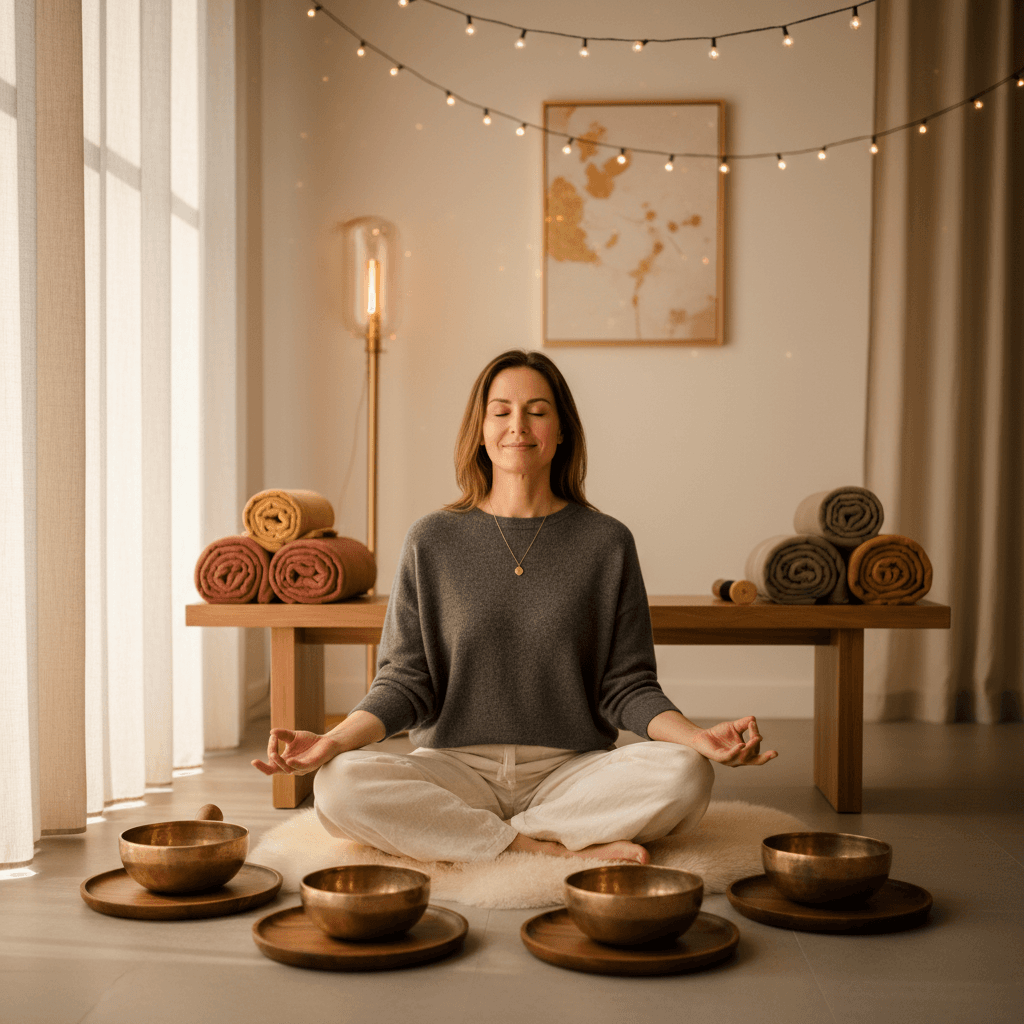
For speech goals, vocal toning and focused sound exercises may be employed. Clients might be encouraged to vocalize along with specific tones or resonant frequencies, which can help improve breath support, modulate pitch, and strengthen vocal cords. The immediate auditory feedback allows individuals to self-correct and refine their vocal output in real-time, making the process highly interactive and engaging. The gentle vibrations produced by certain instruments, like singing bowls or tuning forks, can also be applied directly to the body. This vibroacoustic input offers a deep sensory experience that many people report as profoundly relaxing. These vibrations may help reduce muscle tension and spasticity, promoting a sense of ease and fluidity in the body. It’s a holistic approach that acknowledges the interconnectedness of physical sensation, auditory processing, and emotional well-being.
The multi-sensory engagement is key. When music and sound are combined with other therapeutic interventions, such as guided movements or gentle stretches, the overall engagement increases significantly. This enhanced attention and enjoyment can lead to more consistent participation and, crucially, the greater number of repetitions needed to activate neuroplasticity. Clients often report a feeling of calmness and reduced anxiety, alongside improvements in motor control and vocal clarity, fostering a greater sense of empowerment over their physical abilities.
The Soul Art Approach: Larissa Steinbach's Unique Method
At Soul Art in Dubai, Larissa Steinbach meticulously integrates these scientifically informed principles into a bespoke sound wellness experience designed to support individuals facing movement challenges, including those with cerebral palsy. Her approach extends beyond simply playing music; it's a deeply personalized methodology that leverages the intricate power of sound and vibration to cultivate harmony between mind and body. Larissa understands that each individual's journey with CP is unique, necessitating a tailored strategy that resonates with their specific needs and goals.
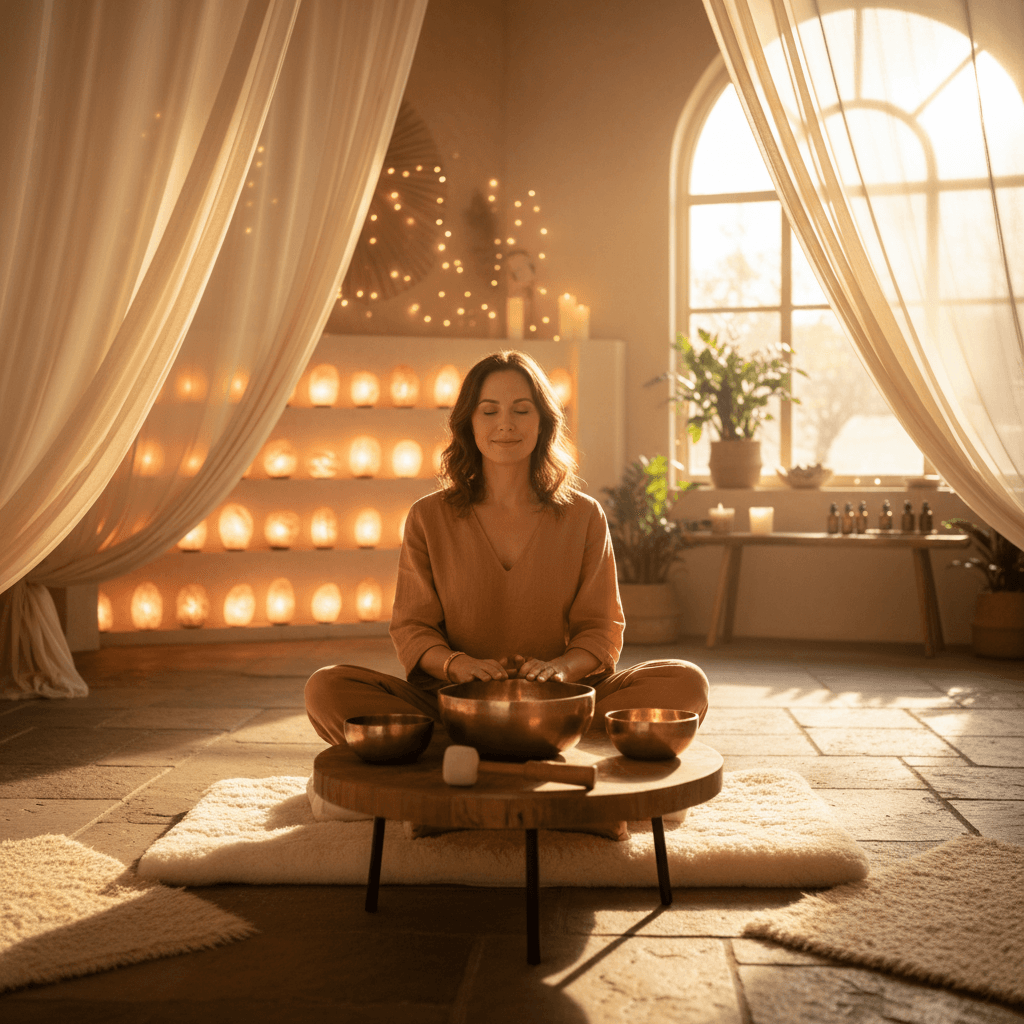
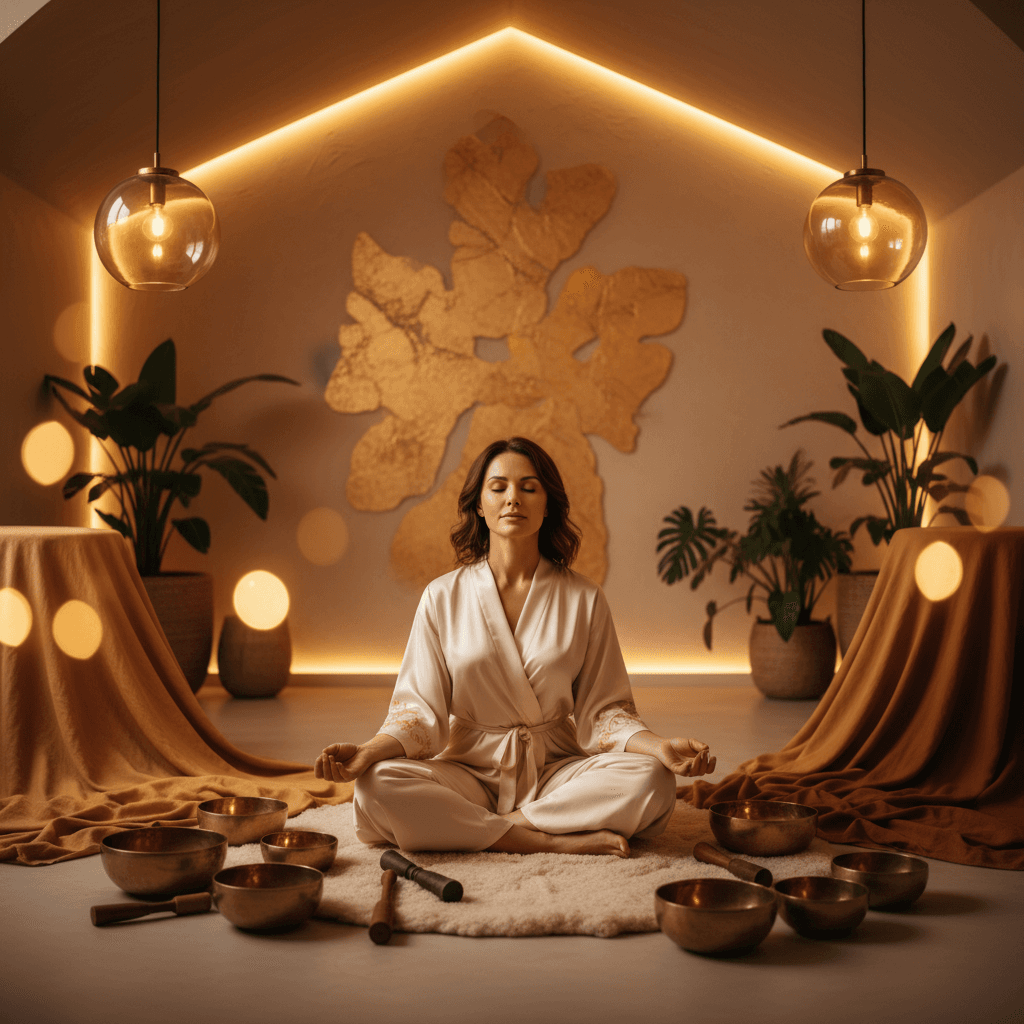
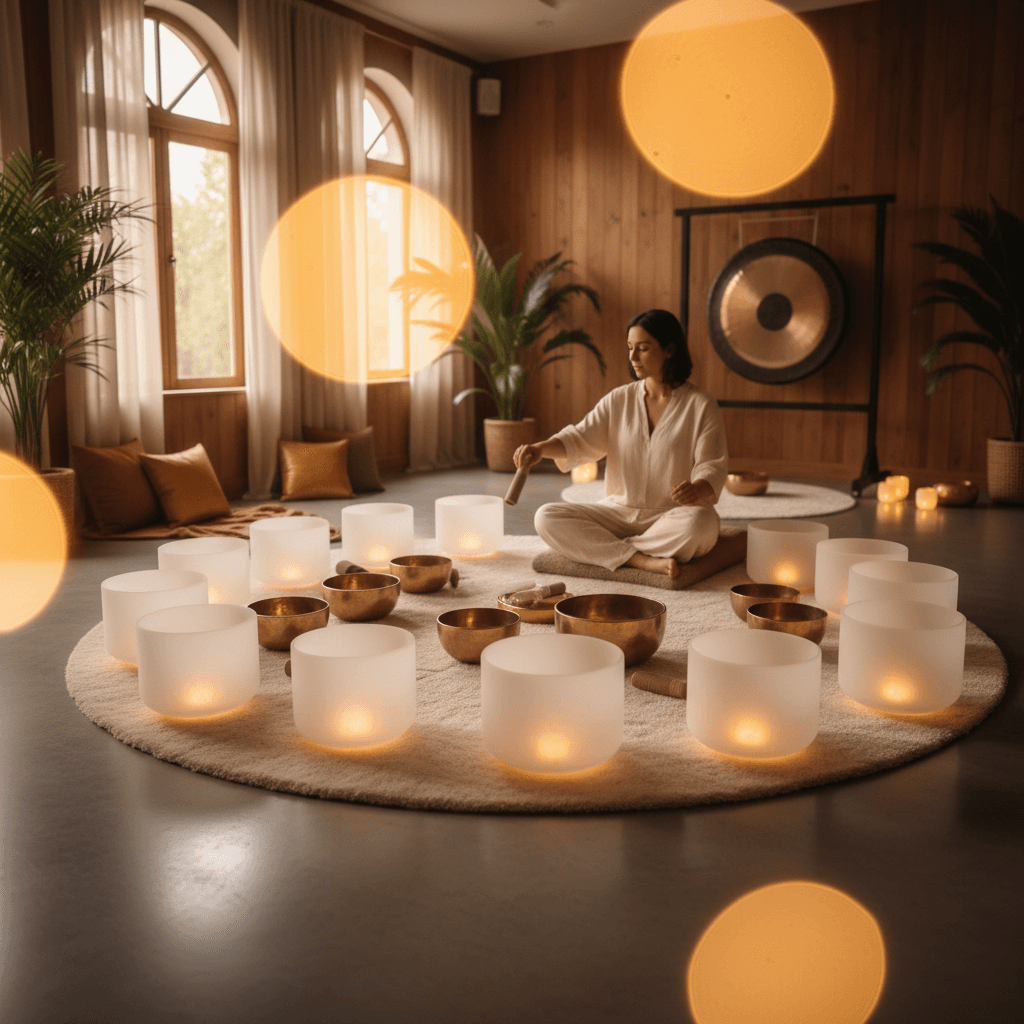
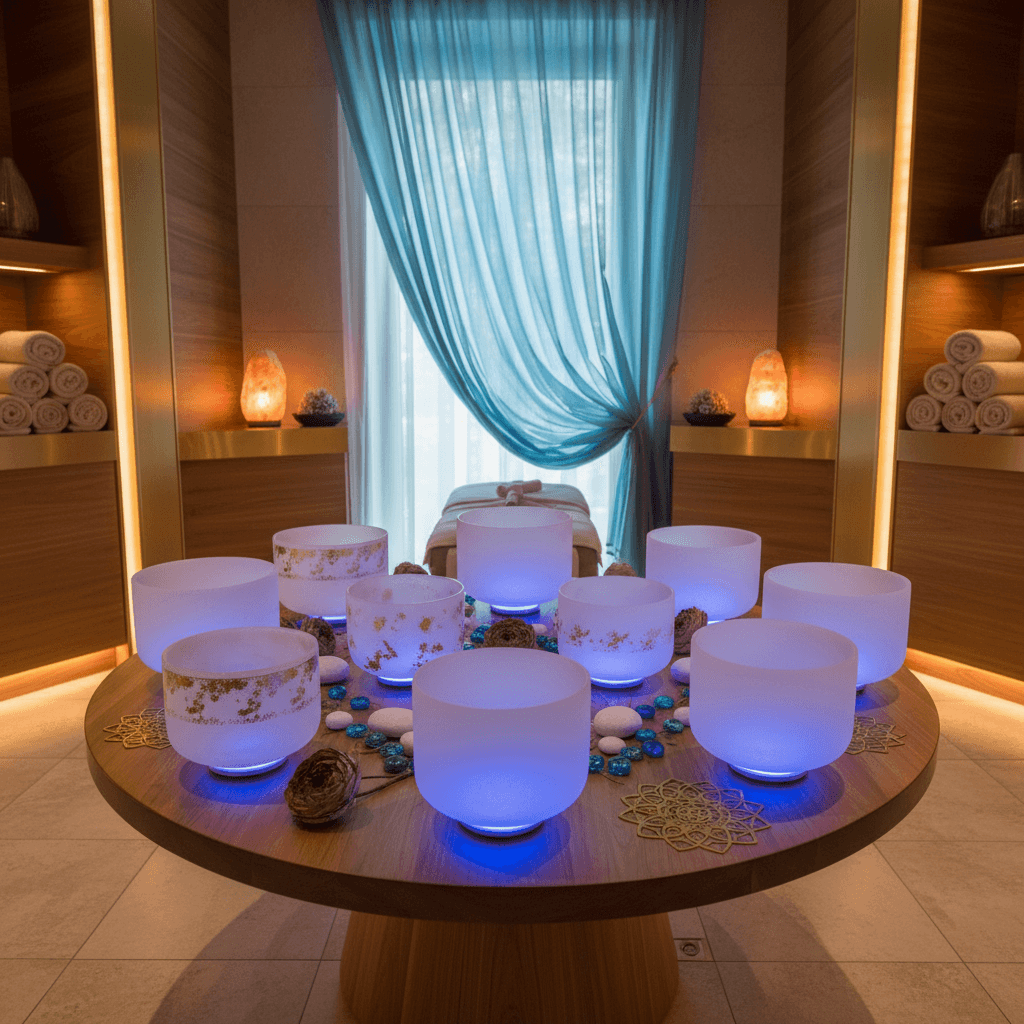
The Soul Art method is characterized by its holistic perspective, focusing not just on motor function but also on the overarching well-being of the individual. Larissa's sessions often incorporate a diverse array of instruments, each chosen for its specific resonant qualities and therapeutic potential. These may include Tibetan singing bowls, gongs, tuning forks, crystal singing bowls, and specialized rhythmic instruments. The gentle yet powerful frequencies emitted by these tools are utilized to create an immersive soundscape.
One of the unique aspects of Larissa's work is her expertise in crafting specific auditory cues that align with the principles of Patterned Sensory Enhancement (PSE) and Rhythmic Auditory Stimulation (RAS). She may use distinct rhythmic patterns to guide walking, help with balance, or assist in the initiation of movement. The varying pitches and dynamics of her chosen instruments can provide clear, non-verbal instructions, aiding in spatial awareness and directional movement. This meticulous crafting of sound helps to optimize the brain's ability to process and respond to external stimuli, potentially enhancing motor coordination and proprioception.
Furthermore, Larissa incorporates elements of vibroacoustic touch, using tuning forks or placing singing bowls directly on the body to deliver targeted vibrations. These gentle, low-frequency oscillations may help to release muscle tension, reduce spasticity, and promote a deeper sense of relaxation and body awareness. For individuals working on vocal goals, guided vocal toning sessions are designed to explore breath support and articulation within a supportive and non-judgmental environment. The environment at Soul Art is designed to be a sanctuary, a quiet luxury space where relaxation and restoration are paramount. Larissa Steinbach’s empathetic guidance ensures that each session is not only therapeutically beneficial but also deeply nurturing, contributing to overall emotional regulation and stress reduction – crucial factors in managing the daily complexities associated with cerebral palsy.
Your Next Steps: Embracing Sound for Wellness
Exploring sound wellness as a complementary approach for cerebral palsy is a journey of discovery that prioritizes self-care and holistic well-being. While sound-based practices may not replace conventional medical and rehabilitative therapies, they can offer unique avenues for support, engagement, and profound relaxation. Understanding the potential benefits is the first step towards integrating these practices into your life or the life of a loved one.
Here are some actionable steps you can consider today:
- Consult Your Healthcare Provider: Always discuss any new complementary wellness practices with your medical doctor or therapist to ensure they align with your current treatment plan and specific health needs. This collaborative approach is essential for comprehensive care.
- Explore Local Sound Wellness Studios: Seek out reputable sound wellness practitioners or studios, like Soul Art in Dubai, that specialize in therapeutic applications of sound and vibration. Inquire about their experience and approach, particularly concerning movement disorders or neurological conditions.
- Begin with Gentle Introductions: Start with shorter, introductory sessions to gauge individual responses and comfort levels. Some individuals may benefit more from rhythmic auditory stimulation, while others might find vibroacoustic therapy particularly soothing.
- Focus on Consistency and Observation: Like any wellness practice, consistency is key. Regularly engage with sound sessions and meticulously observe any subtle changes in movement, communication, mood, or overall comfort. Journaling these observations can be highly beneficial.
- Integrate Sound into Daily Routines: Beyond structured sessions, consider incorporating calming soundscapes or rhythmic music into daily activities. Simple background music during exercises or soothing tones before sleep may contribute to overall relaxation and muscle ease.
Embracing sound as a wellness tool can be a deeply personal and enriching experience. It offers a gentle yet powerful pathway to potentially support motor function, vocal clarity, and emotional equilibrium.
In Summary: The Harmonious Potential of Sound
Cerebral palsy presents complex challenges, but the emerging field of sound wellness offers exciting new avenues for support and improved quality of life. We've explored how scientific principles, including neuroplasticity, underpin the potential benefits of techniques like LSVT LOUD®, Patterned Sensory Enhancement, Rhythmic Auditory Stimulation, and Vibroacoustic Therapy. These practices leverage the power of rhythm, pitch, and vibration to potentially enhance motor coordination, speech intelligibility, and overall physical function.
While ongoing research is crucial to further solidify these findings, preliminary evidence and anecdotal reports highlight sound's capacity to boost engagement, reduce spasticity, and foster greater body awareness. Larissa Steinbach at Soul Art embodies this innovative approach, offering personalized sound journeys designed to bring a sense of harmony, relaxation, and potential functional support to individuals with CP. Discover the profound possibilities of sound – a complementary path towards greater movement and well-being.
Bookings Coming Soon
Soul Art is still in preparation. Session details and booking will be published here after launch.
Coming Soon
Wellness Disclaimer: This article is for educational and informational purposes only. It does not constitute medical advice, diagnosis, or treatment. Soul Art Dubai provides non-medical wellness experiences focused on relaxation, stress management, and general wellbeing. Sound wellness is a complementary practice and should not replace professional medical care.