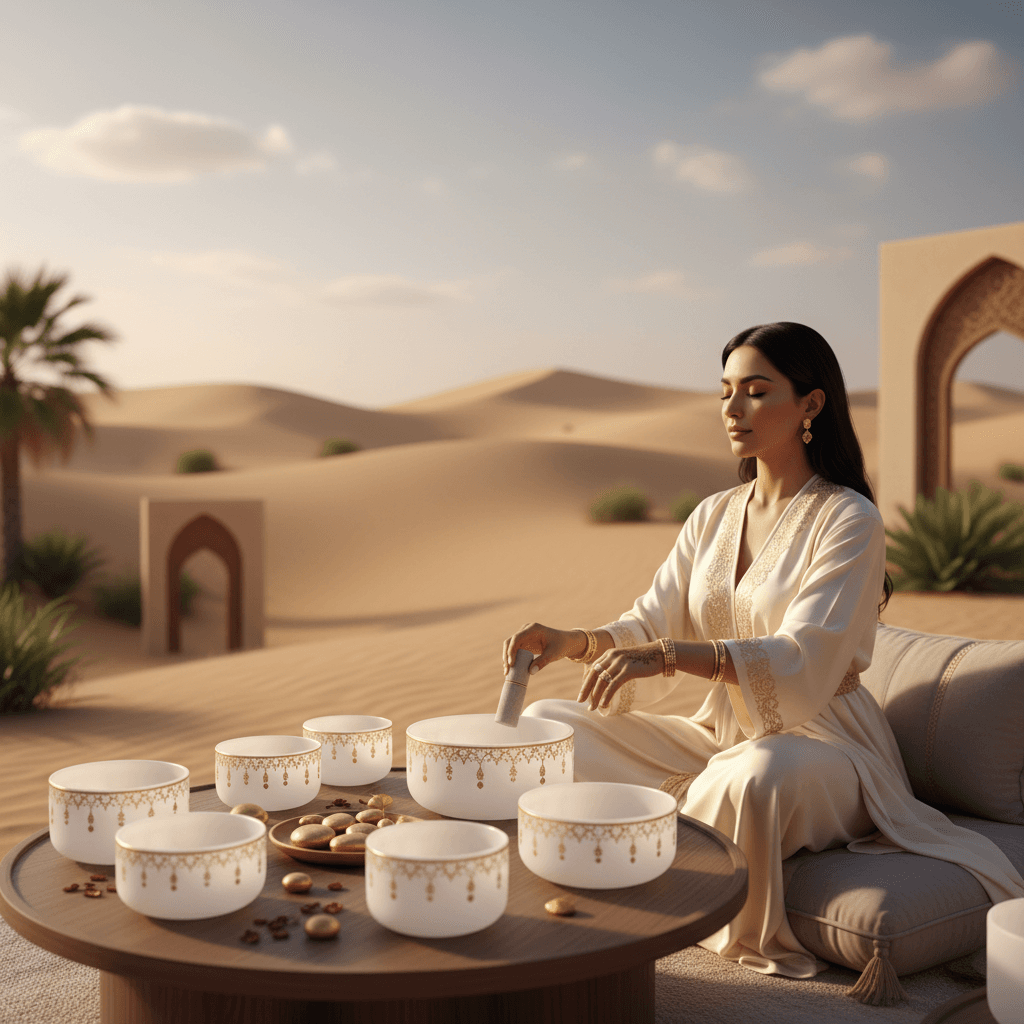
Celtic Harps: Ancient Wisdom Meets Modern Sound Wellness
Key Insights
Explore how the resonant magic of Celtic harps, a cornerstone of ancient healing, is revitalising modern sound wellness practices at Soul Art Dubai with Larissa Steinbach.
Celtic Sound Traditions: Harps and Healing
Imagine a world where the very strings of an instrument could weave tranquility into your being, calming your mind and soothing your spirit. For millennia, across the mist-shrouded landscapes of ancient Celtic lands, the harp was not merely an instrument of entertainment, but a profound tool for connection, storytelling, and most importantly, healing. Its ethereal notes resonated through sacred groves and royal halls, believed to possess the power to mend both body and soul.
Today, in our rapidly evolving world, the timeless wisdom of these Celtic sound traditions is experiencing a powerful resurgence, particularly within the field of modern sound wellness. At Soul Art Dubai, founded by the visionary Larissa Steinbach, we are delving into this rich heritage, exploring how the unique vibrational qualities of the Celtic harp can offer a scientifically-grounded pathway to profound relaxation and holistic wellbeing. This article explores the deep roots of harp healing, the contemporary science validating its effects, and how you can experience its transformative power.
The Science Explained: Vibrations for Vitality
The human body is an intricate symphony of cells, systems, and rhythms, all susceptible to external influences. Sound, with its ability to generate specific vibrations and frequencies, profoundly impacts our physiological and psychological states. Modern scientific inquiry is increasingly validating what ancient cultures intuitively understood: carefully chosen sounds and music can be powerful agents for wellness.
The Neurobiology of Sound and Stress Reduction
When we engage with soothing sounds, our nervous system responds by shifting from a state of alert 'fight-or-flight' (sympathetic nervous system activation) to a state of 'rest-and-digest' (parasympathetic nervous system activation). This shift is critical for reducing physiological stress markers. A 2023 scoping review on sound interventions underscored that music and non-musical sounds can significantly reduce physiological stress markers such as cortisol levels and heart rate variability. Participants in these studies often reported improved sleep quality, reduced anxiety, and lower blood pressure, highlighting the wide-ranging benefits.
Harp music, in particular, has been associated with these calming effects. Its rich overtones and gentle resonance create a complex sonic tapestry that may help to down-regulate the stress response. Clinical studies have shown that music used for therapeutic purposes can even help with anxiety and pain management. Live performances on gentle instruments such as harps have been reported to calm patients before surgery more effectively than recordings, suggesting a unique benefit from the immediacy and presence of live sound.
Brainwave Entrainment and Emotional Harmony
Sound has a remarkable capacity to influence our brainwave states, gently guiding us from a high-stress beta state towards calmer alpha or even deeply meditative theta states. Beta brainwaves are associated with alertness and focus, while alpha is linked to relaxation and creativity, and theta to deep meditation or dreaming. Studies show that sound healing tools can facilitate this shift, fostering a sense of profound tranquility.
The concept of "entrainment" helps to explain this phenomenon. Entrainment describes the tendency of two oscillating systems to lock into the same rhythm. In the context of sound and the body, rhythmic music, such as that played on a harp, has been shown to affect heart rates and brainwave patterns. While rigorous scientific evidence proving that these effects can heal specific medical conditions is still emerging, the plausibility of entrainment influencing the human body's rhythms for relaxation and wellbeing is increasingly recognised by scientists.
Harp-Specific Therapeutic Effects
The harp's unique structure, with its high number of strings, enables it to produce a rich spectrum of overtones—subtle harmonic frequencies that resonate above the fundamental note. These complex vibrational patterns are thought to be particularly effective in influencing the body's subtle energy systems and promoting deep relaxation. A 2015 study published in the Journal of Pain and Symptom Management documented several important effects of live harp music. The study found that fatigue, anxiety, sadness, relaxation, and pain were significantly improved in 30-50 percent of patients.
". . . the vibrational patterns of the patient’s body and mind may be influenced by the intentional sequencing of tones and rhythms of the harp vibrations, which leads to changes in how symptoms are experienced."
This quote eloquently summarises the essence of harp therapy: it is not just about the notes, but the holistic vibrational impact. Furthermore, a 2020 pilot study highlighted the efficacy of live harp music, showing it to be more effective than recorded harp music in reducing heart rate and blood pressure before surgery, reinforcing the unique power of direct sonic interaction. Many people report feeling peaceful or even euphoric after a sound session, with listening to harmonic sounds believed to increase serotonin and dopamine, the brain's natural feel-good chemicals.
How It Works in Practice: The Celtic Reverberation
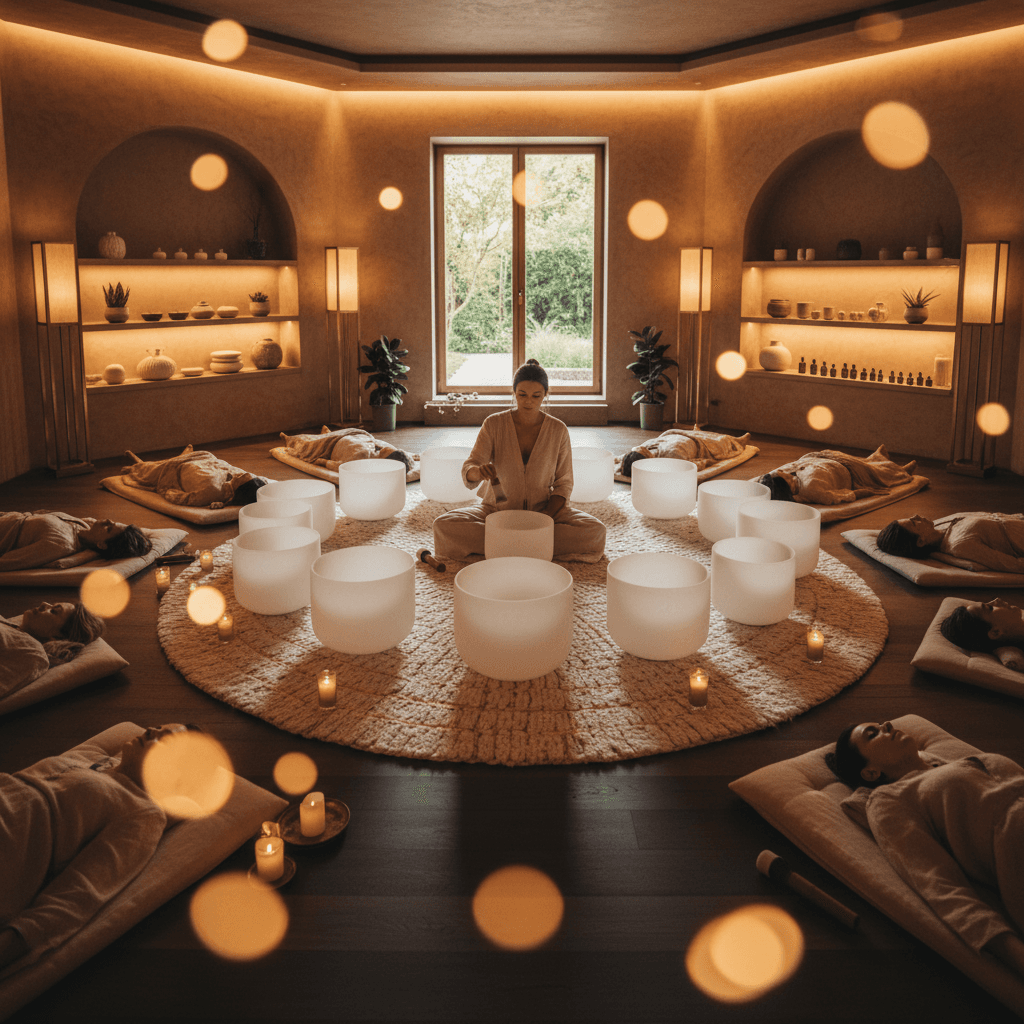
Stepping into a sound wellness session, especially one featuring the Celtic harp, is an immersive experience that transports you beyond the everyday. It is a journey into ancient soundscapes, where the instrument itself acts as a conduit for centuries of tradition and healing wisdom. The practice connects the scientific understanding of sound's effects with the profound, intuitive experience of listening.
Sensory Immersion and Deep Relaxation
Imagine the gentle plucking of strings, each note cascading into the next, creating an ethereal and resonant sound field that envelops you. The distinctive tones of the Celtic harp, often described as luminous and grounding, invite a deep sense of peace. Unlike synthetic sounds, the natural timbres and rich overtones of traditional string instruments like the harp are often perceived as more relaxing and authentic, resonating deeply with our innate connection to natural harmony.
The vibrational patterns generated by the harp's intentional sequencing of tones and rhythms are believed to influence the body’s subtle energies, promoting a state of profound calm. This deep relaxation can lessen pain perception, boost immune response, and decrease stress hormones like cortisol. The experience is often described as feeling weightless, as if the sounds are gently massaging the nervous system.
Echoes of Ancient Healing Rituals
Beyond the harp, ancient Celtic cultures incorporated a powerful array of sound rituals into their spiritual and communal lives. Ceremonial horns, known as carnyx, with their haunting calls, combined with the deep, steady rhythms of hide-covered bodhrán drums, crafted from oak and deer hide, created sacred soundscapes. These powerful vibrations were believed to induce trance-like states during important ceremonies and seasonal celebrations, fostering connections with the spiritual world and promoting physical and spiritual balance.
Celtic vocal traditions, including overtone chanting and the recitation of sacred verses by druids, further contributed to these transformative practices. These specific tones were thought to reveal magical forces and to heal both body and spirit. While modern sound wellness does not seek to replicate these rituals precisely, it draws inspiration from the long tradition of using sound for intentional shifts in consciousness and wellbeing, harnessing the innate power of vibration for contemporary needs.
Live Music: A Unique Vibrational Presence
The distinction between live and recorded music in therapeutic settings is significant. Live music offers an immediate, dynamic, and unmediated vibrational presence that recordings cannot fully replicate. As noted in several studies, including those on therapeutic harp music, the direct transmission of vibrations from a live instrument can be uniquely effective in promoting physiological changes. The energy exchanged between the musician and the listener adds another layer of therapeutic resonance.
The Soothing Harp research, for example, documented that participants receiving live therapeutic music reported significant improvements in emotional state, reduction in stress and anxiety, and an overall pleasurable experience. This underlines the profound impact that the living, breathing sound of an instrument like the Celtic harp can have, making it a powerful tool for those seeking a tangible sense of calm and restoration.
The Soul Art Approach: Larissa Steinbach's Vision
At Soul Art Dubai, we believe in harmonising ancient wisdom with contemporary scientific understanding to create truly transformative wellness experiences. Larissa Steinbach, our founder, is deeply committed to curating a space where these powerful traditions can flourish, offering pathways to profound relaxation and inner peace for our discerning clientele. Our approach to Celtic sound traditions is rooted in authenticity and a deep respect for the instrument's heritage.
Larissa Steinbach envisions Soul Art as a sanctuary where the "quiet luxury" of deeply resonant sound can restore and rebalance the individual. The Celtic harp serves as a cornerstone of our sound wellness offerings, not just for its beautiful aesthetic, but for its scientifically-supported capacity to facilitate deep relaxation and stress reduction. Each session is carefully designed to leverage the harp's unique overtones and vibrational patterns, guiding clients into a restorative state.
Our skilled practitioners, trained in the art of therapeutic harp, use intentional sequencing of tones and rhythms to influence the body's vibrational patterns. This method may support a reduction in cortisol levels, regulation of heart rate, and an overall enhancement of mood. We understand that cultural context and personal preference matter, which is why the rich, natural sounds of traditional instruments are central to the Soul Art experience, creating an environment that feels both ancient and deeply personal.
Soul Art’s method is unique because it integrates the rich tapestry of Celtic music history with a modern understanding of neuroscience and physiology. We create bespoke sound journeys that are not merely passive listening experiences, but active engagements with vibrational healing. This holistic wellness practice focuses on creating a profound sense of calm and mental clarity, allowing clients to tap into their own innate capacity for self-regulation and healing.
Your Next Steps: Embracing Sound for Wellbeing
The journey to inner harmony is a continuous one, and incorporating the power of sound can be a profoundly effective step. Whether you are new to sound wellness or seeking to deepen your practice, there are accessible ways to integrate these ancient traditions into your modern life. At Soul Art Dubai, we are dedicated to providing experiences that resonate deeply and support your overall wellbeing.
Here are a few actionable steps you can take today:
- Explore Curated Soundscapes: Begin by seeking out high-quality recordings of Celtic harp music designed for relaxation and meditation. Allow the gentle frequencies to wash over you, noticing how your body and mind respond.
- Practice Mindful Listening: During your sound experience, focus intently on the different textures and overtones of the music. This mindful engagement can enhance the meditative benefits and help shift your brainwaves to calmer states.
- Learn About the Vibrational Impact: Educate yourself further on how sound affects physiological markers like heart rate and cortisol. Understanding the science can deepen your appreciation for sound as a powerful wellness tool.
- Engage with Live Sound: Whenever possible, seek out opportunities to experience live therapeutic music. The unique vibrational presence of a live instrument, especially a Celtic harp, offers a distinct and often more impactful experience.
- Consider a Professional Sound Wellness Session: For a truly immersive and guided experience, consider booking a session with a qualified sound wellness practitioner. At Soul Art Dubai, our sessions are crafted to provide a serene environment for deep relaxation and holistic rejuvenation.
In Summary: The Harp's Enduring Legacy
From the ancient bards of Celtic lands to the serene studios of modern Dubai, the harp’s resonant magic as a tool for healing and wellbeing has endured. Scientific research now increasingly validates what tradition has long known: the unique vibrational qualities of the Celtic harp can profoundly reduce stress, regulate physiological functions, and enhance mood. This complementary approach offers a powerful pathway to deep relaxation and holistic wellness.
At Soul Art Dubai, Larissa Steinbach and her team honour this rich legacy, integrating the ethereal chords of the Celtic harp into carefully curated sound wellness experiences. We invite you to discover the transformative power of these ancient traditions, allowing the gentle yet profound frequencies to guide you towards a state of harmonious balance.
Bookings Coming Soon
Soul Art is still in preparation. Session details and booking will be published here after launch.
Coming Soon
Wellness Disclaimer: This article is for educational and informational purposes only. It does not constitute medical advice, diagnosis, or treatment. Soul Art Dubai provides non-medical wellness experiences focused on relaxation, stress management, and general wellbeing. Sound wellness is a complementary practice and should not replace professional medical care.
Related Articles
Maori Poi & Sound: Pacific Traditions for Modern Well-being
Swedish Nyckelharpa: The Science of Nordic String Healing
Apollo's Ancient Echoes: Sound Healing & Holistic Wellness