Sound Wellness: Essential Support for Dementia Caregivers
Key Insights
Discover how sound healing, championed by Larissa Steinbach at Soul Art Dubai, offers vital stress relief and holistic support for dementia family caregivers.
The journey of caring for a loved one with dementia is profound, marked by unwavering love yet often accompanied by immense emotional, physical, and mental strain. Did you know that family caregivers of individuals with dementia frequently report higher levels of stress and burden compared to other caregiving roles? This silent struggle impacts millions globally, underscoring a critical need for accessible, effective support systems.
At Soul Art, Dubai's premier sound wellness studio, we understand these unique challenges deeply. Our founder, Larissa Steinbach, has dedicated her practice to exploring complementary wellness modalities that empower individuals to find solace and strength amidst life's most demanding circumstances. This article will delve into the scientifically-grounded benefits of sound healing, not as a medical treatment for dementia itself, but as a vital self-care and stress management tool for the courageous caregivers who navigate this complex journey daily.
We will explore how specific sound frequencies and musical interventions may support neurological well-being and emotional regulation. More importantly, we'll illuminate how these practices offer a much-needed sanctuary for caregivers, helping to alleviate anxiety, improve communication, and restore a sense of inner peace. This holistic approach to wellness is designed to nurture the nurturers, ensuring they have the resilience to continue their invaluable work.
The Science Explained: How Sound Resonates with Our Well-being
The intricate relationship between sound, music, and human physiology is a fascinating field of study. Our brains are constantly interacting with the world through sensory input, and sound is a powerful conduit that can profoundly influence our mood, memory, and overall cognitive function. For both individuals living with dementia and their dedicated caregivers, understanding these mechanisms can unlock new avenues for support and relaxation.
Emerging research highlights the potential of specific sound and light interventions to influence brain activity, particularly in the context of neurodegenerative conditions. While still in preliminary stages, these findings offer intriguing insights into how structured auditory experiences might support brain health and emotional balance. This isn't about claiming cures, but about appreciating the nuanced ways sound can interact with our brain's natural rhythms.
Understanding Brain Waves and Gamma Stimulation
Our brains operate through complex networks of approximately 86 billion neurons, which communicate via brief electrical pulses. When many neurons fire in sync, these pulses create systematic patterns known as brain waves. These brain waves vary in frequency and are associated with different states of consciousness and cognitive functions, from deep sleep to intense focus.
One particular frequency, the 40Hz gamma frequency, has garnered significant attention in Alzheimer's research. Studies at institutions like MIT are exploring experimental approaches that use specific light and sound stimulation to alter patients' brain waves, specifically aiming to increase the power and synchrony of these 40Hz gamma waves. Preliminary findings from small human trials suggest that this novel treatment may be a safe approach to boost memory and potentially prevent certain brain abnormalities associated with Alzheimer's disease. While efficacy requires much larger trials, the initial results are intriguing, indicating some neurological and cognitive improvements in participants.
These investigations have shown that such sensory stimulation may help preserve neurons and their network connections, and in some animal studies, even reduce Alzheimer's proteins like amyloid and tau. For caregivers, understanding this deep connection between sound and brain activity can provide context for why structured sound experiences might offer a profound sense of calm and mental clarity. It underscores the potential for sound to engage our innate physiological processes in a supportive way, promoting a balanced and resilient nervous system.
The Power of Music on the Brain
Beyond specific frequencies, the structured art form of music offers a rich tapestry of therapeutic benefits. Music is uniquely capable of evoking emotions and memories, bypassing cognitive impairments that may affect verbal communication. This makes musical intervention a powerful tool, not just for the person with dementia, but equally for their caregivers.
Dr. Borna Bonakdarpour, a physician-musician at Northwestern Medicine, combines his love for music with research on its effects on the dementia brain. His studies have revealed that musical interventions can significantly improve agitation and anxiety in both the patient and their caregiver. Moreover, social communication between pairs often improves, manifesting in both verbal and nonverbal ways, such as enhanced eye contact and shared moments of connection. This stands in stark contrast to control groups where communication tended to worsen without musical engagement.
"Caregivers find the person lost to them in the context of music."
Dr. Bonakdarpour emphasizes that music can serve as a "bridge," activating intact areas and networks in the brain to support areas that are not functioning optimally. For instance, the act of singing can facilitate better communication through language, while the rhythmic nature of music may even help individuals with gait and walking. These benefits extend directly to caregivers, providing moments of shared joy and connection, and reducing the stress that often accompanies communication difficulties. Music creates an accessible pathway for emotional expression and bonding, fostering a sense of togetherness that can be incredibly restorative.
The Caregiver's Brain: Stress and Resilience
The relentless demands of caregiving for someone with dementia can lead to chronic stress, burnout, and a decline in the caregiver's own health and well-being. Caregivers often experience high levels of stress and burden, yet many are reluctant or lack the knowledge to fully utilize available support services. This highlights the urgent need for accessible, everyday strategies that can help regulate mood and reduce the impact of stress.
Sound wellness practices, including music listening and guided sound meditations, offer a potent antidote to this pervasive stress. The brain’s response to harmonious sounds can trigger the parasympathetic nervous system, promoting relaxation and reducing the "fight-or-flight" response. This physiological shift is crucial for caregivers, helping to lower anxiety, improve sleep quality, and enhance emotional resilience.
Research indicates that both individuals with a dementia diagnosis and their caregivers already use music and music technologies to support their daily care needs and regulate mood. This natural inclination confirms the intuitive understanding of music's power. Sound-based interventions, whether through active music engagement or passive listening, can create moments of peace and mental clarity. This allows caregivers to momentarily step away from their demanding roles and recharge, fostering a greater capacity for patience and empathy.
Furthermore, systematic reviews and meta-analyses consistently support the effectiveness of music-based interventions in enhancing cognitive functions in patients with dementia and reducing behavioral and psychological symptoms like anxiety. When the person receiving care experiences more calm and less agitation, the caregiver’s burden is naturally alleviated, creating a more harmonious environment for both. This symbiotic relationship underscores the profound impact of sound on the entire care ecosystem, promoting a sense of shared well-being.
How It Works in Practice: The Experience of Sound Wellness
Transitioning from the scientific understanding to the practical experience of sound wellness reveals a deeply personal and often transformative journey. Sound healing is not merely about listening to pleasant melodies; it involves an immersive, vibrational experience designed to recalibrate the nervous system and foster profound relaxation. For dementia caregivers, these sessions offer a dedicated space for self-care, a precious commodity that is often overlooked.
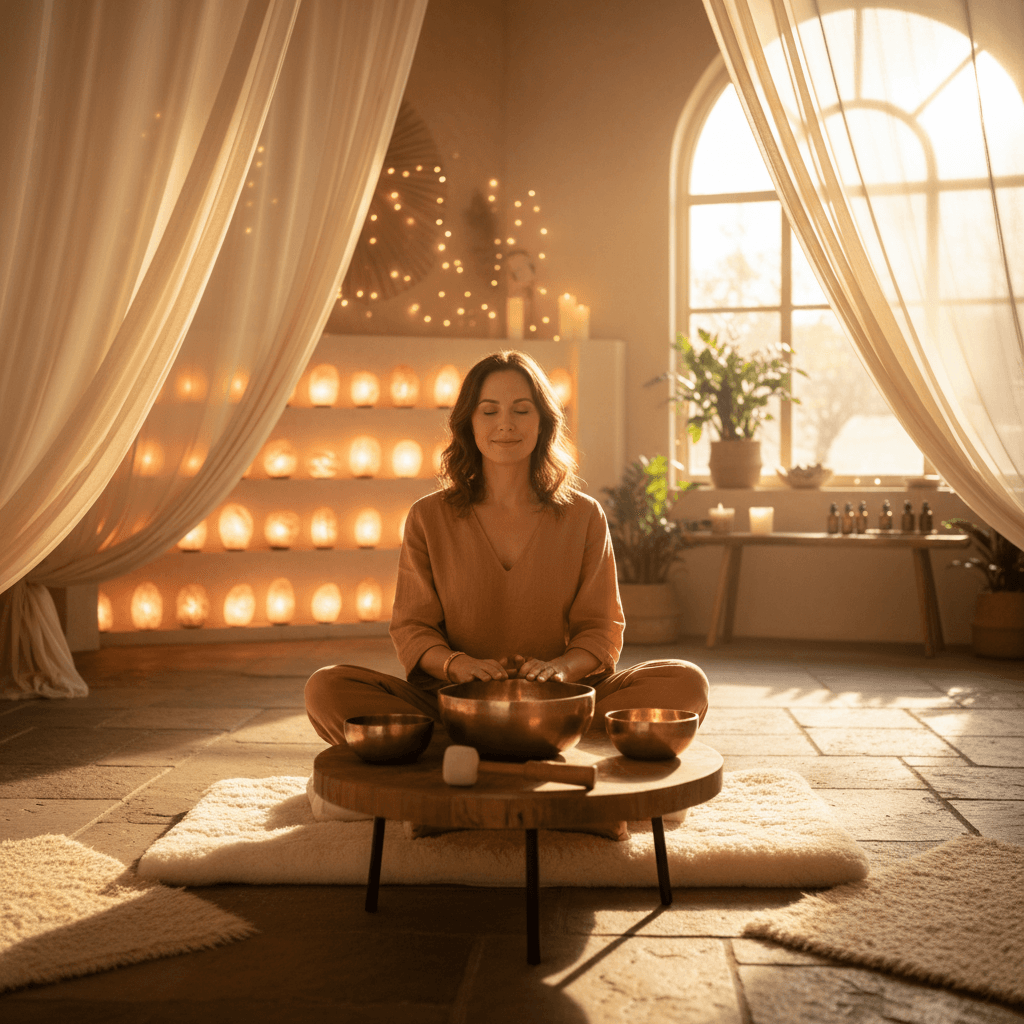
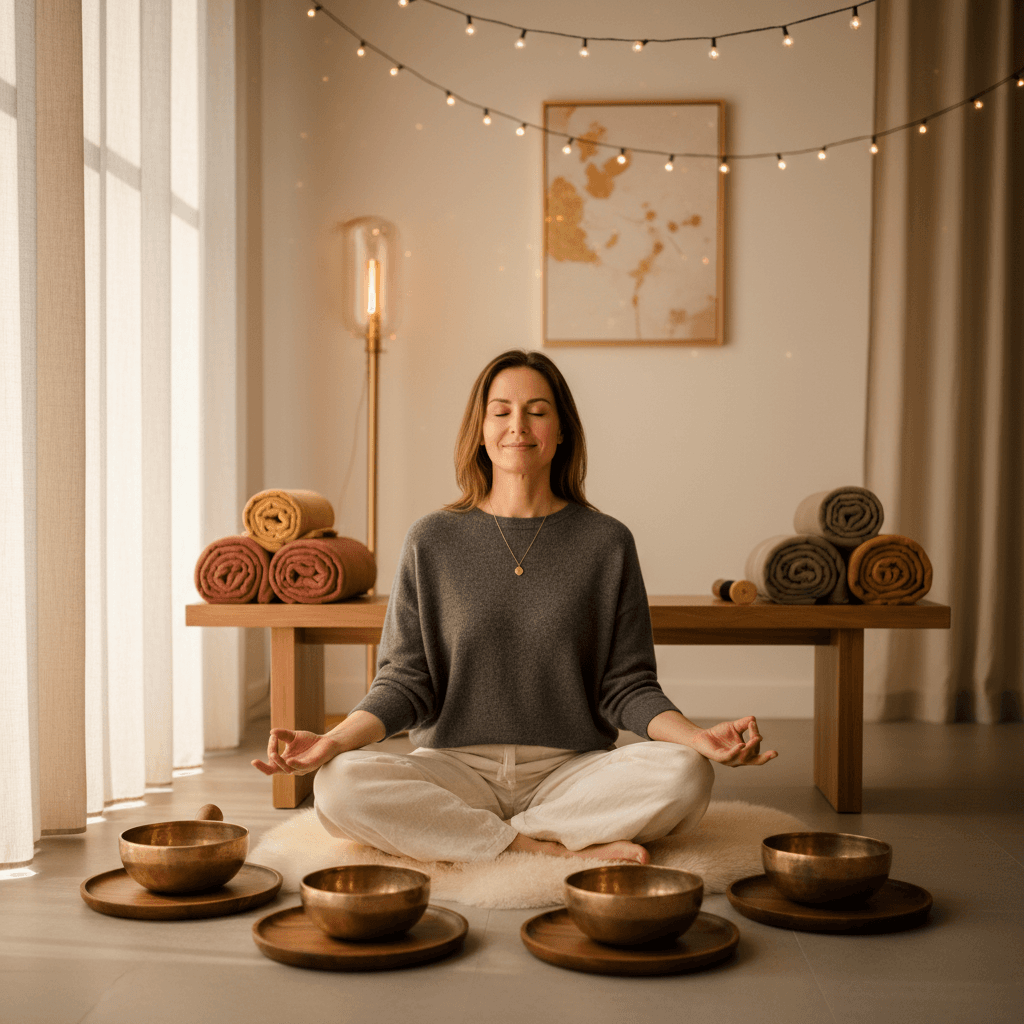
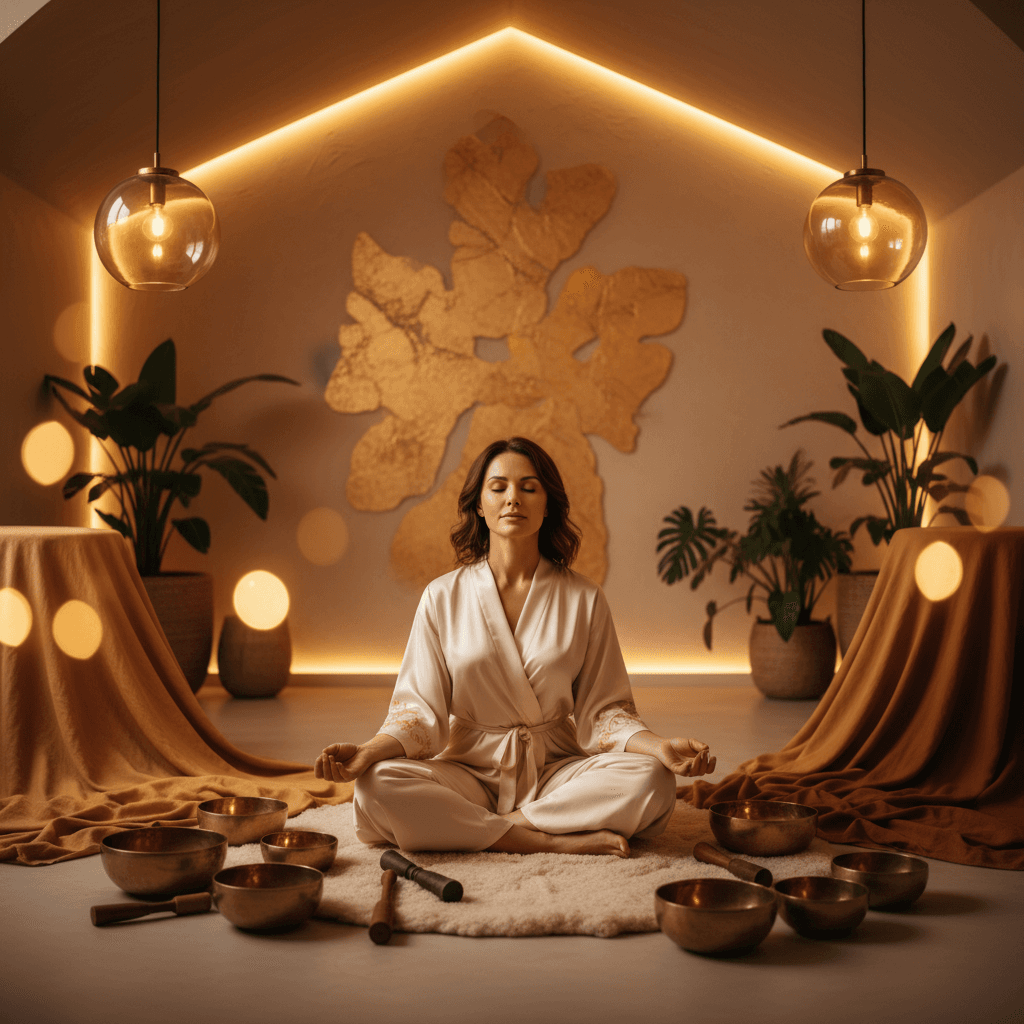
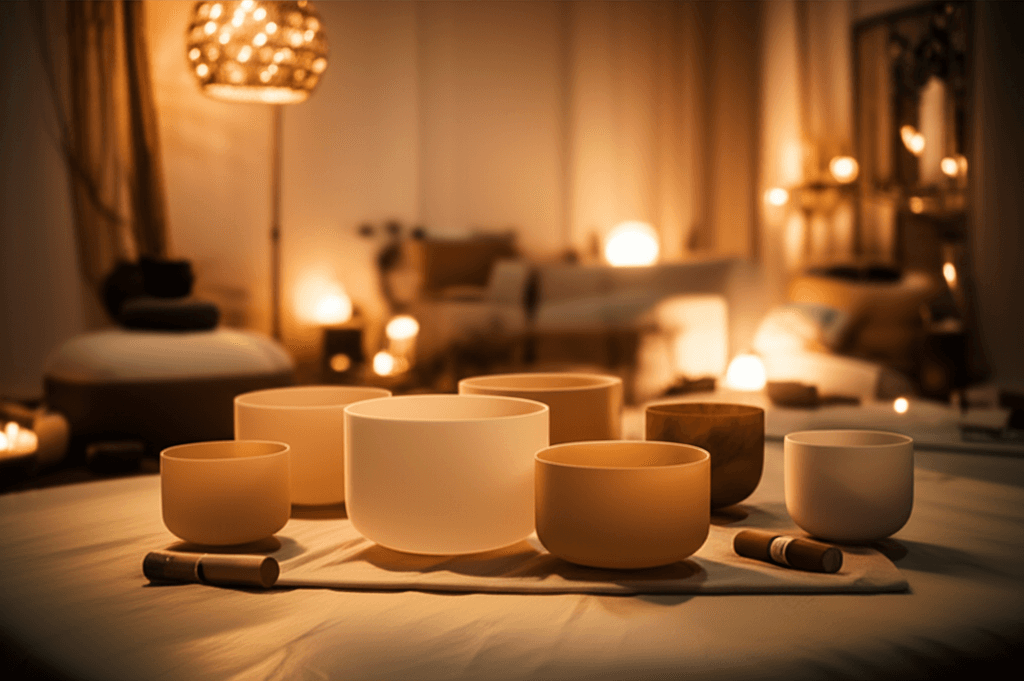
Imagine stepping into a serene environment, where soft lighting and comforting aromas prepare you for an inner journey. As you recline comfortably, the session begins with the gentle resonance of various instruments. These are not passive experiences; they are carefully orchestrated soundscapes designed to guide your mind and body into a state of deep calm. The intention is to create a multi-sensory experience that encourages release and renewal.
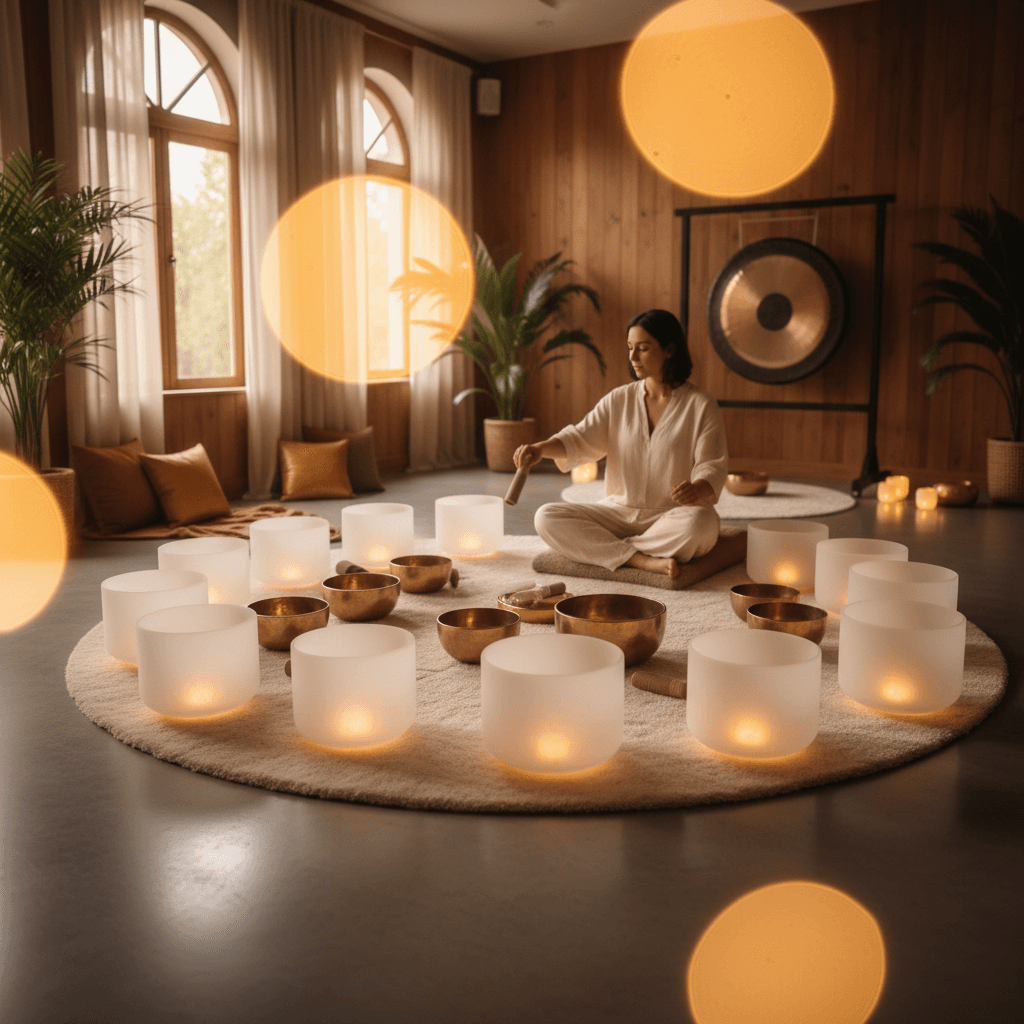
Clients often describe a feeling of gentle immersion, where the sounds wash over them, easing tension in the body and quieting the incessant chatter of the mind. The rich, sustained tones of crystal singing bowls create vibrational frequencies that resonate deeply within the body's cells. These vibrations may help to release physical blockages and promote a sense of energetic flow. The sound of gongs, with their expansive and complex overtones, can facilitate a profound meditative state, often leading to insights and emotional release.
Tuning forks, applied gently to specific points on the body, introduce precise frequencies that may encourage cellular relaxation and energetic balance. The subtle yet powerful vibrations are thought to influence the body’s innate healing processes, promoting a feeling of grounding and rejuvenation. The combination of these instruments creates a symphonic tapestry of sound that bypasses the analytical mind, allowing for a direct experience of peace.
For caregivers, this practice offers an invaluable opportunity to temporarily disconnect from the demands of their role. It’s a chance to process emotions, reduce accumulated stress, and restore vital energy reserves. Many report feeling a sense of clarity and renewed vigor after a session, better equipped to face their daily responsibilities with greater patience and presence. The sensory details of a sound bath – the deep hum, the gentle reverberations, the soothing echoes – contribute to an experience that is both unique and deeply restorative, a true gift of self-compassion.
The Soul Art Approach: Nurturing the Caregiver's Soul
At Soul Art, Larissa Steinbach and her team are acutely aware of the unique pressures faced by dementia caregivers. Our approach to sound wellness is not just about relaxation; it's about providing a profound, evidence-informed sanctuary where caregivers can find strength, clarity, and emotional resilience. We combine scientific understanding with compassionate guidance, creating a bespoke experience tailored to the individual's needs.
What makes the Soul Art method truly unique is its holistic integration of ancient sound wisdom with contemporary neuroscientific insights. Larissa Steinbach’s philosophy centers on the belief that by nurturing the caregiver, we indirectly enhance the well-being of the entire family unit. We understand that a caregiver's restored nervous system translates to greater patience, improved mood, and a more positive environment for their loved one.
Our studio in Dubai provides a tranquil, luxurious space designed to facilitate deep relaxation and introspection. We utilize a curated collection of high-quality, ethically sourced instruments, including:
- Alchemy Crystal Singing Bowls: Made from pure quartz crystal, these bowls produce pure, resonant tones and powerful vibrations that penetrate deeply into the body, promoting cellular harmony and profound relaxation.
- Symphonic Gongs: The complex overtones and vast soundscapes created by our gongs facilitate altered states of consciousness, allowing for deep release of stress and emotional blockages.
- Therapeutic Tuning Forks: Precisely calibrated tuning forks are used to introduce specific frequencies, gently applied to the body or held in the energetic field, to rebalance the nervous system and promote energetic alignment.
- Ocean Drums and Chimes: These ethereal instruments add layers of soothing, natural sounds, enhancing the immersive experience and guiding the mind into a state of peaceful calm.
Larissa Steinbach personally oversees the development of our signature sound journeys, ensuring that each session is crafted with intention and expertise. Our focus extends beyond merely creating beautiful sounds; we aim to activate the body's natural self-healing mechanisms and down-regulate the sympathetic nervous system. This mindful application of sound supports the release of tension, reduces anxiety, and encourages a state of deep, restorative rest for exhausted caregivers. The Soul Art method empowers caregivers to rediscover their inner peace, fostering a renewed capacity for compassion and joy.
Your Next Steps: Embracing Sound for Caregiver Well-being
Prioritizing your well-being as a dementia caregiver is not a luxury; it is an absolute necessity. Integrating complementary wellness practices like sound healing into your routine can offer invaluable support, helping you navigate the emotional and physical demands with greater resilience. Here are some actionable steps you can take today to embrace the power of sound:
- Incorporate Music into Daily Routines: Create playlists of soothing, familiar music for both yourself and your loved one. Music can regulate mood, reduce agitation, and foster shared moments of connection. This simple act can transform the atmosphere of your home.
- Create a Sacred Listening Space: Designate a quiet corner where you can listen to calming music or nature sounds for just 10-15 minutes each day. Use headphones for an immersive experience, allowing yourself this dedicated time to decompress.
- Explore Guided Sound Meditations: Many free and paid resources offer guided sound meditations. These can be powerful tools for stress reduction, helping you focus your attention and quiet a busy mind, even for short periods.
- Connect with Supportive Communities: Seek out online or local support groups for dementia caregivers. Sharing experiences and learning from others who understand your journey can provide immense emotional relief and practical advice.
- Prioritize Professional Sound Wellness Sessions: Consider booking a session with a qualified sound wellness practitioner, such as those at Soul Art. A professionally guided sound bath offers a deeply immersive and restorative experience that can significantly reduce stress and replenish your energy reserves.
Remember, taking care of yourself allows you to better care for your loved one. These strategies are designed to be accessible and integrated into your life, offering consistent opportunities for self-care and emotional nourishment. Embracing sound wellness is an investment in your own enduring strength and peace.
In Summary
The demanding yet deeply rewarding role of a dementia caregiver requires an extraordinary level of dedication and self-sacrifice. As we've explored, the scientific foundations of sound and music reveal their profound capacity to influence our brain waves, emotions, and overall well-being. From the promising research on gamma stimulation to the proven efficacy of music in reducing agitation and improving communication for both individuals with dementia and their caregivers, sound offers a unique pathway to support.
At Soul Art, Larissa Steinbach and her team provide a sanctuary for caregivers to experience this transformative power directly. Through expertly guided sound journeys utilizing a range of exquisite instruments, we offer a complementary approach to stress management, emotional regulation, and deep relaxation. We believe that by nurturing the caregiver's soul, we empower them with renewed strength and peace. Embrace the frequency of well-being and allow sound to be your guide on this challenging yet meaningful journey.
Bookings Coming Soon
Soul Art is still in preparation. Session details and booking will be published here after launch.
Coming Soon
Wellness Disclaimer: This article is for educational and informational purposes only. It does not constitute medical advice, diagnosis, or treatment. Soul Art Dubai provides non-medical wellness experiences focused on relaxation, stress management, and general wellbeing. Sound wellness is a complementary practice and should not replace professional medical care.