Sound Wellness for Mental Recovery After Career-Ending Injury

Key Insights
Explore how sound wellness supports mental recovery for athletes facing career-ending injuries. Discover Soul Art's approach with Larissa Steinbach.
The Unexpected Silence: Navigating Mental Recovery from Career-Ending Injuries
Imagine a life defined by relentless training, the roar of the crowd, and the pursuit of peak physical performance. Now, imagine that abruptly silenced by a single, catastrophic moment: a career-ending injury. For athletes and other professionals whose identities are intricately woven into their physical capabilities, this experience extends far beyond physical pain; it ignites a profound mental and emotional crisis.
This article explores the deep psychological ramifications of career-ending injuries and illuminates how the transformative power of sound wellness, as practiced at Soul Art by founder Larissa Steinbach, can provide a vital pathway to mental recovery and a renewed sense of self. We will delve into the scientific underpinnings of sound's impact on the brain and body, offering a complementary approach to navigate this challenging transition. Understanding the mind-body connection in injury recovery is crucial for holistic well-being.
At Soul Art, we believe in nurturing the entire being, recognizing that true healing encompasses mental, emotional, and spiritual dimensions alongside the physical. Our scientifically-grounded approach aims to support individuals in finding calm amidst chaos, fostering resilience, and rebuilding their inner landscape after such a significant life disruption. Join us as we uncover how specific frequencies and vibrations can gently guide you back to equilibrium.
The Science Explained: Unpacking the Mental Toll and Sound's Healing Frequencies
A career-ending injury is not merely a physical setback; it is an existential crisis that fundamentally challenges an individual's identity, purpose, and future trajectory. The transition from a life dominated by specific goals and routines to an uncertain path can be incredibly disorienting and emotionally taxing. Understanding these complex psychological dynamics is the first step toward effective mental recovery.
The Profound Psychological Impact of Career-Ending Injuries
Research consistently highlights the severe mental health consequences associated with career-ending injuries, differentiating them significantly from injuries where a return to play is possible. Individuals who experience these definitive exits from their profession often face a much harder time dealing with their injury and their unexpected departure. For instance, a qualitative study by Kleiber et al. (1992) found that the sole predictor of life satisfaction in the years following departure from formal sport participation was whether one had sustained a career-ending injury. This underscores the enduring psychological shadow cast by such events.
The severity of the injury often correlates directly with the degree of its psychological impact. Smith et al. (1990) concluded that the most significant predictor of post-injury depression was the injury's severity. This suggests that the more devastating the physical blow, the deeper the potential emotional plunge. Furthermore, Chan & Grossman (1988) found that injured athletes often exhibit lower self-esteem and a diminished global self-concept, which can be particularly acute for those whose career defines a significant part of their self-worth.
Beyond depression and self-esteem issues, athletes experiencing career-ending injuries are at heightened risk for a spectrum of mental health challenges, including clinical anxiety, disordered eating, and even suicidal ideation (PMC - NIH source). The sudden loss of their sporting realm can lead to feelings of purposelessness, isolation, and a profound struggle with identity reconstruction (Moore et al., 2022). These unforeseen retirements challenge not only physical well-being but also mental and social health, necessitating comprehensive support systems.
The Critical Mind-Body Connection in Recovery
The psychological state of an injured individual is not merely a byproduct of physical trauma; it actively influences the rehabilitation process. Extensive research confirms that mental rehabilitation is equally as important as physical rehabilitation for successful recovery (UCSB source). Chronic stress and unresolved mental trauma can impede the body's ability to properly recover, making individuals more susceptible to re-injury and underperformance even in less strenuous tasks.
Negative self-talk, often prevalent among individuals whose careers are linked to physical prowess, can significantly slow healing. Levaleva and Orlick (1991, 1993) demonstrated that positive phrases correlate with faster healing, while negative self-statements like "what a useless body" or "it will never be as strong again" correlated with much slower recovery. This highlights how deeply entwined our thoughts and emotions are with our physical capacity to heal and adapt. Addressing an athlete's mental state more generally is therefore crucial during the entire recovery process.
The Neuroscience of Sound for Mental Well-being
Sound wellness practices offer a powerful, non-invasive method to address the psychological dimensions of recovery by directly influencing the autonomic nervous system. When an individual experiences injury, sensory information is processed by the thalamus, its emotional importance evaluated by the amygdala, leading to the hypothalamus triggering stress hormones and a "survival response." This process can leave the subcortical brain highly active, contributing to dysregulation behaviors (Van Der Kolk, 2014, cited in Applied Sport Psych blog).
Auditory stimulation, however, has a direct neurological connection to autonomic nervous system regulation. Specific frequencies and rhythmic auditory stimuli can help retrain the central nervous system to shift from a dominant sympathetic (fight, flight, freeze) response to a more parasympathetic (rest and digest) state (Porges, 2011). This shift is vital for reducing injury-related anxiety, trauma symptoms, and general mental distress.
- Nervous System Regulation: Sound's direct influence on the vagus nerve helps modulate heart rate, breathing, and muscle tension, fostering a sense of calm and safety. This allows the prefrontal cortex, the logical center of the brain, to regain control and process emotions more effectively.
- Stress Hormone Reduction: Engaging with calming soundscapes can help lower cortisol levels, the primary stress hormone, thereby mitigating the physiological impact of chronic stress that impedes physical and mental recovery.
- Brainwave Entrainment: Different sound frequencies can guide brainwave patterns toward states associated with deep relaxation (alpha and theta waves), promoting mental quietude and facilitating emotional processing.
Sound's Role in Cognitive and Emotional Restoration
Beyond general relaxation, acoustic stimulation has shown promising results in addressing specific cognitive and emotional challenges that arise post-injury, particularly after brain trauma like concussions. A recent study by Cole et al. (2024) highlighted acoustic stimulation's potential in reducing post-concussive symptoms (PCS), including headaches, difficulty concentrating, and emotional instability. Participants experienced a notable reduction in severity compared to control groups, alongside improved cognitive function, which can impact memory and attention.
The transformative power of sound extends to broader mental health markers. A comprehensive study published in the 2016 Journal of Evidence-based Complementary and Alternative Medicine demonstrated that Tibetan singing bowl meditation led to dramatic improvements in mood, anxiety, pain, and spiritual well-being. This suggests that structured sound experiences can foster emotional enrichment and concentration, which are often compromised during periods of profound psychological distress (2013 International Journal of Psychosocial Rehabilitation).
"When every part of the body is in tune, the music is harmonious and sweet. If one or more instrument is out of tune, the result is dissonance. In the body, such dissonance and disorder can feel like stress, anxiety, depression, or even physical pain." – Simon Heather
This analogy beautifully illustrates the principle behind sound wellness: restoring energetic and vibrational harmony within the body. While traditional music therapy has been used for trauma recovery, sound healing focuses specifically on the vibrational effects of sounds and rhythms, resonating with the body's cellular structure to alleviate dissonance and promote profound well-being.
How It Works in Practice: The Sensory Journey of Sound Wellness
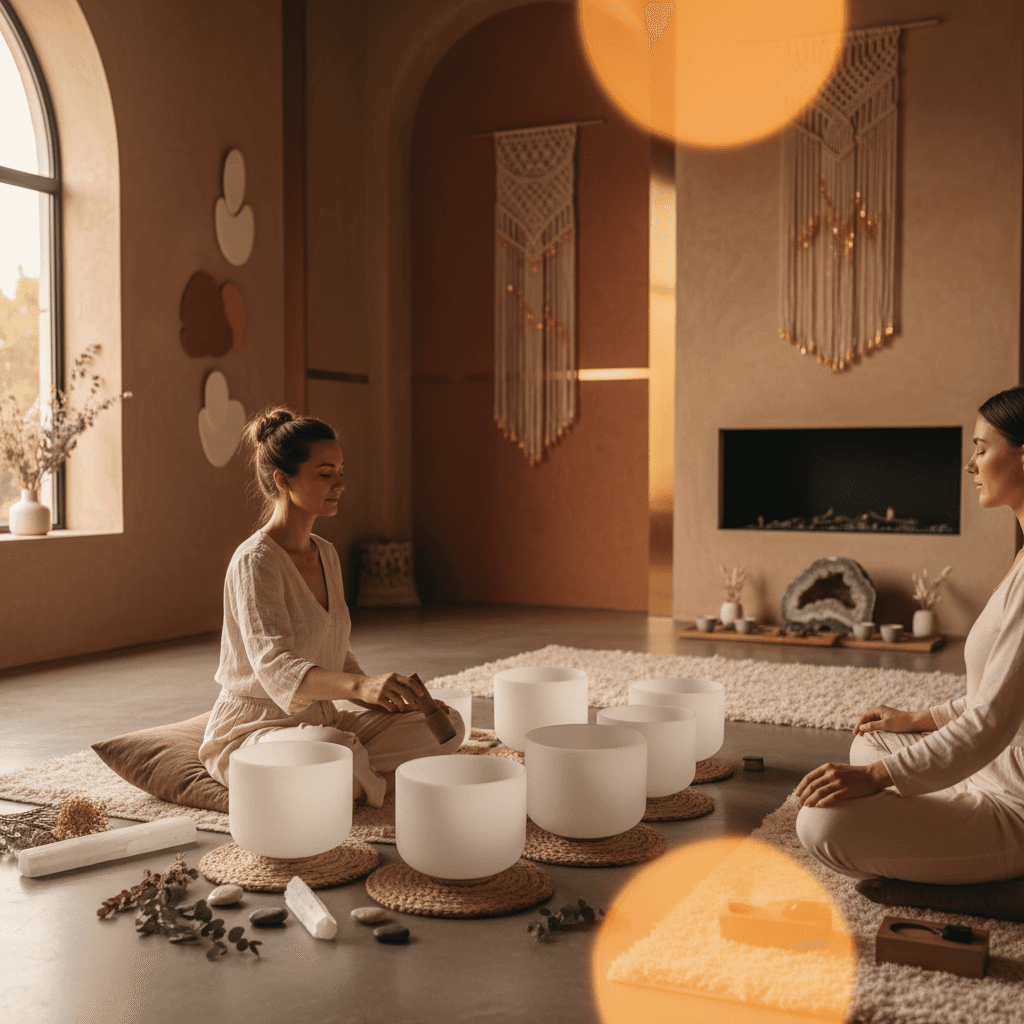
Stepping into a sound wellness session is an immersive experience designed to gently guide your nervous system into a state of deep relaxation and receptivity. Unlike conventional talk therapy, sound wellness bypasses the analytical mind, directly addressing the body's energetic and physiological states through vibrational stimuli. This allows for a unique form of release and healing, particularly beneficial for those overwhelmed by cognitive rumination post-injury.
As you recline in a comfortable space, surrounded by an array of instruments such as Himalayan singing bowls, crystal singing bowls, gongs, chimes, and tuning forks, the journey begins. The practitioner skillfully plays these instruments, creating a symphony of therapeutic frequencies and resonant vibrations that envelop your entire being. You don't just hear the sounds; you feel them coursing through your body, a gentle yet profound internal massage.
The brain naturally responds to these external rhythms through a phenomenon called entrainment, where its electrical activity synchronizes with the sound frequencies. This process can gently shift your brainwaves from the active, analytical beta state to calmer alpha and theta states, akin to those experienced during meditation or deep sleep. In these states, the body’s innate healing mechanisms are encouraged, and a sense of peace often replaces anxiety and tension.
Clients often describe a range of sensations: deep physical relaxation, a floating feeling, heightened awareness, or a profound emotional release. The vibrations may help to untangle knots of stored tension, both physical and emotional, allowing for a deep reset of the nervous system. For individuals grappling with the trauma of a career-ending injury, this embodied experience offers a safe harbor, providing a respite from mental distress and fostering a renewed connection to their inner strength and resilience. It's a journey back to a calmer baseline, promoting emotional processing and a deeper sense of presence in the moment.
The Soul Art Approach: Larissa Steinbach's Unique Vision for Healing
At Soul Art, Dubai's premier sound wellness studio, founder Larissa Steinbach has cultivated an environment dedicated to holistic well-being and profound personal transformation. Her approach to sound wellness is meticulously crafted, combining deep scientific understanding with an intuitive, empathetic connection to each individual's journey. This unique methodology is particularly effective for those seeking solace and mental recovery after significant life events like a career-ending injury.
Larissa's philosophy centers on the understanding that true healing originates from within, and sound serves as a powerful conduit to unlock that inherent capacity. She curates each session with intention, selecting specific instruments and frequencies tailored to the client's needs, whether they seek relief from chronic stress, emotional distress, or a path to rebuild self-concept. The studio itself is designed as a sanctuary, offering a luxurious yet tranquil space where clients feel safe to release, reset, and reconnect.
What makes the Soul Art method distinct is its integration of various sonic modalities, performed with precision and heart. This includes the resonant tones of ethically sourced Himalayan singing bowls, the deep, transformative vibrations of large gongs, the delicate chime of koshi bells, and the targeted application of tuning forks. Larissa understands that different frequencies impact the body and mind in unique ways, and she expertly weaves these elements into a cohesive and deeply therapeutic experience.
- Personalized Sound Journeys: Every session with Larissa is a bespoke experience, adapting to the individual's specific emotional and physical landscape. She listens attentively to your narrative, understanding the nuanced impact of your injury, and then crafts a soundscape to support your unique mental recovery journey.
- Emphasis on Nervous System Regulation: Larissa's core focus is on guiding the nervous system back to a state of balance. By creating an environment of profound relaxation, she helps clients move out of fight-or-flight responses and into restorative parasympathetic states, which are crucial for mental and physical healing.
- Creating a Safe Container: The space at Soul Art, under Larissa's compassionate guidance, becomes a haven where vulnerability is embraced. This sense of security is vital for individuals grappling with trauma and loss, allowing them to process emotions gently and without judgment.
- Integration with Holistic Practices: While sound is the primary modality, Larissa often incorporates elements of mindfulness and gentle breathwork, enhancing the overall efficacy of the session and empowering clients with tools for ongoing self-care.
Larissa Steinbach's dedication to creating transformative sound experiences at Soul Art offers a beacon of hope and a profound resource for those navigating the challenging terrain of mental recovery after a career-ending injury. Her blend of scientific rigor and heartfelt intuition provides a unique path to rediscovering inner harmony and resilience.
Your Next Steps: Embracing Sound for Mental Resilience
Navigating the aftermath of a career-ending injury is a marathon, not a sprint, and your mental well-being is paramount. Incorporating complementary practices like sound wellness can significantly support your journey toward inner peace and resilience. Here are a few actionable steps you can take today to begin integrating the power of sound into your recovery process:
- Mindful Listening: Start by simply listening to calming, ambient music or nature sounds for 10-15 minutes daily. Pay attention to how these sounds make you feel, noting any shifts in your mood or body tension. This simple practice can begin to re-train your nervous system for relaxation.
- Explore Guided Meditations with Sound: Many apps and online platforms offer guided meditations specifically incorporating sound bowls, gongs, or gentle music. These can provide a structured way to experience the benefits of sound, even from the comfort of your home.
- Prioritize Rest and Self-Compassion: Recognize that healing is not linear, and it's okay to have challenging days. Integrate intentional rest periods into your routine and practice self-compassion, acknowledging the immense psychological toll you have experienced. Remember that negative self-talk can impede recovery.
- Seek Professional Sound Wellness Sessions: Consider booking a session with a qualified sound wellness practitioner. A skilled guide can create a tailored experience, using specific instruments and frequencies to address your unique needs and help facilitate deep nervous system regulation. This personalized approach can unlock profound benefits.
- Journal Your Experience: After engaging with sound, take a few moments to journal about your sensations, thoughts, and emotions. This practice can help you process your experiences and track your progress in emotional and mental recovery over time.
Embracing sound wellness is a powerful act of self-care, offering a gentle yet profound path to mental restoration. It's a way to reclaim your inner landscape, foster resilience, and rediscover harmony after a life-altering event.
In Summary: Reclaiming Harmony After Loss
A career-ending injury represents far more than physical damage; it signifies a profound psychological and existential challenge, deeply impacting identity, self-esteem, and future outlook. Research consistently shows that individuals in this situation face significant mental health risks, including depression and anxiety, often struggling with a diminished sense of self. The mind-body connection in recovery is undeniable, with psychological well-being playing a critical role in both mental and physical healing.
Sound wellness offers a scientifically-grounded, complementary approach to support this complex journey. By influencing the autonomic nervous system, sound frequencies can promote deep relaxation, reduce stress hormones, and shift brainwave patterns to foster mental clarity and emotional regulation. This allows individuals to move beyond the fight-or-flight response, process trauma, and improve cognitive and emotional well-being. Larissa Steinbach and Soul Art provide a unique, personalized path to harness these powerful vibrations, creating a sanctuary for profound mental recovery and the rediscovery of inner harmony. We invite you to experience the transformative potential of sound and begin your journey toward renewed peace and resilience.
Bookings Coming Soon
Soul Art is still in preparation. Session details and booking will be published here after launch.
Coming Soon
Wellness Disclaimer: This article is for educational and informational purposes only. It does not constitute medical advice, diagnosis, or treatment. Soul Art Dubai provides non-medical wellness experiences focused on relaxation, stress management, and general wellbeing. Sound wellness is a complementary practice and should not replace professional medical care.
Related Articles
Optimizing Athletic Performance: The Synergy of Sports Nutrition and Sound Wellness

Archery, Stillness, and Sound: Soul Art's Path to Focus

Swimming's Secret Weapon: Sound for Peak Aquatic Performance