Harmonizing Recovery: Music's Role in Cardiac Wellness
Key Insights
Explore the profound science behind music-based recovery in cardiac wellness. Discover how sound supports heart health, reduces anxiety, and enhances rehabilitation, guided by Soul Art Dubai's Larissa Steinbach.
The Heart's Hidden Harmony: Music-Based Recovery in Cardiac Wellness
Imagine a world where the very melodies that soothe your spirit could also play a profound role in supporting your body's most vital organ. For countless individuals navigating the journey of cardiac recovery, the path often involves a combination of exercise, lifestyle adjustments, and dedicated medical care. But what if we told you there's a complementary approach, rooted in ancient wisdom and increasingly supported by modern science, that can gently guide the heart back to a state of equilibrium?
This article delves into the fascinating realm of music-based recovery, exploring how carefully curated sound experiences may offer significant support for cardiac wellness. From modulating heart rhythms to easing post-operative anxiety and enhancing rehabilitation, we uncover the physiological and emotional connections between music and the heart. Join us as we explore the scientific underpinnings and practical applications, revealing how places like Soul Art Dubai, under the vision of Larissa Steinbach, are pioneering this gentle yet powerful path to holistic wellbeing.
"The heart has its own rhythms, its own language of resilience. When we attune to it through sound, we offer it a pathway back to its natural, harmonious state."
The Physiological Symphony: How Music Influences Heart Health
The intricate dance between our mind, body, and environment is perhaps nowhere more evident than in the delicate ecosystem of the heart. Recent scientific investigations are shedding light on how auditory stimuli, particularly music, can profoundly influence cardiac function and overall cardiovascular health. This is not merely anecdotal; a growing body of empirical evidence underscores music's capacity to engage the body's fundamental regulatory systems.
The Autonomic Nervous System and Cardiac Rhythm
At the core of music's impact on the heart lies its interaction with the autonomic nervous system (ANS). This sophisticated system controls involuntary bodily functions, including heart rate, digestion, and respiratory rate, balancing the excitatory sympathetic nervous system with the calming parasympathetic (vagus nerve) system. Music has the remarkable capacity to induce a state of arousal, invigorating the sympathetic nervous system or, more often in therapeutic settings, modulating cardiac rhythm via the vagus nerve.
This modulation ultimately influences heart rate and can, as some studies suggest, exert a degree of influence over ventricular remodeling. Empirical evidence strongly corroborates that music therapy can efficaciously modulate heart rate, helping it to settle into a more regular pattern. This fundamental physiological response lays the groundwork for music’s role in recovery processes.
A pioneering randomized controlled trial from Shanghai Tongji Hospital investigated the impact of cardiac rehabilitation (CR) incorporating music and exercise therapy for patients with atrial fibrillation (AF). The study found that AF patients undergoing CR underpinned by music and exercise therapy manifested reduced negative emotions, improved sleep quality, and enhanced quality of life. This research not only highlighted music’s influence on health conditions but also offered a comprehensive comparative analysis, underscoring the ameliorative impacts of integrating music into CR training for AF patients.
Music's Impact on Post-Surgical Recovery and Anxiety
The journey following cardiothoracic surgery can be challenging, often accompanied by pain and significant anxiety. Here, music therapy emerges as a compelling complementary strategy. A comprehensive systematic review provided evidence supporting the idea that music therapy may be beneficial to the recovery of vital signs in patients after such surgeries. This review included studies using various types of music therapy, such as classical, pop, light, and traditional Chinese medicine music, with soft, melodious music often preferred for anxiety relief.
The meta-analysis, encompassing 24 randomized controlled trials with a total of 1576 patients, revealed compelling results. Music therapy was associated with significantly reduced anxiety scores and pain scores in patients after cardiothoracic surgery. Furthermore, the experimental group that received music therapy experienced a statistically significant increase in postoperative SpO2 (oxygen saturation) and reductions in heart rate (HR), systolic blood pressure (SBP), and opioid consumption. These findings underscore music's potential as a gentle, non-pharmacological adjunct to conventional post-operative care, supporting physiological recovery and comfort.
Enhancing Exercise Efficiency and Patient Engagement
Cardiac rehabilitation programs are well-established for their effectiveness in improving outcomes for heart patients, being associated with a significant reduction in mortality and improvements in cardiovascular risk-factor control, quality of life, self-management behavior, and physical fitness. Incorporating music into these programs offers additional benefits, potentially enhancing both physical and psychological aspects of recovery.
Music augments exercise efficiency, making physical activity feel less strenuous and more enjoyable, which can lead to increased adherence and better motor functionality. It also facilitates post-exercise heart rate recovery, helping the body return to a resting state more efficiently. Beyond the physiological benefits, music can also have profound neurocognitive effects, influencing sensory processing and patient motivation.
A study conducted at the Cardiac Rehabilitation and Secondary Prevention Program at the Toronto Rehabilitation Institute, one of the largest ambulatory cardiac rehabilitation institutes in Canada, explored patients' perspectives on music during exercise. The majority of respondents, regardless of their avidity for listening to music during exercise, acknowledged that music should be more formally integrated into cardiac rehabilitation programs. This suggests a strong patient preference and perceived benefit, even if the direct physiological effects on health outcomes are still being fully elucidated. The potential for music to enhance self-management and make rehabilitation more engaging is a valuable consideration for long-term adherence to heart-healthy behaviors.
How It Works in Practice
Translating the science of music's influence on heart health into practical, accessible wellness experiences involves a thoughtful approach that harmonizes sound, intention, and individual needs. At Soul Art, we understand that recovery and wellbeing are deeply personal journeys, and our methods reflect this philosophy. The integration of music-based principles into a wellness practice is about creating an environment where the body's natural healing capacities are gently encouraged.
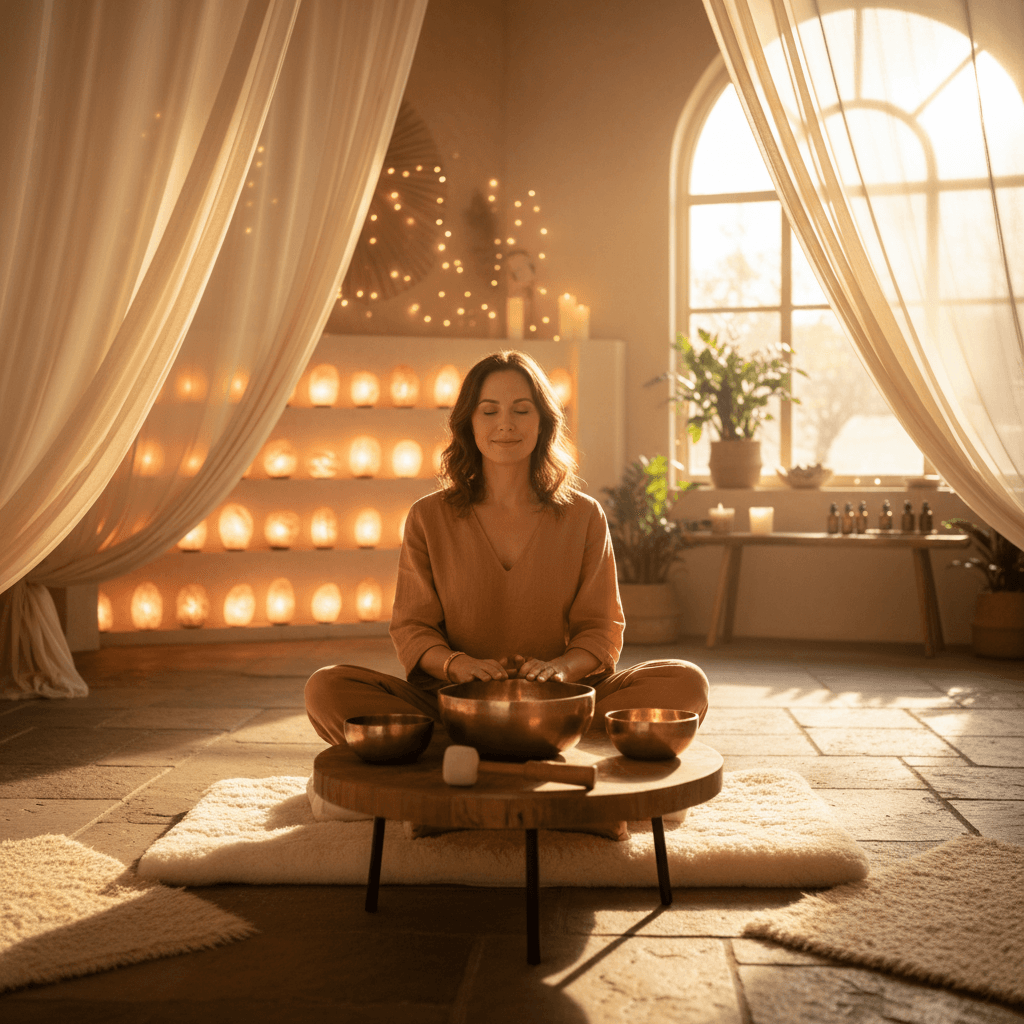
Imagine stepping into a serene space, where the ambient lighting is soft, and the air is filled with a subtle, calming aroma. Your session begins with a gentle invitation to simply be present, allowing the mind to quiet and the body to relax. This foundational step is crucial for preparing the nervous system to receive and respond to the therapeutic frequencies.
As the session progresses, a carefully selected soundscape unfolds. This might involve instrumental pieces chosen for their specific tempos and harmonic structures, designed to encourage a meditative state and promote a sense of inner peace. The music isn't just background noise; it becomes an active participant in your relaxation, guiding your breath and subtly influencing your heart's rhythm. You might experience the gentle pulsations of a slow, calming melody, or the intricate layers of nature sounds intertwined with serene compositions.
For those engaging in gentle movement or guided visualization, the music acts as a supportive companion, enhancing focus and deepening the connection between mind and body. The aim is to create an immersive sensory experience that reduces feelings of stress and anxiety, replacing them with tranquility. Many people report a profound sense of calm and release during these sessions, feeling their worries dissipate as they surrender to the sound.
The beauty of this approach lies in its non-invasive nature and its focus on the individual's comfort. It's about cultivating a deeper awareness of one's internal landscape, fostering a connection with the body's innate wisdom, and allowing the frequencies to do their subtle, restorative work. The experience is designed to be deeply nurturing, offering a respite from the demands of daily life and a gentle pathway towards improved wellbeing.
The Soul Art Approach
At Soul Art, Dubai's premier sound wellness studio, we believe in the transformative power of sound to nurture the entire being, including the delicate rhythms of the heart. Under the guidance of our founder, Larissa Steinbach, our approach to complementary wellness is meticulously crafted, drawing upon scientific understanding and deep experiential wisdom. We translate the principles of music's influence on the autonomic nervous system and emotional state into deeply resonant sessions designed for holistic restoration.
Larissa Steinbach's Vision for Harmonious Recovery
Larissa Steinbach has cultivated a unique methodology that emphasizes personalized soundscapes and vibrational experiences. We understand that each individual's journey is distinct, especially when it comes to supporting recovery and managing stress related to health challenges. Our sessions are not about treating medical conditions, but rather about creating an optimal internal environment where the body may better support its own healing processes.
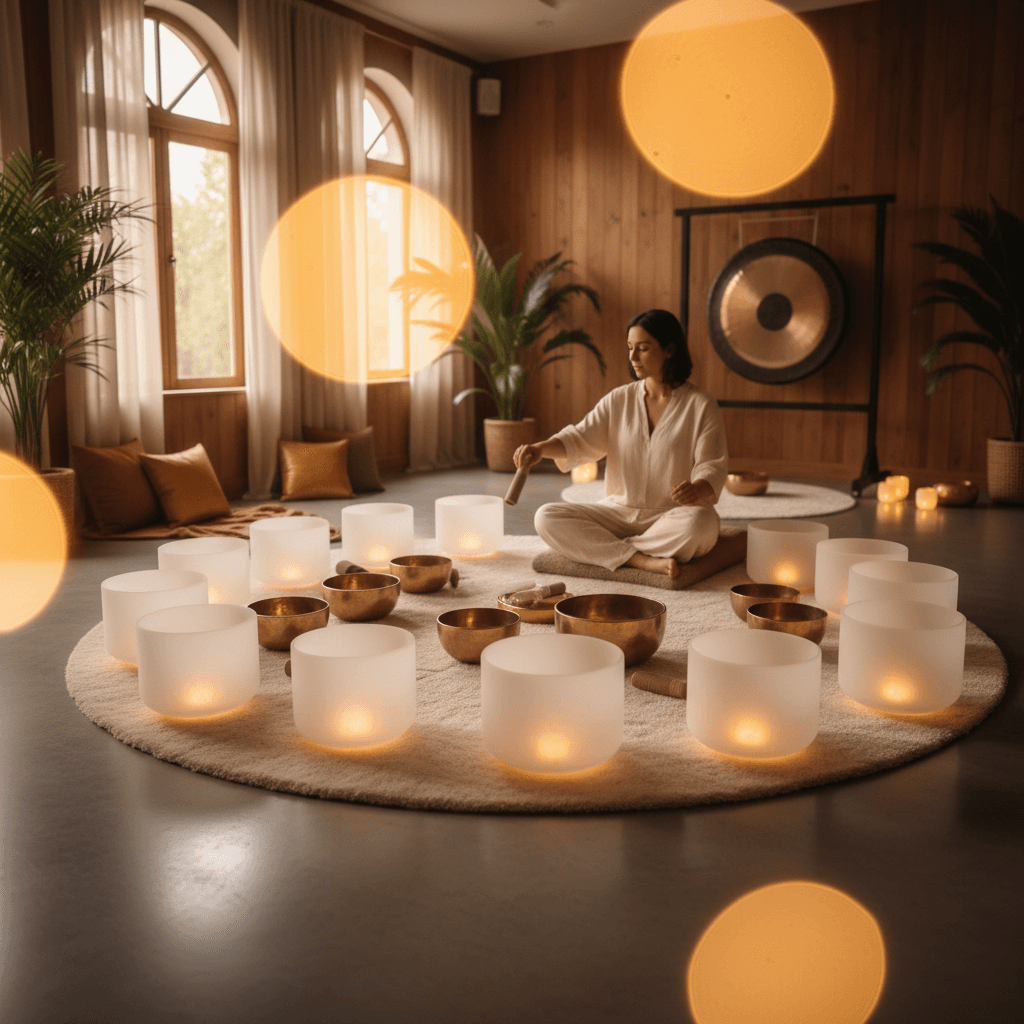
What makes the Soul Art method unique is its dedication to integrating specific sound frequencies and instruments known for their calming and harmonizing properties. We utilize a carefully selected array of instruments, each chosen for its unique vibrational signature. These include:
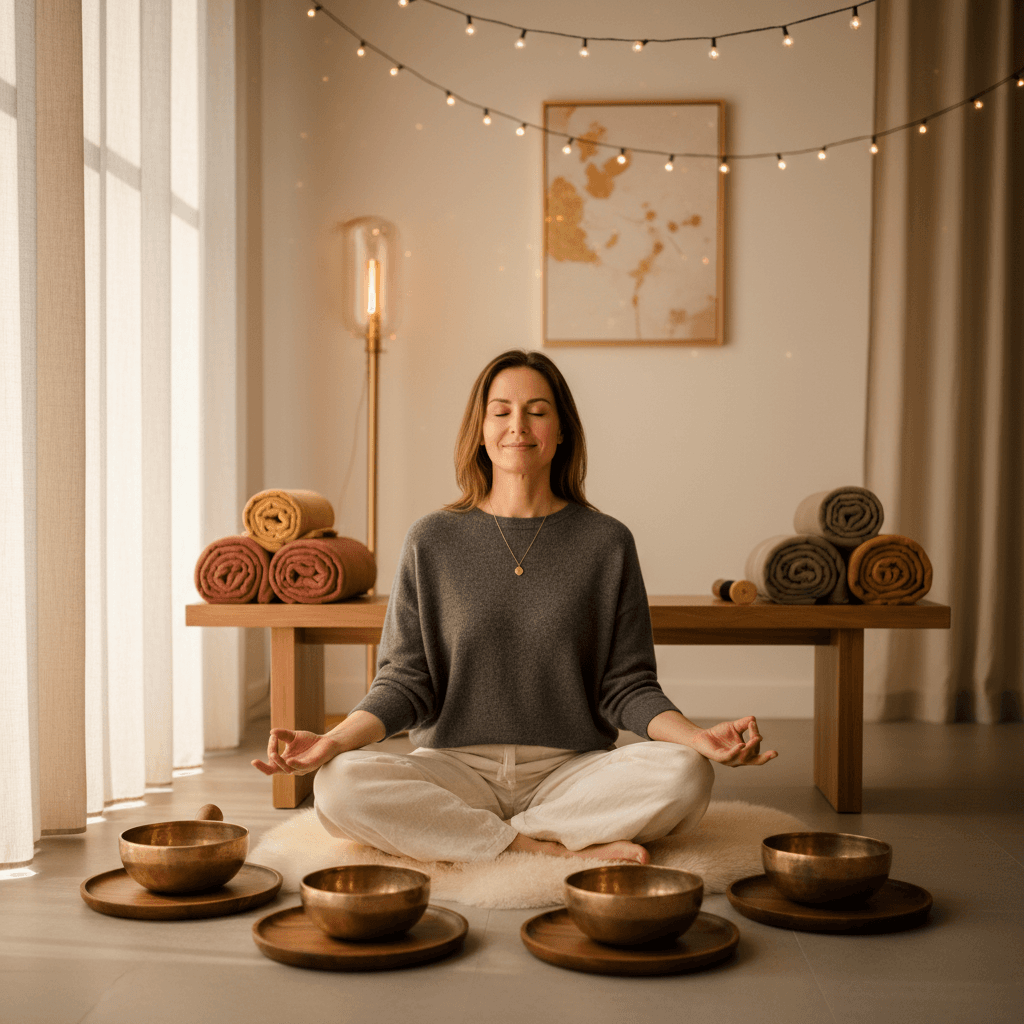
- Tibetan Singing Bowls: Their rich, sustained tones and palpable vibrations can promote deep relaxation and quiet the mind.
- Gongs: The expansive, resonant sounds of gongs are often used to create a deeply immersive experience, facilitating a release of tension.
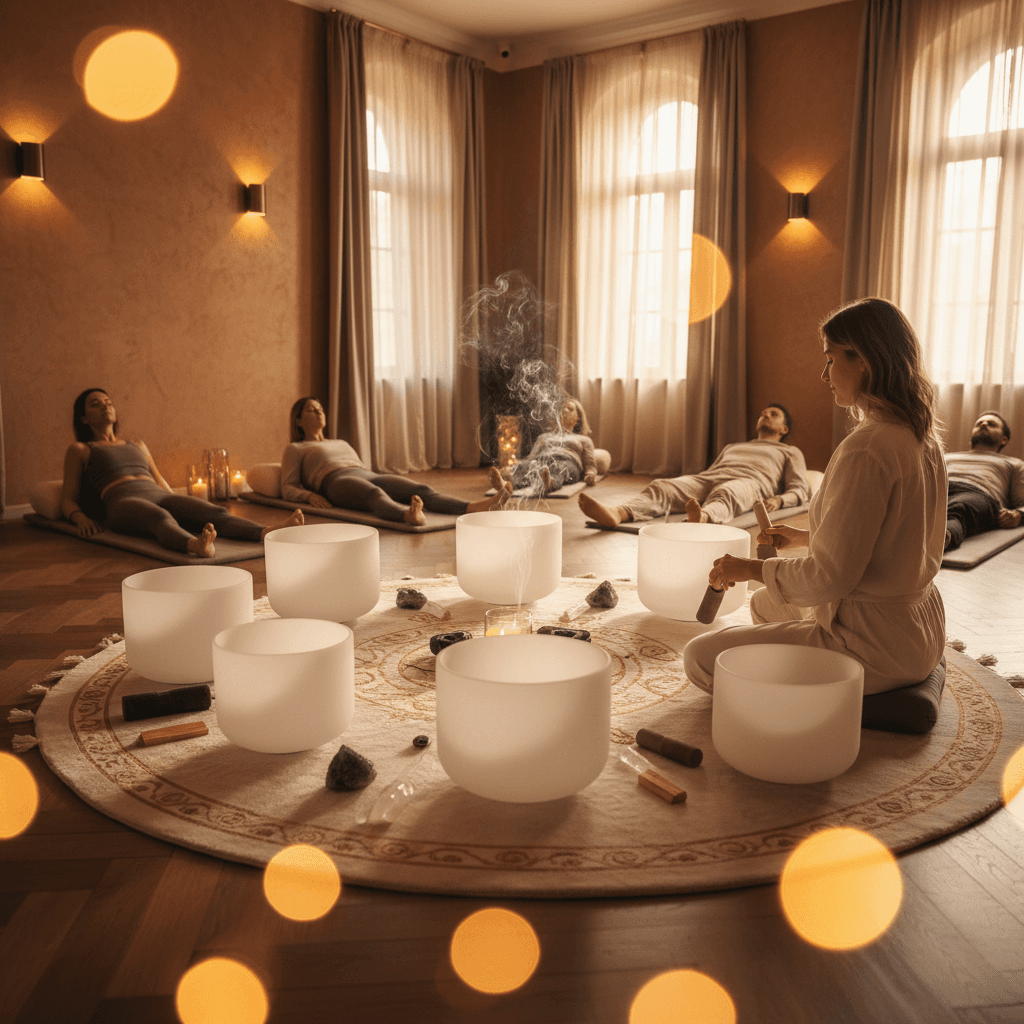
- Crystal Singing Bowls: Known for their pure, clear tones, these instruments are believed to resonate with the body's energy centers, promoting balance.
- Chimes and Tuning Forks: These offer precise frequencies that may encourage specific states of relaxation and cellular harmony.
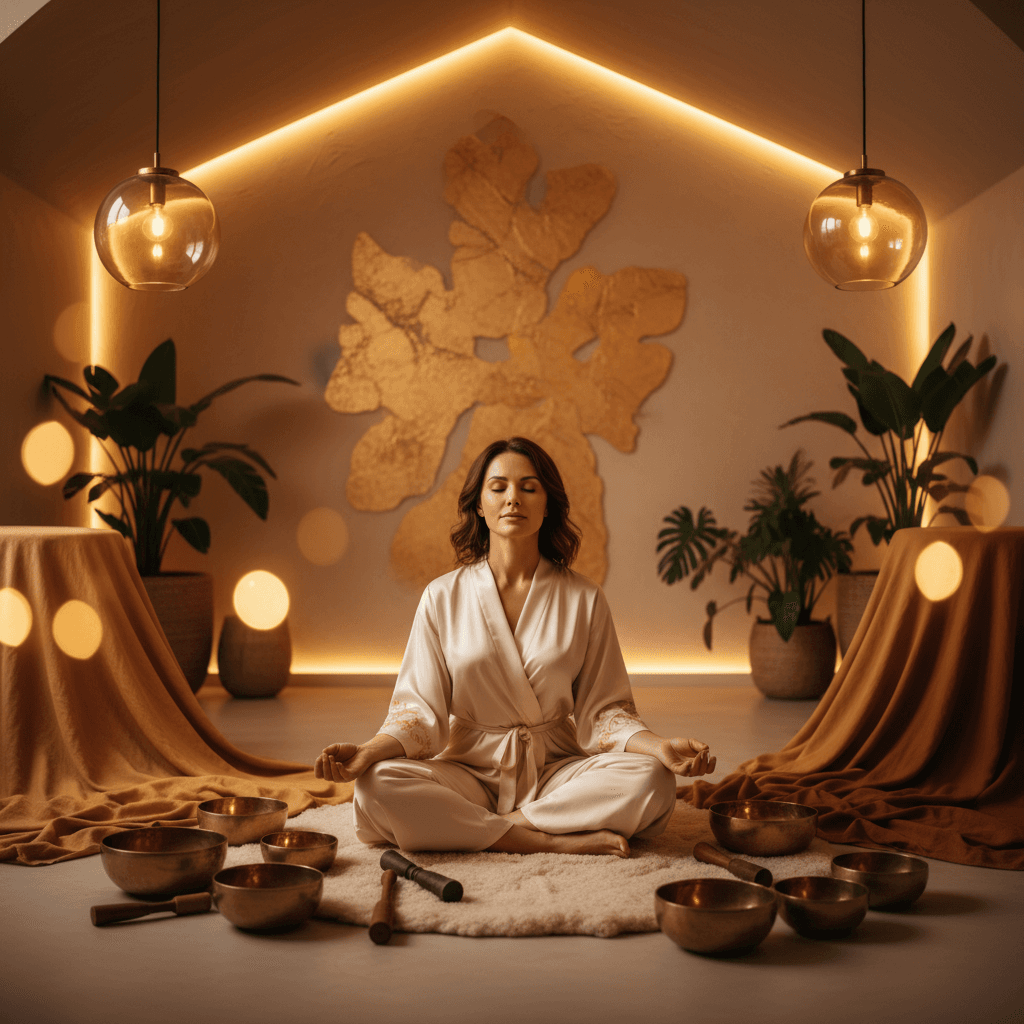
Larissa Steinbach guides clients through experiences that may involve guided meditation, focused breathwork, and vibrational therapy, where the instruments are played near or around the body to allow the frequencies to permeate. The intention is always to invite the body into a parasympathetic state, where rest, digest, and repair functions are optimized. This gentle, yet profound, approach aims to reduce stress, ease anxiety, and foster a sense of inner peace, all of which are invaluable for anyone on a wellness journey, particularly those seeking to support cardiac health.
Our commitment is to provide a serene sanctuary where you can explore the profound connections between sound and wellbeing. Soul Art's mission is to empower individuals with self-care practices that complement their overall health strategies, encouraging resilience and vitality through the beauty of sound.
Embark on Your Journey: Practical Steps for Heart-Centred Wellbeing
Integrating the principles of music-based recovery into your daily life can be a gentle yet powerful step towards enhancing your overall wellbeing. While sound wellness is a complementary practice and not a replacement for medical care, these actionable steps can help you cultivate a more harmonious internal environment, supporting your heart's resilience and fostering a deeper sense of calm.
Here are some practical suggestions you can start implementing today:
- Curate Your Personal Soundscape: Create playlists of calming, instrumental music with slow tempos. Explore genres like classical, ambient, or meditative soundscapes. Listen during moments of relaxation, before sleep, or even during gentle activities like walking or stretching.
- Mindful Movement with Music: If you engage in approved physical activity, try pairing it with music that matches your desired intensity. For slower, restorative movements, choose calming melodies. For more vigorous, medically cleared exercises, consider music with a steady, uplifting beat that doesn't overstimulate.
- Prioritize Stress Reduction: Recognize that chronic stress can impact heart health. Integrate short music-based meditation or relaxation breaks into your day. Even five to ten minutes of focused listening can help reset your nervous system.
- Consult with Professionals: Always discuss any new wellness practices with your medical care team, especially if you are managing a cardiac condition. Ensure that complementary approaches align with your prescribed treatment plan.
- Explore Sound Wellness: Consider exploring structured sound wellness sessions at reputable studios like Soul Art Dubai. Under the guidance of experienced practitioners like Larissa Steinbach, you can experience deeply immersive vibrational therapies tailored to promote relaxation and internal balance.
Taking these steps can help you weave the soothing power of sound into the fabric of your life, supporting your journey towards enhanced wellbeing and a more harmonious heart.
In Summary: A Symphony for the Heart's Resilience
The journey to cardiac wellness is multifaceted, encompassing medical care, lifestyle choices, and crucially, emotional and psychological support. As we've explored, the integration of music-based recovery offers a compelling and scientifically supported complementary approach. From modulating the autonomic nervous system and aiding post-surgical recovery to enhancing exercise adherence and reducing anxiety, music's therapeutic potential for the heart is increasingly clear.
This powerful intersection of sound and wellbeing provides a gentle pathway to restoring inner balance and fostering resilience. At Soul Art Dubai, Larissa Steinbach and her team harness these principles to offer meticulously crafted sound experiences, guiding individuals towards profound relaxation and a deeper connection with their own inner harmony. Embrace the transformative power of sound as a vital component of your holistic wellness journey.
Bookings Coming Soon
Soul Art is still in preparation. Session details and booking will be published here after launch.
Coming Soon
Wellness Disclaimer: This article is for educational and informational purposes only. It does not constitute medical advice, diagnosis, or treatment. Soul Art Dubai provides non-medical wellness experiences focused on relaxation, stress management, and general wellbeing. Sound wellness is a complementary practice and should not replace professional medical care.