Buddhist Monks & Sound: Centuries of Practice, Modern Science
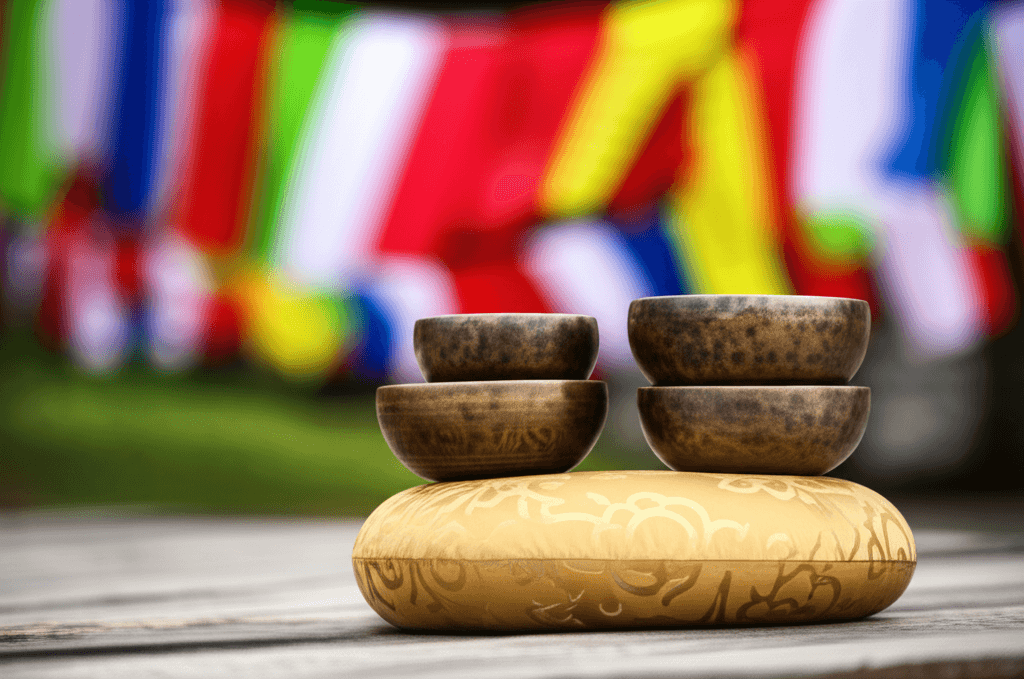
Key Insights
Explore how centuries of Buddhist monastic sound and meditation practices scientifically reshape the brain for profound well-being and stress reduction. Discover Soul Art's approach.
Can ancient wisdom truly reshape our modern minds, offering solace in a chaotic world? For centuries, Buddhist monks have dedicated their lives to practices that intertwine deep meditation, focused attention, and often, rhythmic sound. These age-old traditions, once considered purely spiritual, are now increasingly illuminated by the precision of modern neuroscience.
At Soul Art, founded by Larissa Steinbach, we are fascinated by this nexus of tradition and science. We believe that understanding the profound effects of practices like those of Buddhist monks can unlock new pathways to personal well-being. This article delves into the scientific research revealing how these ancient sound and meditation practices influence our brains, offering insights that resonate deeply with the holistic approach of sound wellness.
Join us as we explore what cutting-edge brain imaging tells us about the meditating minds of Buddhist monks. We will uncover how their centuries of focused practice may foster an optimal state for processing information, regulating emotions, and cultivating a profound sense of inner harmony.
Unveiling the Meditating Mind: A Scientific Journey
The image of a Buddhist monk chanting, eyes closed in deep meditation, is iconic. For generations, the transformative power of these practices has been shared through oral traditions and sacred texts. Now, scientists are employing sophisticated tools like magnetoencephalography (MEG) and functional magnetic resonance imaging (fMRI) to peer into the brains of these dedicated practitioners, documenting with unprecedented precision what happens in the meditating brain.
These studies are revealing tangible changes in brain activity, structure, and function, supporting the idea that the brain is far more adaptable—or neuroplastic—than previously imagined. The findings offer a compelling bridge between ancient spiritual disciplines and contemporary scientific understanding, shedding light on meditation's profound impact on human well-being.
Neural Orchestration: Oscillations and Criticality
One significant area of research focuses on neural oscillations, the rhythmic electrical activity generated by synchronized neurons in the brain. Researchers from the University of Montreal and Italy’s National Research Council, for instance, studied 12 monks of the Thai Forest Tradition using MEG technology. Their findings, published in Neuroscience of Consciousness, indicated that meditation is not a passive state of "thinking about nothing," but rather a state of heightened cerebral activity.
This study observed several key modulations in the monks' brains:
- Increased Neural Oscillations: Meditation was associated with distinct changes in the brain's rhythmic electrical signals.
- Enhanced Complexity of Brain Activity: The meditating brain demonstrated a more intricate and varied pattern of activity.
- Alteration of Brain Criticality: This intriguing concept, borrowed from statistical physics, describes systems that operate efficiently on the border between order and chaos. In neuroscience, it is considered an optimal state for processing information and maintaining a healthy brain. The study indicated meditation may move the brain towards this efficient, critical state.
"Since meditation is an active state that engages attentional processes, it affects several aspects of brain function, leading to improved well-being and a reduction in stress and symptoms of anxiety and depression," noted Karim Jerbi, a lead researcher from the University of Montreal.
These findings suggest that sustained meditative practice, often accompanied by specific sound elements like chanting, may foster a brain that is more alert, flexible, adaptive, and efficient in its processing.
Brain Reorganization: Networks of Attention and Oneness
Beyond oscillations, other neuroimaging studies using fMRI have explored how meditation reorganizes the brain's neural networks. Dr. Zoran Josipovic, a research scientist at New York University and a practicing Buddhist monk, has used fMRI to track blood flow in the brains of Tibetan Buddhist monks as they meditate. His work aims to understand how meditators achieve states of "nonduality" or "oneness" – a unifying consciousness with their environment.
Josipovic's research highlights:
- Cultivation of Attentional Skills: Long-term meditation practice significantly enhances attentional processes, which in turn may lead to a more tranquil and happier state of being.
- Default Mode Network (DMN) Changes: The DMN is active when the brain is at wakeful rest, often associated with mind-wandering and self-referential thought. Meditation appears to influence this network, allowing for a shifting of attention away from self-preoccupation.
- Dorsal Attention Network (DAN) Engagement: The DAN engages for attention-demanding tasks. Studies suggest that meditation can lead to faster switching between the DMN and DAN, indicative of a more agile and responsive brain. This faster switching was observed in a Binghamton University study after just eight weeks of meditation practice.
When experienced practitioners relax into a state of oneness, the psychological wall between themselves and their environments may diminish. This reorganisation in the brain is theorized to lead to the deep harmony many meditators report experiencing.
Emotional Regulation: The Amygdala's Transformation
The emotional core of our brain, the amygdala, also shows remarkable changes with consistent meditation. Research supported by the Dalai Lama himself, involving Tibetan Buddhist monks at the Waisman Laboratory for Brain Imaging and Behavior at the University of Wisconsin-Madison, has provided profound insights into neuroplasticity.
Key findings include:
- Reduced Amygdala Activation: Expert meditators showed less activation in the amygdala during focused attention (FA) meditation when exposed to emotional sounds. This reduction correlated negatively with the total hours of practice, suggesting that long-term meditators become less emotionally reactive.
- Increased Emotional Stability: This decreased amygdala activity may support the idea that advanced concentration is associated with a significant decrease in emotionally reactive behaviors, fostering greater emotional stability.
- Structural and Functional Alterations: Over tens of thousands of hours of practice, long-term practitioners may alter the very structure and function of their brains, leading to more resilient and regulated emotional responses.
These studies underscore that practices involving deep focus and sustained attention, often combined with auditory cues or silence, may significantly enhance emotional regulation. This is a critical factor for managing stress and cultivating overall well-being in daily life.
The Power of Focused Practice: Chants and Brain Activation
Buddhist monks have historically devoted themselves to spiritual purification through various practices, including chanting mantras and sutras. While these rituals are deeply spiritual, neuro-imaging studies are beginning to unravel their scientific underpinnings. A notable study revealed that different neural networks are active during the common Buddhist practices of the Nembutsu chant and a sutra recitation.
Such focused auditory practices have been associated with:
- Increased Brain Activity: Meditation, including practices involving chanting, is associated with increased activity in the dorsolateral prefrontal lobe and the parietal regions. These areas are crucial for executive functions, attention, and spatial awareness.
- Relaxation Response: Meditation, in general, is a powerful technique to induce a relaxation response, counteracting the physiological effects of stress. The rhythmic, repetitive nature of chanting may amplify this effect, guiding the brain into states conducive to deep calm.
The combination of focused attention, intentional vocalization, and rhythmic repetition in chanting practices may therefore offer a unique pathway to modulating brain activity. This provides a scientific lens through which to view the centuries-old tradition of using sound for spiritual and mental cultivation.
How It Works in Practice
The scientific insights into the brains of Buddhist monks offer a powerful framework for understanding the practical benefits of sound and meditation. These practices are not just about "quieting the mind"; they are about actively training and reshaping the brain to operate more efficiently, calmly, and cohesively. For individuals seeking improved well-being, the application of these principles can be transformative.
When you engage in sound wellness practices, you are essentially guiding your brain and nervous system towards these scientifically observed states of optimal function. The consistent, immersive experience of specific frequencies and vibrations helps to downregulate the stress response, allowing your body to move from a state of "fight or flight" into "rest and digest."
The Experiential Journey
Imagine a space where gentle, resonant tones envelop you completely. This is the environment designed for deep relaxation and inner exploration.
- Auditory Immersion: The sustained, often complex, harmonic sounds of singing bowls, gongs, and other instruments provide an anchor for your attention. This helps to quiet the mind's incessant chatter, similar to the focused attention practiced by monks.
- Vibrational Resonance: Beyond what you hear, you feel the vibrations. These subtle physical sensations contribute to a holistic experience, helping to release tension held in the body's tissues and muscles. This may promote a sense of physical and mental release.
- Mind-Body Connection: As your brain activity shifts, you may experience a profound sense of peace and mental clarity. Many people report feeling a deeper connection to their inner self, a gentle expansion of awareness that echoes the "oneness" described by meditating monks.
- Stress Reduction: The structured environment and guided soundscapes help to lower cortisol levels and balance the autonomic nervous system. This in turn may reduce symptoms of anxiety and depression, fostering a greater sense of overall well-being.
The consistent exposure to these intentional sound environments acts as a form of neural training. It helps your brain learn to shift into more relaxed and coherent states, enhancing its capacity for emotional regulation and cognitive flexibility, much like the sustained meditation practices of Buddhist monks. This is a complementary approach to modern living, offering a powerful tool for self-care and holistic wellness.
The Soul Art Approach
At Soul Art, we synthesize these ancient insights with modern scientific understanding to offer a unique and powerful path to well-being. Larissa Steinbach, our founder, has meticulously crafted an approach that respects traditional wisdom while leveraging a contemporary understanding of brain science and nervous system regulation. Our goal is to make the profound benefits of sound wellness accessible and impactful for everyone.
The Soul Art method is built on the principle that intentional sound and vibration can act as a catalyst for deep rest, emotional release, and mental clarity. We understand that just as the rhythmic chants and focused meditation of Buddhist monks can reorganize brain activity, specific sound frequencies can guide our minds into states of heightened receptivity and profound relaxation.
What Makes Soul Art Unique
Our uniqueness lies in a thoughtful blend of elements:
- Scientifically-Informed Design: Every session at Soul Art is informed by research on how sound and meditation impact brainwaves, nervous system responses, and emotional states. We design experiences that aim to gently guide your brain towards the beneficial states observed in advanced meditators.
- Curated Instruments: We utilize a carefully selected array of instruments, including Himalayan singing bowls, crystal singing bowls, gongs, and other resonant tools. Each instrument is chosen for its unique vibrational quality and ability to produce specific harmonics that resonate with the body's energy centers.
- Guided Intentionality: Larissa Steinbach and her team provide expert guidance, helping you set intentions and navigate your inner experience. This intentional focus amplifies the impact of the sound, drawing parallels to the attentional processes central to monastic meditation.
- Holistic Immersion: Soul Art sessions are designed as complete sensory immersions, creating a tranquil sanctuary where you can fully surrender to the healing vibrations. This comprehensive approach supports profound stress management and a return to inner balance.
We believe that true wellness emerges from a harmonious integration of mind, body, and spirit. By offering a refined and scientifically-grounded sound wellness experience, Soul Art provides a sanctuary where you can explore the depths of your inner landscape and cultivate sustainable peace.
Your Next Steps
Inspired by the profound wisdom and scientifically validated practices of Buddhist monks, incorporating elements of sound and mindful attention into your daily life can significantly enhance your well-being. You don't need decades of practice to begin experiencing positive shifts. Even small, consistent steps can lead to noticeable changes in your stress levels and overall mental clarity.
Here are some actionable steps you can implement today to start your journey towards greater inner harmony:
- Mindful Listening: Dedicate a few minutes each day to simply listen, without judgment, to the sounds around you. Notice their nuances, rhythms, and textures. This practice helps train your attentional skills, mirroring aspects of monastic meditation.
- Integrate Rhythmic Sound: Play calming, instrumental music or nature sounds during moments of rest or focus. The consistent rhythm and gentle frequencies can help anchor your mind and promote relaxation, echoing the benefits of chanted mantras.
- Practice Short Meditations: Even 5-10 minutes of guided meditation or focused breathing can make a difference. Many apps and online resources offer accessible practices that can help you regulate your nervous system.
- Create a Sacred Space: Designate a quiet corner in your home for reflection and relaxation. This physical space can serve as a cue for your mind to transition into a state of calm and focus.
- Explore Sound Wellness: Consider booking a session with a qualified sound wellness practitioner. Immersive sound experiences, like those offered by Soul Art, provide a powerful and effortless way to access deep states of relaxation and balance.
Taking these steps is an investment in your holistic well-being. They are complementary approaches to managing the demands of modern life and cultivating a more centered, peaceful existence.
In Summary
The centuries-old practices of Buddhist monks, once shrouded in mysticism, are now being illuminated by cutting-edge neuroscience. Studies show that their profound meditation and sound-focused rituals actively reshape the brain, enhancing neural efficiency, promoting emotional regulation, and cultivating deep states of attentional focus and "oneness." These scientific validations underscore the powerful potential of intentional sound and mindful practice for profound well-being.
At Soul Art, Larissa Steinbach and her team draw upon these fascinating insights to offer a unique sound wellness experience. By combining ancient wisdom with scientific understanding, we provide a path to unlock inner calm, reduce stress, and foster a more harmonious existence. We invite you to explore this transformative journey, experiencing the resonant frequencies that can guide your mind and body back to balance.
Bookings Coming Soon
Soul Art is still in preparation. Session details and booking will be published here after launch.
Coming Soon
Wellness Disclaimer: This article is for educational and informational purposes only. It does not constitute medical advice, diagnosis, or treatment. Soul Art Dubai provides non-medical wellness experiences focused on relaxation, stress management, and general wellbeing. Sound wellness is a complementary practice and should not replace professional medical care.
Related Articles
Maori Poi & Sound: Pacific Traditions for Modern Well-being
Swedish Nyckelharpa: The Science of Nordic String Healing
Apollo's Ancient Echoes: Sound Healing & Holistic Wellness