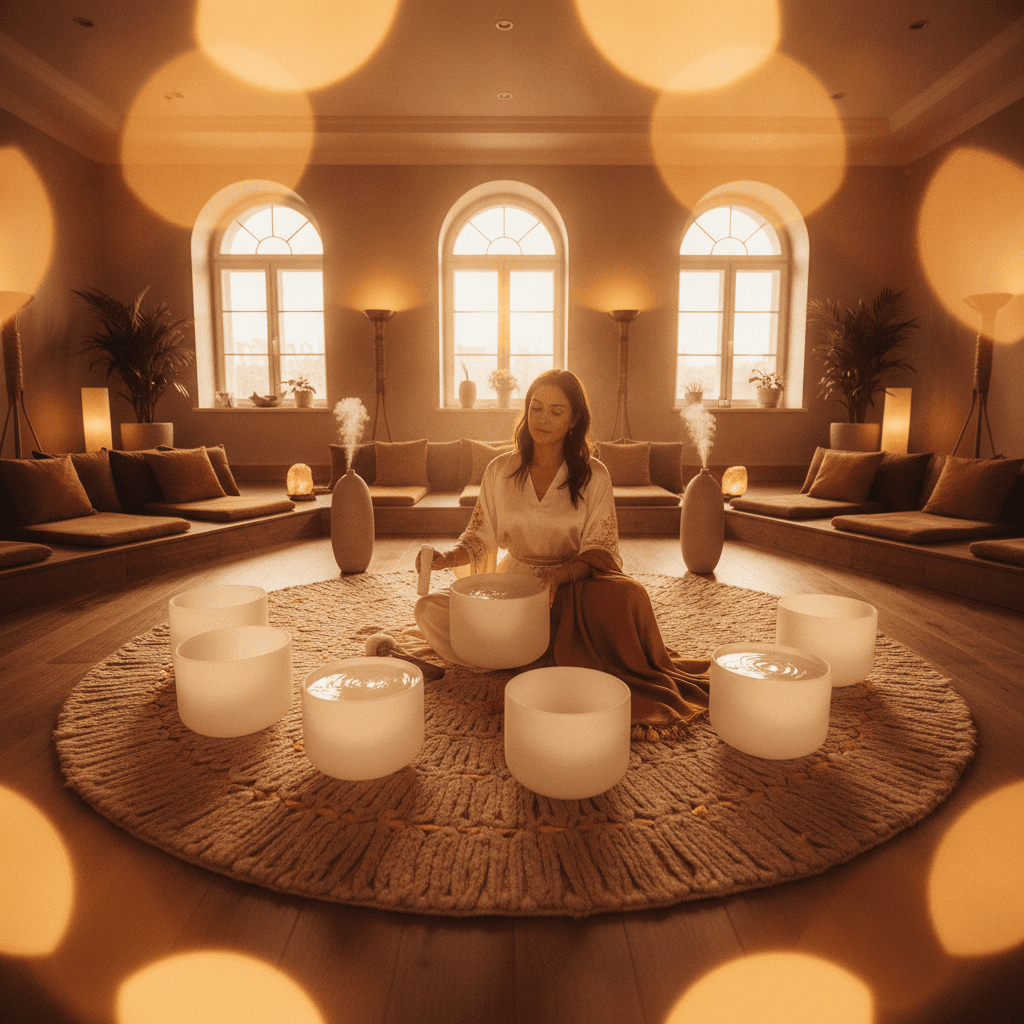
Unlock Inner Calm: The Science of Bhramari Breath & Sound Resonance at Soul Art
Key Insights
Explore Bhramari Pranayama's powerful effects on nitric oxide, the nervous system, and deep relaxation. Discover sound resonance with Larissa Steinbach at Soul Art, Dubai.
The Humming Path to Inner Harmony: Exploring Bhramari Breath and Sound Resonance
Have you ever noticed how a simple hum can quiet your mind, even momentarily? From ancient chants to lullabies, the power of resonant sound to soothe and transform is a universal human experience. What if this innate wisdom could be harnessed with scientific precision to cultivate profound states of calm and well-being?
At Soul Art, Dubai's premier sound wellness studio, we delve into practices that bridge ancient traditions with contemporary scientific understanding. This article explores Bhramari Pranayama, often known as the "humming bee breath," and its remarkable interplay with sound resonance. We will unravel the scientific mechanisms behind its calming effects, offering a deeper appreciation for this accessible yet powerful self-care practice.
Discover how this gentle, self-produced sound impacts your nervous system, enhances crucial physiological processes, and elevates cognitive function. With insights from Larissa Steinbach, founder of Soul Art, you will learn how Bhramari can become a cornerstone of your personal wellness journey. Prepare to explore the profound benefits of intentional breath and vibrational harmony.
The Science of the Sacred Hum
The practice of Bhramari Pranayama is far more than just making a sound; it is a sophisticated interface with our body’s intricate systems, particularly the autonomic nervous system (ANS). Modern research is increasingly validating what ancient yogis understood intuitively about the profound effects of controlled breathing and self-generated sound. By understanding the underlying science, we can appreciate the depth of this practice.
The Autonomic Nervous System: A Symphony of Calm
Our autonomic nervous system controls involuntary bodily functions, operating through two main branches: the sympathetic, responsible for "fight or flight," and the parasympathetic, which governs "rest and digest." Bhramari Pranayama acts as a potent tool to promote a shift towards parasympathetic activity, effectively overriding the stress response. This means moving from a state of heightened arousal to one of deep relaxation and recovery.
Immediate effects of this shift have been observed in studies on healthy volunteers. Research highlights how yogic breath regulation, including Bhramari, impacts autonomic and cardiovascular variables. A systematic review on the physiological effects of Bhramari Pranayama specifically emphasized a lowering of blood pressure and pulse rate, alongside cognitive improvement. The parasympathetic override is a key mechanism explaining these beneficial cardiovascular changes, including improved cardiac output and reduced cardiovascular hyperreactivity, contributing to overall cardiac health.
The Power of Nitric Oxide: A Cellular Messenger
One of the most robust and consistently replicated findings in Bhramari research concerns its dramatic effect on nitric oxide (NO) production in the nasal passages. Humming significantly increases endogenous nitric oxide levels, in some studies, by as much as fifteen times compared with quiet exhalation. This remarkable increase is a critical aspect of Bhramari’s health benefits.
Nitric oxide, a Nobel Prize-winning molecule, plays diverse and vital roles throughout the body. It is a powerful vasodilator, meaning it widens blood vessels, thereby improving blood flow and oxygen delivery to tissues. Furthermore, NO acts as an antimicrobial and antiviral agent, bolstering the body’s natural defenses. It also plays a significant role in regulating immune function and facilitating oxygen uptake in tissues, contributing to cellular health and vitality. This heightened NO production is a direct, measurable physiological change driven by the humming breath.
Brain Waves and Attentional Engagement
Beyond its immediate physiological impacts, Bhramari Pranayama also influences brain activity, offering insights into its profound effects on mental states. Studies investigating the brain activity correlates of the humming bee sound during Bhramari Pranayama have revealed fascinating patterns. These include an abundance of gamma activity in the electroencephalogram (EEG) during and even after the practice session.
Gamma waves, which oscillate at a higher frequency, are often associated with states of focused attention, cognitive processing, and learning. Their increased presence during Bhramari suggests a heightened state of attentional engagement and improved brain function. This aligns with findings in other mindfulness practices, such as Vipassana meditation, which also shows increased occipital gamma activation linked to attentional control and the autonomic system. The practice, therefore, not only calms the body but also sharpens the mind, fostering a clearer, more engaged mental state.
Vibrational Pathways and Vagal Tone
The self-produced humming sound of Bhramari creates distinct low-frequency vibrations throughout the throat, chest, and facial structures. While much research on vibrational therapy focuses on external interventions, preliminary findings suggest that self-generated vibration may contribute to emotional regulation and a shift towards parasympathetic activity. These internal vibrations resonate through the body, subtly influencing internal systems.
Neuroscientist Stephen Porges' influential Polyvagal Theory proposes that vocal resonance and vibration may specifically support vagal pathways through the structures of the upper airway. The vagus nerve, a crucial component of the parasympathetic nervous system, extends throughout the body, influencing heart rate, digestion, and emotional regulation. While Porges' idea remains a hypothesis requiring further research, it offers a compelling framework for understanding how the vibrational quality of Bhramari may contribute to its deeply calming and regulatory effects on the nervous system.
Pulmonary and Cognitive Enhancement
The benefits of Bhramari extend to improving crucial physiological functions related to respiration and cognition. The controlled, slow breathing technique inherent in Bhramari Pranayama, combined with the humming exhalation, has been shown to positively impact pulmonary functions. This includes an increase in peak expiratory flow rate and maximal voluntary ventilation, indicating improved lung capacity and efficiency. While more research is needed for definitive claims, these improvements may support respiratory health and even potentially help manage symptoms of conditions like chronic obstructive pulmonary disease (COPD).
Beyond physical markers, Bhramari practice has been found to be associated with higher levels of attention and improved quality of sleep. By calming the nervous system and promoting a more balanced physiological state, the practice creates optimal conditions for mental clarity and restful sleep. This holistic impact underscores Bhramari as a powerful tool for both physical and mental well-being.
Experiencing the Hum: Beyond Theory to Embodiment
Understanding the science behind Bhramari Pranayama enriches the practice, yet its true power lies in the direct, felt experience. When you engage in Bhramari, you move beyond intellectual comprehension into a realm of sensory exploration and profound self-regulation. It is a journey that connects the mind, body, and subtle energy systems.
The immediate sensation is that of a gentle, resonant vibration cascading through your head, throat, and chest. As you inhale slowly and deeply, and then exhale with a soft, sustained humming sound, you become acutely aware of these internal pulsations. This self-produced resonance creates a subtle, internal massage, stimulating nerves and tissues from within. Many people report an immediate calming effect, as if the external world fades away and attention is drawn inward.
This internal focus is a key component of Bhramari's effectiveness. The act of creating the hum and feeling its resonance naturally shifts your attention away from external distractions and internal anxieties. It's a mindful anchor, grounding you in the present moment. This sustained internal vibration has been associated with changes in emotional regulation, helping to soothe agitated states and foster a sense of peace.
Furthermore, the controlled, slow exhalation characteristic of Bhramari naturally activates the parasympathetic nervous system. This isn't just a mental suggestion; it's a physiological response that slows your heart rate, relaxes muscle tension, and signals to your body that it is safe to rest and digest. The sustained hum deepens this response, transforming a simple breath into a powerful tool for stress reduction and emotional balance. Preliminary studies indicate that this practice can significantly reduce perceived stress levels and even impact salivary cortisol, a key stress hormone.
"The true magic of Bhramari lies not just in the sound produced, but in the internal silence it cultivates. It's an invitation to listen deeply to your own resonant frequency."
The gentle, continuous nature of the humming sound also lends itself to a meditative state. It provides a focal point, helping to quiet the incessant chatter of the mind. This makes Bhramari an excellent preparatory practice for deeper meditation or as a standalone technique for cultivating inner stillness and mental clarity. It's a sensory gateway to a calmer, more centred self, preparing the ground for holistic wellness.
The Soul Art Signature: Harmonizing Bhramari with Sound Wellness
At Soul Art, Larissa Steinbach and her team are dedicated to curating experiences that blend the wisdom of ancient practices with the therapeutic potential of contemporary sound. Bhramari Pranayama, with its rich scientific backing and profound benefits, is a cornerstone of this integrative approach. Here, we don't just teach the technique; we elevate it into a multi-sensory journey of healing and self-discovery.
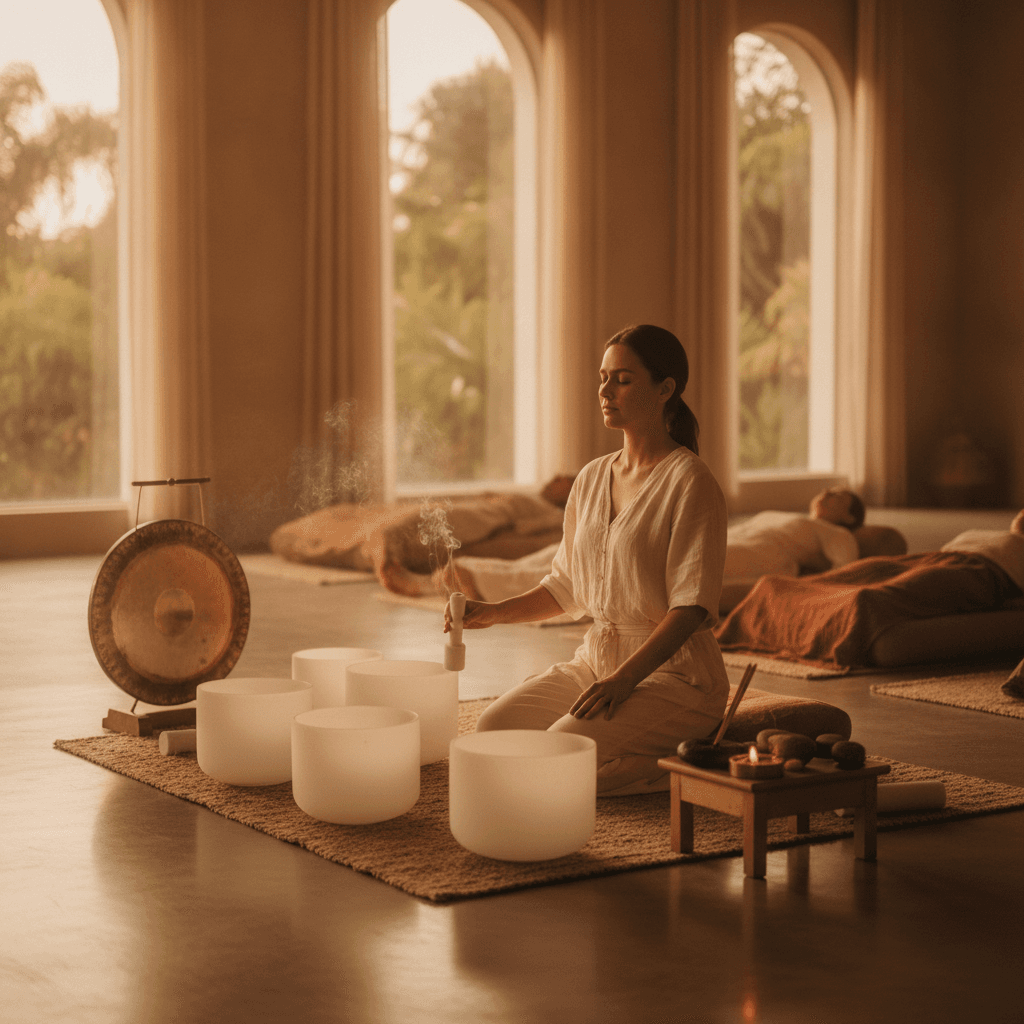
Larissa Steinbach's philosophy at Soul Art is rooted in the belief that true well-being emerges when we align our internal rhythms with harmonious external frequencies. While Bhramari Pranayama offers self-generated sound resonance, Soul Art sessions amplify and deepen this experience through the strategic incorporation of other powerful sound healing instruments. Imagine practicing your humming breath as the room is filled with the ethereal tones of crystal singing bowls, the deep vibrations of gongs, or the precise frequencies of tuning forks.
This unique synergy creates an immersive sound bath that enhances the internal resonance of Bhramari. The external sounds don't distract; they guide and deepen your focus, allowing the self-produced hum to resonate more profoundly within your body. The low-frequency vibrations from these instruments beautifully complement the internal hum, potentially extending their reach and impact throughout the cellular structure. This creates an environment where the nervous system can truly surrender and recalibrate.
What makes the Soul Art method unique is its curated and intentional environment, designed for "quiet luxury" and optimal healing. Larissa Steinbach ensures that every detail, from the acoustics of the studio to the selection of instruments, supports a deeply restorative experience. Our expert facilitators provide personalized guidance, ensuring clients understand the nuances of Bhramari and how to integrate it effectively into their practice. This bespoke approach allows each individual to unlock deeper meditative states and harness the full potential of breath and sound for relaxation and stress management.
By combining Bhramari with world-class sound wellness practices, Soul Art offers a holistic pathway to profound well-being. It's about empowering you to tap into your innate capacity for healing, using the timeless wisdom of your own breath, amplified by the resonant artistry curated by Larissa Steinbach in Dubai.
Cultivating Calm: Your Journey with Bhramari
Integrating Bhramari Pranayama into your daily routine is a tangible step towards cultivating greater calm, mental clarity, and overall well-being. This powerful wellness practice is accessible to almost everyone and can be adapted to fit various lifestyles. Soul Art encourages you to embark on this journey, exploring the transformative potential of your own breath and voice.
Here are your next steps to begin or deepen your Bhramari practice:
- Start Small and Consistently: Begin with just 5-10 minutes each day. Find a quiet space where you won't be disturbed. Consistency is more important than duration in building a sustainable practice.
- Focus on the Sensation, Not Perfection: The goal isn't a perfect sound, but rather the internal experience of the vibration. Gently close your eyes, plug your ears with your thumbs or index fingers, and allow the hum to resonate naturally within you. Notice the vibrations in your face, throat, and chest.
- Integrate with Other Mindful Practices: Bhramari serves as an excellent prelude to meditation, journaling, or even a restful night's sleep. Its ability to calm the nervous system prepares your mind and body for deeper states of relaxation and introspection.
- Seek Guided Expertise: While simple to learn, guided sessions can deepen your understanding and refine your technique. Consider exploring workshops or individual sessions at Soul Art, where Larissa Steinbach and her team can offer personalized instruction and integrate Bhramari within a holistic sound wellness experience.
- Make it a Self-Care Ritual: Treat Bhramari not as a chore, but as a cherished moment of self-care. It's a dedicated time to honour your nervous system, reduce stress, and reconnect with your inner peace, enhancing your overall holistic wellness.
Embrace this ancient practice and allow its resonant power to guide you towards a more balanced and harmonious life.
In Summary: A Path to Profound Well-being
Bhramari Pranayama, the humming bee breath, stands as a testament to the profound connection between breath, sound, and our overall well-being. Scientifically validated, it offers remarkable benefits, from significantly boosting nitric oxide production and modulating brain activity to powerfully shifting the autonomic nervous system towards a state of rest and digest. This ancient technique is a potent tool for stress management, cognitive enhancement, and promoting deep relaxation.
At Soul Art, under the visionary guidance of Larissa Steinbach, we invite you to experience Bhramari within an elevated context of sound wellness. By integrating this powerful breathwork with world-class sound healing instruments, we create immersive journeys designed to harmonize your mind, body, and spirit. Discover how this complementary approach can unlock your inner calm and lead you towards a path of profound well-being.
Bookings Coming Soon
Soul Art is still in preparation. Session details and booking will be published here after launch.
Coming Soon
Wellness Disclaimer: This article is for educational and informational purposes only. It does not constitute medical advice, diagnosis, or treatment. Soul Art Dubai provides non-medical wellness experiences focused on relaxation, stress management, and general wellbeing. Sound wellness is a complementary practice and should not replace professional medical care.
Related Articles
The Science of Connection: Call and Response Chanting for Wellness
Deepen Your Bond: Couples Breath & Tone Practice at Soul Art
Harmonize Your Voice: Humming for Public Speaking Nerves