Optimizing Your Heart's Rhythm: HRV Training with Sound at Soul Art
Key Insights
Explore Heart Rate Variability (HRV) training with sound at Soul Art Dubai. Enhance stress resilience and support holistic well-being with Larissa Steinbach's expert guidance.
Have you ever considered that a truly healthy heart doesn't beat like a perfectly regulated metronome? It might seem counterintuitive, but a heart with optimal wellness doesn't maintain a rigid rhythm; instead, it exhibits subtle, continuous variations in the time between each beat. This fascinating phenomenon is known as Heart Rate Variability (HRV).
At Soul Art, Dubai's premier sound wellness studio, we delve deep into this intricate language of the heart. Understanding and consciously influencing your HRV can unlock profound levels of stress resilience, emotional balance, and overall physical vitality. This article will explore the science behind HRV, reveal how sound can become a powerful ally in enhancing it, and illuminate Larissa Steinbach's unique approach at Soul Art to cultivate a harmonious inner landscape.
Join us as we uncover how nurturing your heart's adaptability can be a cornerstone of holistic well-being, moving beyond mere physical fitness to embrace a deeper sense of calm and control in a fast-paced world.
The Science Explained
What is Heart Rate Variability (HRV)?
Heart Rate Variability (HRV) is a sophisticated measure of the time difference between consecutive heartbeats. Far from being a flaw, this slight irregularity is a crucial indicator of your body’s capacity to adapt to stress and various environmental demands. It reflects the dynamic interplay between the two branches of your Autonomic Nervous System (ANS): the sympathetic (responsible for "fight or flight") and the parasympathetic (responsible for "rest and digest").
A higher HRV generally signifies a robust and adaptable nervous system, indicating that your parasympathetic system can effectively calm your body after stress. Conversely, a lower HRV is often associated with elevated stress, chronic fatigue, and reduced resilience. Research from sources like TrainingPeaks highlights HRV as a holistic measure, reflecting the cumulative impact of various stressors—from physical training to sleep quality, nutrition, and mental and emotional pressures.
HRV as a Biomarker of Wellness and Adaptability
The emerging consensus in wellness science is that a higher HRV correlates with better health, greater fitness, and enhanced psychological resilience. It serves as an indirect yet ubiquitous biomarker of performance readiness and recovery, as noted in studies exploring the relationship between HRV, training load, and exercise performance. Wearable devices, such as the Whoop wrist-worn activity tracker, have even been validated against gold-standard Electrocardiography (ECG) for accurately measuring HRV, bringing this vital metric directly into daily life for many individuals.
This continuous monitoring allows individuals to gain personalized insights into their physiological state. When HRV is high, it suggests the body is well-recovered and ready to engage with life's demands. When HRV is low, it signals that the body may be under significant stress, requiring rest and recovery.
The Connection to Cardiovascular Well-being
HRV is a non-invasive indicator of cardiac autonomic modulation, meaning it reflects how well your nervous system is regulating your heart. A robust and well-regulated ANS is essential for overall cardiovascular wellness. Studies published in reputable journals like Frontiers in Cardiovascular Medicine emphasize that reduced HRV has been associated with an increased risk of all-cause mortality and cardiovascular events. This underscores the importance of maintaining a healthy HRV as a complementary approach to cardiovascular health management.
Furthermore, findings from Mendelian randomization studies suggest a causal link between certain HRV parameters and cardiac function. While HRV assessment is not a diagnostic tool for heart conditions in the wellness context, it offers valuable insights into the flexibility and resilience of the heart’s regulatory systems. It suggests that individuals with low HRV may benefit from more aggressive risk factor modification and lifestyle adjustments that support autonomic balance.
Nurturing HRV and the Nervous System
The exciting news is that HRV is not static; it can be positively influenced through various practices. Research indicates that specific techniques can significantly enhance HRV. For instance, slow breathing methods, particularly Resonance Frequency Training (RFT), which focuses on breathing at approximately 0.1 Hertz (about 6 breaths per minute, with 5 seconds inhalation and 5 seconds exhalation), have been shown to maximize HRV by synchronizing heart rate oscillations with respiration. This resonant frequency creates a powerful calming effect on the nervous system.
Beyond breathing, contemplative mental training, mindfulness practices, and progressive muscle relaxation (PMR) have also demonstrated the ability to increase HRV in both clinical populations and healthy individuals. These practices help to activate the parasympathetic nervous system, shifting the body from a state of alert to one of deep rest and recovery. By consciously engaging in activities that promote this shift, we can actively support our body’s innate capacity for self-regulation and resilience. This is where sound, as a powerful tool for inducing states of deep relaxation and focused breathing, plays a transformative role.
How It Works in Practice
Bringing the science of HRV into daily life involves a combination of awareness and intentional practices. For many, the journey begins with HRV monitoring. Consumer-grade wearables now offer accessible ways to track HRV, providing daily insights into one's recovery status and overall physiological load. When your HRV is below your personal baseline, it may signal that your body needs more rest and less strenuous activity. Conversely, a higher HRV suggests readiness for greater engagement. This personalized feedback allows individuals to make informed decisions about their activity levels, fostering a more intuitive relationship with their body’s needs.
The true power, however, lies in actively influencing HRV. This is where sound wellness emerges as a profoundly effective practice. Sound has a unique ability to bypass the analytical mind, directly accessing deeper parts of the brain responsible for regulating the autonomic nervous system. The sustained tones and harmonic frequencies generated by instruments like Tibetan singing bowls, gongs, and chimes create a vibratory field that encourages the brain to shift into slower, more meditative brainwave states, such as alpha and theta.
These states are directly associated with profound relaxation and increased parasympathetic activity. As the body enters this relaxed state, breathing naturally slows and deepens, often aligning with the resonance frequency beneficial for HRV enhancement. The gentle, pervasive vibrations can also stimulate the vagus nerve, a key component of the parasympathetic system, further promoting a sense of calm and rest throughout the body. Clients often describe a sensation of their entire being gently unwinding, as if tension is being vibrated away. This deep relaxation supports the body’s natural ability to regulate heart rhythm, fostering an environment where a healthy, adaptable HRV can flourish.
This holistic engagement—combining auditory experience with physical sensation and mental stillness—helps to reset the nervous system. It reduces the impact of accumulated stress, allowing the heart’s natural rhythm to re-establish its optimal, variable pattern. This practical application of sound for HRV enhancement provides a tangible path towards greater resilience and a more balanced state of being.
The Soul Art Approach
At Soul Art, the science of HRV meets the ancient art of sound to create a uniquely transformative wellness experience. Larissa Steinbach, the visionary founder, has meticulously crafted an approach that leverages the profound power of resonant frequencies to guide clients towards optimal nervous system balance and enhanced HRV. Her methodology is rooted in both scientific understanding and a deep intuitive grasp of how sound interacts with the human energy system.
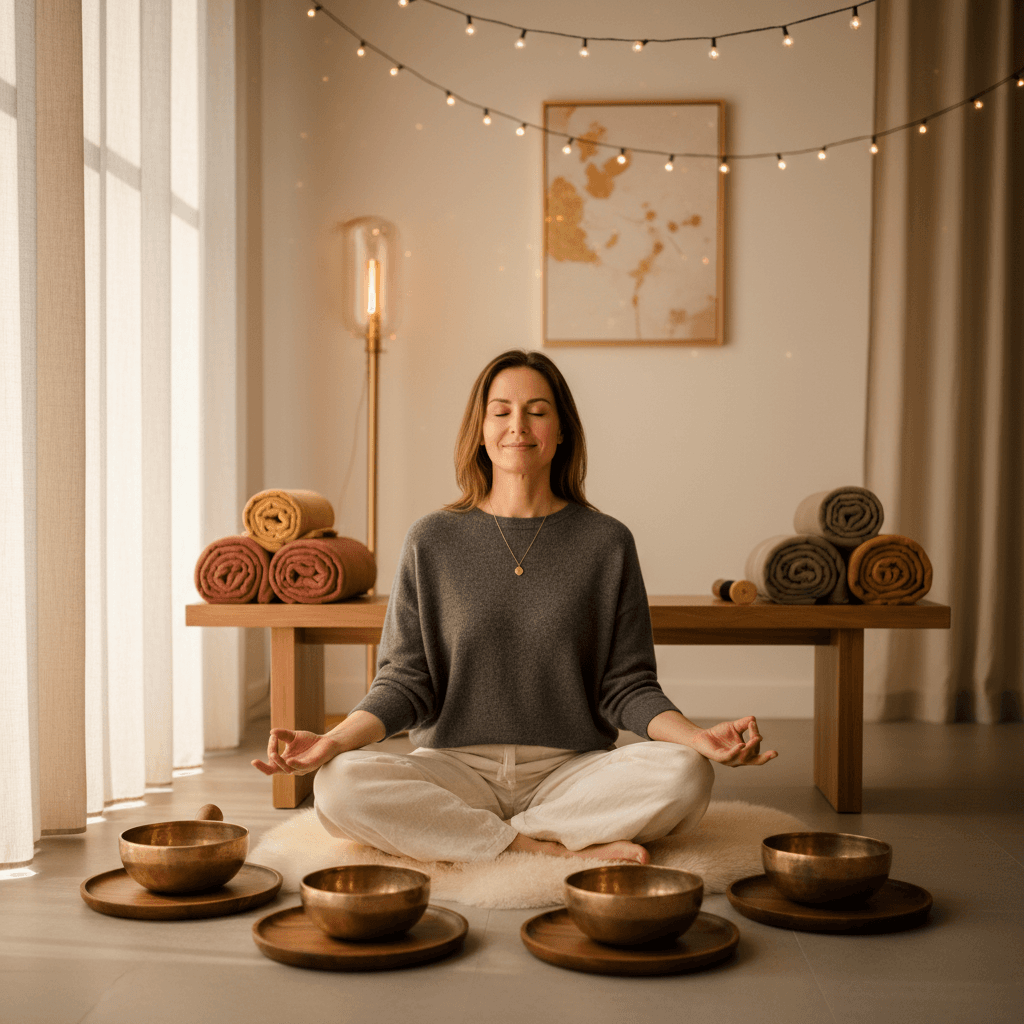
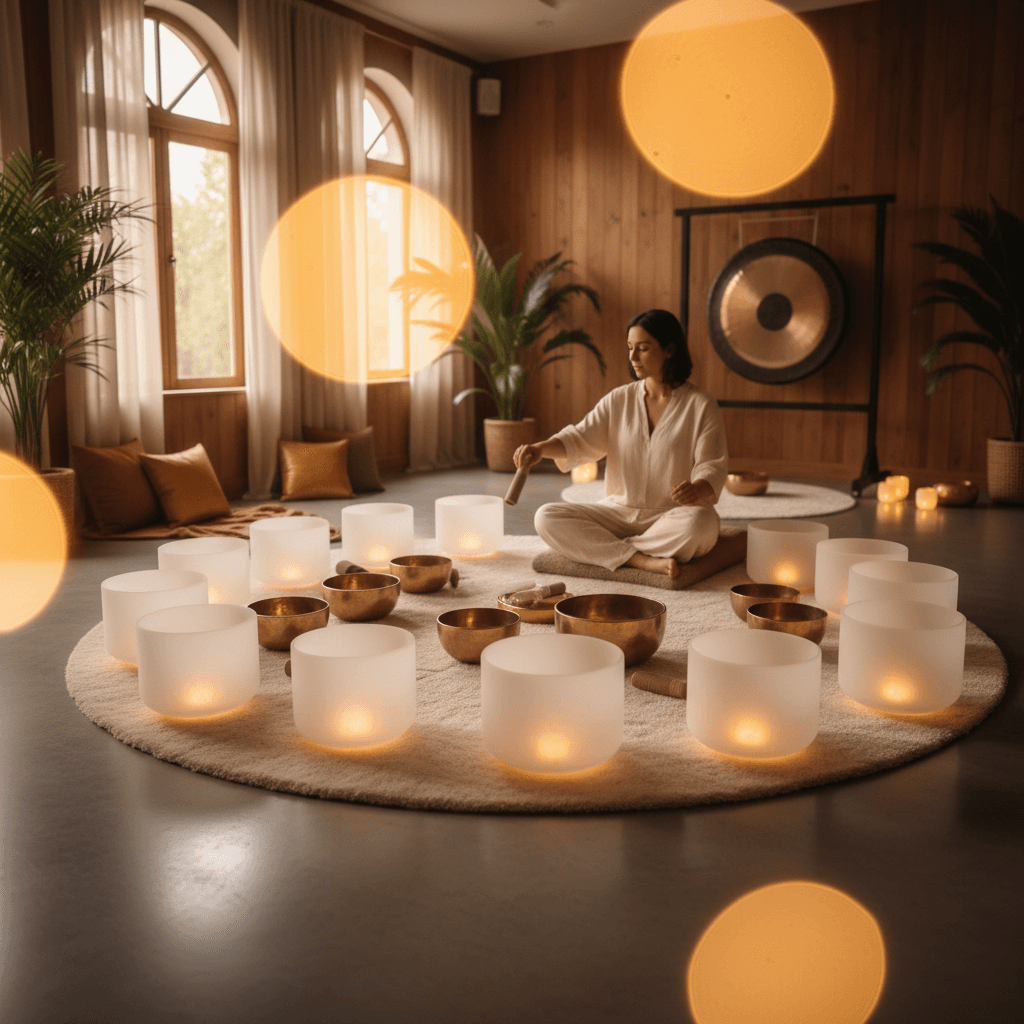
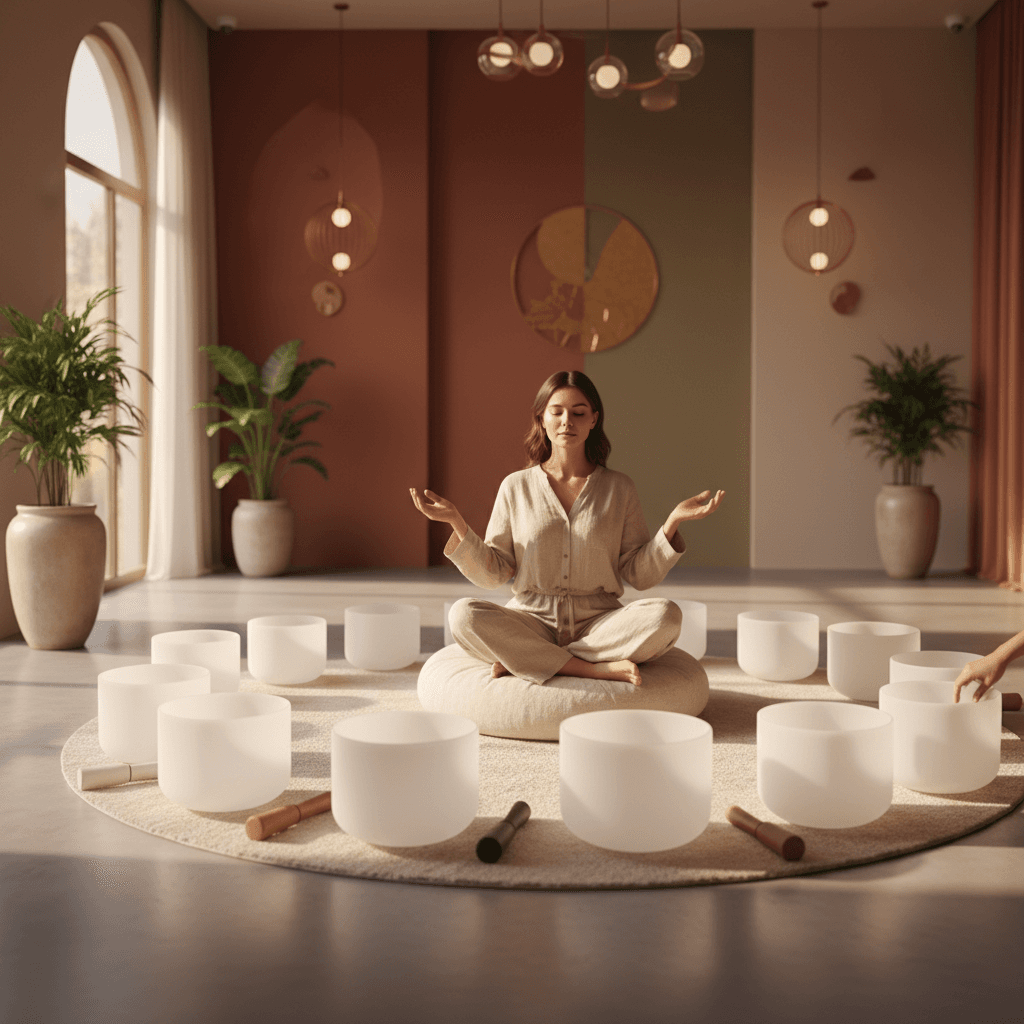
Soul Art’s sound wellness sessions are more than just listening; they are immersive experiences designed to activate the parasympathetic nervous system and facilitate deep internal shifts. Larissa carefully selects and plays a diverse array of instruments, including authentic Himalayan singing bowls, large therapeutic gongs, delicate chimes, and precise tuning forks. Each instrument is chosen for its specific vibrational qualities and its ability to elicit particular physiological and energetic responses. The rich overtones and sustained vibrations are orchestrated to create a harmonic environment that encourages the brain to downshift into meditative states, which are crucial for natural HRV improvement.
What makes the Soul Art method unique is its intentional focus on resonance and coherent physiological responses. Larissa often integrates guided breathing techniques within the sound journey, implicitly encouraging the breath rate to align with the ideal resonance frequency (around 6 breaths per minute). This gentle guidance, combined with the deeply relaxing soundscape, helps to train the body to sustain a state conducive to a higher HRV.
"At Soul Art, we don't just offer relaxation; we provide a pathway to recalibrate your internal rhythms. Through carefully curated soundscapes, we invite your nervous system to remember its innate capacity for balance, fostering resilience one beat at a time."
The holistic nature of the experience extends beyond the session itself. Clients report a sustained sense of calm, improved sleep quality, and enhanced emotional regulation—all indirect indicators of a more balanced autonomic nervous system. Larissa Steinbach’s expertise lies in her ability to intuitively tailor these sound journeys, ensuring that each experience at Soul Art supports the individual's journey towards a more adaptable, resilient, and harmonious heart.
Your Next Steps
Embracing the principles of HRV training with sound is an accessible and profoundly beneficial step towards enhancing your overall well-being. Whether you are seeking to manage daily stress, improve your recovery, or simply cultivate a deeper sense of inner peace, integrating these practices can make a significant difference. Here are some actionable steps you can take today:
- Explore HRV Monitoring: Consider using a reputable wearable device to track your HRV. Understanding your personal trends can provide valuable insights into your stress levels and recovery needs, helping you tailor your daily activities for optimal well-being.
- Practice Conscious Breathing: Integrate slow, deep breathing exercises into your daily routine. Aim for "resonance frequency breathing"—around 6 breaths per minute (5 seconds inhale, 5 seconds exhale). This simple yet powerful practice can directly influence your vagus nerve and boost your HRV.
- Prioritize Relaxation Techniques: Regularly engage in practices that activate your parasympathetic nervous system. This could include mindfulness meditation, gentle yoga, progressive muscle relaxation, or simply taking moments of quiet contemplation throughout your day.
- Experience Sound Wellness: Discover the transformative power of sound baths and sound therapy. Seek out guided sessions, like those offered at Soul Art, to experience how resonant frequencies can profoundly calm your nervous system and support your heart's natural rhythm.
- Nurture Holistic Habits: Remember that HRV is a reflection of total load. Prioritize adequate sleep, balanced nutrition, and gentle movement. These foundational lifestyle choices work synergistically with specific HRV-enhancing practices.
By actively engaging with these steps, you can begin to cultivate a more resilient and harmonious internal environment. Ready to explore the profound benefits of sound for your heart's well-being?
Bookings Coming Soon
Soul Art is still in preparation. Session details and booking will be published here after launch.
Coming Soon
In Summary
Heart Rate Variability (HRV) is a sophisticated indicator of your body's resilience, reflecting its capacity to adapt to stress and maintain balance. A higher HRV is consistently associated with greater well-being, improved recovery, and a more adaptable nervous system. While not a medical treatment, nurturing your HRV through complementary wellness practices can profoundly support your holistic health journey.
At Soul Art, Larissa Steinbach masterfully integrates the science of HRV with the ancient wisdom of sound to offer deeply restorative experiences. Through carefully chosen instruments and guided relaxation, our sessions help to activate your parasympathetic nervous system, gently encouraging your heart to find its optimal, flexible rhythm. Discover a unique path to stress reduction, enhanced vitality, and a serene state of being at Soul Art.
Wellness Disclaimer: This article is for educational and informational purposes only. It does not constitute medical advice, diagnosis, or treatment. Soul Art Dubai provides non-medical wellness experiences focused on relaxation, stress management, and general wellbeing. Sound wellness is a complementary practice and should not replace professional medical care.