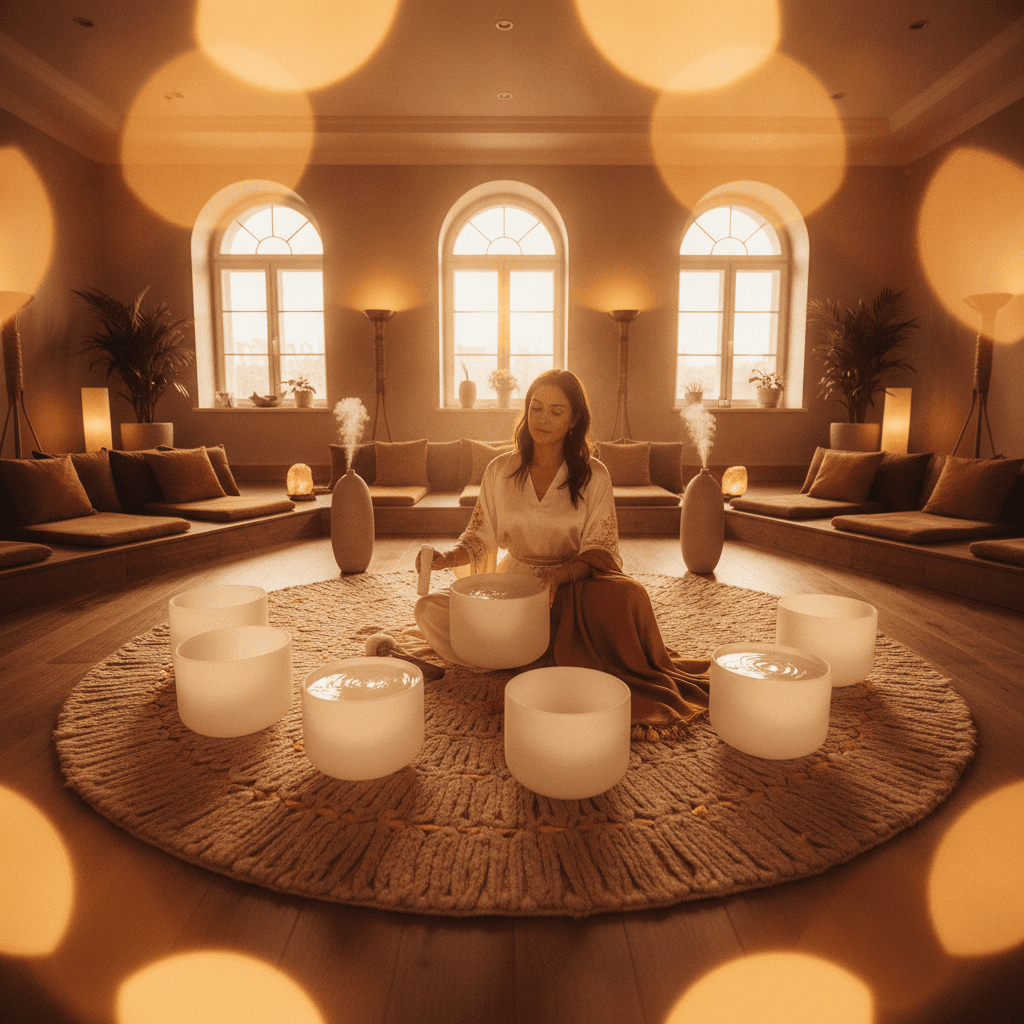
Arabic Maqam: Unveiling Ancient Sound for Modern Wellness
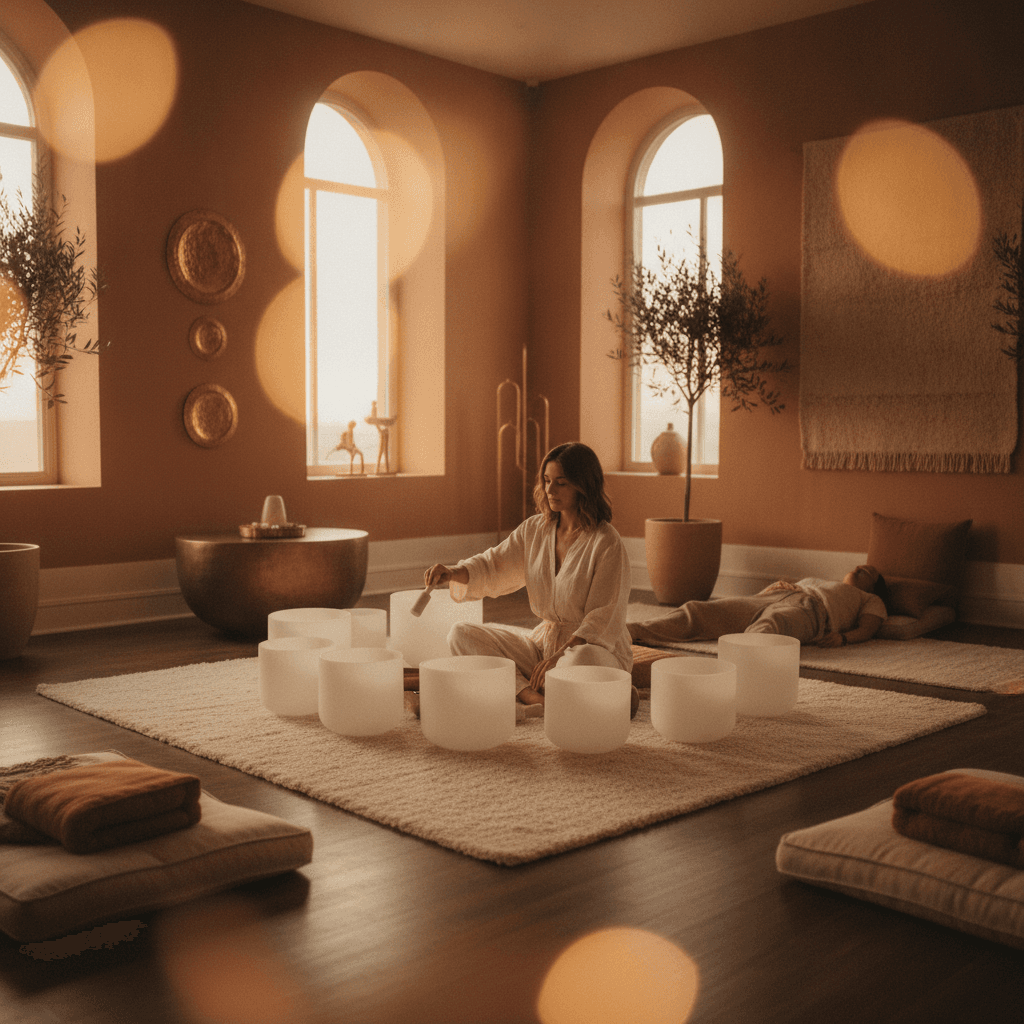
Key Insights
Explore how Arabic Maqam, a centuries-old musical tradition, profoundly influences emotional wellbeing and enhances relaxation at Soul Art Dubai.
Have you ever considered that the echoes of ancient melodies could hold the key to unlocking profound emotional balance in our modern, fast-paced world? Beyond mere entertainment, Arabic music, particularly its intricate Maqam system, has been revered for centuries not just for its beauty but for its remarkable capacity to shape human emotions and foster deep states of wellbeing. This isn't just cultural lore; contemporary science is now beginning to validate what revered philosophers of the Islamic Golden Age understood over a thousand years ago.
At Soul Art Dubai, we believe in harmonizing time-honored wisdom with cutting-edge understanding to offer transformative wellness experiences. Led by founder Larissa Steinbach, our mission is to guide you through soundscapes that resonate with your deepest self. In this article, we delve into the fascinating world of Arabic Maqam, exploring its scientific underpinnings and how its unique emotional atmosphere can enrich your path to holistic wellness. Prepare to discover how these intricate musical patterns may support your emotional regulation and stress reduction, offering a serene sanctuary amidst life's demands.
The Ancient Wisdom Meets Modern Science: The Therapeutic Power of Arabic Maqam
The intricate world of Arabic Maqam (plural: Maqamat) is far more than a simple musical scale. It is a sophisticated, multidimensional system encompassing melodic, rhythmic, stylistic, and even philosophical dimensions that have been transmitted through centuries of oral pedagogy and master-apprentice traditions. Each Maqam embodies a unique emotional and aesthetic character, guiding performers in creating expressive narratives that resonate deeply with the human spirit.
These structures and patterns reflect the intellectual and spiritual values of Eastern musical heritage. While there are several dozens of Maqamat and various regional hybrids, it is customary to distinguish 12 main Maqamat, each based on a distinct scale. This complex interplay makes the study of Maqam crucial not only for musicological scholarship but also for understanding a fundamental aspect of Eastern musical heritage.
What is Arabic Maqam?
At its core, a Maqam translates to "melodic mode," yet this definition barely scratches the surface of its profound nature. It represents a self-contained sphere of potential affect, achieved through its distinct modal components, including the "neutral" microtones. These subtle microtonal intervals are critical, significantly adding to the characteristic flavor and emotive dimension of Arabic music, setting it apart from Western musical systems.
Maqam systems operate simultaneously as cognitive frameworks, aesthetic guides, and cultural artifacts. They provide performers with a rich repertoire of creative possibilities while maintaining the integrity of centuries-old traditions. Learning a Maqam involves holistic training, where students study melodic formulas, rhythmic cycles, and improvisational rules under a master's guidance, ensuring the preservation of its aesthetic, moral, and spiritual aspects.
Historical Roots in Healing
The therapeutic potential of Maqam is not a new concept; its historical association with spiritual healing and emotional regulation dates back to the Islamic Golden Age. Revered philosophers and physicians of the 10th century, such as Al-Farabi and Avicenna, conducted extensive studies on the effects of Maqamat on human physiology and mental health. Their foundational work laid the groundwork for understanding how specific musical patterns could influence one's state of being.
These ancient thinkers recognized that the subtlest gradation of human feelings and emotional states could be carefully influenced by developed modal, intonation, and pitch systems. They established connections between specific musical manifestations and spiritual experiences, demonstrating a deep understanding of music's profound impact on the human psyche. This historical context provides a powerful backdrop for contemporary research.
Modern Scientific Validation: EEG, Emotions, and Stress Reduction
Today, scientific research is providing empirical evidence for the therapeutic effects of Arabic Maqam, bridging ancient wisdom with modern methodology. Researchers at Weill Cornell Medicine-Qatar (WCM-Q) have undertaken pioneering studies to investigate these effects. Their methodology involves playing 24 different one-minute audio recordings of Arabic Maqamat to subjects, while analyzing changes in brain activity using electroencephalogram (EEG) devices.
Beyond brain activity, subjects' emotional status is assessed before, after, and in-between each audio clip, using a standardized 60-item questionnaire called the expanded Positive and Negative Affect Schedule (PANAS-X). This comprehensive tool measures a variety of positive and emotional states, allowing for a detailed mapping of Maqam's impact. The experimental recordings for this research were specifically composed by musicologist M. Yassine Ayari and played on traditional Arabic instruments like the ney, oud, and qanun, ensuring cultural authenticity.
"To study Maqam is to study the philosophy of sound itself— where structure, spirit, and emotion are inseparably intertwined." – U. U. Rasulov (2025)
Further studies, such as one exploring Maqam-based oud therapy on Malaysian listeners, have yielded compelling results. Using pre-recorded oud improvisations (taqsim), researchers measured mood, stress levels, and emotional effects. Findings indicated a statistically significant reduction in stress levels (p < 0.05) and an overall improvement in mood post-listening. This suggests that Maqam-based music can serve as an effective tool for emotional regulation and stress reduction.
Specific Maqamat have been associated with distinct emotional atmospheres:
- Maqam Rast was most associated with feelings of stability and clarity, fostering a sense of groundedness.
- Maqam Nahawand evoked deep introspection and a gentle melancholy, inviting a contemplative state.
- Maqam Bayati was linked to spiritual warmth, nostalgia, and deep relaxation, providing a comforting embrace.
These findings highlight how different Maqamat can consciously be utilized to cultivate specific emotional states. By integrating ethnomusicological insights with empirical research, these studies contribute to the global recognition of Maqam-based music in therapeutic settings, offering new perspectives on culturally adaptive sound healing practices. The brain correlates of music-evoked emotions continue to be a fertile ground for neuroscientific investigation, as explored by researchers like S. Koelsch. This growing body of evidence affirms Maqam's profound potential as a wellness practice.
Experiencing Maqam: From Theory to Embodied Well-being
Moving from the theoretical and scientific understanding, the true power of Arabic Maqam lies in its lived experience. It's in the delicate interplay of notes, the specific microtones, and the improvisational artistry that a profound emotional atmosphere is born. This isn't merely passive listening; it's an immersive journey that engages the listener on multiple levels, fostering a unique connection to ancient soundscapes.
The deep emotional connection elicited by Maqam is often encapsulated in the concept of Tarab. Tarab describes a state of emotional ecstasy or enchantment, a profound rapport between the performer and the audience, where both are moved by the music to an elevated emotional state. This isn't solely about the technical brilliance of the music but the authenticity of emotion and the shared atmosphere created. The intimacy and emotional connection between the performer and the listener are paramount in achieving Tarab, suggesting that artistry alone is not a guarantee.
The Sonic Landscape and Emotional Resonance
The unique intervals and "neutral" microtones of Maqam create a sonic landscape that is distinct from Western temperaments. These subtle variations are not just melodic curiosities; they are foundational to the Maqam's ability to evoke a "self-contained sphere of potential affect." As the music unfolds, it guides listeners through complex emotional narratives, each Maqam acting as a key to a specific emotional chamber.
Listeners often report a sense of profound spiritual warmth, introspection, or deep calm when engaging with authentic Maqam music played on traditional instruments like the oud, ney, and qanun. The improvisational nature (taqsim) of many Maqam performances further enhances this connection, as the music flows organically, responding to the moment and fostering a deeply personal experience. This dynamic engagement allows the music to serve as a conduit for emotional release and regulation.
Beyond Listening: A Holistic Engagement
Experiencing Maqam is a holistic engagement that extends beyond auditory perception. It functions as a framework for both emotional and spiritual expression, nurturing a deep connection with the world around us. The carefully developed modal and intonation systems are intrinsically linked to specific manifestations of spiritual experiences and emotional states. This suggests that Maqam music, especially when approached with mindfulness, can foster both technical mastery in performance and a heightened spiritual awareness in the listener.
Within the context of Receptive Music Therapy (RMT), Maqam-based music can be a powerful tool. It provides a non-verbal language for processing emotions, reducing stress, and cultivating a sense of inner peace. The music’s inherent structure guides listeners through a journey of emotional landscape, offering stability, clarity, or profound introspection depending on the Maqam being played. This journey can serve as a potent form of self-care and emotional regulation, promoting overall wellbeing.
Larissa Steinbach and Soul Art: Weaving Ancient Frequencies into Modern Wellness
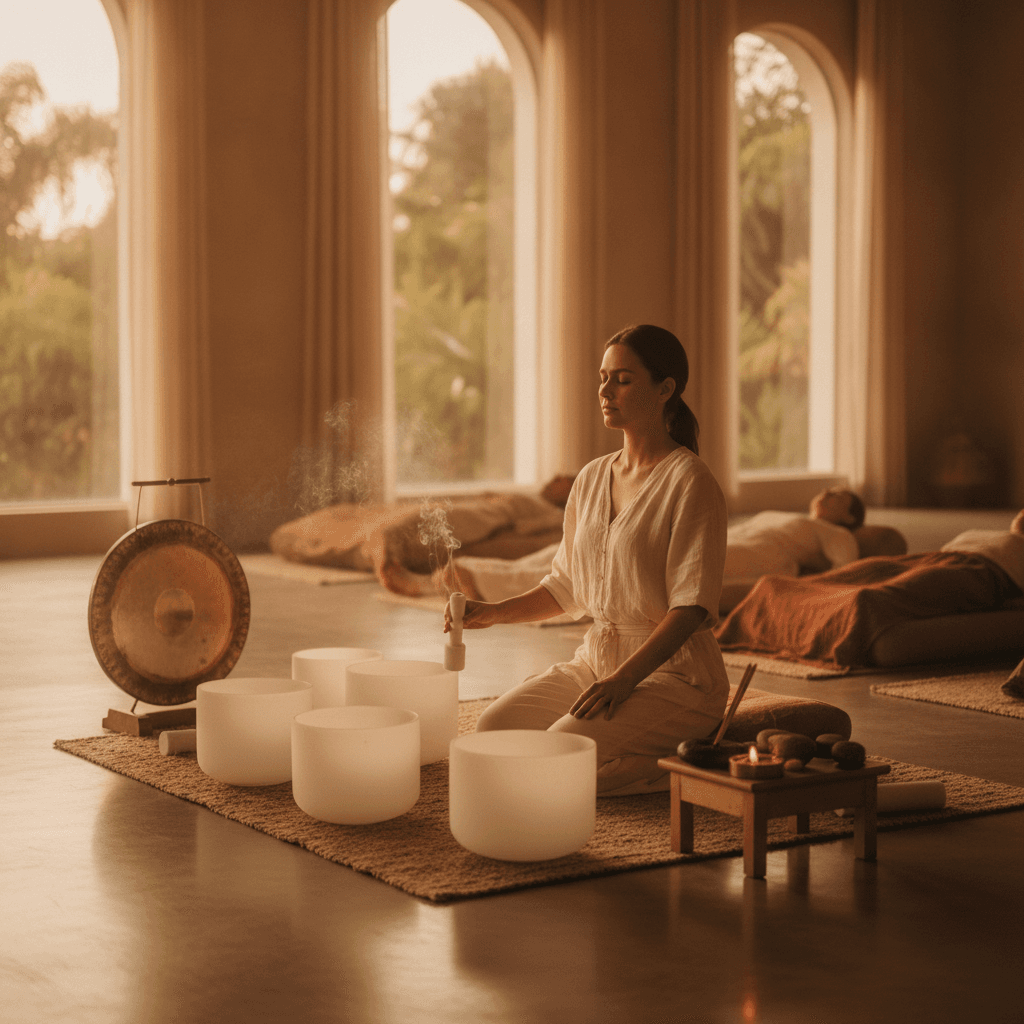
At Soul Art Dubai, Larissa Steinbach is deeply committed to bridging the profound wisdom of ancient sound traditions with contemporary wellness practices. Her vision for Soul Art is to create a sanctuary where individuals can rediscover their inner harmony and emotional balance through immersive sound experiences. Larissa's approach is meticulously crafted to integrate the principles of Arabic Maqam, leveraging its scientifically recognized emotional and physiological effects.
Larissa Steinbach understands that the power of Maqam lies not just in its musical structure but in its ability to create a specific, evocative atmosphere. She meticulously curates soundscapes that draw upon the rich heritage of Maqam, often incorporating the resonant tones of traditional instruments such as the oud, ney, and qanun. These instruments, central to the authentic experience of Maqam, are used to deliver frequencies that may support deep relaxation and emotional release.
What makes the Soul Art method unique is Larissa Steinbach's thoughtful integration of these culturally adaptive sound healing practices with modern insights into nervous system regulation. She combines the deep emotional resonance of Maqam with other complementary sound wellness tools, crafting sessions that are both deeply rooted in tradition and tailored for contemporary needs. Each session is designed to create an appropriate atmosphere where participants can safely explore their emotional states and cultivate profound relaxation.
Larissa's expertise ensures that the intention behind each soundscape is clear and purposeful, guiding participants toward specific wellness goals, whether it's stress reduction, enhanced introspection, or a sense of spiritual warmth. Soul Art offers a unique opportunity to experience the subtle power of Arabic Maqam, carefully guided by an expert who understands its intricate relationship with human emotions and wellbeing. It's a journey into the philosophy of sound, where structure, spirit, and emotion converge to offer a truly transformative experience.
Integrating Maqam into Your Wellness Journey
The journey into the world of Arabic Maqam offers a unique pathway to enhanced emotional wellbeing and stress management. As a powerful, complementary approach, incorporating Maqam-inspired sound into your self-care routine can foster deeper introspection and provide a sense of calm. Embracing this ancient wisdom can lead to profound personal insights and a more balanced emotional state.
Here are some actionable steps you can take to begin integrating Maqam into your wellness journey:
- Mindful Listening: Seek out authentic Maqam recordings featuring traditional instruments like the oud, ney, or qanun. Find a quiet space, close your eyes, and allow yourself to simply receive the sound without judgment. Notice any shifts in your emotional or physiological state.
- Explore Specific Maqamat: Based on research findings, experiment with Maqam Rast for feelings of stability and clarity, Maqam Bayati for relaxation and spiritual warmth, and Maqam Nahawand for deep introspection. Observe how each distinct mode resonates with your inner landscape.
- Set Intentions: Before listening, gently set an intention for your session – perhaps to release stress, cultivate peace, or invite clarity. Allow the music to guide you toward this desired state, using it as a wellness practice.
- Integrate into Daily Rituals: Incorporate Maqam music into your meditation, journaling, or evening relaxation routines. Its unique frequencies may support deeper states of calm and reflection, enhancing your existing self-care practices.
- Experience Guided Sound Wellness: For a truly immersive and expertly guided experience, consider exploring sound wellness sessions that specifically incorporate Maqam principles. These sessions can provide a structured environment to unlock the full potential of this ancient sound tradition.
Ready to restore your nervous system and discover deep relaxation through the profound frequencies of Arabic Maqam? Soul Art Dubai invites you to explore a unique path to holistic wellbeing.
Bookings Coming Soon
Soul Art is still in preparation. Session details and booking will be published here after launch.
Coming Soon
Embrace the Resonance: A Final Thought from Soul Art
Arabic Maqam represents a profound, millennia-old tradition that continues to offer immense value for modern wellness. From the philosophical insights of Al-Farabi and Avicenna to contemporary EEG studies, the evidence suggests its remarkable capacity to influence emotional states and reduce stress. As a sophisticated system of melodic modes, Maqam provides a unique pathway to introspection, stability, and deep relaxation.
At Soul Art Dubai, Larissa Steinbach is dedicated to making this ancient wisdom accessible, offering culturally adaptive sound healing experiences that honor tradition while addressing contemporary needs. We invite you to explore the rich, emotional tapestry of Arabic Maqam and discover its potential as a powerful complementary approach for your holistic wellbeing journey. Allow the subtle power of these frequencies to guide you toward a more balanced and harmonious self.
Wellness Disclaimer: This article is for educational and informational purposes only. It does not constitute medical advice, diagnosis, or treatment. Soul Art Dubai provides non-medical wellness experiences focused on relaxation, stress management, and general wellbeing. Sound wellness is a complementary practice and should not replace professional medical care.
Related Articles
The Science of Connection: Call and Response Chanting for Wellness
Deepen Your Bond: Couples Breath & Tone Practice at Soul Art
Harmonize Your Voice: Humming for Public Speaking Nerves