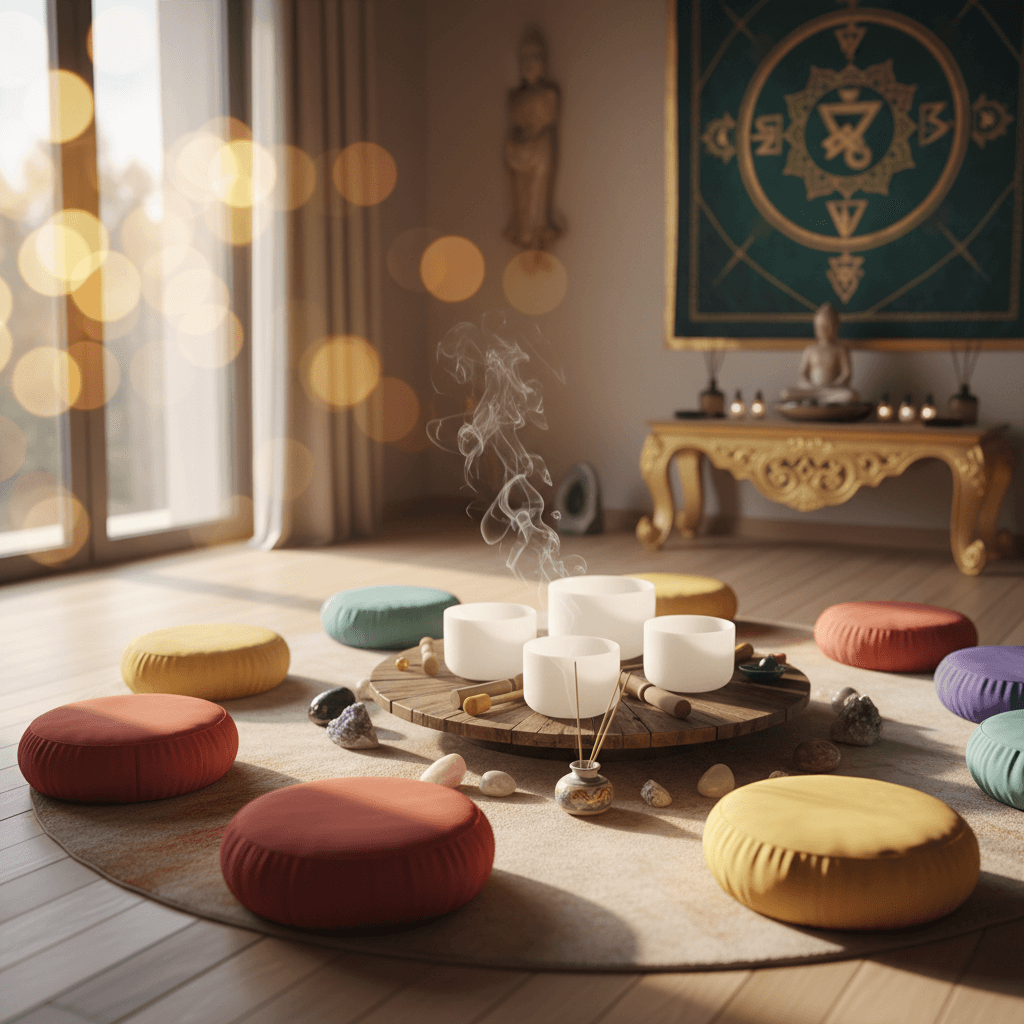
Sound Serenity: Calming Anxiety in Recovery with Soul Art
Key Insights
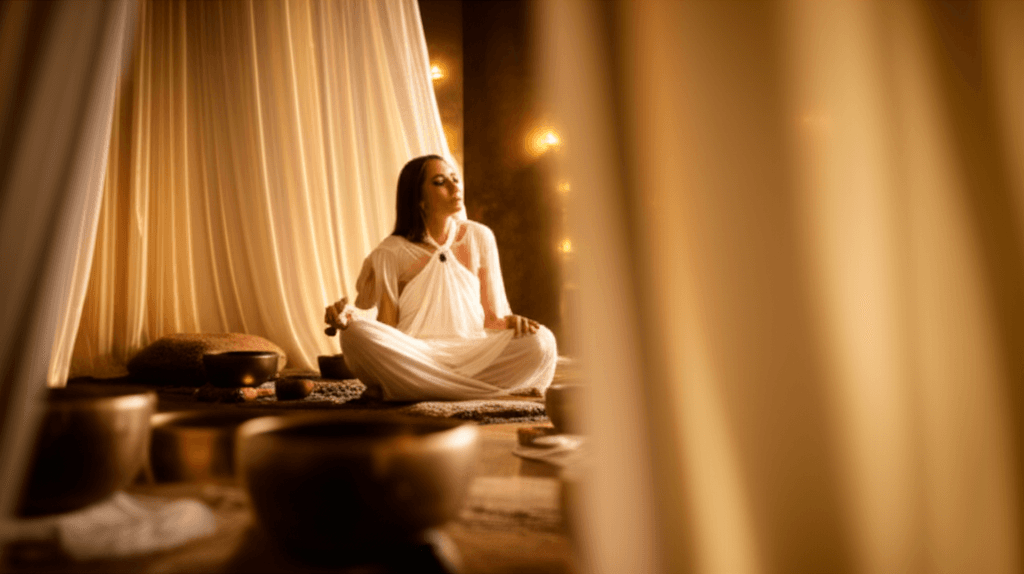
Explore how sound wellness, guided by Larissa Steinbach at Soul Art Dubai, offers a powerful, complementary approach to managing anxiety in recovery.
Reclaiming Calm: Sound's Role in Anxiety Management During Recovery
Anxiety, a pervasive and often debilitating emotion, can feel particularly challenging during periods of recovery, whether from stress, illness, or life transitions. It often manifests as a relentless mental hum, affecting both our emotional state and our physical well-being. But what if ancient wisdom, backed by modern science, offered a powerful, yet gentle, pathway to calm?
At Soul Art, Dubai’s premier sound wellness studio, we believe in the profound capacity of sound to restore balance and foster inner peace. Guided by our visionary founder, Larissa Steinbach, we explore how specially curated sound experiences can become a cornerstone of your wellness journey, significantly contributing to the management of anxiety. This article delves into the scientific underpinnings of sound calming techniques, offering insights into how these practices may support your path to serenity and resilience.
The Silent Epidemic of Anxiety in Recovery
The journey of recovery is often fraught with emotional turbulence. Whether navigating the aftermath of a demanding period, seeking to rebuild after personal challenges, or simply striving for a healthier lifestyle, anxiety can emerge as an unwelcome companion. This heightened state of stress can impede progress, disrupt sleep, and diminish overall quality of life. Many individuals seek complementary approaches that align with their holistic well-being goals, and sound wellness has emerged as a compelling option.
The Science of Sound: A Symphony for the Nervous System
The human body and mind are intricately connected, and sound has a remarkable ability to influence this connection. Research into natural sound exposure and structured sound interventions reveals a fascinating interplay between auditory input and our physiological and emotional states. These findings illuminate how sound can be a powerful tool for stress management and emotional regulation, particularly beneficial for those seeking a tranquil recovery.
Natural Sound Exposure and Emotional Regulation
Imagine the gentle rush of waves, the rustle of leaves, or the soft chirping of birds. These natural soundscapes are more than just pleasant background noise; they are potent agents for calm. A comprehensive meta-analysis of fifteen studies, involving 1285 participants, revealed that natural sound exposure (NSE) has significant positive effects on health recovery.
Specifically, in terms of emotional changes, NSE was shown to significantly reduce anxiety. Measurements using the Visual Analog Scale (VAS) indicated a reduction of less than 2.31 units (95% CI -2.83, -1.79), and the State Anxiety Inventory (SAI) showed a reduction of less than 12.22 units (95% CI -22.46, -1.98). These quantitative findings suggest that simply immersing oneself in the sounds of nature may offer a measurable decrease in feelings of anxiety. For individuals in recovery, creating an environment rich in natural sounds may provide a foundational layer of emotional support, fostering a sense of peace and reducing mental unrest.
Physiological Harmony: Sound's Impact on the Body
The benefits of natural sound exposure extend beyond emotional regulation, deeply impacting our physiological responses to stress. The same meta-analysis highlighted several key physiological changes associated with NSE. Participants experienced a reduced heart rate (HR) of less than 5.46 beats per minute (95% CI -9.62, -1.31), a decrease in systolic blood pressure (SBP) of less than 11.74 mmHg (95% CI -15.51, -7.97), and a reduction in diastolic blood pressure (DBP) of less than 13.98 mmHg (95% CI -24.96, -2.99). Additionally, respiratory rate (RR) also saw a decrease of less than 1.58 breaths per minute (95% CI -3.06, -0.10).
These reductions in key physiological stress markers indicate a shift from a sympathetic "fight or flight" state to a parasympathetic "rest and digest" state. This physiological calming is crucial for overall health and recovery, as chronic stress can hinder the body's natural healing processes. By influencing the autonomic nervous system, sound wellness practices may support the body in achieving a state conducive to deep relaxation and restoration.
The Mechanisms of Sound: Engaging Emotional Systems
Beyond natural sounds, structured sound interventions, such as those used in music therapy and sound healing, operate through multiple sophisticated mechanisms. One primary pathway involves engaging our emotional systems. The sentiment, or emotional tone, of sound plays a significant role; calming and positive emotional tones are frequently associated with reductions in anxiety and stress markers. Research, as noted in a review on sound interventions, indicates that high-uplifting music might enhance mood, while pleasant or major mode music can improve physiological recovery from stress, potentially by boosting feelings of well-being and reducing cortisol levels.
Another key factor is tempo-rhythm. Slower, steady rhythms often promote relaxation by modulating heart rate and respiratory patterns, while faster tempos can inadvertently increase arousal. Studies have shown that classical music, with its often slower and harmonious rhythms, may promote relaxation and improve blood pressure recovery after a stressful task more effectively than rock music or even silence. These findings underscore that the carefully chosen properties of sound can profoundly influence our emotional responses and facilitate a tranquil state necessary for effective recovery.
Bridging Science with Experience: How Sound Calms
Understanding the science helps us appreciate the intricate ways sound interacts with our being. In practice, sound calming techniques translate these scientific principles into tangible experiences, creating an environment where the mind can quiet and the body can release tension. These experiences can involve ancient instruments, modern auditory technologies, or simply carefully selected musical compositions.
Harnessing Specific Frequencies: Binaural Beats
A fascinating development in sound wellness is the use of binaural beats. These auditory illusions occur when two slightly different frequency pure-tone sine waves are presented one to each ear. The brain perceives a third "beat" frequency, which corresponds to the difference between the two tones. Growing evidence suggests that listening to binaural beats, particularly in the delta (less than 4 Hz) and theta (4-8 Hz) frequency ranges, can reduce physiological stress markers like heart rate variability and blood pressure, as well as self-reported anxiety.
For example, studies have found that individuals listening to binaural beats combined with music experienced significant reductions in anxiety, blood pressure, and heart rate. This effect is believed to stem from the brainwave entrainment that occurs, where the brain's electrical activity synchronizes with the beat frequency, guiding it into states associated with deep relaxation, meditation, and even sleep. This can be particularly beneficial for those seeking to quiet cognitive symptoms like rumination, which often accompany anxiety in recovery.
Ancient Wisdom, Modern Relief: Tibetan Singing Bowls
Steeped in centuries of tradition, Tibetan or Himalayan singing bowls offer a unique form of sound healing that has experienced a resurgence in recent years. These resonant metal bowls, when tapped or rubbed with a mallet, produce rich, complex vibrational sounds. Utilized by monks for spiritual and healing ceremonies, their soothing tones and palpable vibrations are now recognized globally for their potential in stress reduction.
One observational study found that participants engaging in Tibetan singing bowl sound meditation experienced significant reductions in tension, anxiety, and depressed mood. What's more, they also reported significant reductions in physical pain scores. The deep, resonant vibrations are thought to penetrate the body, promoting a profound sense of relaxation and encouraging the release of physical and emotional blockages. This ancient technique, with its holistic approach, offers a powerful, hands-on method for fostering tranquility and aiding recovery.
Personalized Soundscapes: The Power of Self-Selection
While specific frequencies and instruments hold immense power, the element of personal preference cannot be underestimated. Research on self-selected music listening after stress suggests that the music an individual chooses for themselves can be highly effective in promoting recovery. Studies indicate that listening to music, particularly self-selected music, is often more effective than silence or an audio control in supporting the recovery of heart rate, blood pressure, anxiety levels, and mood following a stressor.
"The symphony of well-being begins not with a grand overture, but with the subtle resonance that aligns with your innermost needs."
This highlights the importance of individual resonance with sound. What one person finds calming, another might not. Therefore, offering a diverse array of sound experiences or guiding individuals to discover their own preferred auditory pathways is crucial for maximizing the therapeutic potential of sound in managing anxiety during recovery. This personalized approach ensures a deeper connection and more profound engagement with the healing process.
The Soul Art Difference: A Sanctuary for Serenity in Dubai
At Soul Art, Larissa Steinbach and her team are dedicated to harnessing the profound power of sound to create deeply restorative experiences. Located in the vibrant heart of Dubai, Soul Art stands as a sanctuary where modern scientific understanding meets timeless wellness practices. Our approach is meticulously designed to offer a unique path to managing anxiety and fostering a robust recovery.
Larissa Steinbach's Vision for Holistic Well-being
Larissa Steinbach, the visionary founder of Soul Art, is driven by a passion for holistic well-being and an unwavering belief in the transformative power of sound. Her philosophy centers on integrating ancient healing traditions with contemporary scientific insights to craft experiences that resonate deeply with each individual. Larissa understands that recovery is a personal journey, and her approach emphasizes creating a safe, nurturing space where clients can explore and recalibrate their inner landscapes. She ensures that every session at Soul Art is not merely a listening experience but a journey towards self-discovery and profound calm.
Curated Sound Journeys at Soul Art
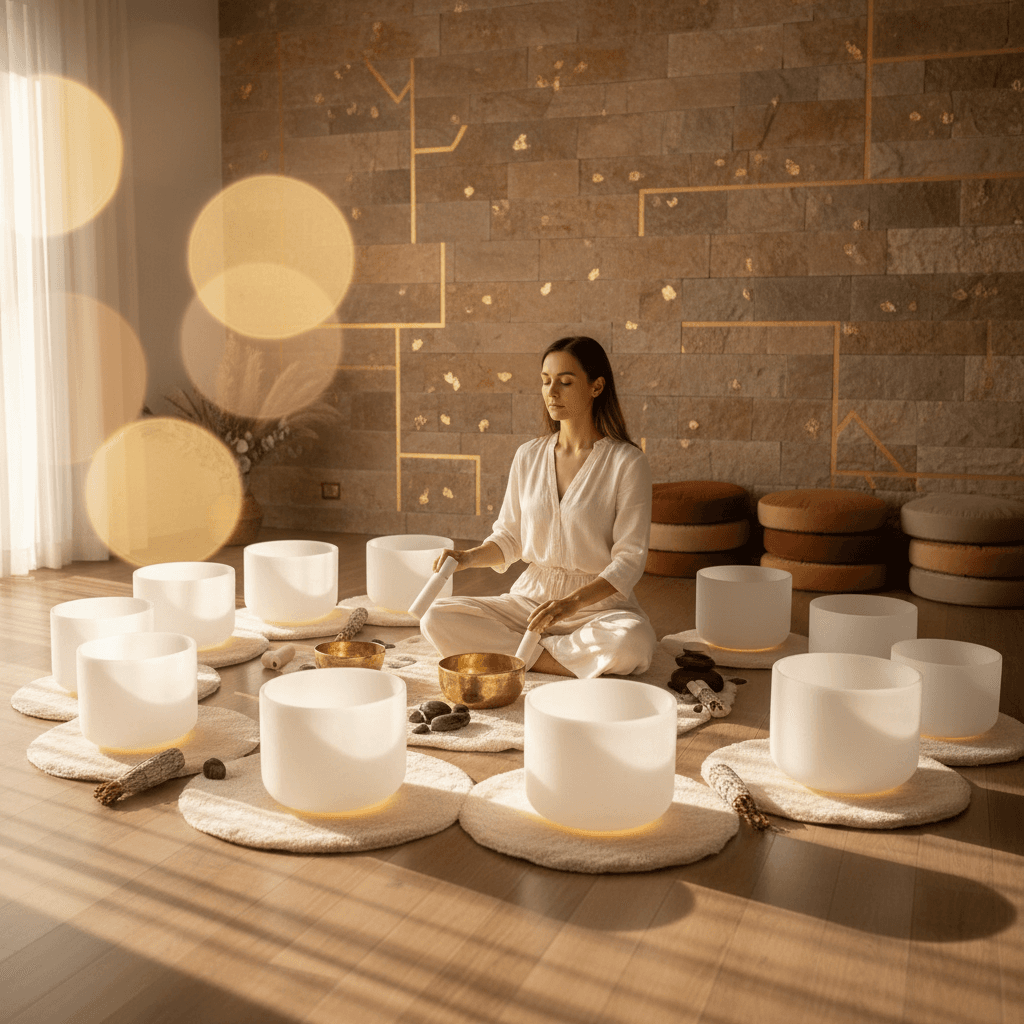
Soul Art offers a diverse range of curated sound journeys, each designed with specific intentions to support emotional balance and physiological restoration. We blend the best of traditional and modern sound techniques, creating an immersive environment that encourages deep relaxation. Clients may experience the soothing resonance of authentic Tibetan singing bowls, producing rich vibrations that calm the nervous system and release tension. The majestic tones of gongs and chimes contribute to expansive soundscapes, facilitating meditative states where anxiety can gently dissipate.
Our sessions often incorporate carefully composed soundscapes that integrate elements of natural sound exposure and precise frequencies, including binaural beats in the delta and theta ranges. This thoughtful combination aims to guide brainwave activity towards states conducive to healing and deep rest. At Soul Art Dubai, every sound session is more than an event; it's a meticulously crafted experience designed to reset your nervous system, quiet the anxious mind, and infuse your recovery journey with serenity and strength.
Cultivating Calm: Practical Steps for Your Journey
Integrating sound calming techniques into your daily life can be a powerful step towards managing anxiety in recovery. These practices are accessible and can be incorporated in various ways to support your ongoing well-being. Remember, consistency is key, and even short moments of mindful listening can make a difference.
- Embrace Natural Soundscapes: Spend time in nature, actively listening to the sounds around you. If access to nature is limited, explore high-quality recordings of natural sounds like ocean waves, rain, or forest ambience to help reduce anxiety and promote physiological calm.
- Curate Your Relaxation Playlists: Experiment with different genres of music that feature slower tempos, harmonious melodies, and positive emotional tones. Classical music, ambient tracks, or instrumental pieces in a major mode may be particularly effective in supporting a relaxed state and reducing stress.
- Explore Binaural Beats: Integrate binaural beat recordings into your self-care routine, especially those engineered for delta (less than 4 Hz) or theta (4-8 Hz) frequencies. Use headphones for the best effect, and start with short sessions, gradually increasing duration as you feel comfortable.
- Mindful Listening Practice: Dedicate specific time each day to simply listen, without judgment. Whether it's to a singing bowl recording, a piece of calming music, or the sounds of your environment, mindful listening can anchor you to the present moment and alleviate anxious thoughts.
- Consider Professional Guidance: For a deeply immersive and expertly guided experience, explore sound wellness sessions at a dedicated studio like Soul Art in Dubai. Professional facilitators can provide tailored experiences, introduce you to a wider array of instruments, and help you unlock the full potential of sound for your recovery journey.
Bookings Coming Soon
Soul Art is still in preparation. Session details and booking will be published here after launch.
Coming Soon
In Summary: Embracing Sound for a Resilient Recovery
The journey of recovery often brings with it the challenge of anxiety, impacting both our emotional and physical states. Scientific research consistently points to sound as a powerful, complementary tool for wellness. Natural sound exposure, specific musical tones, binaural beats, and ancient instruments like Tibetan singing bowls all demonstrate a measurable capacity to reduce anxiety, lower heart rate, decrease blood pressure, and calm respiration. These effects contribute to shifting the body into a state of deep rest and facilitating natural recovery processes.
At Soul Art, Larissa Steinbach and her team in Dubai are dedicated to creating bespoke sound experiences that harness these scientific insights. By blending tradition with innovation, Soul Art offers a sanctuary where individuals can find solace, manage anxiety, and cultivate a profound sense of inner peace. Embrace the transformative power of sound to support your journey towards a more resilient and serene recovery.
Wellness Disclaimer: This article is for educational and informational purposes only. It does not constitute medical advice, diagnosis, or treatment. Soul Art Dubai provides non-medical wellness experiences focused on relaxation, stress management, and general wellbeing. Sound wellness is a complementary practice and should not replace professional medical care.
Related Articles
LGBTQ+ Recovery: Sound Wellness for Inclusive Healing & Regulation
Relationship Recovery: The Science of Sound for Intimacy
Soulful Connections: The Science of Shared Sound Practices and Well-being Sponsorship