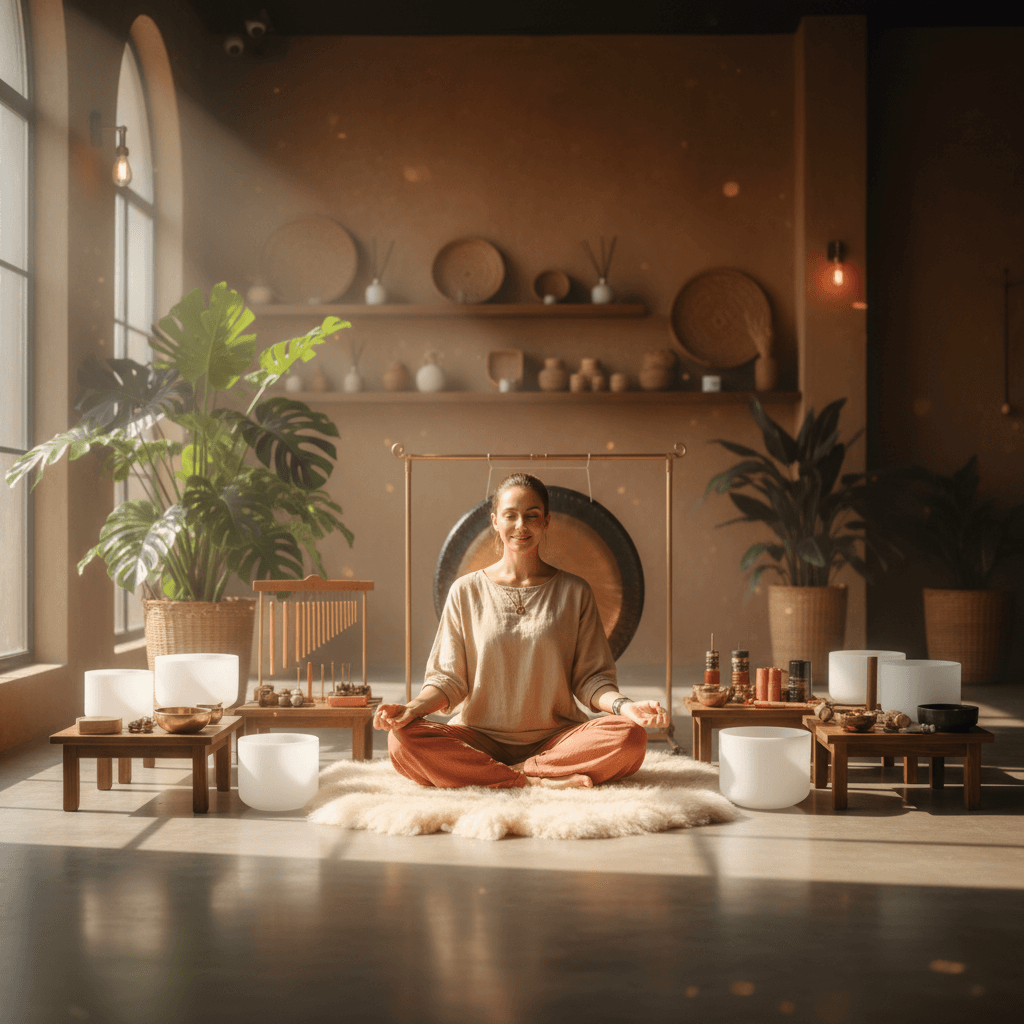
Antique vs. New Tibetan Bowls: Unveiling Their Distinct Frequencies & Soul
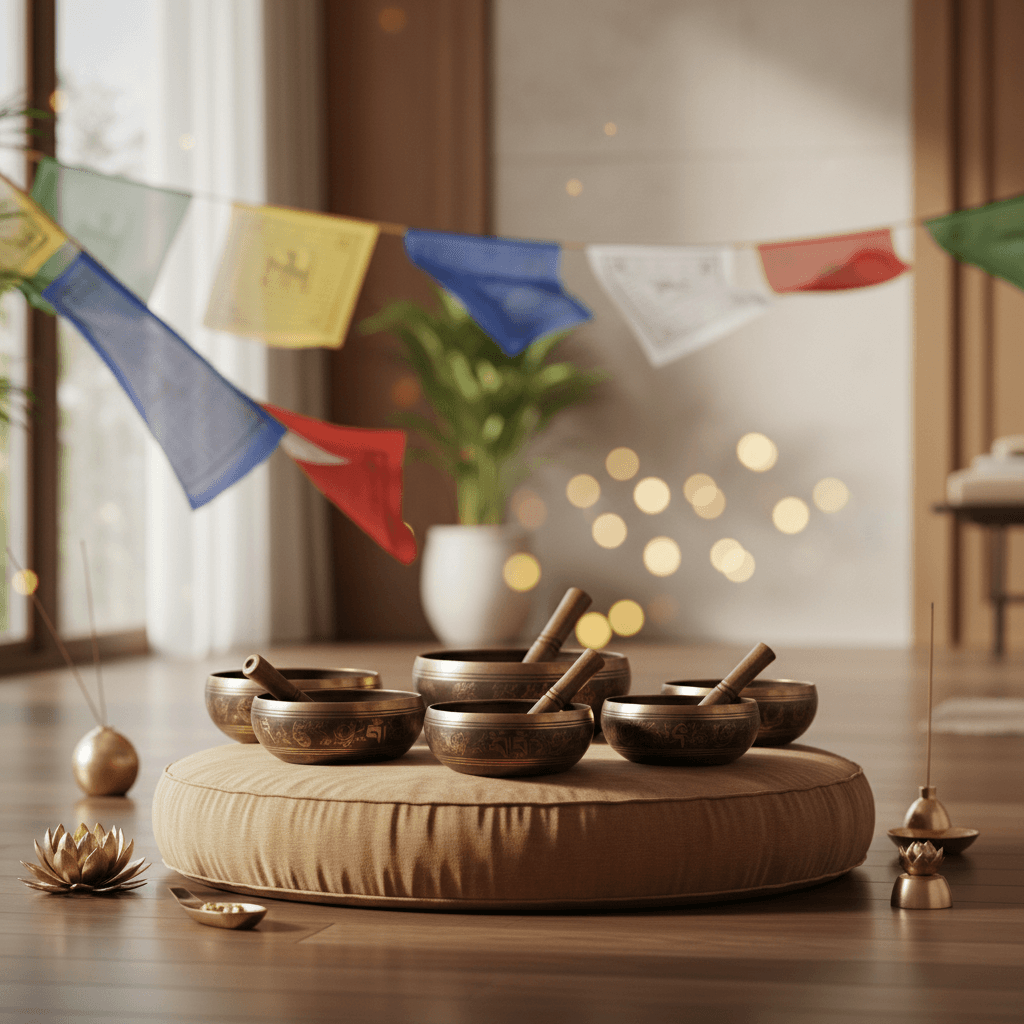
Key Insights
Explore the scientific and sonic differences between antique and new Tibetan singing bowls, their materials, and impact on wellness at Soul Art Dubai.
Unveiling the Resonance: Antique vs. New Tibetan Bowls at Soul Art
Have you ever wondered about the profound differences between an ancient Tibetan singing bowl, steeped in centuries of history, and a modern, meticulously crafted counterpart? While both can produce mesmerizing sounds, a closer look reveals a fascinating interplay of metallurgy, craftsmanship, and subtle energetic qualities that impact their resonance and therapeutic potential. This is not merely about old versus new; it's about understanding the unique sonic tapestries each type weaves.
At Soul Art, Dubai's premier sound wellness studio, we believe that true well-being begins with informed choices. Understanding these distinctions empowers you to appreciate the nuanced role each bowl can play in your journey towards relaxation, stress reduction, and inner harmony. Join us as we delve into the scientific and experiential realms of Tibetan singing bowls, guided by the expertise of Soul Art founder, Larissa Steinbach. We will explore what truly sets these instruments apart and why this knowledge matters for your holistic wellness.
The Sonic Tapestry: Unveiling the Science Behind Singing Bowls
The world of Tibetan singing bowls, often shrouded in mystique, is increasingly illuminated by scientific inquiry. At its core, the effectiveness of these instruments lies in their ability to produce stable, complex vibrational frequencies that interact with our bodies and minds. Understanding their composition and how sound works provides a grounded perspective on their benefits for wellness.
Material Composition: The Heart of the Resonance
Traditionally, Tibetan singing bowls were crafted from a specific bell metal bronze alloy, predominantly consisting of copper and tin. Scientific analyses consistently show this primary composition, typically around 80% copper and 20% tin. This precise ratio is fundamental to achieving the rich, resonant tones characteristic of authentic bowls.
The widely circulated "seven sacred metals" myth, claiming bowls were made with gold, silver, mercury, copper, iron, tin, and lead, has largely been debunked by metallurgical studies. While trace elements of lead, zinc, iron, gold, silver, and mercury might be found as impurities or minor additions in some older bowls, the core remains bronze. Only a handful of factories, even today, can furnish analyses showing significant seven-metal content. It is crucial to remember that lead, even in trace amounts, means singing bowls should never be used for drinking.
Modern contemporary bowls, in contrast, often utilize different alloys, with brass (a combination of copper and zinc) being common. While these bowls can still produce beautiful sounds, the specific metallurgical properties of traditional bronze contribute to a unique depth and sustain. The raw materials used today might also differ in purity, impacting the final sonic quality.
Durability: Built to Last Centuries
One of the most remarkable characteristics of traditionally crafted bronze Tibetan singing bowls is their extraordinary durability. These instruments are designed to endure for hundreds, even thousands, of years, standing as a testament to the ancient artisans' skill. It is genuinely challenging to damage a well-made bronze bowl through normal use.
Even antique bowls with visible cracks or small holes can often continue to produce resonant, beautiful sounds, provided the damage is located in the basin or lower wall. This resilience is a key factor in their historical value and longevity. There are accounts of antique bowls surviving significant impacts, further underscoring their robust construction. This inherent durability is why many antique bowls are still present today, carrying their history within their vibrant vibrations.
Frequencies and Brainwaves: How Sound Affects Us
Sound frequencies are physical vibrations that travel through the air, measured in hertz (Hz). When we experience the sustained tones of a singing bowl, these vibrations interact with our auditory system and, profoundly, with our brainwaves. This interaction is central to the reported benefits of sound wellness practices. Different frequencies and harmonic overtone structures can elicit distinct responses in the body and mind, influencing our physical and mental states.
Preliminary research and observational studies suggest that engaging with Tibetan singing bowl sound meditation may support significant reductions in tension, anxiety, and depressed mood. Some participants have even reported decreases in physical pain scores. While research in this area is still in its early stages, the findings are promising, indicating a strong relaxation effect. Studies utilizing heart rate variability have also demonstrated the profound relaxation effects associated with the playing of multiple Tibetan singing bowls.
It is important to approach claims about singing bowls with a balanced perspective. While their soothing sounds can powerfully promote relaxation and stress reduction, the widespread belief that they possess "magical healing powers" or that each bowl resonates at a single, unique frequency lacks robust scientific backing. Sound wellness practices, including those with singing bowls, are best understood as complementary approaches that can aid in holistic well-being and stress management, not as replacements for conventional medical advice or interventions.
"The true magic of sound bowls lies not in supernatural claims, but in the measurable impact of their frequencies on our nervous system, guiding us towards a state of profound peace and self-regulation."
The Tangible Experience: Antique vs. New Bowls in Practice
Beyond the scientific composition, the practical experience of interacting with antique and new Tibetan singing bowls reveals their distinct characteristics. These differences manifest in their appearance, the quality of their sound, and their intrinsic value. Understanding these nuances enriches the appreciation for these remarkable instruments and helps in making informed choices for personal practice or professional application.
Appearance and Craftsmanship: A Visual and Tactile Journey
Antique Tibetan singing bowls often carry a visible history, marked by centuries of hand-hammering and use. Their surfaces may show subtle imperfections, unique textures, and a patina that speaks to their age. Many authentic antique bowls feature intricate details, such as subtle hammer marks, or even unique markings and inscriptions. These etchings, sometimes in Sanskrit or ancient Tibetan scripts, can include mantras, symbols, or even artisan signatures, adding to their authenticity, historical importance, and collectible value. The level of mastery and care evident in their crafting is often astounding, with some antique bowls exhibiting such smooth, even walls that it is hard to imagine they were entirely hand-hammered.
In contrast, modern singing bowls, while often beautifully crafted, typically present a more uniform and polished appearance. While some contemporary artisans emulate traditional hand-hammering techniques, others may produce bowls with less meticulous finishing or rely on more streamlined processes. Some modern bowls are specifically designed with decorative images of Tara, Buddha, lotus flowers, or mandalas. It is important to note that the presence of such imagery does not inherently denote authenticity or enhance a bowl's effectiveness; this is a common marketing misconception. The true quality lies in the craftsmanship and material, not solely in surface ornamentation.
Sound Characteristics: A Symphony of Differences
The most striking distinction between antique and new bowls often lies in their sound. Antique singing bowls are frequently prized for producing a softer, sweeter, and more profoundly complex sound. Many practitioners describe the energy emitted by antique bowls as having a "soul" – a deeply resonant, layered quality that feels ancient and uniquely nuanced. These older bowls can produce a richer tapestry of overtones and a longer, more ethereal sustain that contemporary bowls may struggle to replicate. Their historical resonance, built up over years of use and interaction, seems to imbue them with an almost palpable sonic depth.
Modern bowls, on the other hand, offer a wide range of sound characteristics. They can be crafted to produce beautiful, clear tones and are often more readily available in specific frequencies or sizes. While they might sometimes have a more "metallic" sound compared to the mellowness of some antiques, high-quality contemporary master-crafted bowls can still offer powerful and effective sound experiences. Larger bowls, regardless of age, typically produce lower, more resonant tones, while smaller bowls naturally create higher-pitched sounds. The choice between antique and new often comes down to the desired sonic experience and the specific purpose for which the bowl will be used.
Value and Collectibility: Beyond the Sound
From an investment perspective, antique Tibetan singing bowls are generally more valuable and collectible. Their age, unique craftsmanship, rarity, and historical importance make them highly sought after by collectors and practitioners alike. As these instruments slowly disappear from the market, their value continues to appreciate, making them a significant long-term investment. They offer a tangible connection to history and a unique sonic signature that cannot be replicated.
Contemporary master-quality Tibetan bowls, while still a significant investment due to their handmade nature and unique qualities, are typically more accessible. They offer an excellent alternative for those whose primary concern is the quality of sound and effectiveness for wellness practices, rather than historical provenance. Whether antique or contemporary, a hand-hammered singing bowl is a unique instrument designed to last a lifetime, offering an invaluable tool for personal growth and well-being.
The Soul Art Difference: Harmonizing Ancient Wisdom with Modern Wellness
At Soul Art, Dubai, we understand that the choice between antique and new Tibetan singing bowls is a deeply personal one, guided by both scientific understanding and intuitive connection. Our founder, Larissa Steinbach, brings years of dedicated experience and a profound appreciation for these instruments, ensuring that every session is not just an experience, but a journey into deep resonance.
Larissa's approach at Soul Art is rooted in blending the timeless wisdom of sound healing with contemporary scientific insights into well-being. She meticulously curates a collection of both antique and high-quality contemporary Master-quality Tibetan bowls, each chosen for its unique vibrational signature and profound capacity to induce relaxation and harmony. Larissa possesses an expert ear and deep understanding of the subtle energy that sound carries, enabling her to select instruments that offer optimal benefits.
What truly makes the Soul Art method unique is the personalized attention and the deep intention woven into every session. Larissa guides clients through immersive soundscapes, utilizing the distinct characteristics of various bowls to address individual wellness goals. Whether it’s the rich, layered tones of an antique bowl to promote deep meditation, or the clear, focused frequencies of a contemporary bowl for nervous system regulation, each instrument is played with purpose and precision. We believe in providing access to genuine, high-quality instruments that truly elevate the wellness journey, moving beyond superficial marketing narratives to deliver authentic bio-resonance experiences.
Cultivating Your Inner Harmony: Practical Steps
Integrating the wisdom of Tibetan singing bowls into your life can be a transformative journey towards enhanced well-being. Here are some practical steps you can take today to explore their benefits and deepen your connection with sound wellness:
- Experience a Sound Bath: The most direct way to understand the impact of singing bowls is to experience a professional sound bath. At Soul Art, we offer immersive sessions designed to help you relax, reduce stress, and restore your nervous system.
- Listen to Your Intuition: If you're considering acquiring a bowl, spend time listening to different types—both antique and new. Allow your body and intuition to guide you towards the sound that resonates most deeply with you.
- Integrate Mindful Listening: Even without a bowl, practice mindful listening to the sounds around you. Notice how different frequencies affect your mood and focus. This cultivates a deeper appreciation for sonic environments.
- Prioritize Rest and Relaxation: Sound wellness is a complementary practice. Support its benefits by ensuring you prioritize adequate sleep, hydration, and other self-care practices that contribute to overall well-being.
- Explore Soul Art Sessions: Discover how Larissa Steinbach and the curated collection of bowls at Soul Art can support your unique path to harmony. Our expert guidance ensures an experience tailored to your needs.
Ready to immerse yourself in the profound tranquility that sound wellness can offer? We invite you to explore the unique resonance of Soul Art.
In Summary: Embracing the Resonance of Well-being
The journey through the world of Tibetan singing bowls, from venerable antiques to masterful contemporary creations, reveals a fascinating interplay of materials, craftsmanship, and profound sonic qualities. While antique bowls often captivate with their historical depth, unique patina, and distinctly soft, complex "soulful" sounds, modern master-quality bowls offer accessibility and a wide spectrum of clear, beautiful tones. Both are enduring, hand-hammered instruments capable of delivering powerful vibrational experiences.
At Soul Art, Larissa Steinbach meticulously curates an experience that honors this diversity, leveraging the unique properties of each bowl to foster deep relaxation, reduce stress, and support nervous system regulation. Whether drawn to the mystique of the ancient or the clarity of the new, the ultimate benefit lies in their capacity to guide you toward inner peace and holistic well-being. We invite you to discover this transformative journey at Soul Art.
Bookings Coming Soon
Soul Art is still in preparation. Session details and booking will be published here after launch.
Coming Soon
Wellness Disclaimer: This article is for educational and informational purposes only. It does not constitute medical advice, diagnosis, or treatment. Soul Art Dubai provides non-medical wellness experiences focused on relaxation, stress management, and general wellbeing. Sound wellness is a complementary practice and should not replace professional medical care.
Related Articles
AI-Generated Healing Music: The Future of Personalized Sound Wellness
Monochord: Unveiling The Transformative Power of Dubai's Sound Healing Bed
Native American Flute: Wind of the Spirit – Deep Healing with Soul Art