Harmonizing Healing: Pre-Op Sound for Anesthesia Reduction

Key Insights
Explore how pre-operative sound wellness, championed by Soul Art's Larissa Steinbach, may support anxiety reduction and potentially lower anesthesia needs for a calmer surgical experience.
Imagine facing a significant medical procedure, the kind that often comes with a cocktail of anxieties: apprehension about the unknown, fear of pain, and concern over recovery. This emotional landscape is familiar to many, yet what if a simple, non-invasive method could significantly ease this burden, potentially influencing the very amount of anesthesia required? Recent scientific explorations suggest that integrating sound wellness practices before surgery may offer a profound pathway to a more serene and less pharmacologically intensive experience.
Preoperative anxiety is not merely a fleeting emotion; it can have tangible physiological consequences, from elevated heart rate and blood pressure to a heightened perception of pain. These responses can sometimes complicate the induction of anesthesia and impede post-operative recovery. At Soul Art, we believe in empowering individuals with holistic tools that foster resilience and calm, and the emerging science around pre-operative sound interventions aligns perfectly with this ethos.
This article delves into the fascinating world where sound meets surgery, exploring how intentional auditory stimulation can prepare the mind and body for medical procedures. We will uncover the scientific mechanisms at play, illustrate how these practices translate into a calmer experience, and illuminate the unique approach pioneered by Larissa Steinbach at Soul Art in Dubai. Discover how embracing the power of sound may support a smoother journey through surgical care, offering a gentle yet impactful complementary approach to modern medicine.
The Science Explained
The human body and mind are incredibly sensitive to auditory stimuli. From the jarring impact of sudden noise to the soothing embrace of harmonious tones, sound constantly shapes our internal state. In the context of medical procedures, understanding this profound connection opens new avenues for enhancing patient wellbeing.
The Preoperative Landscape: Anxiety's Impact
Patients awaiting surgical procedures frequently experience significant anxiety, a natural response to uncertainty and the impending physical stressor. This pre-operative distress is far from benign; research indicates that it can lead to various negative physiological manifestations. These may include a faster heart rate, elevated blood pressure, and even a compromised immune response, potentially contributing to slower wound healing and an increased risk of infection. Furthermore, heightened anxiety can complicate the induction of anesthesia and significantly impede post-operative recovery, extending hospital stays and affecting overall patient satisfaction.
Traditional approaches often involve administering sedatives and anti-anxiety drugs before surgery. While effective in many cases, these pharmacological interventions can come with their own set of drawbacks, including potential side effects and a prolonged recovery time. This has spurred increasing attention towards non-pharmacological interventions, such as sound wellness, as complementary tools for managing pre-operative anxiety.
The Brain on Sound: A Symphony of Calm
Sound impacts our brain in profound ways, directly influencing our emotional and physiological states. When we engage with calming sounds or music, these auditory signals travel through the ear, activating various brain regions, including the auditory cortex, the limbic system (responsible for emotion), and the prefrontal cortex (involved in executive functions and emotional regulation). This intricate neural pathway helps to explain how sound can swiftly shift our internal experience.
For instance, studies have shown that music listening may have a beneficial effect on preoperative anxiety. A comprehensive review of 26 trials, involving over 2000 participants, suggested that listening to pre-recorded music resulted, on average, in a significant reduction in anxiety compared to standard care. This suggests that the brain processes these auditory inputs in a way that actively mitigates stress responses.
Moreover, the quality of the auditory environment itself plays a crucial role. A study published by the American Society of Anesthesiologists found that reducing noise in the operating room significantly improved children's behavior after surgery. This highlights how minimizing auditory stressors can contribute to better patient outcomes, underscoring the importance of a thoughtfully managed sound environment throughout the perioperative journey.
Hormonal Harmony and Nervous System Regulation
Beyond direct brain activation, sound wellness interventions have been associated with significant shifts in the body's hormonal and nervous system responses. These changes are central to the potential benefits observed in pre-operative settings.
One of the most well-documented effects of sound therapy is its ability to influence stress hormones. Multiple studies indicate that cortisol levels, often referred to as the "stress hormone," tend to decrease after sound therapy sessions. Simultaneously, the levels of beneficial neurochemicals like serotonin and oxytocin—often associated with feelings of well-being, trust, and calm—may increase. This recalibration of the hormonal landscape contributes directly to a reduction in overall stress responses, often within a single session.
Furthermore, sound interventions can help to rebalance the autonomic nervous system. The autonomic nervous system governs involuntary bodily functions and comprises two main branches: the sympathetic nervous system (responsible for "fight or flight" responses) and the parasympathetic nervous system (associated with "rest and digest"). Calming sounds are known to activate the parasympathetic nervous system, promoting a state of relaxation and physiological recovery. This shift is often reflected in changes in heart rate variability (HRV), an indicator of nervous system flexibility and stress resilience. Preliminary studies indicate that music intervention can affect the low-to-high frequency ratio of HRV, suggesting a positive influence on autonomic balance.
"The quiet symphony of sound, when intentionally applied, acts as a gentle conductor, guiding the body's internal orchestra from a state of discord to a harmonious rhythm, poised for healing."
By fostering this state of hormonal balance and parasympathetic dominance, sound wellness may create an optimal internal environment. This environment is conducive not only to reducing pre-operative anxiety but also to potentially influencing the physiological requirements for general anesthesia. When the body is calmer and less stressed, it may require less pharmacological intervention to achieve the desired state of moderate sedation, leading to a smoother and potentially faster recovery.
The Anesthesia Connection: Reduced Requirements and Improved Outcomes
The direct link between reduced pre-operative anxiety and anesthesia requirements is an area of growing interest and ongoing research. While individual responses can vary, the principle is straightforward: a calmer patient may need less medication to achieve the necessary level of sedation or anesthesia.
A randomized controlled trial investigating the effects of music therapy on women undergoing ambulatory breast surgery for cancer diagnosis and treatment provided compelling insights. Both live and recorded pre-operative music therapy interventions significantly reduced anxiety, with percent reductions of over 40%. The study's primary hypothesis was that patients in the music arms would require less anesthesia to reach a state of moderate sedation. While specific outcomes on anesthesia dosage varied across different studies and types of anesthesia, some research, such as a study by Lepage et al. (2001), has suggested a reduction in midazolam requirements when patients were exposed to music.
It's important to note that the efficacy of sound interventions can be influenced by factors like duration. An umbrella review suggested that music interventions lasting 20 minutes or longer may be more effective in reducing pre-operative anxiety. This highlights the importance of providing adequate time for the sound to exert its calming effects, allowing the brain and body to fully transition into a relaxed state.
The American Society of Anesthesiologists (ASA) emphasizes the importance of physician anesthesiologists evaluating and supervising patient care before, during, and after surgery to provide the highest quality and safest care. Incorporating non-pharmacological tools like sound wellness aligns with this commitment by seeking to optimize the patient's physiological and psychological state, thereby potentially improving overall perioperative outcomes. By supporting a reduction in anxiety and stress, sound wellness serves as a powerful complementary approach, fostering a more positive and gentle experience for patients facing surgery.
How It Works in Practice
Translating the science of sound into a tangible, beneficial experience for individuals facing surgery involves a carefully crafted approach. At Soul Art, we focus on creating an environment and experience that guides the individual into a profound state of relaxation and mental preparedness.
The Pre-Op Sound Journey
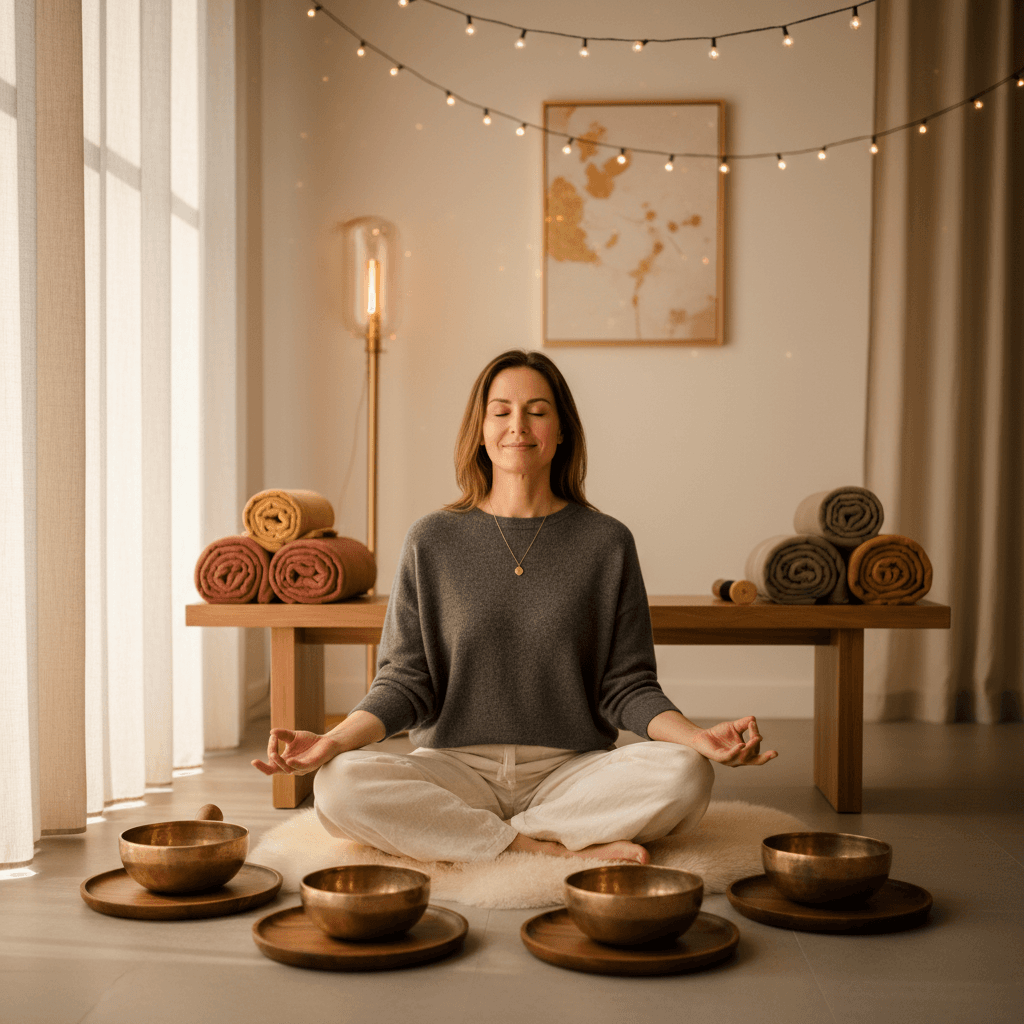
A typical pre-operative sound wellness session is designed to be a sanctuary of calm amidst the often-stressful build-up to surgery. Clients are guided into a comfortable position, often lying down, within a serene and visually soothing space. The session begins with gentle guidance, encouraging deep, conscious breathing, which is foundational for activating the parasympathetic nervous system. This initial phase helps to ground the individual, drawing their awareness away from external anxieties and into their present internal experience.
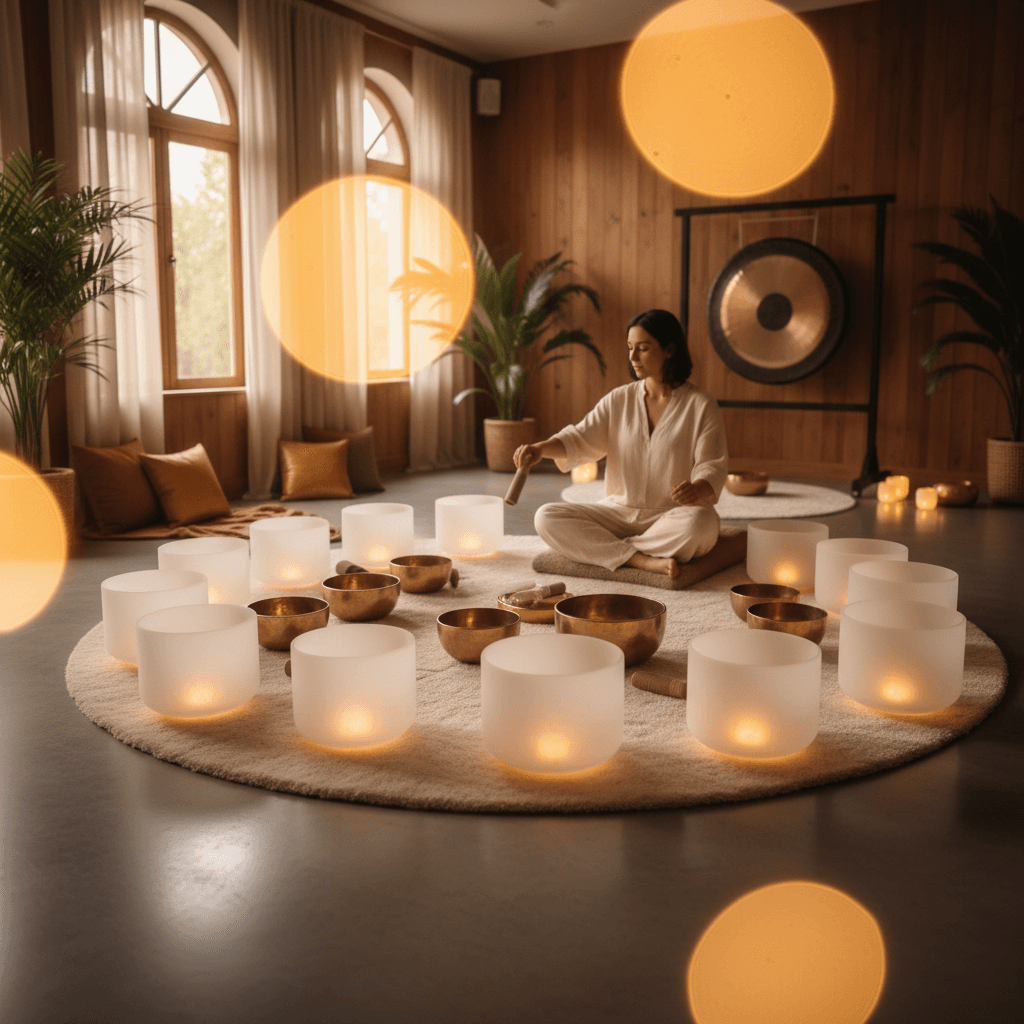
Once a state of relaxed awareness is established, the sound journey commences. This is not simply background music; it is an immersive auditory experience carefully curated for its therapeutic properties. The sounds themselves are often rich in harmonics and specific frequencies known for their calming effects. Instruments such as crystal singing bowls, Himalayan singing bowls, gongs, chimes, and gentle percussion are often used. These instruments produce resonant vibrations that are felt not just aurally but also somatically, permeating the body and facilitating a deeper level of relaxation.
The duration of the session is thoughtfully considered, with preliminary evidence suggesting that interventions lasting 20 minutes or longer may yield more significant anxiety reduction. During this time, the sustained, gentle soundscape helps to quiet the "inner chatter" of the mind, allowing racing thoughts about the surgery to dissipate. Many clients report a profound sense of peace and mental clarity, feeling more centered and less overwhelmed by the impending procedure. This internal shift is crucial for preparing the mind for the surgical journey ahead.
Sensory Experience and Deep Relaxation
The experience extends beyond just hearing. The low-frequency vibrations produced by many sound healing instruments activate mechanoreceptors in the body. This activation is believed to contribute to pain signal reduction through mechanisms like the gate control theory, where non-painful input can override painful sensations. It also promotes muscle relaxation and may decrease inflammation, further preparing the body for the physical demands of surgery and recovery.
Clients often describe feeling a gentle release of physical tension throughout their body, as if stress is literally melting away. This deep muscle relaxation, combined with the psychological relief, creates an ideal state for pre-operative preparation. The focus shifts from fear and apprehension to a sense of acceptance and calm readiness.
The goal of these sessions is to help individuals cultivate a resource of inner calm that they can tap into even in the surgical environment. By experiencing deep relaxation and nervous system regulation before the procedure, clients may enter the operating room in a more balanced state, potentially requiring less pharmacological assistance to achieve the necessary sedation. This proactive approach to well-being empowers individuals, transforming a potentially daunting experience into one approached with greater equanimity and peace.
The Soul Art Approach
At Soul Art, Larissa Steinbach has cultivated a unique and deeply personalized approach to sound wellness, drawing upon both scientific insights and ancient wisdom traditions. Her vision is to empower individuals in Dubai and beyond to access profound states of relaxation and healing, especially in moments of heightened stress such as preparing for surgery.
Larissa's method is founded on the understanding that each individual’s journey is unique. Rather than a one-size-fits-all solution, the Soul Art approach involves tailoring sound experiences to the specific needs and intentions of the client. This bespoke methodology ensures that the soundscape and techniques employed resonate most effectively with the individual's current emotional and physiological state, maximizing the potential for anxiety reduction and relaxation.
Personalized Sonic Journeys
Central to the Soul Art method is the intentional use of a diverse array of resonant instruments. Larissa Steinbach masterfully weaves together the pure tones of crystal singing bowls, the deep reverberations of gongs, the delicate chimes, and other vibrational tools. Each instrument is chosen for its specific energetic and auditory qualities, creating a harmonious resonance designed to guide the client into a meditative state. For instance, the sustained tones of gongs can help to induce brainwave states associated with deep relaxation, while the clear, pure frequencies of crystal bowls are believed to resonate with the body's energy centers, promoting a sense of balance.
The experience at Soul Art goes beyond passive listening. It’s an active engagement with vibration, where the client is encouraged to surrender to the sounds, allowing them to penetrate and soothe both the mind and body. This process facilitates a natural downshift in the nervous system, moving from a state of sympathetic dominance (stress) to parasympathetic activation (rest and repair). This carefully orchestrated process helps to calm the fight-or-flight response, reducing cortisol levels and fostering the release of feel-good hormones like serotonin and oxytocin.
Holistic Well-being for Surgical Preparedness
Larissa Steinbach's expertise lies in her ability to create a safe and nurturing space where clients can truly let go of their pre-operative worries. The Soul Art environment itself is designed to be a tranquil oasis, complementing the sonic experience. This holistic approach ensures that every aspect of the visit contributes to a sense of calm and well-being.
The goal is to not only reduce anxiety in the moment but also to equip clients with a sense of inner resilience that they can carry into the operating room. By experiencing this profound state of relaxation and mental clarity, individuals may feel more prepared, centered, and empowered as they approach their medical procedure. This proactive self-care practice becomes a vital component of the entire surgical journey, potentially leading to a smoother induction of anesthesia and a more comfortable recovery. Larissa and the Soul Art team are committed to offering these complementary wellness experiences, supporting individuals in achieving optimal physical and mental states for every phase of their life journey.
Your Next Steps
Embracing the potential benefits of sound wellness for pre-operative preparation is a powerful step towards a more serene surgical experience. Even if surgery isn't immediately on your horizon, cultivating a state of calm and mental clarity can enhance your daily life. Here are some practical steps you can take to explore this complementary approach:
- Mindful Breathing Practices: Begin incorporating deep, diaphragmatic breathing into your daily routine. Simple exercises like inhaling slowly for four counts, holding for four, and exhaling for six counts can help regulate your nervous system and reduce immediate stress responses.
- Curated Soundscapes at Home: Experiment with listening to calming music, nature sounds, or guided meditations. Many apps and online platforms offer therapeutic soundscapes specifically designed to promote relaxation and sleep. Aim for at least 15-20 minutes of dedicated listening time.
- Explore Sound Wellness Sessions: Consider attending a professional sound bath or sound healing session. Experiencing the resonant vibrations of instruments like singing bowls and gongs in a dedicated space can provide a much deeper level of relaxation and insight into this powerful practice.
- Discuss with Your Healthcare Provider: If you are preparing for surgery, have an open conversation with your medical team about your interest in complementary wellness practices like pre-operative sound. While not a replacement for medical advice, they may be open to incorporating non-pharmacological methods to support your emotional well-being.
- Prioritize Self-Care: Recognize that preparing for surgery is a holistic process. Alongside medical preparations, dedicating time to self-care activities that reduce stress—be it gentle movement, journaling, or connecting with loved ones—can make a significant difference in your overall experience.
Taking proactive steps to manage anxiety and cultivate inner calm can profoundly impact your well-being, especially when facing significant life events like surgery. These wellness practices offer a gentle yet powerful way to support your body and mind.
In Summary
Pre-operative anxiety is a widespread concern that can significantly impact a patient's surgical journey, potentially affecting everything from anesthesia requirements to post-operative recovery. Emerging scientific evidence strongly suggests that non-pharmacological interventions, particularly sound wellness practices, offer a promising complementary pathway to mitigate this anxiety. By influencing brain activity, balancing hormones, and regulating the nervous system, sound can guide individuals into a state of profound calm and preparedness.
This reduction in stress may support lower anesthesia requirements and contribute to an overall smoother, more positive surgical experience. Soul Art, under the guidance of Larissa Steinbach, provides bespoke sound wellness journeys tailored to individual needs, fostering deep relaxation and mental clarity. Embracing the therapeutic power of sound is a proactive step towards holistic well-being, offering a gentle yet impactful way to harmonize your mind and body for any challenge.
Bookings Coming Soon
Soul Art is still in preparation. Session details and booking will be published here after launch.
Coming Soon
Wellness Disclaimer: This article is for educational and informational purposes only. It does not constitute medical advice, diagnosis, or treatment. Soul Art Dubai provides non-medical wellness experiences focused on relaxation, stress management, and general wellbeing. Sound wellness is a complementary practice and should not replace professional medical care.