ALS Support: Harnessing Sound for Progressive Illness Wellness
Key Insights
Explore how sound therapy, a complementary wellness practice, may offer profound support for individuals navigating the challenges of progressive illnesses like ALS, enhancing quality of life.
ALS Support: Harnessing Sound for Progressive Illness Wellness
Imagine a world where comfort, calm, and connection could be gently woven into the daily experience of living with a complex, progressive illness. For those navigating the profound challenges of Amyotrophic Lateral Sclerosis (ALS), also known as Motor Neuron Disease (MND), this vision often feels distant. ALS is a rapidly progressing neurological disease that affects nerve cells in the brain and spinal cord, leading to loss of muscle control.
While pharmaceutical interventions play a crucial role, the quest for holistic wellness practices that may enhance quality of life and provide symptomatic support is increasingly vital. Sound therapy, a deeply immersive and non-invasive modality, is emerging as a promising complementary approach. It offers a unique pathway to address some of the distressing physical and emotional symptoms associated with ALS.
At Soul Art Dubai, founded by Larissa Steinbach, we explore how precisely calibrated sound and vibration may offer a serene sanctuary for individuals facing progressive illness. This article delves into the scientific underpinnings and practical applications of sound wellness, focusing on its potential to foster comfort, manage stress, and support overall well-being for those with ALS. We will explore how these gentle yet powerful frequencies can become a beacon of restorative support.
The Science Explained: How Sound Interacts with the Body and Brain
The human body is an intricate orchestra of systems, constantly responding to its environment. Sound therapy, particularly vibroacoustic therapy (VAT), leverages this intrinsic responsiveness by delivering specific low-frequency sine wave vibrations, typically between 30 and 120 Hz, directly to the body. This interaction is not merely auditory; it's a deeply physiological one.
Our bodies are equipped with an array of mechanoreceptors, specialized sensory receptors that detect mechanical stimuli such as pressure, distortion, and vibration. Among these, Pacinian corpuscles are particularly adept at detecting vibrations, sensing frequencies up to 1,000 Hz. When sound vibrations are applied, these mechanoreceptors transmit signals through the nervous system, initiating a cascade of physiological responses.
Neural Entrainment and Gamma Brain Waves
One of the most compelling areas of research involves the phenomenon of neural entrainment. This is where brainwave activity begins to synchronize with external rhythmic stimuli. Research from institutions like MIT’s Picower Institute has explored the effects of specific frequencies, such as 40 Hz, on neural activity.
This 40 Hz stimulation has been associated with the activation of gamma brain waves. Gamma waves are the highest frequency brain waves and are linked to critical cognitive functions including attention, memory consolidation, and heightened cognitive processing. While much of this research has focused on conditions like Alzheimer's pathology, where it has shown potential in reducing disease hallmarks in animal models and early human trials through "gamma entrainment using sensory stimulation" (GENUS), the underlying principles of neural plasticity and improved synaptic function are broadly relevant to neurodegenerative conditions.
Impact on the Autonomic Nervous System
Sound and vibration can profoundly influence the autonomic nervous system, which controls involuntary bodily functions like heart rate, breathing, and digestion. Many sound therapy practices aim to shift the nervous system from a state of sympathetic dominance (fight or flight) to parasympathetic activation (rest and digest). This shift can lead to a reduction in stress hormones like cortisol, a lowering of heart rate and blood pressure, and a general state of relaxation.
For individuals with ALS, who often experience heightened anxiety and stress due to the progressive nature of their illness, fostering this parasympathetic state is invaluable. Anecdotal evidence suggests that music therapy can increase mind-body connection and reduce feelings of loneliness, anxiety, and sadness for patients with advanced ALS. This points to the profound emotional and psychological support that sound wellness may provide.
Neuroplasticity and Motor Function Support
Sound therapy’s neuroprotective effects extend beyond cognitive processing. Studies from Wilfrid Laurier University in Waterloo, Ontario, have demonstrated that 40 Hz vibroacoustic therapy improved motor function in Parkinson’s disease patients, showing significant improvements in both tremor and dyskinesia symptoms. These findings suggest that specific frequencies can enhance neuroplasticity and stimulate alpha-motor neurons.
While direct, robust clinical music therapy applications for ALS are still an area of growing research, the broader understanding of how music stimulates global brain activation—sharing processing components with functions involved in language, movement, reasoning, and experiencing emotions—highlights its potential. This indicates that sound and vibration may gently encourage the brain's natural capacity for adaptation and repair, offering a supportive avenue for conditions affecting motor control. The goal is not to reverse the disease, but to potentially support existing functions and improve comfort.
How It Works in Practice: A Gentle Path to Well-being
In a sound wellness session designed to support individuals with progressive illnesses like ALS, the experience is carefully tailored to individual needs and comfort. It's a journey into sensory immersion, where both auditory perception and physical vibration contribute to a holistic sense of ease. The aim is to create a restorative environment that addresses a spectrum of symptoms and fosters emotional resilience.
Clients typically recline comfortably, often on a specialized sound bed or in a chair that allows for optimal vibrational transfer. The session might begin with gentle ambient sounds, gradually introducing a carefully selected range of frequencies delivered through instruments such as singing bowls, gongs, tuning forks, or specialized vibroacoustic equipment. The sound is felt as much as it is heard, with vibrations gently permeating the body.
Addressing Physical and Respiratory Comfort
One of the significant challenges for individuals with ALS is the progressive weakening of bulbar and respiratory muscles, affecting speech, swallowing, and breathing. Preliminary studies, such as the Music.ALS protocol, have explored home-based music therapy to sustain bulbar and respiratory functions in persons with early and mid-stage onset. These studies observed positive changes in objective measures of respiration, cough, speech, and swallowing, suggesting that adapted sound and vocal exercises can play a supportive role.
The vibrations delivered during a sound session may offer a subtle, non-invasive form of respiratory support. The gentle resonance throughout the chest cavity is reported by many people to induce a feeling of openness and ease in breathing. This may help in reducing distressing physical symptoms such as dyspnoea (shortness of breath) and pain, which are frequently reported in advanced ALS.
Supporting Cognitive and Emotional Well-being
Beyond the physical, sound therapy offers a powerful tool for cognitive and emotional support. ALS is not solely a motor disorder; some cognitive impairment (ALSci) or behavioral impairment (ALSbi) occurs in up to 50% of cases, with co-morbid dementia (ALS-FTD) in approximately 14% of patients. These can manifest as difficulties in executive function, attention, language, and memory.
The structured auditory input and neural entrainment facilitated by sound wellness practices may gently engage these cognitive pathways, offering a stimulating yet relaxing experience. On an emotional level, the deeply relaxing state induced by sound baths can reduce stress and anxiety, quiet racing thoughts, and enhance mood. This provides a much-needed respite from the emotional burden of living with a progressive illness, promoting feelings of peace and connection. Music therapy, in particular, has been described as "pleasant and restorative" for individuals with tracheostomy and their families, highlighting its role in creating a positive therapeutic environment.
The Soul Art Approach: Larissa Steinbach's Unique Method
At Soul Art Dubai, Larissa Steinbach brings a deeply empathetic and scientifically informed approach to sound wellness. Understanding the unique sensitivities and requirements of individuals living with progressive illnesses like ALS, the Soul Art method is meticulously crafted to offer gentle yet profoundly impactful experiences. It is a testament to the belief that even in the face of profound challenges, comfort, dignity, and moments of peace are always within reach.
Larissa's expertise lies in her ability to personalize each sound journey, drawing upon a diverse repertoire of instruments and techniques. She often incorporates specific vibroacoustic applications, utilizing frequencies like 40 Hz, which preliminary studies indicate can stimulate beneficial brainwave activity and promote deep relaxation. These vibrations are not just heard; they are felt throughout the body, engaging mechanoreceptors and encouraging a holistic response.
Tailored Soundscapes for Individual Needs
Each session at Soul Art begins with a gentle consultation, allowing Larissa to understand the client's current physical state, emotional needs, and any specific areas of discomfort or concern. This personalized approach ensures that the soundscape is perfectly attuned to support their well-being without overwhelming their system. Adaptations might include modifications to sitting posture for comfort, adjustments to the intensity and duration of specific frequencies, and the careful selection of instruments.
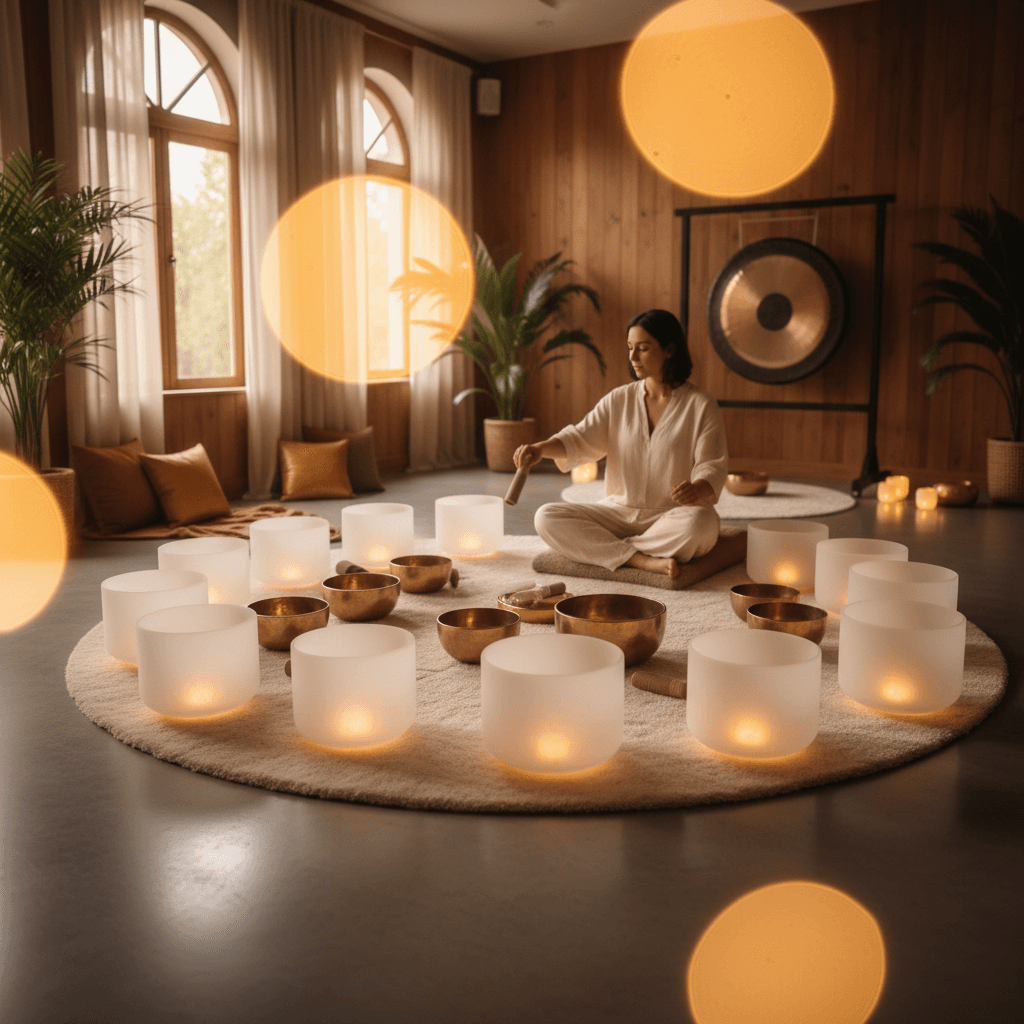
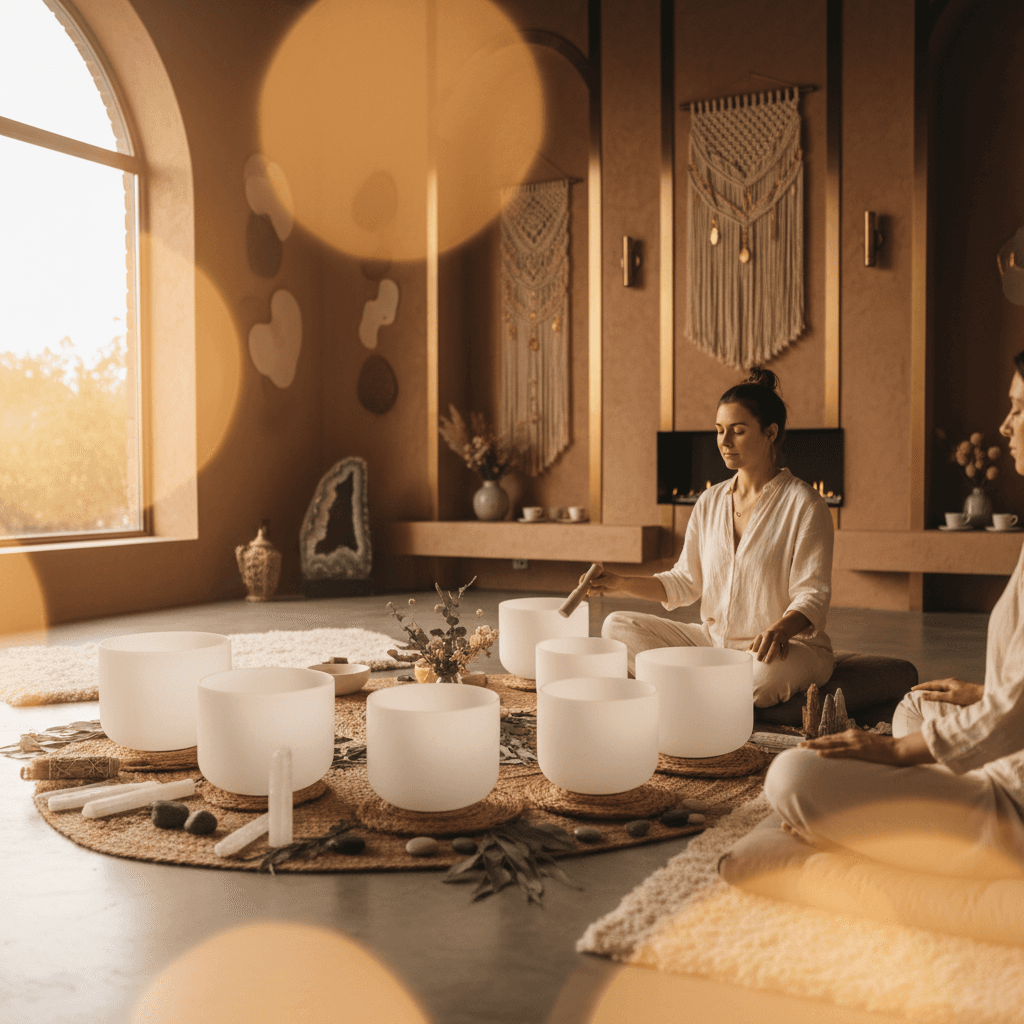
The studio's environment itself is designed as a sanctuary – a quiet luxury space where every detail contributes to a sense of calm and safety. Larissa frequently employs crystal singing bowls, gongs, and Himalayan bowls, chosen for their pure tones and resonant vibrations. She also integrates tuning forks for localized vibrational therapy, which may be particularly beneficial for specific areas of muscular tension or discomfort.
"True wellness support, especially for those with progressive illnesses, lies in the art of listening deeply – not just to their words, but to the subtle needs of their body and spirit. Sound provides a universal language of comfort." – Larissa Steinbach
Fostering Agency and Mind-Body Connection
A core tenet of the Soul Art method is empowering the individual. Larissa's approach, much like the home-based music therapy protocols for ALS, emphasizes developing a sense of agency within the therapeutic process. Clients are encouraged to actively engage with the sounds and sensations, to simply "be" with the experience, and to allow the frequencies to guide them toward a state of inner quiet.
This focus on the mind-body connection is critical for individuals living with ALS. When the body's control is progressively challenged, reclaiming a sense of connection and awareness through gentle, non-demanding sensory input can be incredibly grounding. It offers a powerful counterpoint to feelings of isolation and helplessness, fostering a renewed sense of self and presence. The Soul Art experience aims to provide a restorative pause, a moment of profound calm, and a gentle invitation for the body to find its own equilibrium.
Your Next Steps: Integrating Sound into Your Wellness Journey
Exploring sound wellness as a complementary practice can be a meaningful step for anyone seeking additional support for stress management, relaxation, and overall well-being, especially for those navigating progressive illnesses. While sound therapy is not a replacement for medical care, it offers a gentle yet powerful pathway to enhance comfort and quality of life.
Here are some practical steps you might consider:
- Consult Your Healthcare Team: Always discuss any new wellness practices with your doctor or medical specialists, especially when managing a complex condition like ALS. This ensures a coordinated approach to your care.
- Start with Gentle Exploration: Begin with short, gentle sound experiences. This could involve listening to calming music, nature sounds, or guided meditations that incorporate sound elements at home. Observe how your body and mind respond.
- Seek Qualified Practitioners: If considering professional sound wellness sessions, choose practitioners with a deep understanding of bioacoustics and a sensitive, client-centered approach. Larissa Steinbach and the team at Soul Art Dubai are experienced in tailoring experiences for diverse needs.
- Focus on Relaxation and Comfort: The primary goal of sound wellness in this context is to foster deep relaxation, reduce stress, and potentially alleviate discomfort. Approach sessions with an open mind and allow yourself to simply receive the gentle frequencies.
- Observe and Journal: Pay attention to how you feel during and after a session. Does your breathing feel easier? Do you experience a reduction in pain or anxiety? Keeping a simple journal can help you track potential benefits and discuss them with your wellness practitioner and healthcare team.
Embracing sound as a tool for self-care and holistic wellness can provide a precious resource in managing the daily realities of progressive illness. It's an invitation to find moments of stillness, peace, and restorative energy.
In Summary: A Harmony of Comfort and Care
Living with a progressive illness like ALS presents multifaceted challenges, extending beyond physical symptoms to impact emotional and cognitive well-being. While comprehensive medical care remains paramount, complementary wellness practices like sound therapy offer a profound avenue for support. Research, though continually evolving, suggests that specific sound frequencies and vibroacoustic applications may facilitate deep relaxation, mitigate pain perception, and gently engage neural pathways, potentially supporting respiratory function and cognitive ease.
The tailored approach at Soul Art Dubai, guided by Larissa Steinbach, emphasizes personalized soundscapes designed to foster comfort, reduce anxiety, and enhance the mind-body connection. By providing a sanctuary of calm and targeted vibrational support, sound wellness aims to improve the overall quality of life for individuals and their families. It is a gentle reminder that even amidst adversity, harmony and moments of restorative peace are always possible.
Bookings Coming Soon
Soul Art is still in preparation. Session details and booking will be published here after launch.
Coming Soon
Wellness Disclaimer: This article is for educational and informational purposes only. It does not constitute medical advice, diagnosis, or treatment. Soul Art Dubai provides non-medical wellness experiences focused on relaxation, stress management, and general wellbeing. Sound wellness is a complementary practice and should not replace professional medical care.