Alcohol Recovery: Sound Support for Sustained Sobriety
Key Insights
Discover how sound wellness, offered by Soul Art and Larissa Steinbach, provides unique support for alcohol recovery and sustained sobriety in Dubai.
Could the gentle resonance of a singing bowl or the deep vibration of a gong hold a key to navigating the complex journey of alcohol recovery? In an era where the "sober curious" movement is prompting many to reconsider their relationship with alcohol, the demand for holistic, supportive pathways to sustained sobriety is growing. True recovery from an alcohol use disorder (AUD) often necessitates profound changes, extending far beyond the cessation of drinking to encompass a transformation of one's sense of self and approach to life.
This article delves into how sound wellness practices, such as those offered by Soul Art in Dubai under the expert guidance of Larissa Steinbach, can serve as a powerful complementary tool. We will explore the scientific underpinnings of sound's impact on the brain and body, how these practices translate into tangible benefits for individuals seeking long-term sobriety, and what makes the Soul Art method a unique sanctuary for healing. Join us as we uncover how the ancient art of sound can help foster resilience, calm, and clarity on the path to a brighter, alcohol-free future.
The Science Explained: Resonating Towards Recovery
The journey to sustained sobriety is multifaceted, often involving significant physiological and psychological changes. While practical support and general encouragement are invaluable, research suggests that deep recovery requires a fundamental shift in one's sense of self. This is where sound wellness, as a complementary approach, may offer profound support by addressing the nervous system, brain function, and emotional regulation.
Brainwave Entrainment and Nervous System Regulation
Sound wellness operates on the principle of brainwave entrainment, a natural phenomenon where brain activity synchronizes with external rhythmic stimuli. During sound sessions, specific frequencies and harmonic vibrations are introduced, gently guiding the brain into states associated with deep relaxation and meditation.
Studies using electroencephalograms (EEGs) have observed distinct changes in brainwave patterns during sound healing sessions. Researchers have found that different sound frequencies can be associated with various energy levels and states of relaxation. Notably, singing bowl sound meditation has been shown to induce a distinct change in delta brain waves, which are the slowest brainwave state and are profoundly linked to the deepest levels of relaxation and restorative sleep. This shift into delta or theta brainwave states can help reduce the heightened anxiety and stress often experienced during alcohol withdrawal and early sobriety.
Moreover, sound can impact the vagus nerve, a crucial component of the parasympathetic nervous system, responsible for the "rest and digest" response. Gentle vibrations and resonant tones can stimulate the vagus nerve, promoting a physiological state of calm that counters the "fight or flight" response often overactive in individuals experiencing addiction or recovery-related stress. This regulation is vital for managing cravings and preventing relapse.
Mitigating Physical Discomfort and Emotional Dysregulation
For many in recovery, particularly during initial medical detox, physical discomfort can be a significant challenge. Some research indicates that low-frequency sound stimulation has been associated with helping reduce physical pain. For instance, one study found it beneficial for patients with fibromyalgia. While not a cure, mitigating physical pain can be incredibly supportive for individuals undergoing medical detox or those whose substance misuse was influenced by chronic pain conditions. It allows them to focus more on their mental and emotional recovery rather than being overwhelmed by bodily sensations.
Beyond physical sensations, alcohol use disorder often disrupts brain function, leading to emotional instability, impulsive behavior, and intense cravings. Sound wellness practices may assist in rebalancing these functions. By fostering a deep state of relaxation, sound can help individuals access and process emotions in a safe, supported environment. This can be particularly valuable for those struggling with underlying mental health conditions like depression and anxiety, which frequently co-occur with AUDs. The meditative states induced by sound can improve emotional regulation and reduce the frequency of depressiogenic thoughts, as some studies suggest concerning music therapy.
Fostering a New Sense of Self and Social Support
Recovery is more than just stopping drinking; it "requires major changes in" one's life, including a fundamental shift in sense of self. Qualitative research on long-term sobriety highlights that while practical support and encouragement are valued, participants especially cherished instances where their personal constructs — their unique ways of interpreting the world and themselves — were validated and evolved.
People recovering from AUDs often have fewer social network supports, yet receiving social support from significant others is critical for reinforcing and maintaining changes in addictive behavior. Sound wellness sessions, especially in group settings, can provide a unique form of non-verbal, communal support. The shared experience of deep relaxation and introspection can foster a sense of connection and belonging, contributing to a supportive community environment. This type of environment can gently encourage participants to explore and reconstruct their self-perception in a positive, empowering way, moving beyond the identity associated with addiction.
"Recovery from an AUD means much more than merely stopping drinking in an otherwise unchanged life and requires major changes in the individual's sense of self and their role relationships."
This deeper understanding of social support suggests that wellness practices promoting inner peace and self-discovery are not just supplementary but integral to holistic, long-term sobriety. By facilitating a return to a more centered, authentic self, sound wellness empowers individuals to build a foundation for a life free from alcohol.
How It Works in Practice: Integrating Sound Wellness into Your Recovery Journey
The theoretical understanding of sound's effects translates into a deeply felt, practical experience for those embarking on or continuing their recovery journey. Integrating sound wellness into a comprehensive aftercare plan can significantly bolster an individual's efforts to maintain long-term sobriety.
Creating a Sanctuary for Inner Healing
Upon entering a dedicated sound wellness space, such as Soul Art, clients are welcomed into a serene environment designed to be a sanctuary. The ambiance is carefully curated: soft lighting, calming aromas, and comfortable furnishings contribute to an immediate sense of peace and safety. This environment is crucial, offering a non-judgmental space where individuals can let go of external pressures and internal anxieties often associated with the recovery process.
This carefully crafted atmosphere allows the nervous system to begin relaxing even before the sounds begin. It signals to the body and mind that this is a space for restoration, a stark contrast to the chaotic or stressful environments that might have perpetuated past behaviors. This sense of security is foundational for deep healing.
The Immersive Experience of Sound
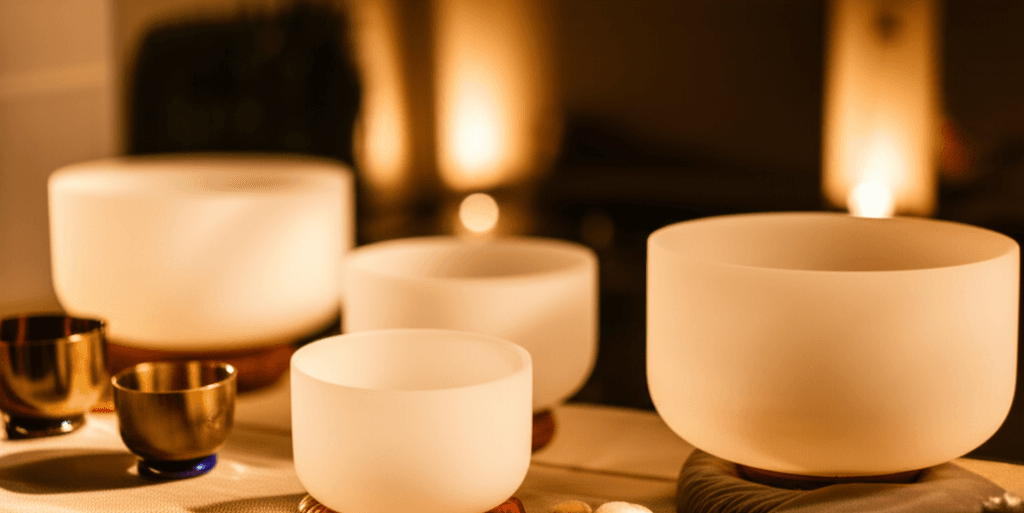
During a sound wellness session, clients typically lie down comfortably while a practitioner uses a variety of instruments to create an immersive soundscape. The sounds produced by Himalayan singing bowls, crystal singing bowls, gongs, chimes, and tuning forks are not merely heard; they are felt. These instruments produce resonant vibrations that travel through the air and into the body, creating a subtle internal massage at a cellular level.
Clients report a range of experiences, from a profound sense of deep relaxation to vivid meditative states. Many describe feeling tension release from their muscles and a significant reduction in mental chatter. The vibrations can help dissolve energetic blocks, facilitate emotional release, and bring about a sense of clarity and renewed energy. Some experience insights into their emotional patterns or a deeper connection to their inner wisdom, which can be invaluable for understanding and addressing the root causes of addiction.
Fostering Self-Regulation and Inner Calm
Regular engagement with sound wellness practices can cultivate self-regulation abilities, which are paramount in maintaining sobriety. By consistently exposing the nervous system to states of deep calm, individuals may learn to more effectively manage stress, anxiety, and the intense cravings that can trigger relapse. Sound sessions act as a training ground for the brain and body to return to equilibrium.
This consistent practice helps to build resilience against external stressors and internal temptations. Clients develop new coping mechanisms that are rooted in mindful awareness and self-compassion, shifting away from destructive patterns. The internal quiet achieved during a sound bath can provide a space for introspection, allowing individuals to observe their thoughts and emotions without judgment, a critical step in developing healthier responses to life’s challenges. This sustained aftercare approach, which goes beyond initial rehabilitation, has been identified as a key determining factor in reducing relapse rates, emphasizing the importance of continuous support for long-term sobriety.
Larissa Steinbach's Vision: The Soul Art Difference
At Soul Art, Dubai's premier sound wellness studio, Larissa Steinbach brings a unique blend of scientific understanding, profound empathy, and artistic sensibility to the practice of sound healing. Her vision is to create a nurturing space where individuals can tap into their innate capacity for healing and transformation, particularly those navigating the sensitive path of alcohol recovery. The Soul Art approach is distinguished by its personalized care and its commitment to holistic well-being.
Larissa recognizes that the journey to sobriety is deeply personal and never "one size fits all." This understanding informs every aspect of the Soul Art experience. She tailors sessions to meet the specific needs and intentions of each client, whether they are seeking stress reduction, emotional release, enhanced self-awareness, or deeper relaxation to support their recovery. Her methodology integrates ancient wisdom with contemporary wellness practices, ensuring a rich and effective experience.
The instruments chosen by Larissa Steinbach are central to the Soul Art method. Clients experience the transformative power of:
- Himalayan Singing Bowls: Known for their rich, earthy overtones and deep, penetrating vibrations that resonate deeply with the body.
- Crystal Singing Bowls: Valued for their pure, clear tones and harmonic frequencies that are believed to align with energy centers.
- Gongs: Offering expansive, powerful sounds that can facilitate profound states of altered consciousness and deep release.
- Chimes and Tuning Forks: Used for their delicate, shimmering sounds and precise frequencies that can target specific areas of the body or energy field.
Beyond the instruments, Larissa incorporates guided meditation and breathwork into her sound journeys. These elements enhance the effectiveness of the sound by guiding participants into deeper states of relaxation and mindfulness, fostering a stronger mind-body connection. The intention-setting at the beginning of each session helps clients focus their energy on their recovery goals, reinforcing their commitment to sobriety. Soul Art's method fosters a deep connection to the self, promoting inner peace and a renewed sense of purpose vital for sustained recovery.
Empowering Your Path to Sustained Sobriety
Integrating sound wellness into your alcohol recovery journey is a proactive step towards nurturing your mind, body, and spirit. It is a powerful complementary approach that can work harmoniously with other proven recovery pathways, such as 12-Step programs like Alcoholics Anonymous (AA), which have demonstrated efficacy in supporting abstinence and sobriety, or various forms of therapy. Sound wellness does not replace medical treatment or professional counseling but rather enhances and deepens the holistic process of healing.
Here are some actionable steps you can implement to empower your path to sustained sobriety with sound support:
- Prioritize Professional Guidance: Always ensure you are receiving appropriate medical and therapeutic support for your alcohol recovery. Sound wellness is a supportive practice that complements, but does not replace, clinical interventions.
- Embrace Consistency: Regular engagement with sound wellness sessions can lead to cumulative benefits. Just like any self-care practice, consistency is key to training your nervous system and reinforcing healthier patterns of emotional regulation.
- Combine with Mindful Practices: Enhance the effects of sound wellness by integrating other mindful activities into your daily routine. Practices like journaling after sessions, gentle yoga, meditation, or spending time in nature can deepen introspection and help integrate the insights gained during sound journeys.
- Explore Group and Individual Sessions: Consider both group sound baths, which offer a sense of community and shared experience, and individual sessions. Individual sessions at Soul Art provide a personalized approach, allowing Larissa Steinbach to tailor the sound experience specifically to your unique needs and recovery goals.
- Cultivate a Sober Lifestyle: Recognize that recovery is a holistic endeavor. Nurture your body with nutritious food, engage in regular physical activity, prioritize quality sleep, and build a strong, supportive social network. Sound wellness supports these pillars by fostering inner calm and reducing stress.
By actively engaging in these steps, you can harness the profound potential of sound to support your journey towards a healthier, more peaceful, and sustainably sober life.
Embracing a New Chapter with Sound Support
The path to sustained sobriety is a profound journey of self-discovery, resilience, and transformation. As we have explored, sound wellness, guided by the expertise and empathy of Larissa Steinbach at Soul Art, offers a unique and scientifically grounded avenue of support. Through the gentle yet powerful vibrations of sound, individuals can experience deep relaxation, nervous system regulation, and a renewed sense of self.
This holistic wellness practice serves as a vital complementary tool, helping to alleviate stress, reduce physical discomfort, and foster emotional equilibrium—all crucial elements in navigating the complexities of alcohol recovery. By integrating sound into your aftercare, you are not just stopping a habit; you are embracing a new way of being. We invite you to explore the serene embrace of Soul Art and discover how the frequencies of well-being can illuminate your path to lasting sobriety.
Bookings Coming Soon
Soul Art is still in preparation. Session details and booking will be published here after launch.
Coming Soon
Wellness Disclaimer: This article is for educational and informational purposes only. It does not constitute medical advice, diagnosis, or treatment. Soul Art Dubai provides non-medical wellness experiences focused on relaxation, stress management, and general wellbeing. Sound wellness is a complementary practice and should not replace professional medical care.
Related Articles

LGBTQ+ Recovery: Sound Wellness for Inclusive Healing & Regulation
Relationship Recovery: The Science of Sound for Intimacy
Soulful Connections: The Science of Shared Sound Practices and Well-being Sponsorship