Healing Echoes: Sound Wellness for Adult Children of Alcoholics
Key Insights
Explore how sound healing offers profound support for Adult Children of Alcoholics (ACOAs) in navigating attachment challenges, stress, and fostering emotional well-being at Soul Art Dubai.
The silent struggles of Adult Children of Alcoholics (ACOAs) often echo through a lifetime, manifesting as deeply ingrained patterns of anxiety, avoidance, and a pervasive sense of unease. For millions globally, growing up in a household with an alcoholic parent casts a long shadow, shaping attachment styles, personal well-being, and even future relationships. Research indicates that ACOAs are an understudied yet significantly impacted population, with an estimated 21 million children of alcoholics living in the United States alone. These early experiences often lead to increased psychological distress and a diminished sense of hope in adulthood.
At Soul Art Dubai, founded by wellness visionary Larissa Steinbach, we understand that true healing extends beyond traditional modalities, embracing complementary practices that nurture the mind, body, and spirit. This article delves into the profound, scientifically-grounded ways sound healing can offer a sanctuary and a pathway to nervous system regulation for ACOAs. We will explore how specific frequencies and vibrations may support the release of stored tension, foster healthier internal attachment, and cultivate a renewed sense of hope and resilience. Discover how this sophisticated wellness practice can provide practical tools for navigating life's complexities and transforming inherited patterns into conscious choices for well-being.
The Enduring Echoes: Understanding the Impact on ACOAs
The foundation of human well-being is often laid in early childhood, particularly through the quality of our primary attachment relationships. For Adult Children of Alcoholics (ACOAs), these foundational experiences are frequently characterized by inconsistency, emotional unavailability, and unpredictability, leaving lasting imprints on their psychological landscape. This early environment can significantly predispose individuals to a range of challenges that persist well into adulthood.
The Silent Burden of Attachment & Psychological Distress
Extensive research underscores the heightened vulnerability of ACOAs to psychological dysfunction and potential psychopathology. Studies by Haverfield & Theiss (2014) indicate that individuals raised by an alcoholic parent face an increased risk in this regard. This predisposition manifests in several key areas that profoundly impact an ACOA's life trajectory and their capacity for genuine connection.
ACOAs frequently exhibit attachment-related anxiety and avoidance, patterns that can undermine the development of secure relationships. They are also often associated with lower levels of hope and report higher general psychological distress compared to their non-ACOA counterparts (Anda et al., 2002; Hall & Webster, 2002; Haverfield & Theiss, 2014). Early attachment relationships are critical predictors of adult levels of hope, suggesting that unhealthy attachments can hinder personal growth.
The impact of decreased or unhealthy attachments, especially prevalent among ACOAs, can be far-reaching. Children who experience emotionally or physically unavailable parents may develop withdrawn and anxious behaviors, as noted by Bowlby (1973, 1980). This can prevent them from learning healthy coping mechanisms, leading them to deny problems rather than actively seeking solutions (Kurzeja, 2014). Such learned behaviors can unfortunately contribute to a continuation of cycles of addiction, either personally or within future familial dynamics.
Harvard’s nearly 80-year-long study on adult development offers a compelling perspective, revealing that strong social support and healthy relationships are paramount for longevity and mental well-being. The study's director, Robert Waldinger, observed that "Loneliness kills. It’s as powerful as smoking or alcoholism." This underscores the critical need for ACOAs, who often struggle with relational challenges, to find avenues that support genuine connection and alleviate the profound impact of isolation.
Sound Healing: A Journey to Nervous System Harmony
In the face of these deep-seated challenges, complementary wellness practices like sound healing are emerging as powerful allies, offering innovative ways to support nervous system regulation and emotional well-being. Sound healing is a holistic approach that leverages specific frequencies and vibrations to induce states of profound relaxation and promote internal balance. Its efficacy is increasingly being explored through scientific investigation, demonstrating its potential to address both psychological and physiological stressors.
The mechanism behind sound healing's impact involves the intricate interplay between auditory perception and the body’s autonomic nervous system. Electroencephalograms (EEGs) have been utilized in some studies to measure brain activity during sound healing sessions. Researchers have found that varying sound frequencies correlate with different energy levels and relaxation states. A study specifically examining the effects of singing bowls observed "a distinct change in delta brain waves," which are the brainwave states associated with the deepest levels of relaxation (recovery.com). This suggests that sound therapy may have a direct and measurable impact on brain activity, facilitating a shift towards a calmer, more restorative state.
Beyond the mental realm, the physical effects of sound therapy are particularly compelling. Preliminary studies indicate that sound therapy may help reduce physical pain. One notable study demonstrated that low-frequency sound stimulation aided in reducing pain for patients with fibromyalgia (Naghdi et al., 2015). The potential for vibration to act as an alternative for pain relief, possibly reducing reliance on substances, is an area of growing interest (UCLA Health). This may be especially relevant for individuals whose substance misuse was influenced by chronic pain or other medical conditions.
Furthermore, exposure to natural sounds, whether live or recorded, has been shown to significantly reduce anxiety, as evidenced by both Visual Analog Scale (VAS) and State Anxiety Inventory (SAI) measurements. A meta-analysis published in 2024 revealed that natural sound exposure led to notable physiological changes, including reduced heart rate, systolic blood pressure, diastolic blood pressure, and respiratory rate (PubMed, 2024). These findings highlight sound's capacity to induce a profound physiological relaxation response, counteracting the chronic stress often experienced by ACOAs.
Sound baths, a popular form of sound healing, are consistently associated with producing states of deep relaxation. This state can effectively reduce stress and anxiety, quiet racing thoughts, and help lower heart rate and blood pressure (UCLA Health). By engaging the brain in the focused task of listening, sound therapy provides a gentle yet powerful means to disengage from rumination and enter a more present, tranquil state. While research on sound therapy is still growing and often involves smaller studies, experts agree that existing evidence suggests significant health benefits, particularly in enhancing mood and fostering relaxation. The field continues to expand its exploration into optimal frequencies, durations, and applications, promising further insights into its restorative potential.
How It Works in Practice: Embarking on a Journey of Restoration
For Adult Children of Alcoholics, the practical application of sound healing transcends mere relaxation; it offers a unique pathway to addressing deep-seated emotional imprints and fostering nervous system regulation. The structured yet fluid nature of a sound session provides a non-verbal method for clients to engage with their internal landscape, gently confronting learned patterns of avoidance and denial. This engagement can be particularly beneficial for those who find traditional talk therapy challenging initially.
At the heart of a sound healing practice lies the creation of a profoundly safe and nurturing space. Within this environment, the resonant frequencies and vibrations act as a gentle invitation to the nervous system to shift from a state of hyper-vigilance—often the default for ACOAs—into a state of deep rest and repair. This shift from the "fight or flight" sympathetic response to the "rest and digest" parasympathetic mode is crucial for emotional recalibration and physiological healing. The immersive soundscape provides a container for the individual to simply be, without the pressure to perform or articulate their struggles immediately.
As the sound waves permeate the body, they generate subtle yet powerful vibrations that can help release physical and energetic tension stored within the tissues. For many ACOAs, years of suppressing emotions or denying difficult realities can lead to chronic physical discomfort, akin to a body holding its breath. The vibrations from instruments like gongs and singing bowls may support the softening of these physical manifestations of stress, allowing for a gentle, often unconscious, emotional release. This process bypasses the cognitive resistance, making it accessible even when verbal processing feels overwhelming.
"The vibrations become a language the body understands, speaking directly to the cells and inviting a return to inner harmony, often where words fall short."
Through consistent exposure to these restorative soundscapes, individuals can begin to cultivate improved self-awareness and a stronger sense of presence. Grounding exercises, often integrated into the start of a session, are vital for ACOAs. The Gexin Publications source notes that grounding exercises are a regular part of Adverse Childhood Experiences (ACEs) curricula, recognizing their importance. Sound healing naturally facilitates this grounding, drawing attention to bodily sensations and the present moment rather than dwelling on past traumas or future anxieties. This renewed connection to the self can be instrumental in rebuilding internal models of healthy relationships, starting with the relationship one has with their own body and emotions.
Ultimately, sound healing may support ACOAs in fostering hope and developing a healthier internal attachment. By providing an experience of consistent, non-judgmental support through sound, individuals can begin to build a secure relationship with their own inner world. This internal security, much like the secure attachment in early life that predicts adult hope levels (McDermott et al., 2015), can mediate psychological distress and create a resilient foundation for navigating life. The practice encourages the development of inner resources—resilience, self-worth, and self-compassion—which are essential for breaking cycles of addiction and fostering continued personal growth beyond the confines of childhood adversity.
The Soul Art Difference: Larissa Steinbach's Holistic Vision
At Soul Art Dubai, Larissa Steinbach has meticulously crafted an environment and an approach that transcends traditional wellness, offering a sanctuary specifically attuned to the nuances of deep emotional and nervous system healing. Understanding the complex landscape that Adult Children of Alcoholics navigate, Larissa’s vision for Soul Art is rooted in a profound empathy and a scientifically informed understanding of the human experience. Her methodology integrates ancient wisdom with modern research, providing a powerful, complementary pathway to well-being.
Larissa Steinbach's philosophy at Soul Art is centered on the belief that true healing begins within, by addressing the nervous system's capacity for regulation and the energetic imprints left by early life experiences. She recognizes that for ACOAs, the body often holds a reservoir of unspoken stories, anxieties, and unaddressed attachment wounds. Her approach is not about superficial relaxation, but about creating an intentional space where these deep-seated patterns can gently surface and transform.
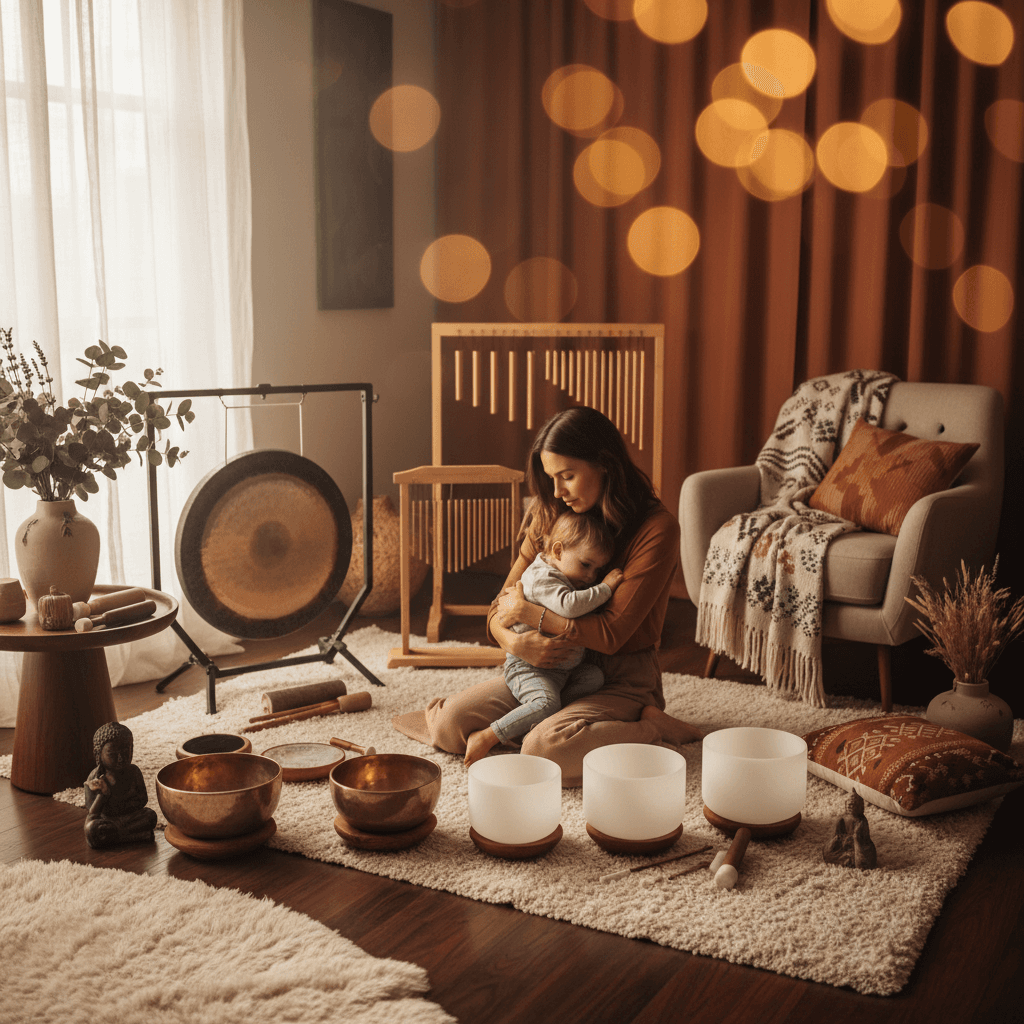
What makes the Soul Art method truly unique is its thoughtful curation of every element of the sound wellness experience. It's not merely about playing instruments; it's about the precision of frequency, the intentionality of vibration, and the personalized guidance that accompanies each session. Larissa Steinbach employs a diverse array of instruments, each chosen for its specific therapeutic properties. This includes the resonant depths of Nepalese and Tibetan singing bowls, known for their ability to generate delta brain waves associated with deepest relaxation (recovery.com). The expansive, transformative tones of gongs create an immersive sonic bath that can facilitate profound shifts in consciousness. Delicate chimes and precise tuning forks are utilized to target specific energetic points, promoting cellular relaxation and energetic rebalancing.
The core focus of the Soul Art approach for ACOAs is to provide a comprehensive framework for nervous system restoration and emotional recalibration. This involves guiding individuals through states of deep relaxation, where the body's natural healing mechanisms are activated. By engaging with these curated frequencies, clients may experience a gentle release of chronic stress and tension, which is often subconsciously held in the body due to early trauma. This process is designed to enhance self-compassion, helping individuals to acknowledge and nurture their inner child and foster a healthier sense of self-worth.
Ultimately, the Soul Art method, under Larissa Steinbach's expert guidance, aims to support individuals in gently processing emotional imprints without the need for confrontation or verbal articulation if they are not ready. It helps to build inner resilience by strengthening the vagal tone and promoting a more balanced autonomic nervous system. The goal is to facilitate a shift towards states of hope, inner security, and peace, thereby addressing the attachment-related challenges and pervasive anxiety that often define the ACOA experience. Soul Art offers a holistic wellness practice that complements other forms of support, empowering individuals to reclaim their inner calm and navigate their journey with greater ease and self-awareness.
Your Next Steps: Cultivating Inner Resonance
Embarking on a journey of self-discovery and healing, especially as an Adult Child of Alcoholics, is a deeply personal and courageous endeavor. Recognizing the profound impact of your past is the first step toward cultivating a more serene and resilient future. Sound wellness offers a gentle yet powerful avenue for support, working in harmony with other practices to foster holistic well-being. Here are some actionable steps you can integrate into your life, starting today:
-
Explore Sound Wellness: Consider booking a session at Soul Art Dubai. Experiencing the curated soundscapes by Larissa Steinbach provides a direct opportunity to engage your nervous system in deep relaxation. It's a supportive environment designed to help you release tension, regulate emotions, and cultivate inner peace. Many people report significant shifts in mood and a reduction in stress after even a single session.
-
Integrate Daily Grounding Practices: As highlighted in studies on Adverse Childhood Experiences, grounding exercises are invaluable. Start with just two minutes each day. This could involve focusing on your breath, feeling your feet on the ground, or simply noticing the sounds around you. This practice helps anchor you in the present, reducing the overwhelm that often accompanies past trauma.
-
Seek Complementary Professional Support: Sound wellness is a powerful complementary approach, not a replacement for professional medical or psychological care. If you are an ACOA, consider engaging with a therapist or counselor who specializes in trauma, addiction, or attachment theory. Combining talk therapy with sound healing can create a comprehensive support system for deeper, sustained healing.
-
Nurture Secure Relationships: The Harvard study emphasizes that "relationships, relationships, relationships" are key to healthy aging. Actively seek to build and strengthen secure, supportive connections in your life. This might involve setting healthy boundaries, communicating openly, and engaging in shared positive activities with trusted friends and family members, which can reinforce positive behavior changes (Moos et al., 1982).
-
Cultivate Self-Compassion: Understand that your experiences as an ACOA have shaped you, but they do not define you entirely. Practice self-compassion by treating yourself with the same kindness and understanding you would offer a dear friend. This involves acknowledging your struggles without judgment and celebrating your progress, however small.
Taking these steps can significantly enhance your journey toward emotional balance and inner harmony. At Soul Art, we are here to support you in discovering the transformative power of sound and vibration.
In Summary
The journey of an Adult Child of Alcoholics is often marked by complex challenges stemming from early attachment disruptions, manifesting as heightened psychological distress and a diminished sense of hope. These enduring echoes from childhood can profoundly impact adult relationships and overall well-being. However, emerging wellness practices like sound healing offer a scientifically-grounded, complementary pathway to address these deep-seated patterns.
Through the targeted use of specific frequencies and vibrations, sound wellness may support the nervous system in shifting from chronic stress to states of profound relaxation, impacting brainwave activity and even reducing physical pain. This gentle yet powerful modality provides a non-verbal means for emotional release and cultivates internal security. At Soul Art Dubai, Larissa Steinbach applies a unique, holistic approach, curating immersive sound experiences that foster self-awareness, resilience, and a renewed sense of hope. By integrating sound healing into your self-care regimen, you can embark on a transformative journey towards inner harmony and emotional balance, choosing well-being beyond inherited experiences.
Bookings Coming Soon
Soul Art is still in preparation. Session details and booking will be published here after launch.
Coming Soon
Related Articles

LGBTQ+ Recovery: Sound Wellness for Inclusive Healing & Regulation
Relationship Recovery: The Science of Sound for Intimacy
Soulful Connections: The Science of Shared Sound Practices and Well-being Sponsorship