ADHD & Sound Baths: Calming Focus or Sensory Engagement?
Key Insights
Explore how sound baths might help regulate ADHD symptoms, offering a unique blend of calming focus and positive sensory engagement at Soul Art, Dubai.
Have you ever wondered if the very sounds that can sometimes overwhelm might also be the key to profound regulation, especially for minds wired differently? For individuals with Attention-Deficit/Hyperactivity Disorder (ADHD), the world often presents a challenging landscape of sensory input, internal chatter, and fluctuating focus. This unique neurobiological profile can make traditional relaxation methods feel elusive, leading many to seek novel approaches for calm and clarity.
At Soul Art, Dubai's premier sound wellness studio, founded by the visionary Larissa Steinbach, we frequently encounter questions about the efficacy of sound baths for ADHD. Is it another source of stimulation that an already bustling mind doesn't need, or could it offer a unique pathway to regulation and focused calm? This article delves into the fascinating interplay between ADHD and sound baths, exploring the scientific principles that suggest these immersive experiences may provide both grounding and gentle engagement, without overstimulation.
We will unpack the neuroscience behind how specific sound frequencies interact with the ADHD brain, clarify the delicate balance between beneficial sensory input and potential overload, and highlight practical strategies for optimizing this complementary approach to wellness. Prepare to discover how carefully curated soundscapes can become a powerful tool for managing ADHD symptoms, fostering deeper relaxation, and enhancing overall well-being. This discussion is not about medical treatment but about exploring a holistic wellness practice that many people report as profoundly beneficial for stress management and self-regulation.
The Science Explained: Brainwaves, Attention, and Vibrational Resonance
The human brain is an intricate orchestra of electrical activity, producing distinct brainwave patterns associated with various states of consciousness. For individuals with ADHD, these brainwave patterns, particularly the balance between slower (theta, alpha) and faster (beta) waves, can present differently from neurotypical individuals. Understanding this electrical landscape is crucial to appreciating how sound baths may offer a unique supportive environment.
Brainwave Entrainment and Neural Rhythms
Brainwave entrainment is a core principle in sound wellness. It refers to the brain's natural tendency to synchronize its dominant electrical activity with external, rhythmic stimuli. In a sound bath, instruments like gongs and singing bowls produce sustained, resonant frequencies and specific beats. As these sounds wash over the listener, they invite the brain to shift its state.
For many with ADHD, there can be a predominance of slower theta waves during waking hours, which is typically associated with daydreaming or deep relaxation, rather than focused attention. This can contribute to difficulties with sustained attention and executive functions. Conversely, some individuals with ADHD may experience excessive fast beta wave activity, leading to heightened anxiety, restlessness, and mental hyperactivity. Sound baths, particularly those incorporating binaural beats or specific resonant frequencies, aim to guide the brain towards a more balanced state, often promoting the emergence of alpha waves (associated with relaxed alertness) and theta waves (linked to deep relaxation and creativity) without causing drowsiness. This gentle guidance can help reduce mental clutter and enhance a sense of inner calm. Preliminary studies indicate that synchronized auditory stimulation may support shifts in brainwave states, though more research specific to ADHD is needed.
The Autonomic Nervous System and Stress Response
ADHD is frequently associated with a dysregulated Autonomic Nervous System (ANS), which controls involuntary bodily functions like heart rate, breathing, and digestion. The ANS comprises two primary branches: the sympathetic nervous system (SNS), responsible for the "fight or flight" response, and the parasympathetic nervous system (PNS), which oversees "rest and digest" functions. Many individuals with ADHD often find themselves in a state of chronic low-level SNS activation, leading to heightened stress, restlessness, and difficulty unwinding.
Sound baths are a powerful tool for shifting the ANS towards PNS dominance. The slow, sustained vibrations and harmonious tones act as a profound signal to the body and mind that it is safe to relax. This de-activation of the SNS can manifest as a lowered heart rate, slower and deeper breathing, relaxed muscle tension, and a reduction in circulating stress hormones like cortisol. The deep resonance of instruments like gongs can also create a gentle vibrational massage at a cellular level, further enhancing relaxation and promoting systemic balance. This physiological shift is not merely superficial; it underlies the profound sense of peace and stillness many people report experiencing during and after a session.
Dopamine Regulation and Sensory Processing
Dopamine, a neurotransmitter crucial for motivation, reward, and attention, is often implicated in ADHD. Differences in dopamine pathways can contribute to challenges in regulating attention, impulse control, and emotional responses. While sound baths do not directly alter neurotransmitter levels, their impact on the brain's reward system and sensory processing can be significant. The novel, engaging, yet non-overwhelming sensory experience of a sound bath can activate neural pathways associated with pleasure and well-being. This positive sensory engagement can provide a healthy, enriching form of stimulation that may indirectly support more balanced brain chemistry.
Furthermore, individuals with ADHD often have unique sensory processing profiles, experiencing either sensory over-responsivity (being easily overwhelmed by sensory input) or sensory under-responsivity (needing more intense stimulation to register input). A well-facilitated sound bath, such as those offered by Larissa Steinbach at Soul Art, provides a carefully controlled and predictable sensory environment. The consistent, gentle nature of the sounds allows the nervous system to process input without alarm, potentially helping to modulate sensory thresholds over time. Anecdotal evidence suggests that this controlled sensory input can be profoundly calming, helping individuals with ADHD feel more integrated and less bombarded by their environment. The immersive soundscape provides a focal point, a "safe haven" for the senses, which can be particularly beneficial for an easily distracted mind.
The Power of Resonance and Vibration
Beyond auditory perception, sound baths involve vibrational resonance. The low-frequency sounds produced by large gongs and crystal bowls are not just heard; they are felt throughout the body. Our bodies, being largely water, are excellent conductors of these vibrations. This somatic experience can be deeply grounding, bringing a sense of embodied awareness that can be challenging for those who often feel "out of body" or disconnected due to racing thoughts. The vibrations may help release muscular tension and energetic blockages, contributing to a more profound state of physical and mental relaxation. This holistic engagement, encompassing both auditory and tactile senses, creates a comprehensive environment for nervous system regulation.
How It Works in Practice: From Theory to Tranquility
Connecting the scientific understanding of ADHD and sound to real-world experience is where the transformative potential truly emerges. At Soul Art, we bridge this gap by curating environments and experiences designed to foster both gentle stimulation and deep regulation. Clients entering a sound bath session move beyond the abstract concepts of brainwaves and neurotransmitters to a direct, felt experience of calm and focus.
Creating a Safe Sensory Container
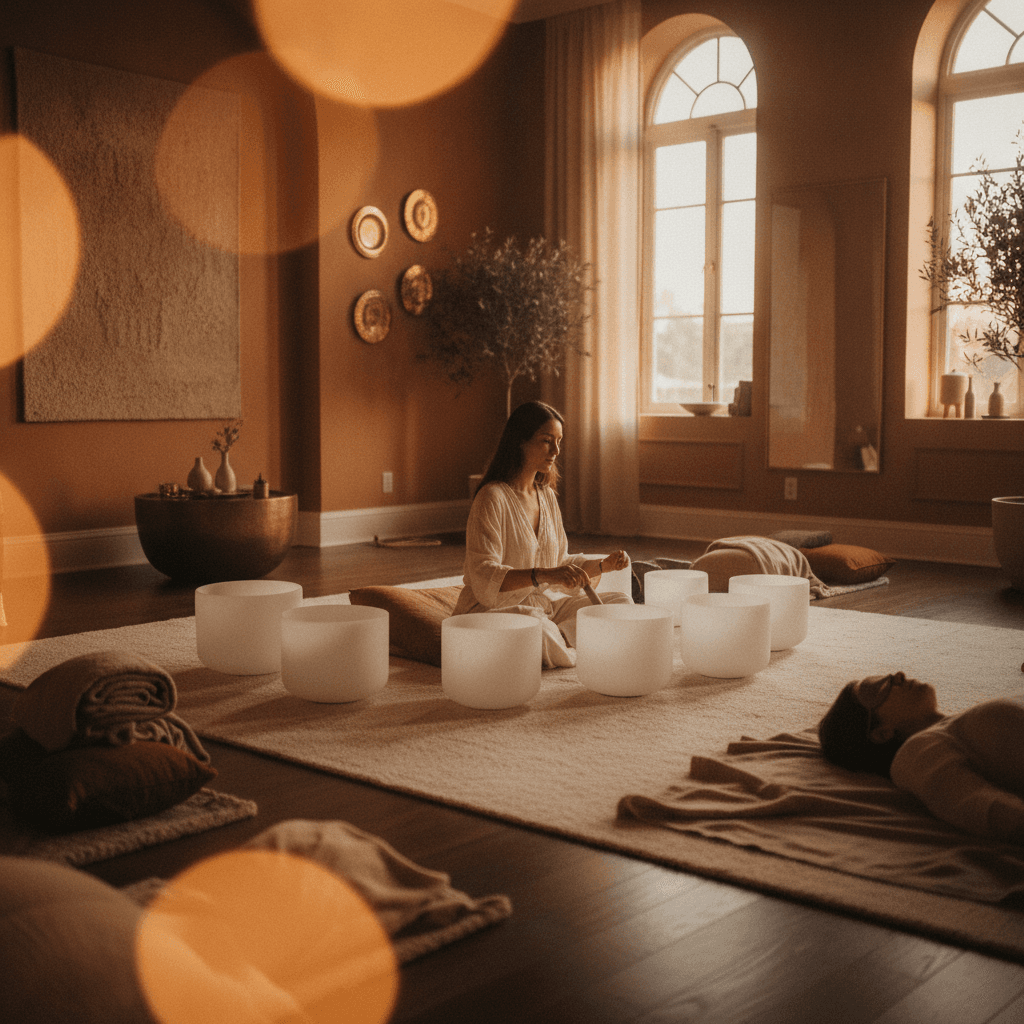
For someone with ADHD, entering a new environment can sometimes trigger anxiety or hyper-vigilance. Our practice begins by establishing a deeply safe and nurturing space. The studio is designed with soft lighting, comfortable mats, and a gentle atmosphere, signaling to the nervous system that this is a place for rest, not threat. This initial sense of security is vital, as it allows the brain to begin disarming its defenses and open to the experience.
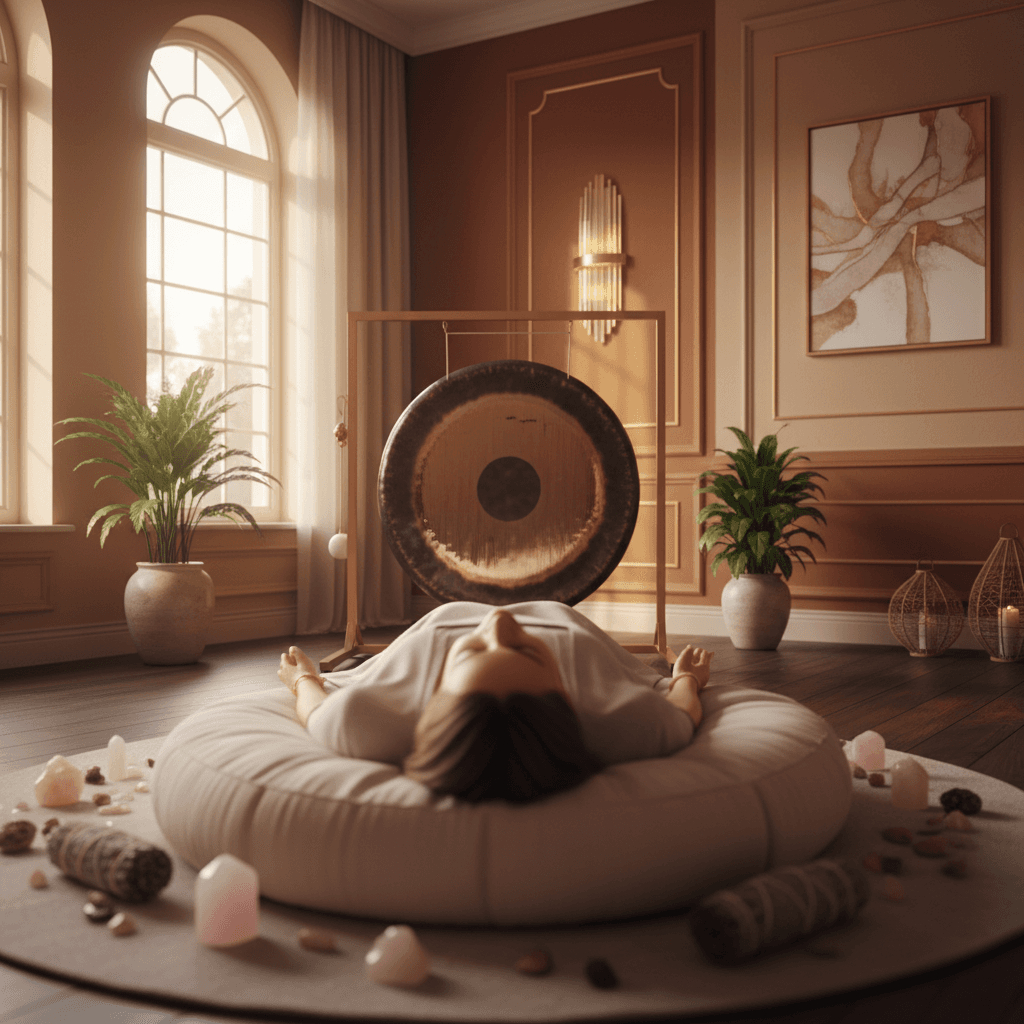
Clients typically lie down, often with blankets and eye masks, to minimize external distractions and maximize immersion. This posture itself promotes relaxation and vulnerability, preparing the body for the subtle yet powerful shifts that will occur. The facilitator, through gentle guidance, invites participants to focus on their breath and simply allow the sounds to wash over them, removing any pressure to "do" anything. This permissive environment is particularly helpful for minds that are constantly striving or feeling pressured.
The Journey Through Sound
Once settled, the sound journey begins. Instruments are introduced gradually, starting with gentle chimes or the soft hum of a singing bowl. This gradual introduction prevents sudden sensory overload, allowing the system to acclimate. The sounds are not chaotic; they are carefully orchestrated to create a coherent, evolving soundscape. Instruments like Himalayan singing bowls produce rich overtones and sustained vibrations that seem to fill the space, while crystal bowls offer pure, resonant tones that can feel deeply penetrating.
For some with ADHD, the initial array of sounds might indeed feel like stimulation. However, this is typically a positive, structured stimulation. Unlike the unpredictable, jarring stimuli of daily life, the sounds in a sound bath are harmonious, rhythmic, and intentional. They provide a focal point for the wandering mind – something interesting and beautiful to attend to, without demanding active effort. This can be akin to a sensory anchor, drawing awareness into the present moment and gently quieting the internal noise that often plagues ADHD minds. The consistent, enveloping nature of the sound acts as a sonic 'hug', providing a sense of containment.
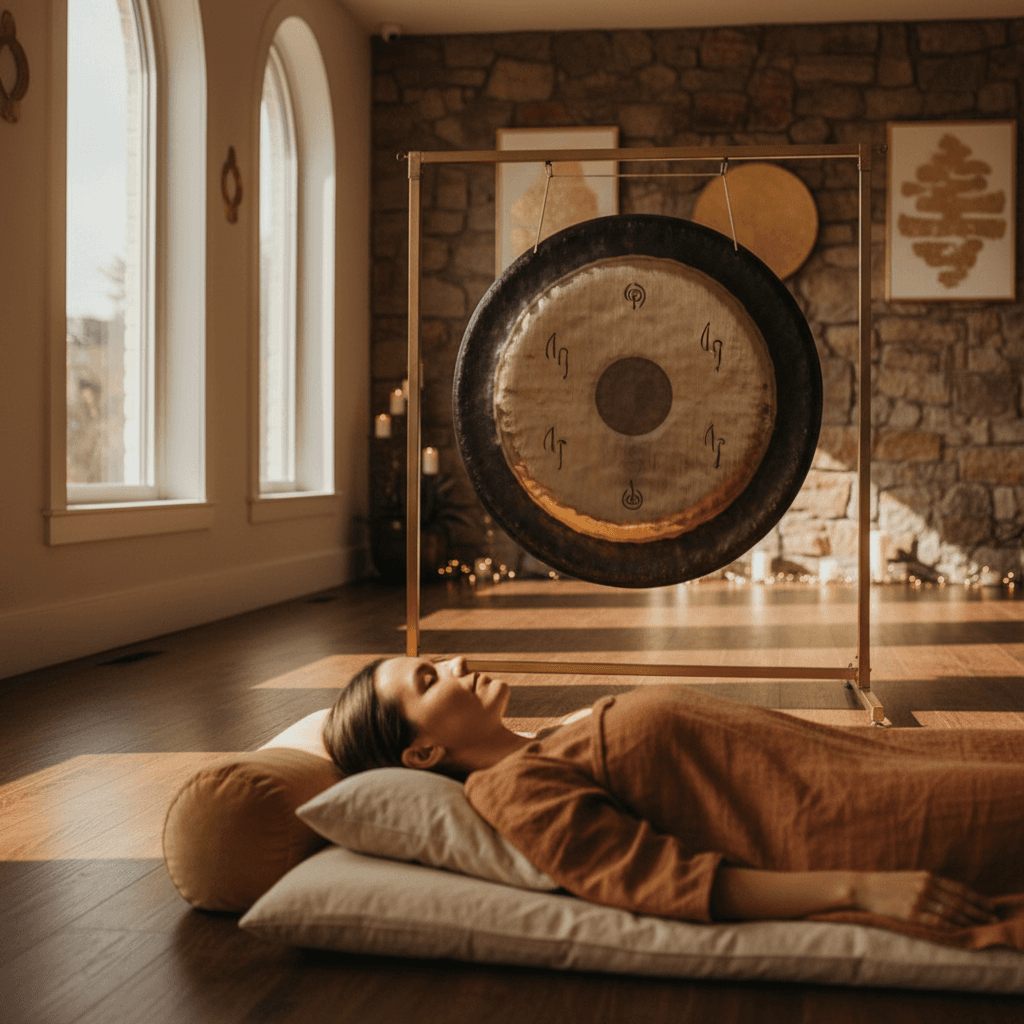
As the session progresses, the sounds typically deepen, often incorporating the profound resonance of large gongs. These low-frequency vibrations are not just heard but felt throughout the body, creating a full-body sensory experience. This somatic engagement can be particularly grounding for those who often feel disconnected from their physical selves. The deep vibrations can help to dissipate nervous energy and physical restlessness, replacing it with a sensation of gentle movement and release within the body. Many clients describe feeling as though their physical boundaries soften, allowing for a deeper integration of mind and body.
Post-Session Integration
The experience doesn't end when the instruments fall silent. A period of quiet integration is crucial, allowing the brain and body to process the experience and gradually return to external awareness. Clients often report a profound sense of peace, clarity, and sometimes even heightened focus post-session. The nervous system feels reset, the mind quieter, and the body deeply relaxed. This regulated state can persist for hours, or even days, offering a much-needed respite from typical ADHD challenges.
"The beauty of sound wellness for ADHD lies in its paradox: it offers a form of gentle, intentional stimulation that paradoxically leads to deep regulation. It's not about silencing the mind, but about guiding it towards a harmonious rhythm."
This practical application demonstrates how the scientific principles translate into a tangible experience of calm, enhanced attention, and emotional balance. It offers a unique pathway for individuals with ADHD to explore their inner landscape with greater ease and discover new dimensions of self-regulation.
The Soul Art Approach: Curating Harmony with Larissa Steinbach
At Soul Art, the understanding of nuanced neurodiversity, particularly ADHD, is woven into the very fabric of our practice. Larissa Steinbach, our founder, has meticulously developed an approach to sound wellness that transcends mere relaxation, aiming for profound nervous system regulation and mental clarity. Her method is deeply informed by both ancient wisdom and a contemporary understanding of physiological and psychological well-being.
Intentional Curation of Soundscapes
What sets the Soul Art method apart is the intentional curation of each soundscape. Larissa Steinbach and her team don't just play instruments; they craft an experience. This involves a deep understanding of how different frequencies, timbres, and rhythms interact with the human system. For clients with ADHD, this means carefully selecting instruments and sequences that avoid overstimulation while providing enough engaging input to gently anchor the mind. The goal is to create a dynamic yet harmonious auditory environment that nurtures rather than overwhelms.
We prioritize instruments that offer a broad spectrum of frequencies known for their calming and grounding effects. These include:
- Himalayan Singing Bowls: Their rich, complex overtones and long-sustaining vibrations are incredibly effective for brainwave entrainment towards alpha and theta states. The subtle sonic fluctuations provide just enough variability to keep the ADHD mind gently engaged without allowing it to drift into distraction.
- Crystal Singing Bowls: Known for their pure, resonant tones, these bowls generate vibrations that are often felt deeply within the body. They can induce feelings of peace and expansion, aiding in emotional release and promoting a sense of spaciousness within the mind.
- Gongs: The powerful, symphonic washes of gongs are central to the Soul Art experience. Their complex harmonics and deep vibrations are master regulators of the autonomic nervous system, effectively downshifting the body from sympathetic dominance to a state of parasympathetic rest. For ADHD, the immersive sound of a gong can be profoundly grounding, providing a full-sensory anchor.
- Chimes and Koshi Bells: These delicate instruments add layers of ethereal sound, offering brief, sparkling moments that can bring a sense of wonder and lightness. They provide gentle, positive sensory accents that can briefly capture attention without being disruptive, often eliciting a sense of calm joy.
The Art of Facilitation and Holding Space
Larissa Steinbach's expertise extends beyond instrument mastery; it encompasses the art of holding space. A sound bath at Soul Art is not a passive listening experience; it is an actively facilitated journey. The facilitator's presence, intention, and subtle guidance are paramount. For individuals with ADHD, having a consistent, calming presence can be incredibly reassuring.
This involves:
- Mindful Transitions: Smooth, deliberate shifts between instruments and sound qualities, preventing abrupt changes that might startle or disorient.
- Breath Integration: Gentle verbal cues to encourage deep, diaphragmatic breathing, which further activates the PNS and enhances the body's ability to receive and process the vibrations.
- Energetic Container: Larissa's philosophy emphasizes creating an energetic field of safety and non-judgment, allowing participants to fully surrender to the experience without self-consciousness or internal critique, a common challenge for those with ADHD.
The Soul Art method acknowledges that while ADHD presents unique challenges, it also often comes with heightened creativity and sensory sensitivity. Our carefully orchestrated soundscapes aim to honor and harness this sensitivity, transforming potential overwhelm into a source of profound well-being. It is a testament to Larissa Steinbach's vision that Soul Art offers not just sound baths, but a transformative wellness practice tailored to meet the intricate needs of diverse minds.
Your Next Steps: Integrating Sound into Your Wellness Journey
Discovering the potential benefits of sound baths for ADHD is an exciting first step. The journey towards enhanced regulation and focus is personal, but there are practical ways you can begin to integrate sound wellness into your life today. These actionable strategies, drawing from the principles applied at Soul Art, can help you explore this powerful self-care practice.
- Start with Intention: Before engaging with any sound experience, take a moment to set an intention. Are you seeking calm, improved focus, or a reduction in internal chatter? A clear intention can help direct your attention during the sound session and enhance its perceived benefits. Even five minutes of intentional listening can be impactful.
- Seek Out Guided Experiences: Especially for your first few sessions, attending a facilitated sound bath, such as those offered by Larissa Steinbach at Soul Art, is highly recommended. The expertise of a practitioner ensures a safe, well-sequenced, and optimally regulated experience, which is crucial for sensitive systems like those often associated with ADHD. The guidance helps you surrender to the sounds without feeling lost or overwhelmed.
- Experiment with Frequencies and Instruments: While live sound baths are ideal, you can also explore high-quality recordings of singing bowls, gongs, or even binaural beats at home. Pay attention to how different sounds and frequencies make you feel. Some might find deep gong tones most grounding, while others prefer the lighter chime of crystal bowls. Observe your body's response and note what resonates most positively with your system.
- Create a Personal Sound Sanctuary: Designate a quiet corner in your home where you can comfortably lie down and listen to calming sounds without interruption. Minimize visual distractions, use an eye mask, and ensure the temperature is comfortable. This dedicated space helps condition your mind and body to associate this environment with relaxation and regulation, reinforcing the benefits of sound.
- Integrate Micro-Sound Moments: You don't always need a full hour. Even short bursts of intentional listening can be beneficial. Try listening to 5-10 minutes of calming music or a singing bowl track during moments of overwhelm, before starting a focused task, or as a wind-down ritual before sleep. These micro-moments can act as 'mini-resets' for your nervous system, helping to manage daily fluctuations in attention and energy.
Embracing sound wellness as a complementary approach to your well-being journey can unlock new avenues for self-regulation and inner peace. By taking these steps, you can begin to harness the profound power of vibrational healing to support your unique brain and enhance your quality of life.
In Summary: Finding Regulation in Resonance
The journey to understand "ADHD and Sound Baths: Stimulation or Regulation?" reveals a compelling truth: for many, it is profoundly about regulation through mindful stimulation. The carefully orchestrated soundscapes offered by practices like Soul Art provide a unique environment where the often-overactive or under-stimulated ADHD mind can find a harmonious balance. Scientific principles such as brainwave entrainment, autonomic nervous system modulation, and positive sensory engagement explain how these immersive experiences can foster deep calm, enhance focus, and support emotional regulation.
Larissa Steinbach and the dedicated team at Soul Art have cultivated a sophisticated wellness practice that expertly navigates the fine line between engaging the senses and providing profound rest. By utilizing instruments like Himalayan and crystal singing bowls, gongs, and chimes with intentionality, they create a safe and nurturing space for genuine transformation. This holistic wellness approach offers a powerful, non-invasive pathway for individuals with ADHD to experience sustained periods of peace and clarity. We invite you to explore this transformative power of sound and discover a unique dimension of well-being.
Bookings Coming Soon
Soul Art is still in preparation. Session details and booking will be published here after launch.
Coming Soon
Wellness Disclaimer: This article is for educational and informational purposes only. It does not constitute medical advice, diagnosis, or treatment. Soul Art Dubai provides non-medical wellness experiences focused on relaxation, stress management, and general wellbeing. Sound wellness is a complementary practice and should not replace professional medical care.
Related Articles
Empowered Choices: The Art of Clarity Without Overexplaining
Unveiling the Power: Photosensitivity & Visuals in Sound Sessions
The Subtle Art of Slow Transitions: Guiding Your Brain to Calm