12-Step and Sound: A Complementary Path to Deeper Recovery
Key Insights
Discover how sound wellness, offered by Soul Art Dubai and Larissa Steinbach, may enhance traditional 12-Step recovery journeys for profound well-being.
12-Step and Sound: A Complementary Path to Deeper Recovery
What if the wisdom of traditional recovery pathways could be amplified by the ancient art of sound? For millions globally, the 12-Step program offers a foundational framework for healing from addiction, fostering community and personal responsibility. Yet, the journey often entails navigating profound emotional challenges, anxiety, and the physiological remnants of past struggles.
At Soul Art, Dubai's premier sound wellness studio, founded by Larissa Steinbach, we explore how integrating scientifically-backed sound experiences can profoundly enhance this transformative process. This article delves into the synergistic potential of combining the structured support of 12-Step programs with the deeply restorative power of sound wellness. We'll uncover how this holistic approach may pave the way for a more serene, grounded, and enduring recovery.
Join us as we explore the compelling science and practical applications of this innovative combination, offering new avenues for peace, self-discovery, and sustained well-being on the path to recovery.
The Science Explained: A Symphony of Support
The journey of recovery is multifaceted, touching upon physiological, psychological, and spiritual dimensions. Understanding how both 12-Step programs and sound wellness impact these areas provides a clearer picture of their combined efficacy as complementary practices.
The Enduring Efficacy of 12-Step Programs
Since its inception in 1935 by Bill Wilson and Dr. Bob Smith, Alcoholics Anonymous (AA) and its subsequent iterations for various addictions have offered a vital lifeline. The 12-Steps provide a structured pathway for self-reflection, accountability, and spiritual growth, supported by a fellowship of peers. Research consistently highlights the value of these mutual support organizations.
Studies indicate that 12-Step programs are associated with fewer drinks and more abstinent days, demonstrating their positive impact on sobriety. Recent findings even suggest that active AA participation can improve sobriety outcomes, controlling for self-selection bias. While not a universal panacea, these programs are widely recognized as an appropriate and beneficial intervention within the broader landscape of addiction recovery.
The financial implications are also noteworthy; some studies have found that healthcare costs were significantly lower—by 30-40%—for veterans participating in 12-Step-based programs compared to those in CBT programs over a two-year follow-up period. This highlights not only personal but also systemic benefits. Furthermore, engagement with 12-Step principles appears to shift individuals' attributions of causality for substance abuse from external factors to personal responsibility, a critical cognitive shift that has been associated with improvements in affect, cognition, and behavior. This acceptance of personal responsibility is a cornerstone of recovery, leading to greater self-efficacy and resilience.
The Profound Impact of Sound Wellness
Sound wellness, particularly through natural sound exposure (NSE) or structured sound baths, offers a complementary pathway to regulate the nervous system and calm the mind. The human body is highly responsive to vibrational frequencies, which can induce deep states of relaxation and promote physiological balance. The science behind sound's therapeutic potential is increasingly robust.
Research indicates that natural sound exposure significantly reduces anxiety. Measures like the Visual Analog Scale (VAS) show an average reduction of over 2 points, and the State Anxiety Inventory (SAI) demonstrates a reduction of over 12 points following NSE. These are not merely subjective feelings; sound impacts our fundamental physiological responses.
Specifically, NSE has been found to reduce heart rate by an average of 5.46 beats per minute, systolic blood pressure by 11.74 mmHg, diastolic blood pressure by 13.98 mmHg, and respiratory rate by 1.58 breaths per minute. These physiological changes underscore sound's capacity to shift the body from a state of stress (sympathetic nervous system activation) to one of rest and repair (parasympathetic nervous system activation). Such shifts are crucial for individuals in recovery, who often grapple with chronic stress and dysregulated nervous systems.
Beyond physiological calming, sound wellness also shows promise for cognitive enhancement. While more research is needed, preliminary studies suggest that NSE may support the restoration of cognitive performance, enhance working memory, and improve attention. For example, college students exposed to natural sounds for four weeks demonstrated significant improvements in the Attention Network Test (ANT) and the 2-back task. This indicates that sound can not only soothe the mind but also potentially sharpen its functions, which can be invaluable for navigating the complex cognitive processes involved in recovery.
The Synergy: Bridging Inner Peace with Structured Growth
Combining the structured, community-based framework of 12-Step programs with the profound physiological and psychological regulation offered by sound wellness creates a powerful synergy. The emotional intensity and self-examination inherent in the 12-Steps can sometimes be overwhelming, leading to increased anxiety or discomfort. Sound wellness can act as an emotional buffer, helping individuals process these feelings in a gentle, supportive way.
"True recovery blossoms when the mind is calm enough to process, and the body is grounded enough to feel safe in its journey of transformation."
The deep relaxation induced by sound can make individuals more receptive to the introspective work required by the Steps, fostering a sense of inner peace that strengthens their resolve. By reducing anxiety and physiological stress, sound wellness may help individuals maintain consistent engagement with their 12-Step community and practices. This integrated approach acknowledges that sustained recovery benefits from both external support and internal regulation, creating a more resilient and harmonious path forward.
How It Works in Practice: Experiencing Holistic Integration
Integrating sound wellness into a 12-Step recovery journey offers a tangible pathway to enhance emotional regulation, reduce stress, and foster a deeper connection to self. It's about creating a supportive internal environment that complements the external structure of the program. Many people report that sound sessions provide a unique space for processing emotions without the need for verbal articulation.
Imagine attending a sound bath session, perhaps after a particularly introspective 12-Step meeting, or during a period of heightened emotional intensity. As you recline in a comfortable space, the gentle yet powerful vibrations from gongs, crystal bowls, and chimes wash over you. The frequencies permeate the body, quieting the incessant mental chatter and allowing for a profound sense of stillness.
This experience can be profoundly grounding, helping to dissipate feelings of restlessness, irritability, and discontent that often challenge early recovery. The sound helps to move stagnant energy, release tension held in the body, and create a sensation of being "reset." Clients often describe a feeling of deep peace, a lightness of being, and an enhanced capacity for self-compassion.
For individuals working through the Steps, particularly those involving self-inventory or making amends, sound wellness can be an invaluable tool. It may facilitate access to deeper states of consciousness, allowing for clearer insights and emotional releases in a non-confrontational manner. The vibrations can help dissolve resistance to difficult emotions, enabling a more fluid and less overwhelming processing of past traumas or current challenges.
The beauty of this complementary approach lies in its non-invasive nature and its focus on fostering inner resources. It's not about replacing any part of the 12-Step journey, but rather about providing a powerful adjunct that fortifies mental clarity, emotional resilience, and overall well-being. By regularly engaging with sound, individuals may find themselves better equipped to fully engage with the principles of recovery, leading to more profound and lasting transformations.
The Soul Art Approach: Larissa Steinbach's Vision for Enhanced Recovery
At Soul Art, Larissa Steinbach has cultivated a unique sanctuary where the power of sound is harnessed to support profound personal transformation, including those navigating the intricate path of recovery. Her approach is rooted in a deep understanding of vibrational medicine and a compassionate commitment to holistic well-being. Larissa's vision is to provide a gentle yet powerful tool that complements traditional recovery methods, offering a haven for nervous system regulation and emotional healing.
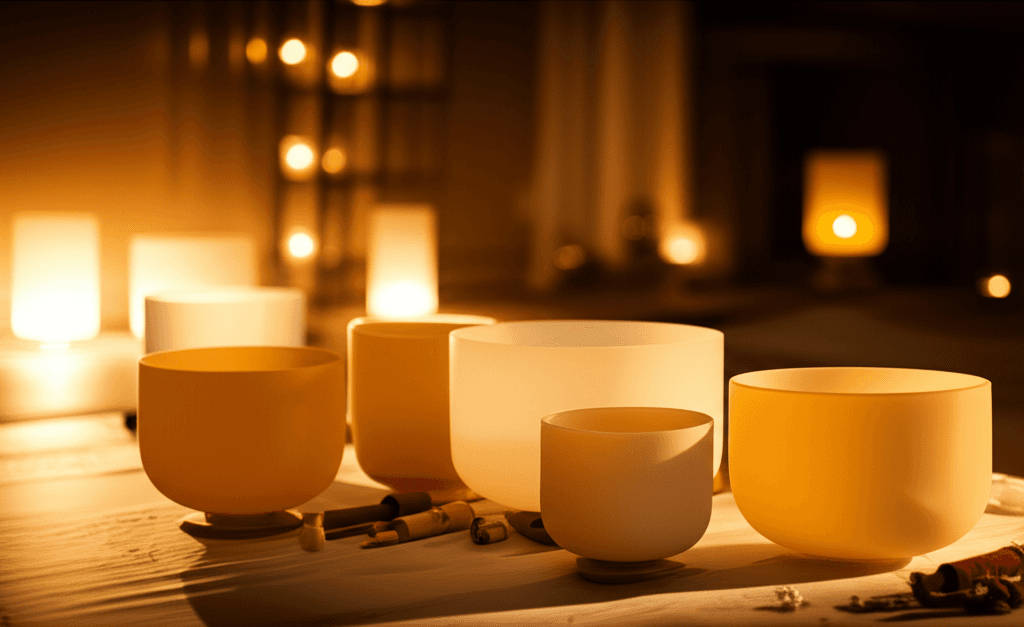
The Soul Art method stands out through its meticulous curation of sound experiences, designed to create an optimal environment for internal shifts. Larissa Steinbach utilizes a diverse array of sacred instruments, each chosen for its specific frequency and ability to induce deep states of relaxation and restoration. These include large planetary gongs, resonating deeply within the body to release tension and promote cellular harmony. She also incorporates exquisite crystal singing bowls, whose pure tones help to balance energy centers and soothe the mind.
Further enriching the experience are chimes, tuning forks, and other percussive instruments that layer intricate soundscapes, guiding participants into meditative states. Through expert facilitation, Larissa Steinbach guides individuals through sound baths that encourage brainwave entrainment, gently shifting consciousness from active beta states to more relaxed alpha and even theta states. In these states, the mind becomes more open to introspection, stress hormones decrease, and the body's natural healing mechanisms are activated.
Soul Art's philosophy is centered on creating a safe, non-judgmental space where individuals can simply be and allow the sound to work its magic. This can be particularly beneficial for those in recovery, who often carry immense burdens of guilt, shame, or anxiety. The studio’s serene atmosphere, combined with Larissa’s empathetic guidance, fosters a sense of security and acceptance. This allows participants to release emotional blockages, reduce cravings, and cultivate a stronger sense of self-awareness and inner peace, reinforcing the foundational principles learned in their 12-Step work.
Your Next Steps: Integrating Sound into Your Recovery Journey
The integration of sound wellness into your 12-Step journey is a powerful step towards a more holistic and harmonious recovery. It's about nurturing your inner landscape while building a strong external support system. Here are some actionable steps you can take today to explore this complementary path:
- Attend a Discovery Sound Session: Experience a guided sound bath or individual sound healing session at Soul Art. Allow yourself to feel the vibrations and observe their immediate effects on your body and mind. This first-hand experience is invaluable in understanding its potential benefits for your personal journey.
- Practice Mindful Listening: Beyond formal sessions, incorporate mindful listening into your daily routine. This could be tuning into natural sounds, calming music, or even guided meditations that use soundscapes. This simple practice may help to reduce daily stress and cultivate a sense of presence.
- Journal Your Experiences: After a sound session or mindful listening practice, take time to journal any thoughts, feelings, or insights that arose. This can help connect the dots between your internal state and your ongoing 12-Step work, enhancing self-awareness and emotional processing.
- Discuss with Your Sponsor or Support Group: Share your experiences with sound wellness with your sponsor or within your 12-Step group. You might find that others are curious or have similar experiences, fostering a deeper level of connection and shared discovery within your recovery community.
- Prioritize Self-Compassion and Consistency: View sound wellness as a vital component of your self-care practice. Consistency is key, just as it is with 12-Step meetings. Embrace this gentle, supportive tool as an act of profound self-compassion, helping you navigate the challenges of recovery with greater ease and resilience.
In Summary: A Harmonious Path to Lasting Well-being
The integration of sound wellness into traditional 12-Step recovery pathways presents a compelling and scientifically supported approach to enhancing well-being. While 12-Step programs offer an invaluable framework for structured healing and community support, sound wellness provides a powerful complement by addressing the physiological and psychological stressors often prevalent in recovery. Research consistently demonstrates sound's capacity to reduce anxiety, lower heart rate and blood pressure, and even improve cognitive function, fostering a calmer and more receptive state of being.
At Soul Art, Larissa Steinbach passionately champions this holistic synergy, offering meticulously crafted sound experiences that may deepen introspection, facilitate emotional release, and regulate the nervous system. By embracing sound as a complementary practice, individuals in recovery may cultivate greater inner peace, resilience, and a strengthened resolve to navigate their transformative journey. It's an invitation to experience recovery not just as an absence of addiction, but as a rich tapestry of profound self-discovery and lasting well-being.
Bookings Coming Soon
Soul Art is still in preparation. Session details and booking will be published here after launch.
Coming Soon
Wellness Disclaimer: This article is for educational and informational purposes only. It does not constitute medical advice, diagnosis, or treatment. Soul Art Dubai provides non-medical wellness experiences focused on relaxation, stress management, and general wellbeing. Sound wellness is a complementary practice and should not replace professional medical care.
Related Articles

LGBTQ+ Recovery: Sound Wellness for Inclusive Healing & Regulation
Relationship Recovery: The Science of Sound for Intimacy
Soulful Connections: The Science of Shared Sound Practices and Well-being Sponsorship