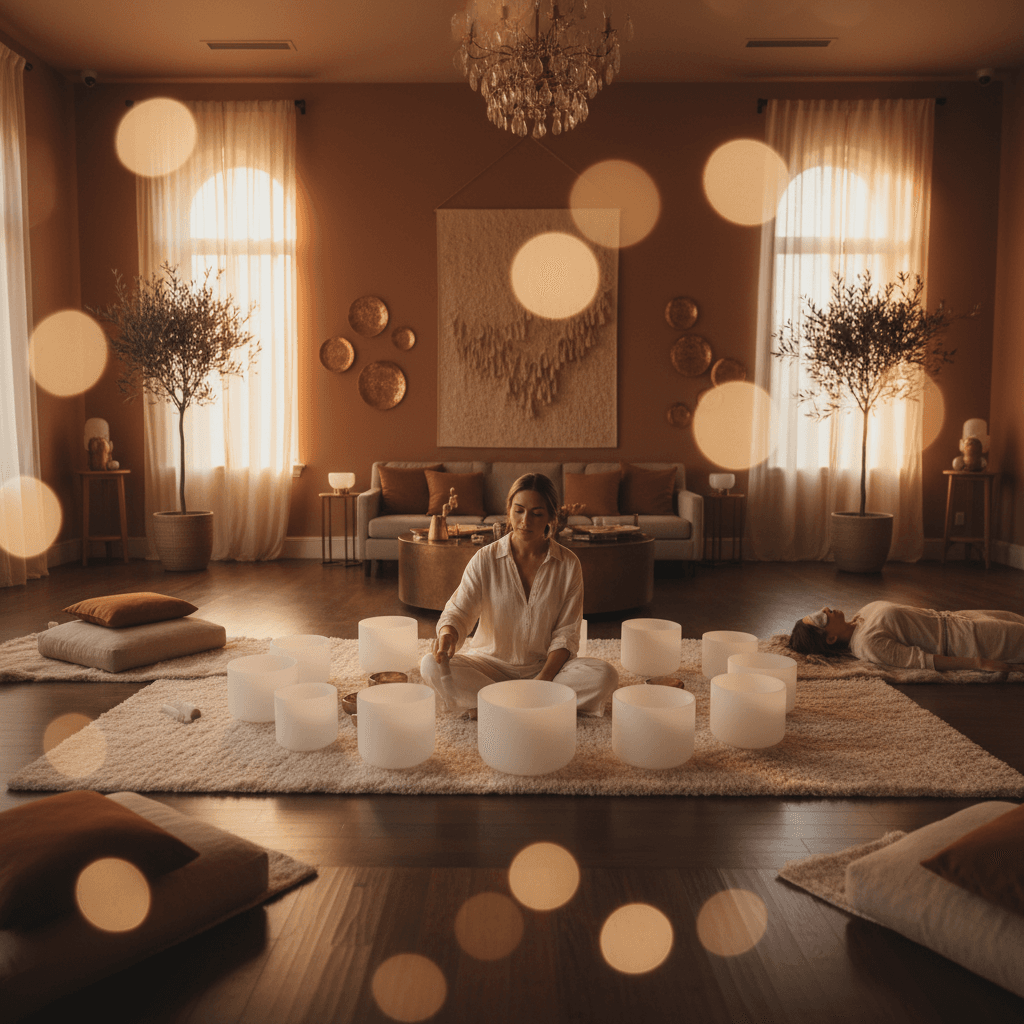
Wim Hof Method & Sound: Elevating Your Well-being at Soul Art
Key Insights
Discover how the Wim Hof Method, enhanced with sound wellness at Soul Art Dubai by Larissa Steinbach, cultivates resilience, reduces stress, and boosts vitality.
The human body possesses an astonishing capacity for resilience and self-regulation, often untapped in our modern, fast-paced world. Imagine unlocking a profound sense of calm, mental clarity, and even a boosted immune response, simply by mastering your breath and embracing mindful exposure to cold. This isn't just wishful thinking; it's the promise of practices like the Wim Hof Method (WHM).
At Soul Art Dubai, founded by the visionary Larissa Steinbach, we explore how to amplify these inherent capacities. We delve into the scientifically supported benefits of the WHM and elevate the experience by integrating the profound power of sound wellness. This article will guide you through the compelling science behind the Wim Hof Method and reveal how its synergy with carefully curated sound journeys can lead to an unparalleled state of well-being. Prepare to discover how this powerful combination can help you navigate stress, enhance mood, and foster a deeper connection with your inner self.
The Unseen Power: How the Wim Hof Method Realigns Body and Mind
The Wim Hof Method, often championed by "The Iceman" himself, is far more than just enduring cold. It’s a holistic practice involving specific breathing techniques, cold exposure, and a strong commitment, designed to unlock physiological and psychological benefits. While its initial claims often seemed extraordinary, a growing body of scientific research is beginning to illuminate the intricate mechanisms at play.
This method encourages a deliberate engagement with our autonomic nervous system and immune responses, areas traditionally thought to be beyond conscious control. Researchers at institutions like Radboud University in the Netherlands have been at the forefront of investigating its potential. Their work suggests that the WHM may offer a pathway to improved interoceptive awareness, enhanced stress resilience, and modulated inflammatory responses.
Interoception and Brain Biology
Recent scientific inquiries have shed light on how the Wim Hof Method might influence brain biology and mood. One significant finding indicates a substantial increase in CB1 receptor binding across various brain regions, particularly those integral to the interoceptive network. Interoception refers to our perception of internal bodily states, such as heart rate, breath, and gut sensations.
This increased receptor binding has been associated with improvements in sub-threshold depressive symptoms, suggesting a potential positive impact on mental well-being. Furthermore, the WHM training appears to enhance the engagement of the brain's interoceptive network during sympathetic responses, which could indicate a priming of interoceptive function. In essence, the method may refine our ability to perceive and interpret our body's signals, fostering a more balanced autonomic response to stress and its associated psychological processes.
Autonomic Control and Immune Modulation
Perhaps one of the most groundbreaking discoveries surrounding the WHM comes from Radboud University's research. A pivotal study aimed to reproduce earlier findings with a larger group, involving 12 Wim Hof Method practitioners who were injected with an endotoxin. The results were remarkable: like Wim Hof himself, these practitioners demonstrated an ability to consciously control their sympathetic nervous system and immune response.
Key findings included:
- Anti-inflammatory mediators were measured as approximately 200% higher.
- Pro-inflammatory mediators were approximately 50% lower.
This suggests a significant dampening of the inflammatory response. Participants in the test group also reported multiple positive physical and mental changes, including overall improvements in sleep, stress levels, energy, and pain perception, compared to a control group. This research, building upon previous studies in 2013 and 2016 (Zwaag, Timmerman, Pickkers, Kox, "Modulation of Pain Sensitivity by a Hyperventilatory Breathing Exercise and Cold Exposure Training"), provides compelling evidence that the WHM may consciously activate the sympathetic nervous system and decrease inflammation. Dr. Matthijs Kox, an immunologist at Radboud, postulates that this mechanism may involve the release of adrenaline, a known anti-inflammatory agent.
Stress Resilience and Mood Regulation
The Wim Hof Method has also garnered attention for its potential in managing stress and enhancing mood. A randomized controlled clinical trial involving 84 healthy midlife women with high stress and depressive symptoms offers valuable insights. Participants were divided into two groups: one practicing the WHM (involving breathing techniques for intermittent hypoxia and cold showers) and an active comparison group (slow-paced breathing and warm showers).
After a three-week intervention period, participants in both groups showed significant improvements in mental health outcomes. Specifically, there was:
- A 24% reduction in depressive symptoms.
- A 27% reduction in anxiety symptoms.
- A 20% reduction in perceived stress.
These improvements were notably maintained at a three-month follow-up. Furthermore, the WHM group reported significantly less daily rumination after stressful events compared to the control group, highlighting its potential in developing healthier coping mechanisms. Dr. Kenzie Johnston of Duke University also explains that the rapid breathing involved in the method can lead to shifts in carbon dioxide and oxygen levels, which, despite sounding extreme, may activate the parasympathetic nervous system. This activation could play a role in stress regulation and mental focus, contributing to the observed improvements in mood and resilience. While research into specific physiological markers like cardiovascular parameters continues to evolve with mixed results on short-term applications, the consistent pattern of benefits in mental well-being, stress reduction, and anti-inflammatory responses across various studies presents a compelling case for the method's potential as a complementary wellness practice.
"The remarkable aspect of the Wim Hof Method lies not just in its physical challenges, but in its ability to empower individuals to consciously influence internal states that were once believed to be beyond our voluntary control."
Beyond Theory: Experiencing the Wim Hof Method
Understanding the science is one thing; experiencing the Wim Hof Method firsthand is another. It’s a journey of self-discovery, pushing past perceived limitations to uncover a wellspring of inner strength and calm. The method is structured around three core pillars: breathing, cold exposure, and commitment. When practiced consistently, these pillars intertwine to create a powerful synergy that can transform your well-being.
The breathing technique is perhaps the most distinctive element. It involves cycles of controlled hyperventilation, followed by a breath hold. As you engage in the rapid, deep inhales and relaxed exhales, many people report a tingling sensation, a surge of energy, and a profound sense of clarity. This deliberate modulation of oxygen and carbon dioxide levels in the body can shift your internal chemistry, activating both the sympathetic (fight or flight) and parasympathetic (rest and digest) nervous systems in a controlled manner. It's a physiological reset, often leading to deep relaxation and heightened awareness once the breath hold is released.
Following the breathing exercises, practitioners embrace cold exposure. This typically begins with cold showers, gradually increasing duration, and for some, progresses to ice baths. The initial shock of the cold is undeniable, challenging both body and mind. However, with consistent practice and the mental fortitude cultivated through the breathing, individuals often discover an ability to remain calm and centered amidst the discomfort. This intentional exposure to cold is more than just a physical challenge; it's a profound mental exercise in self-regulation. It strengthens your cardiovascular system, potentially improves circulation, and, crucially, builds mental resilience and self-efficacy. As research suggests, individuals with higher self-efficacy often demonstrate a greater capacity to endure the discomfort associated with cold exposure.
The third pillar, commitment, underpins the entire practice. It's the dedication to consistency, the willingness to show up for yourself each day, even when it feels challenging. This sustained effort is what truly integrates the physiological and psychological benefits, fostering long-term changes in stress response, mood, and overall vitality. The practice encourages a 'mind over matter' approach, helping you realize the significant role your mental state and belief in your capabilities play in navigating physical discomfort and achieving enhanced well-being. It’s a powerful invitation to step outside your comfort zone and explore the vast potential within.
Elevating the Experience: Wim Hof Method with Soul Art Sound Wellness
At Soul Art, Larissa Steinbach recognized the immense potential of the Wim Hof Method and sought to enhance its profound benefits through the therapeutic power of sound. This integration creates a truly unique and deeply immersive wellness experience, transforming a potent self-regulation practice into an art form that nurtures the body, mind, and spirit. The Soul Art approach marries scientific understanding with ancient wisdom, crafting a sanctuary where clients can explore their inner landscapes with guidance and grace.
The synergy between the Wim Hof Method and sound wellness is multifaceted. Sound serves as a powerful anchor during the breathing exercises, offering a focal point for concentration and helping to regulate the rhythm of the breath. Specific frequencies, carefully selected and expertly played, can deepen the state of relaxation achieved during breath holds and, crucially, facilitate profound integration during the post-practice phases. The resonant vibrations of sound instruments penetrate the body, helping to release tension, calm the nervous system, and gently guide the brain into states conducive to healing and introspection.
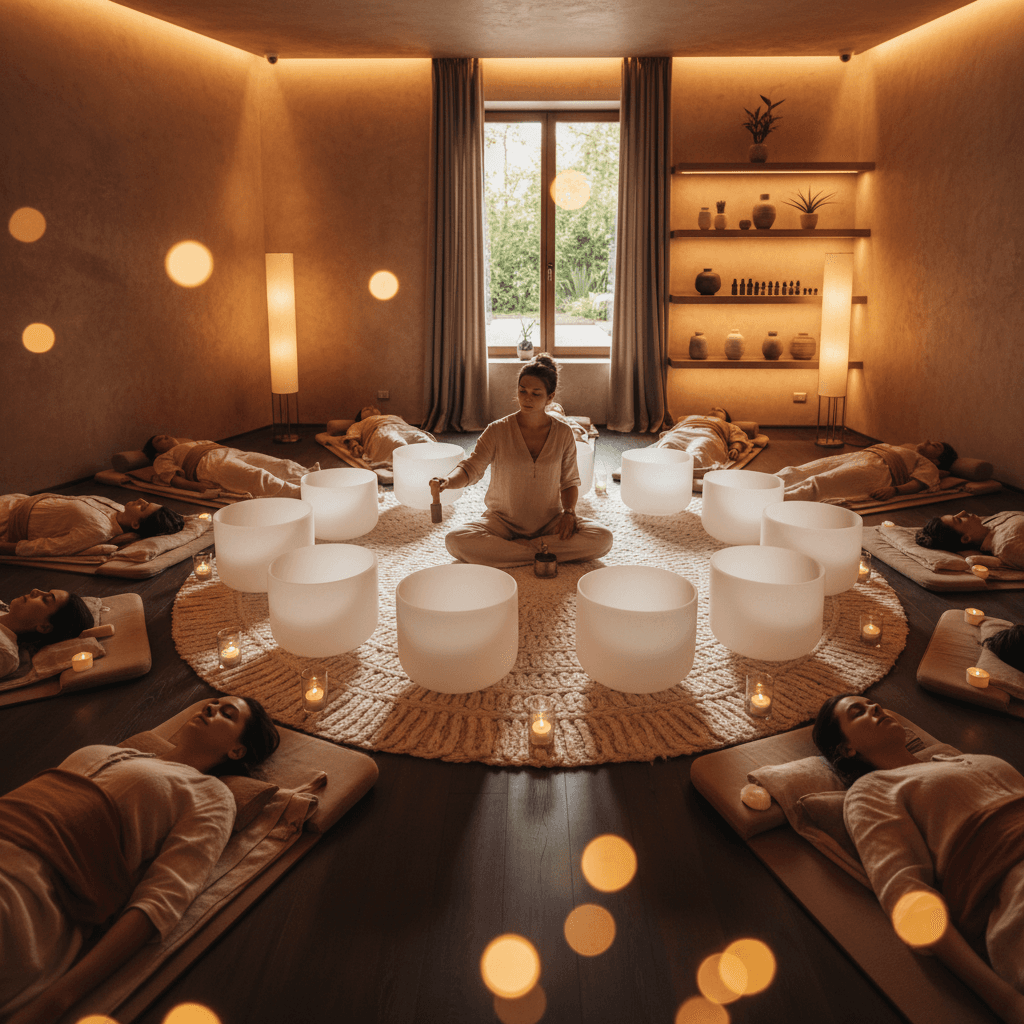
Imagine performing the Wim Hof breathing cycles to the rhythmic pulse of a hand drum or the ethereal swells of a singing bowl, each tone guiding your inhales and exhales, making the practice more accessible and meditative. As the breath hold deepens, the sustained frequencies of gongs or crystal bowls can help to soften mental resistance and encourage a more profound release. This sonic layering mitigates the initial discomfort or apprehension many people feel towards the intensity of the WHM, making the journey smoother and more inviting.
Larissa Steinbach thoughtfully incorporates a diverse range of instruments known for their therapeutic qualities, including:
- Gongs: Their rich, expansive vibrations can induce deep relaxation and help shift brainwave states.
- Tibetan Singing Bowls: Their earthy tones and palpable vibrations can balance energy centers and soothe the nervous system.
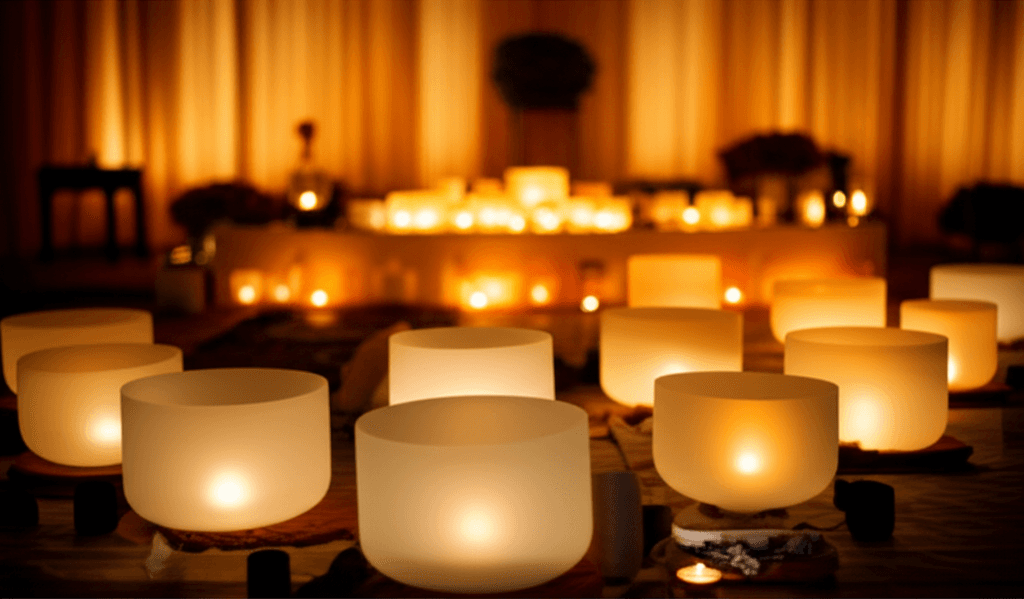
- Crystal Singing Bowls: Known for their pure, clear frequencies, they promote mental clarity and emotional release.
- Chimes and other percussive instruments: Used to punctuate cycles, guide transitions, and add delicate textures to the soundscape.
Through this expertly crafted soundscape, Soul Art enhances the WHM experience, transforming it into a holistic journey of nervous system regulation and self-discovery. The intention is to create a supportive, immersive environment where the physiological shifts induced by the WHM are gracefully integrated, allowing for deeper healing, enhanced emotional processing, and a more sustained sense of well-being. It’s a testament to the power of combining ancient practices with modern understanding, leading clients towards a more harmonious and resilient state of being.
Cultivating Resilience: Practical Steps for Your Journey
Embarking on a journey with the Wim Hof Method, especially when enhanced with sound, is a profound step towards cultivating greater resilience and well-being. While the concept may seem challenging, remember that consistency and a gentle approach are key. You don't need to conquer an ice bath on day one. Here are some practical steps you can take to begin integrating these powerful practices into your life:
- Start with Breathwork: Begin by exploring guided Wim Hof breathing exercises. Numerous reputable online resources and apps offer introductory sessions. Focus on understanding the technique and observing how your body responds. Even a few minutes daily can initiate positive physiological shifts.
- Embrace Gradual Cold Exposure: Don't plunge directly into ice water. Start with cold showers, gradually decreasing the water temperature over several days or weeks. Begin with a short burst (e.g., 30 seconds) at the end of your warm shower, focusing on your breath to stay calm. Increase the duration as you become more comfortable.
- Prioritize Consistency and Commitment: Like any beneficial practice, the true rewards of the Wim Hof Method emerge with regular engagement. Commit to a consistent schedule, even if it's just 10-15 minutes a day. This dedication builds mental fortitude and helps to ingrain the physiological adaptations.
- Explore Sound-Enhanced Experiences: Consider how sound can deepen your practice. Listen to ambient music or binaural beats during your breathing exercises, or seek out guided sound meditations. If you're in Dubai, exploring a session at Soul Art provides an expertly curated environment where the Wim Hof Method is thoughtfully integrated with therapeutic sound.
- Listen to Your Body and Seek Guidance: Always be mindful of your body's signals. The Wim Hof Method is a powerful practice, and it's essential to approach it respectfully. For personalized guidance and to ensure safe and effective practice, especially when combining it with sound, seeking instruction from certified practitioners like those at Soul Art is highly recommended.
Remember, this is a journey of self-discovery and empowerment. Each small step you take contributes to building a stronger, more resilient you.
In Summary: A Path to Enhanced Well-being
The Wim Hof Method offers a scientifically supported pathway to enhanced resilience, stress reduction, and overall vitality by consciously influencing our autonomic nervous system and immune responses. From modulating inflammation and improving interoceptive awareness to significantly reducing symptoms of stress, anxiety, and rumination, the benefits are compelling. By mastering breath and embracing controlled cold exposure, individuals may unlock a profound sense of self-mastery and inner calm.
At Soul Art, Larissa Steinbach elevates this transformative practice by integrating the profound healing power of sound wellness. The carefully curated soundscapes, featuring instruments like gongs and crystal singing bowls, enhance focus, deepen relaxation, and facilitate a more profound integration of the physiological shifts. This unique synergy creates a holistic journey that nurtures every aspect of your being, guiding you towards sustained well-being and a deeper connection with your inner strength. We invite you to explore this powerful integration and discover a new dimension of personal empowerment.
Bookings Coming Soon
Soul Art is still in preparation. Session details and booking will be published here after launch.
Coming Soon
Wellness Disclaimer: This article is for educational and informational purposes only. It does not constitute medical advice, diagnosis, or treatment. Soul Art Dubai provides non-medical wellness experiences focused on relaxation, stress management, and general wellbeing. Sound wellness is a complementary practice and should not replace professional medical care.
Related Articles
Sound & Nutrition: Cultivating Mindful Eating in Dubai
Cold Plunge & Sound: Elevating Recovery for Mind & Body
Cryotherapy & Sound: The Ultimate Recovery Protocol