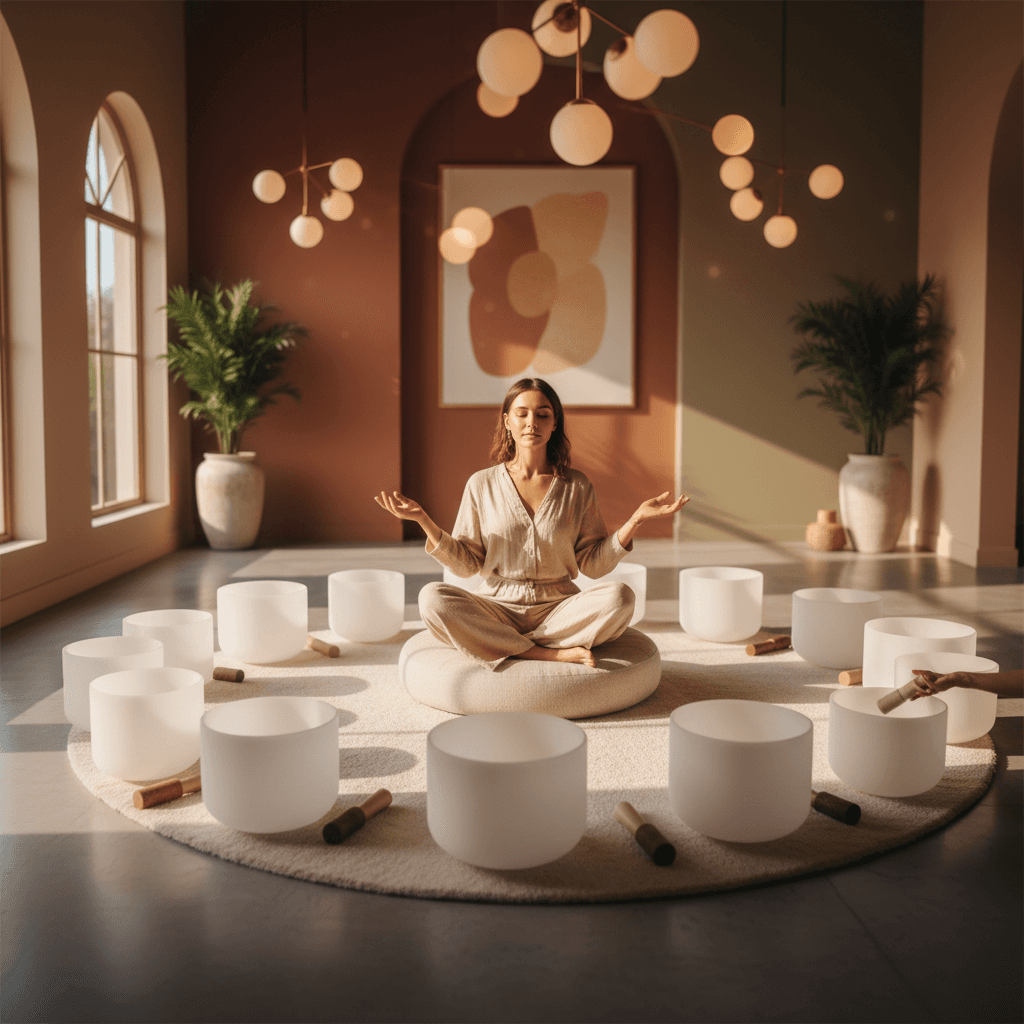
Beyond Auditory: Why Some Clients Prefer Feeling Sound to Hearing It at Soul Art
Key Insights
Explore the fascinating science behind why individual preferences for sound perception vary, from hearing to feeling, and how Soul Art Dubai offers personalized sound wellness experiences for deep relaxation and well-being.
Did you know that your brain processes sound not just through your ears, but through your entire body? This profound realization challenges our conventional understanding of auditory perception, inviting us to explore sound in a more expansive way. For many, sound is more than just an auditory experience; it’s a tangible sensation. This is particularly true in the realm of sound wellness, where the feeling of sound can unlock deeper states of relaxation and well-being.
In this article, we delve into the compelling science behind why some individuals gravitate towards feeling sound over merely hearing it. We will explore the neurological pathways involved, the spectrum of human sound preferences, and how this understanding informs the personalized experiences offered at Soul Art Dubai by its visionary founder, Larissa Steinbach. Understanding these nuanced preferences is key to optimizing our well-being and finding truly resonant self-care practices, highlighting the deeply personal nature of our sensory world.
The Science Behind Felt Sound: A Holistic Perception
Our interaction with sound is far more intricate than simple auditory processing. While our ears are the primary receptors, the body itself is a vast sensory network capable of perceiving vibrations. This felt sound experience is a cornerstone of vibroacoustic wellness, engaging our senses in a profound, holistic manner.
Beyond the Ear: How We Perceive Sound
The journey of sound typically begins when external vibrations enter the auditory canal, traverse the tympanic membrane, and move the three middle ear ossicles – the hammer, anvil, and stirrup. These ossicles then transmit vibrations to the cochlea in the inner ear, where the first interpretation of beeps occurs (Bear, Connors, & Paradiso, 2002; Moore, 2007). This is the traditional pathway we associate with hearing.
However, sound is fundamentally vibration, and these vibrations can be perceived through multiple channels, including bone conduction, skin receptors, and even internally through the fluid within our bodies. This means that certain frequencies and intensities can bypass the traditional auditory pathway, directly engaging our nervous system and cellular structures. Research suggests that some sensations do not even reach the level of consciousness, meaning the meaning of a stimulus can be extracted without conscious identification (Dehaene et al., 1998).
Furthermore, studies have shown that individuals with normal hearing can perceive phantom sounds when placed in a soundproof room (Del Bo et al., 2008), hinting at the brain’s active and interpretative role beyond external stimuli. The brain doesn't just passively receive; it actively constructs our auditory reality, often giving primacy to the sound source itself (Medical Research Archives).
The Brain's Interpretation: Why Preference Matters
The brain's role in processing sound is incredibly complex, involving both conscious and subconscious interpretations. Our brains actively make inferences about sensory information to give us a feeling of full and seamless perception (Williams et al., Psychological Science). This suggests that our expectations and prior experiences can significantly shape our actual perception, even influencing how we interpret visual cues when paired with sounds.
Beyond mere recognition, the emotional state of individuals plays a crucial role in their satisfaction and acceptance of auditory stimuli. Research indicates that a patient's emotional state can lead to decreased satisfaction, lack of acceptance, and reduced usage of aids designed for hearing (Liberty University PDF). This highlights the need to investigate the emotional journey alongside the physical one.
This deeper understanding informs why individual preferences for sound are so significant. It's not just about what we hear, but how our brain interprets and integrates that information with our emotional and physical state.
The 20-60-20 Split: Individualized Auditory Processing
Groundbreaking research from WSA, a leader in sound solutions, sheds significant light on distinct individual preferences in sound perception. CEO Jan Makela highlighted a compelling finding: when users are double-blind tested, roughly 20% show a strong preference for low-delay, more natural sound. Another 20% show a strong preference for highly processed sound optimized for clarity.
Intriguingly, about 60% can adapt well to either (HearingTracker). This "20-60-20 split" demonstrates unequivocally that there is no universal "best" sound experience. Each person's brain processes and responds to sound uniquely, influencing their comfort, confidence, and day-to-day well-being.
This preference isn't merely a matter of taste; sound quality and preference appear to be intimately linked to crucial outcomes like fatigue, confidence, and overall well-being (HearingTracker). This makes understanding and accommodating individual differences absolutely vital for creating truly effective and satisfying sound experiences.
The Impact of Emotion and Well-being on Sound Preference
The connection between sound quality, individual preference, and overall well-being is profound and undeniable. Research indicates that optimal sound preference is deeply linked to crucial aspects of daily life, including reduced fatigue, increased confidence, and enhanced day-to-day well-being (HearingTracker). If a sound environment is not perceived as comfortable or rewarding, it may increase cognitive effort and mental friction, rather than alleviate it.
As Lise Henningsen, from WSA, eloquently states:
"Preference formation is about ensuring comfort, reward, ease, and meaning throughout life."
This insight underscores that a truly beneficial sound experience goes far beyond mere audibility or clarity. It fundamentally shapes how our environments feel, whether daily sounds are enriching or irritating, and how smoothly we navigate our internal and external worlds. The emotional state of an individual directly impacts their acceptance and satisfaction with sound, highlighting the critical need for personalized interventions in wellness practices (Liberty University PDF). Understanding these multifaceted influences allows for a more empathetic and effective approach to sound wellness.
How It Works in Practice: Experiencing Sound Beyond the Ear
For those who prefer feeling sound to hearing it, the experience becomes profoundly immersive and deeply personal. It's not about the loudness or discernible pitch as much as it is about the internal resonance and physical sensation. This mode of perception engages the body’s proprioceptive and tactile senses, transforming sound into a tangible, pervasive force.
When low-frequency vibrations are introduced, such as through specialized instruments placed directly on or around the body, the sound travels through tissues, bones, and the interstitial fluids within. This creates an internal massage at a cellular level, often described as a gentle, pervasive hum or a profound vibration that permeates the entire being. The auditory system still plays a role, but for these individuals, it becomes secondary to the somatic experience.
Clients frequently describe a unique sensation of their body becoming a resonant chamber, where vibrations are felt in the chest, the spine, or even deep within the abdomen. This can foster a powerful sense of grounding and internal harmony, bringing a gentle awareness to the physical self. This physical engagement is particularly beneficial for individuals who find purely auditory experiences overwhelming or distracting, offering an alternative, grounding pathway to relaxation.
This vibroacoustic experience may also help to quiet the mental chatter that often accompanies traditional sound reception. By shifting the focus from the cognitive interpretation of sound to direct physical sensation, the mind finds it easier to disengage from external thoughts and anxieties. This fosters a state of deep meditative calm, effectively bypassing the analytical mind and encouraging a deeper state of surrender.
The impact of felt sound can extend beyond simple relaxation. It has been associated with supporting the release of muscular tension, stimulating circulation, and promoting a sense of energetic balance throughout the body. By engaging the nervous system through these gentle, pervasive vibrations, the body is encouraged to enter a parasympathetic state, often referred to as "rest and digest," which is crucial for overall healing and rejuvenation.
The emotional connection to sound also plays a significant role here. When a sound feels comfortable and rewarding, it can directly influence one's emotional state, fostering feelings of security, peace, and even joy. For many, this direct physical-emotional link is often more immediate and profound than a purely auditory experience.
The Soul Art Approach: Larissa Steinbach's Vision for Personalized Sound Wellness
At Soul Art Dubai, founder Larissa Steinbach has meticulously crafted a sound wellness experience that deeply respects and responds to these individual differences in sound perception. Recognizing that true well-being is inherently personal, her approach moves beyond a "one-size-fits-all" model, focusing instead on tailoring each session to the client’s unique needs and preferences.
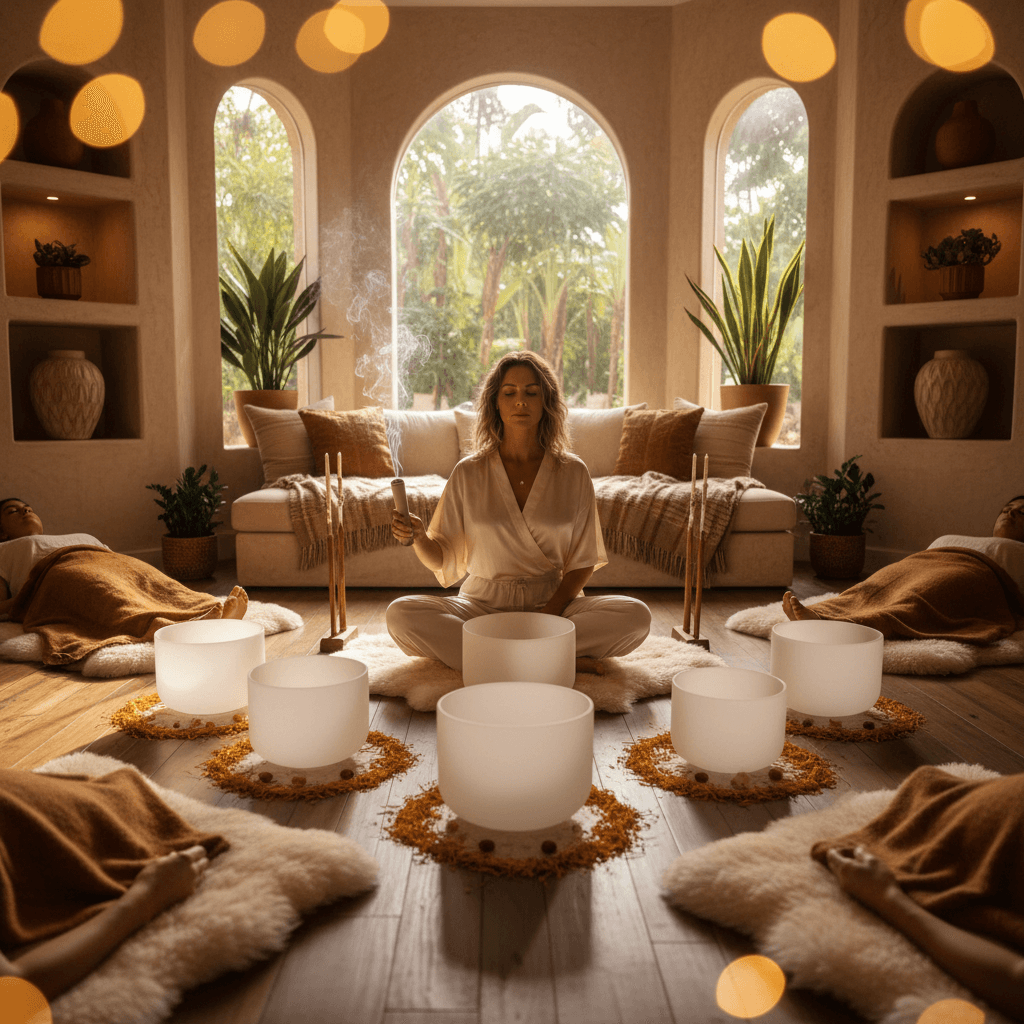
Larissa's philosophy at Soul Art is rooted in the understanding that some individuals connect more profoundly with the physical sensations of sound. For these clients, the focus shifts from merely listening to actively feeling the vibrations throughout their body. This approach leverages the power of vibroacoustics to deliver a truly immersive and deeply relaxing experience, fostering a holistic sense of calm.
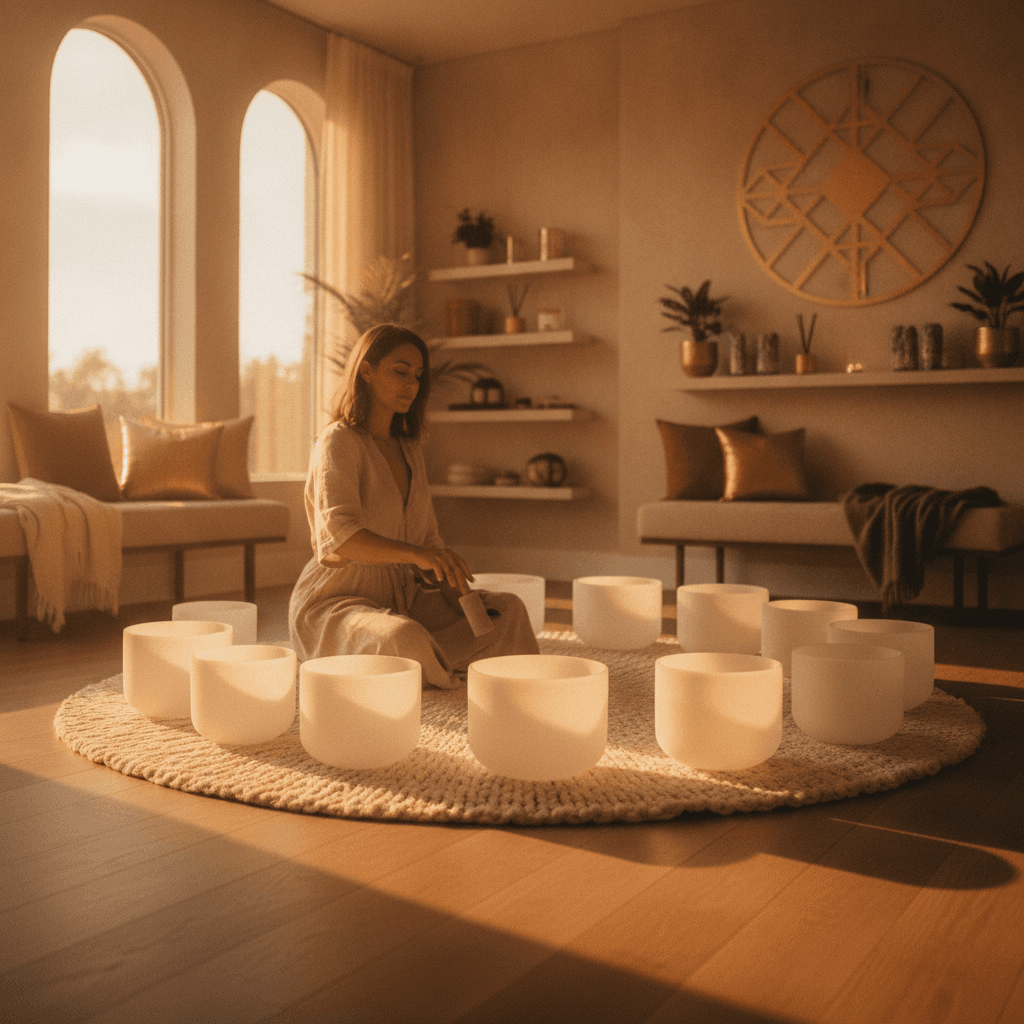
Utilizing a curated collection of high-quality instruments, such as large, hand-hammered Himalayan singing bowls, deeply resonant gongs, and precisely calibrated tuning forks, Larissa creates a symphony of vibrations. These are not just heard; they are specifically designed to be felt throughout the physical form. Bowls are often placed directly on the body, allowing their resonant frequencies to permeate tissues and organs, creating a gentle internal massage. Gongs are played to create sweeping waves of physical sensation that envelop the space and the individual within it.
The Soul Art method emphasizes careful observation and intuitive guidance, ensuring that the intensity and modality of sound application are perfectly attuned to the client's comfort and desired outcome. Larissa understands that "preference formation is about ensuring comfort, reward, ease, and meaning" (Henningsen, WSA), and this principle is meticulously applied to the design and flow of every session.
Through her expert facilitation, Larissa Steinbach helps clients navigate their internal landscape, inviting them to surrender to the subtle yet profound power of felt sound. This allows for a deeper release of tension, a calming of the nervous system, and a reconnection with one's inner peace, fostering profound holistic well-being.
Your Next Steps: Embracing Your Unique Sound Journey
Understanding your personal preference for perceiving sound—whether you lean towards hearing it, feeling it, or a blend of both—is a powerful step in enhancing your self-care and well-being journey. This invaluable self-awareness allows you to seek out experiences that genuinely resonate with your unique sensory profile.
If the concept of feeling sound deeply resonates with you, or if you've found purely auditory experiences to be less impactful, consider exploring modalities that emphasize vibroacoustic sensations. This personalized approach may unlock new levels of relaxation, mental clarity, and profound physical comfort for you.
Here are a few actionable steps you can take today to explore your sound preferences:
- Reflect on Your Preferences: Pay attention to how different sounds make you feel in your body, beyond just what you hear. Do you find comfort in the deep bass vibrations at a concert, or the gentle rumble of distant thunder?
- Explore Vibroacoustic Wellness: Seek out wellness studios or practitioners who specialize in sound baths where instruments are placed on or near the body, allowing for direct physical transmission of vibrations.
- Communicate Your Needs: When engaging in sound wellness practices, openly discuss your preferences with your practitioner. A skilled guide, like Larissa Steinbach at Soul Art, can tailor the experience to your sensory comfort and desired depth.
- Practice Mindful Listening: Even in daily life, practice mindful listening, noticing the subtle vibrations and physical impact of sounds around you, such as the hum of an appliance or the resonance of your own voice.
- Consider a Personalized Session: To truly discover the depths of felt sound, a bespoke session can provide an unparalleled opportunity to explore what works best for your unique system in a guided and supportive environment.
Ready to restore your nervous system and discover deep relaxation by experiencing sound in a new, profound way?
In Summary: The Profound Power of Felt Sound
Our journey into sound perception reveals a captivating truth: how we engage with sound is as diverse as we are, often extending beyond mere hearing to a profound feeling of vibrations. Scientific research, including groundbreaking insights from WSA, highlights that individual preferences dictate whether we thrive on natural, highly processed, or purely felt sound experiences, impacting our comfort, well-being, and even levels of fatigue. This intricate interplay between auditory and somatic sensation underscores the deeply personal nature of our response to sound.
By acknowledging that sound is felt as much as it is heard, we unlock new pathways to relaxation and inner harmony. Larissa Steinbach and Soul Art Dubai champion this understanding, offering bespoke sound wellness sessions meticulously designed to honor each client's unique sensory blueprint. Whether through resonant bowls or immersive gongs, Soul Art invites you to experience sound as a tangible, transformative force, guiding you to a state of profound peace and holistic well-being.
Bookings Coming Soon
Soul Art is still in preparation. Session details and booking will be published here after launch.
Coming Soon
Wellness Disclaimer: This article is for educational and informational purposes only. It does not constitute medical advice, diagnosis, or treatment. Soul Art Dubai provides non-medical wellness experiences focused on relaxation, stress management, and general wellbeing. Sound wellness is a complementary practice and should not replace professional medical care.
Related Articles
Unveiling the Enduring Calm: Aftereffects of Vibroacoustic Sessions at Soul Art
Unlocking Relief: Vibroacoustic Relaxation for Back Tension
Harmonize Your Being: Choosing Between Sound Bowl and Vibroacoustic Sessions at Soul Art