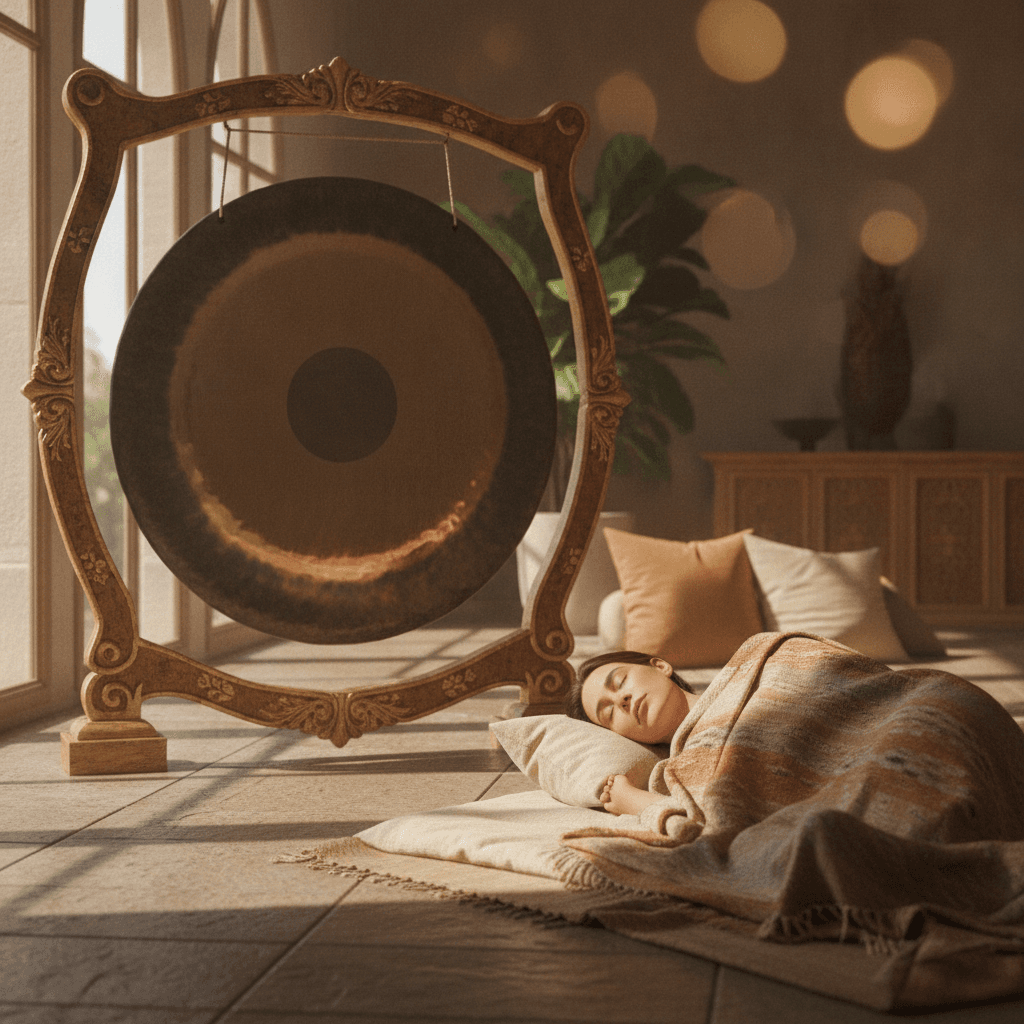
Nervous System Care: The New Frontier of Global Wellness
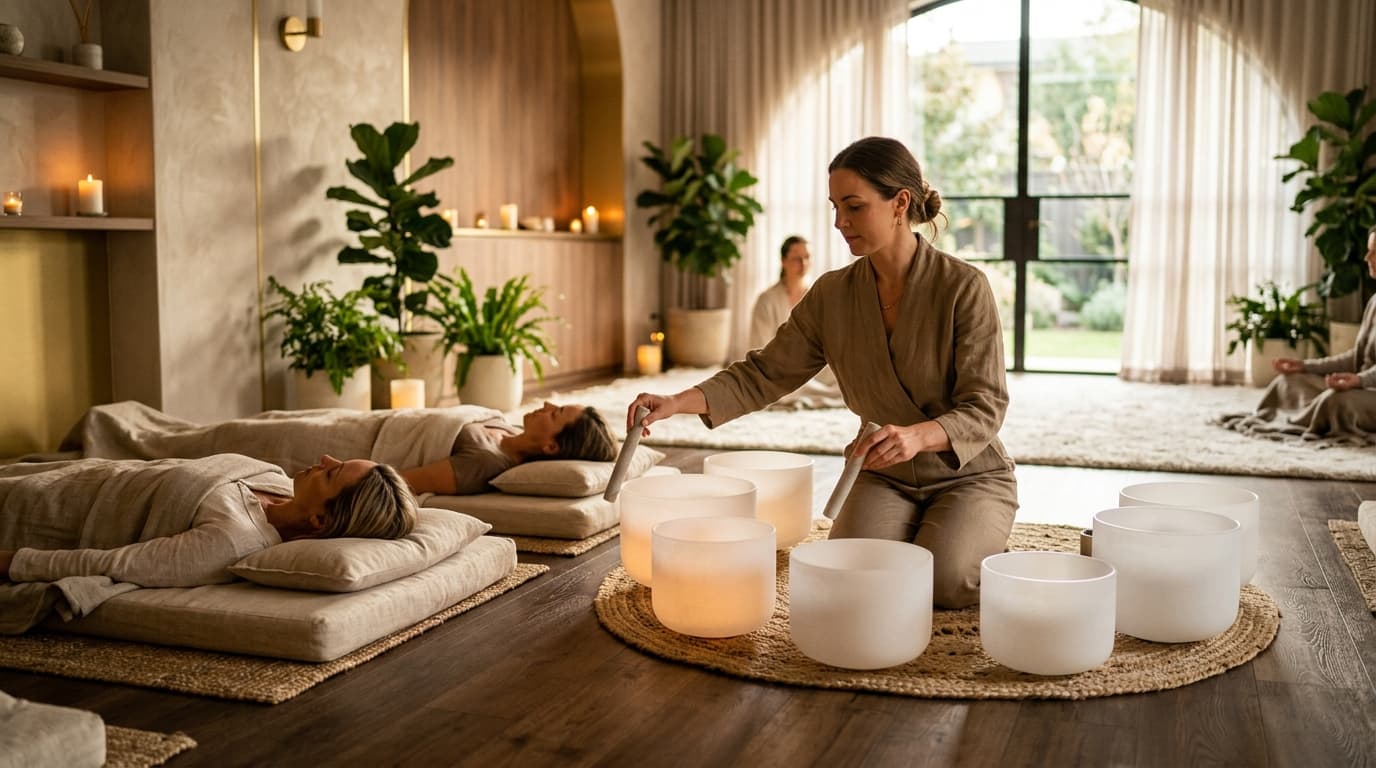
Key Insights
Discover why global wellness is shifting from stress relief to proactive nervous system regulation, embracing neurowellness and bio-harmonization.
Why Global Wellness Is Moving Toward Nervous System Care
Imagine a world where feeling constantly on edge isn't the norm, where genuine resilience replaces the endless pursuit of "optimization." For years, the wellness industry primarily focused on reactive stress reduction, offering temporary fixes after the pressure had already mounted. However, a profound macro shift is now underway, signaling a pivotal evolution in how we approach our well-being.
Global wellness is moving beyond mere stress relief to embrace proactive, everyday regulation of the nervous system as its new, essential pillar. This profound reorientation, termed "Neurowellness" by leading industry experts like the Global Wellness Summit, acknowledges that our capacity for health, happiness, and connection isn't just about willpower or diet. It’s fundamentally rooted in the state of our nervous system. This article will delve into the science behind this shift, explore its practical applications, and reveal how Soul Art, founded by Larissa Steinbach, is at the forefront of this vital movement.
The Science Explained
The journey towards nervous system care isn't a fleeting trend; it’s a scientifically validated response to the demands of our modern world. Our bodies are equipped with an intricate command center – the nervous system – which dictates virtually every aspect of our physiological and psychological experience. Understanding its functions is key to unlocking a deeper state of well-being.
The Autonomic Nervous System: Beyond Fight-or-Flight
At the heart of nervous system care lies a deeper understanding of the autonomic nervous system (ANS). The ANS operates largely outside our conscious control, managing vital functions like heart rate, digestion, and breathing. It comprises two main branches: the sympathetic and parasympathetic nervous systems.
The sympathetic nervous system is responsible for our "fight-or-flight" response, gearing us up for action in perceived danger. It increases heart rate, sharpens senses, and directs blood flow to muscles, an invaluable survival mechanism. However, in our current digital-first world, this system is often chronically activated by relentless digital stimulation, work without boundaries, and the constant barrage of alarming news.
Conversely, the parasympathetic nervous system facilitates "rest-and-digest" or "feed-and-breed" functions. It promotes relaxation, aids digestion, lowers heart rate, and supports immune function and cellular repair. For optimal health and resilience, our nervous system needs to gracefully oscillate between these two states, with sufficient time spent in parasympathetic dominance for restoration.
The Impact of Chronic Overload
When the nervous system is perpetually stuck in a low-grade fight-or-flight state, the consequences are far-reaching. The Global Wellness Summit highlights that this autonomic imbalance manifests as fragmented sleep, persistent anxiety, chronic inflammation, brain fog, hormonal disruption, and ultimately, burnout. Many individuals recognize these symptoms but struggle to identify the root cause, often blaming lack of willpower rather than nervous system overload.
This constant state of readiness was not what our nervous systems were designed for. Early humans faced acute, short-lived stressors. Today, we navigate chronic, pervasive stressors, leading to an exhaustion of our innate regulatory capacities. This realization is a major catalyst for the shift towards proactive nervous system care.
The Vagus Nerve and Heart Rate Variability (HRV)
Central to regulating the ANS is the vagus nerve, often called the "wandering nerve" due to its extensive reach throughout the body. The vagus nerve acts as a crucial communication pathway between the brain and vital organs, playing a significant role in calming the body and promoting parasympathetic activity. Stimulating the vagus nerve helps to bring the body out of a stressed state and into a more relaxed one.
Heart Rate Variability (HRV), the variation in time between heartbeats, is a powerful biomarker for nervous system health. A higher HRV indicates a more flexible and resilient nervous system, capable of adapting to stress and returning to a calm state more efficiently. Wearable technologies have made HRV a daily metric, giving individuals insight into their nervous system's capacity for regulation and providing a clear message when scores remain low, indicating chronic sympathetic activation.
This visibility is driving a wave of interventions that go beyond traditional supplements and mindset shifts. It's about training the nervous system, much like we train our muscles, to build genuine long-term resilience against stress. This is a fundamental move past years of stressful optimization towards relief, building resilience, and restoring connection to the body – a shift from "biohacking" to "bio-harmonization."
How It Works in Practice
The shift towards nervous system care is fundamentally about moving from reactive management to proactive training and environmental support. It's recognizing that genuine well-being isn't just about what we do, but how our internal state is regulated. This involves a spectrum of approaches, from gentle somatic practices to advanced neurotechnology, and even ambient environmental design.
The Experiential Shift: From Metrics to Embodiment
For too long, wellness has been presented as a series of metrics to chase, often leading to more stress rather than less. Neurowellness invites a different approach: one that prioritizes nervous-system safety, emotional repair, and pleasure over dashboards and demands. This cultural pivot marks a return to something far more human – a deep connection to our internal landscape.
Practically, this means moving beyond merely understanding concepts like stress and embracing experiences that directly influence our physiological state. It’s about cultivating a felt sense of calm and resilience rather than just intellectually acknowledging its importance. This is where "soft-care" wellness anchors are being re-framed as powerful nervous-system medicine.
Somatic Practices: Engaging the Body's Wisdom
Long-standing practices like breathwork, touch therapy, yoga, and Feldenkrais are increasingly recognized for their measurable effects on nervous system regulation. These aren't just "feel-good" activities; they are sophisticated tools that engage the body's innate capacity for self-regulation.
- Breathwork, for instance, directly influences the vagus nerve, shifting the body from sympathetic dominance to parasympathetic calm through conscious control of respiratory rhythms.
- Mindful movement practices like yoga or Feldenkrais help release stored tension, improve body awareness, and reduce the physical manifestations of chronic stress.
- Sound wellness, a deeply immersive somatic experience, uses specific frequencies and vibrations to gently guide the brain into relaxed states, calming the nervous system without conscious effort.
These approaches foster a deeper connection between the brain and body, promoting a sense of coherence and internal balance. They offer tangible, repeatable ways to train the nervous system, making resilience an active practice rather than a passive hope.
The Rise of Neurotech and Environmental Neurowellness
Alongside these traditional "soft-care" methods, a wave of "hard-care" neurowellness is emerging through consumer-friendly neurotech. Devices like vagus nerve stimulation tools (e.g., Pulsetto), EEG-guided sleep tools (e.g., Elemind), and neurofeedback platforms (e.g., Myndlift) bring nervous system training into homes and therapists’ offices. These innovations leverage technology to provide targeted regulation and insight, offering new pathways for individuals to train their stress fitness.
The future points towards "Environmental Neurowellness," where regulation becomes ambient and integrated into our surroundings. Imagine quiet corridors in bustling cities, sound-softened public buildings, and shared decompression spaces. The VELUM research project, for example, is developing immersive experiences intentionally rich in nervous-system regulatory cues, designed to work on people without active effort or devices. This innovative approach seeks to create environments that inherently reduce nervous system overload, demonstrating a profound shift towards supporting our well-being through intelligent design.
"The real question is not how people cope in the moment, but how we can build genuine long-term resilience in the nervous system to better manage stress." – Dr. Jonė Pukėnaitė, Medical & Science Lead at Pulsetto.
This holistic view—encompassing both intentional personal practices and supportive environments—underscores the comprehensive nature of the nervous system care movement. It’s about creating a lifestyle and surroundings that consistently foster regulation, resilience, and restoration.
The Soul Art Approach
At Soul Art, Dubai's premier sound wellness studio, we are deeply aligned with this global shift towards nervous system care. Larissa Steinbach, our founder, recognized years ago that true well-being goes beyond superficial fixes. She built Soul Art on the principle that profound internal shifts begin with regulating the body's most fundamental operating system: the nervous system.
Larissa Steinbach's vision for Soul Art is not merely about relaxation; it's about providing a scientifically informed yet deeply intuitive pathway for individuals to cultivate nervous system resilience. We see sound as an incredibly potent, non-invasive tool that bypasses the busy mind and directly influences brainwave states and the autonomic nervous system.
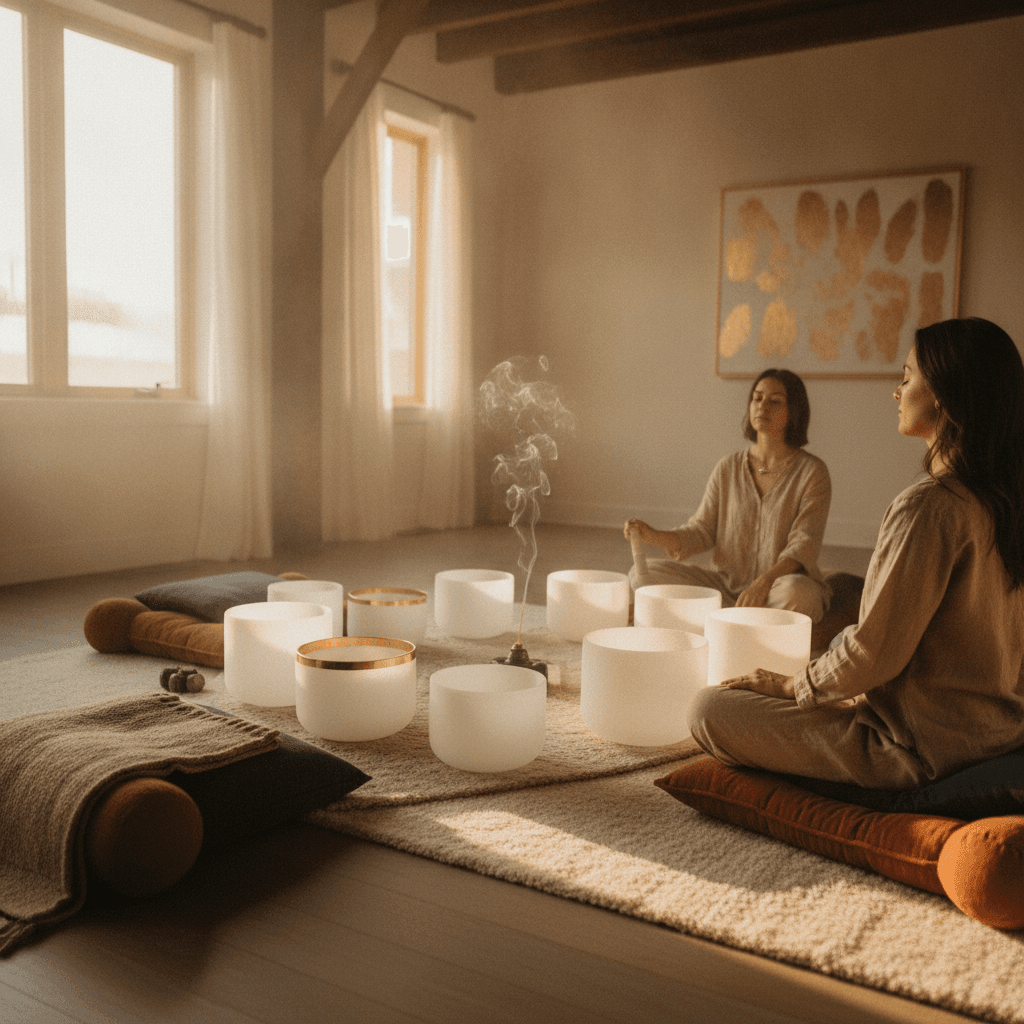
The Soul Art method utilizes a symphony of resonant instruments – including deeply vibrating gongs, Himalayan singing bowls, crystal bowls, and chimes – in carefully curated sound journeys. These instruments produce specific frequencies and harmonics that facilitate a physiological shift from the active, often overstimulated, beta brainwave state to more relaxed alpha and theta states. This transition gently encourages the parasympathetic nervous system to activate.
What makes the Soul Art method unique is its commitment to creating a fully immersive and safe environment, a true decompression space. From the moment you enter, every detail is designed to reduce sensory overload and invite a sense of peace. The curated soundscapes, combined with ambient lighting and comfortable settings, create a sanctuary where the body feels safe enough to release tension and truly relax. This deliberate environmental design aligns perfectly with the emerging concept of ambient neurowellness, where the surroundings themselves become a tool for regulation.
Clients at Soul Art often report a profound sense of calm, mental clarity, and deep physical relaxation after a session. Many experience improved sleep, reduced anxiety, and a greater capacity to navigate daily stressors. This isn't just anecdotal; it reflects the measurable physiological changes occurring as the nervous system rebalances. By intentionally guiding the body into these restorative states, Soul Art helps individuals build their "stress fitness," equipping them with the internal resources needed for long-term well-being and emotional equilibrium.
Larissa Steinbach believes that by offering accessible and transformative experiences, Soul Art empowers individuals to take proactive ownership of their nervous system health. It's a complementary approach to modern living, providing a vital counterpoint to our digitally saturated world and fostering a deeper connection to self.
Your Next Steps
Embracing nervous system care is a journey, not a destination. It involves integrating intentional practices into your daily life that support your body's natural capacity for regulation. Here are a few actionable steps you can take today to begin your path towards greater resilience and well-being:
- Prioritize Conscious Breathing: Dedicate a few minutes each day to diaphragmatic breathing. Inhale slowly through your nose, letting your belly expand, and exhale even slower through your mouth. This simple practice directly engages the vagus nerve and activates the parasympathetic nervous system.
- Integrate Mindful Movement: Even short bursts of gentle movement like stretching, walking in nature, or mindful yoga can help release physical tension and bring you back into your body. Pay attention to the sensations as you move.
- Limit Digital Overload: Schedule regular "digital detox" periods throughout your day, even if for just 15-30 minutes. Turn off notifications and create boundaries around work-related screen time, especially before sleep.
- Cultivate Sensory Awareness: Notice the sounds, sights, and smells around you without judgment. Engaging your senses in a non-stimulating way can ground you in the present moment, shifting focus away from anxious thoughts.
- Explore Immersive Wellness: Consider experiencing a sound wellness session. Practices like those offered at Soul Art provide a unique, effortless way to experience deep nervous system regulation, allowing your body to rest and restore in an expertly guided environment.
Taking these steps can help you move from reacting to stress to proactively building a more harmonious and resilient nervous system.
In Summary
The global wellness landscape is undeniably shifting, moving away from reactive stress management towards a proactive, scientific approach to nervous system care. This "Neurowellness" revolution recognizes that chronic nervous system overload is a fundamental bottleneck to our health and happiness, impacting everything from sleep and cognition to emotional balance. By understanding the intricate dance of our autonomic nervous system and embracing practices that promote "bio-harmonization" over "biohacking," we can cultivate genuine resilience.
From somatic practices like breathwork and sound wellness to cutting-edge neurotech and ambient environmental design, the future of well-being is about intentional regulation. Soul Art, under the guidance of Larissa Steinbach, stands as a beacon in this movement, offering immersive sound experiences that gently guide the nervous system back into balance. It's an invitation to reclaim your inherent capacity for calm, clarity, and deep restoration.
Bookings Coming Soon
Soul Art is still in preparation. Session details and booking will be published here after launch.
Coming Soon
Wellness Disclaimer: This article is for educational and informational purposes only. It does not constitute medical advice, diagnosis, or treatment. Soul Art Dubai provides non-medical wellness experiences focused on relaxation, stress management, and general wellbeing. Sound wellness is a complementary practice and should not replace professional medical care.
Related Articles
AC Dryness, Stress & Restorative Sound Baths in Dubai
Harmonizing Presence: Your Guide to Group Sound Bath Etiquette at Soul Art Dubai
Harmonising Hospitality: Hotel Wellness Partnerships with Sound Practitioners