When Vibroacoustic Sound Feels Too Strong: A Soul Art Guide
Key Insights
Explore why vibroacoustic sound can feel intense and how Soul Art personalizes your wellness journey for optimal relaxation and profound benefits.
Have you ever experienced a sound bath or vibroacoustic session where the vibrations felt surprisingly intense, perhaps even overwhelming? It's a common, yet often unspoken, experience that can lead many to question if this powerful wellness practice is truly for them. Understanding why this happens is the first step towards unlocking its profound benefits on your terms.
At Soul Art, Dubai's premier sound wellness studio, founded by Larissa Steinbach, we often encounter individuals with varying sensitivities to sound and vibration. This article delves into the fascinating science behind vibroacoustic therapy (VAT) and offers insights into why these deep sensations occur, ensuring you can tailor your journey for optimal comfort and lasting well-being. We believe true relaxation comes from a deeply personalized and empathetic approach.
This guide will equip you with knowledge to understand your body's unique response to vibroacoustic sound, allowing you to embrace its transformative potential as a powerful complementary approach to holistic wellness. You'll learn how this sensory engagement goes beyond mere listening, influencing your physiology in measurable ways.
The Science Explained: Why Vibration Resonates So Deeply
Vibroacoustic sound is more than just listening; it’s an immersive, full-body experience where low-frequency sound waves are physically transmitted into the body. Unlike traditional music therapy that primarily engages the auditory system, VAT activates our somatosensory system—the network of nerves that responds to touch, pressure, and vibration. This fundamental difference is why sensations can be so pronounced.
Beyond Hearing: The Somatosensory System
Our skin, muscles, and bones are rich with mechanoreceptors, specialized sensory cells that detect mechanical stimuli like pressure and vibration. When sound waves are delivered through a vibroacoustic device, such as a sound bed or mat, these mechanoreceptors are activated. The sensations they transmit to the brain can feel incredibly potent, especially to individuals who are particularly sensitive to tactile input. Research indicates that human mechanoreceptors, like Pacinian corpuscles, can detect vibrations up to 1,000 Hz, with frequencies between 30 Hz and 120 Hz generally associated with calming effects.
A 2017 study by Sandler and colleagues highlighted that vibroacoustic stimulation produced physiological relaxation beyond what rest alone could achieve, confirming the unique engagement of these sensory systems. This physical dimension of vibration engages additional physiological pathways that listening alone does not reach.
Brainwaves and Relaxation
The brain's electrical activity, measured as brainwaves, shifts in response to vibroacoustic stimulation. Scientists often look at ratios like theta/beta (TBR) and beta/alpha (BAR) to understand states of concentration and relaxation. A recent study by Fooks and Niebuhr (2024) on vibroacoustic sound massage found that participants spoke more deeply, softly, and slowly after sessions, suggesting a more relaxed state.
While the type and strength of the relaxation effect during VAT can sometimes be difficult to distinguish from other forms of rest, preliminary evidence suggests that vibroacoustic stimulation may induce higher levels of concentration while simultaneously promoting a relaxed state. This unique combination can be particularly beneficial for mental processing and stress reduction.
The Autonomic Nervous System's Response
Vibroacoustic stimulation has a profound influence on the autonomic nervous system (ANS), which controls involuntary bodily functions like heart rate, breathing, and digestion. The ANS comprises two branches: the sympathetic (fight-or-flight) and parasympathetic (rest-and-digest) systems.
- Heart Rate Variability (HRV): A key indicator of ANS balance is heart rate variability (HRV). Higher HRV is generally associated with greater adaptability and parasympathetic activity, indicating a more relaxed state.
- Physiological Changes: Music therapy, which forms a core component of vibroacoustic sound, has been shown to reduce cortisol levels, lower heart rate, and decrease blood pressure (meta-analysis of 47 controlled trials, 2020). The addition of vibration in VAT further amplifies these effects, engaging deeper physiological pathways.
- Neurotransmitters: Music itself triggers neurotransmitters like dopamine, endorphins, and oxytocin, which are associated with pleasure, pain relief, and social bonding. VAT enhances these effects through the physical transmission of sound.
Several studies attest to the benefits of VAT. Naghdi et al. (2015) found large improvements in pain, sleep, and function in women with fibromyalgia using 40 Hz VAT. Lim et al. (2018) reported significant pain reduction and improved physical quality of life in adults with chronic back/shoulder pain. These physiological shifts, when intense, can sometimes be perceived as overwhelming as the body adjusts to a deeper state of relaxation or release.
"The body is a symphony, and sometimes, for true harmony to emerge, certain instruments need to be tuned with precision and gentle care. Vibroacoustics offer that fine-tuning, engaging our internal landscape in ways we're only beginning to fully comprehend."
How It Works in Practice: From Theory to Personal Experience
When you lie on a vibroacoustic sound bed, custom-designed transducers deliver low-frequency sine waves directly into your body. This isn't merely hearing the music; it's feeling it penetrate deeply into your tissues and bones. The frequency range used, typically between 0 and 500 Hz, with a common therapeutic focus on 30-120 Hz, mirrors the range of subwoofers but with a full-body application.
The Journey of Sensation
Clients at Soul Art often describe a spectrum of sensations during a vibroacoustic session:
- Gentle Ripples: A subtle, pervasive hum that washes over the body, easing tension.
- Deep Resonance: A profound vibration that penetrates muscle tissue and bone, often felt strongest in areas of tension or blockage.
- Internal Massage: Many report a feeling akin to an internal massage, as the vibrations stimulate blood flow and lymphatic drainage.
- Emotional Release: As physical tension dissipates, emotional blockages may also surface, leading to feelings of release, joy, or even transient sadness.
For some, these sensations are immediately comforting and deeply relaxing. For others, particularly those new to the experience or with heightened sensory processing, the intensity can initially feel too strong. This is a natural response, as the body and mind adjust to a novel and powerful stimulus. It's important to remember that this is your body's unique way of responding and processing. Rüütel (2002) found that women receiving vibroacoustic therapy perceived a wider spectrum of physical and emotional change compared to music listening without vibration, underscoring the depth of engagement.
The Brain-Body Connection in Real Time
The continuous transmission of these vibrations provides direct stimulation to the nervous system, encouraging it to shift from a sympathetic (stressed) to a parasympathetic (relaxed) state. This shift is not always a linear, gentle curve; for some, it can feel like a profound re-calibration, creating strong internal sensations as the body releases stored tension and trauma. The experience is highly individual, influenced by factors such as:
- Individual Sensitivity: Some individuals naturally have a lower threshold for sensory input.
- Current Stress Levels: A highly stressed nervous system might react more intensely to the initial deep relaxation.
- Physical Conditions: Areas of chronic pain or inflammation may register vibrations more acutely.
- Emotional State: Unprocessed emotions can surface, making the experience feel more impactful.
Understanding these factors allows for a more personalized and supportive approach, ensuring that even if the sensations feel strong, the journey remains one of profound wellness. The goal is always to meet the client where they are, adjusting the experience to their comfort level.
The Soul Art Approach: Personalized Pathways to Peace
Larissa Steinbach, founder of Soul Art, recognized early on the critical importance of a personalized approach to sound wellness. Her vision for Soul Art was to create a sanctuary where the transformative power of sound is delivered with empathy, expertise, and a deep respect for individual needs. The Soul Art method is specifically designed to navigate the nuanced experience of vibroacoustic sound, ensuring that every client feels safe, supported, and ultimately, deeply relaxed.
Larissa Steinbach's Philosophy
Larissa believes that "sound is a deeply personal journey." She emphasizes active listening to her clients' needs and preferences, creating a bespoke experience rather than a one-size-fits-all session. This philosophy is particularly crucial when addressing the perception of vibroacoustic sound feeling "too strong." It’s about creating an environment where vulnerability is welcomed, and adjustments are seamlessly made.
Soul Art's approach integrates cutting-edge vibroacoustic technology with the ancient wisdom of sound healing. This fusion allows for a highly adaptive practice that respects the unique bio-individuality of each person. The studio prioritizes understanding the client's sensory profile, stress levels, and emotional landscape before and during each session.
What Makes Soul Art Unique
- Customizable Intensity: Our advanced vibroacoustic beds allow for precise control over frequency and amplitude. This means that if you find the vibrations too strong, our experienced practitioners can immediately and subtly adjust the settings to a gentler level, ensuring your comfort is paramount.
- Guided Somatic Awareness: Larissa and her team guide clients through the session, encouraging mindful awareness of sensations without judgment. This helps integrate intense feelings, transforming potential overwhelm into deeper self-connection. Clients are taught to communicate any discomfort, fostering a co-creative wellness experience.
- Holistic Integration: Vibroacoustic sessions at Soul Art are often complemented by other elements such as aromatherapy, gentle breathwork guidance, and visualization techniques. This multi-sensory approach further supports nervous system regulation and helps ground the experience, even when vibrations are deeply felt.
- Emphasis on Education: We empower our clients with knowledge about why certain sensations occur, demystifying the process. Understanding the scientific basis, such as the activation of mechanoreceptors or shifts in brainwave states, can help reframe an intense sensation from unsettling to simply powerful.
At Soul Art, every session is a conversation between your body, the sound, and our expert practitioners. This dedication to personalized care ensures that whether you seek deep release or gentle relaxation, your experience is harmonized to your unique frequency.
Your Next Steps: Embracing Vibroacoustic Wellness
If you've experienced vibroacoustic sound feeling too strong, remember that it's a sign of your body actively responding to a powerful stimulus. It's not a reason to shy away from this beneficial practice, but rather an invitation to personalize your approach. Here’s how you can take control and optimize your sound wellness journey:
- Communicate with Your Practitioner: This is the most crucial step. During your session at Soul Art, always feel empowered to express any discomfort or intensity. Our practitioners are skilled at making real-time adjustments to frequency and amplitude to tailor the experience to your comfort level.
- Start with Gentler Settings: If you are new to vibroacoustic sound or have known sensory sensitivities, request a session with lower intensity and a focus on calming frequencies. Gradually increase the intensity in subsequent sessions as your body adapts and becomes more accustomed to the sensations.
- Focus on Breathwork: Conscious, deep breathing can be a powerful tool to ground yourself when sensations feel strong. Practice slow, abdominal breaths to activate your parasympathetic nervous system and enhance relaxation during the session.
- Hydrate Well: Ensuring you are well-hydrated before a session can support the body's energetic and physiological responses to vibration.
- Mindset and Intention: Approach your session with an open mind and a clear intention. Understanding that intense sensations are often part of a deeper release or rebalancing process can help you lean into the experience rather than resist it.
By taking these steps, you can transform an initially overwhelming experience into a profound and deeply satisfying journey of self-discovery and relaxation. Soul Art is committed to providing a safe, understanding, and highly customized environment for your sound wellness journey.
Bookings Coming Soon
Soul Art is still in preparation. Session details and booking will be published here after launch.
Coming Soon
In Summary: Harmonizing Your Unique Resonance
The experience of vibroacoustic sound feeling "too strong" is a natural, scientifically-backed phenomenon stemming from the deep engagement of our somatosensory system and nervous system. It's an indicator of the powerful, yet non-invasive, work these frequencies are doing within your body. Rather than a barrier, it serves as valuable feedback, guiding the path to personalized wellness.
At Soul Art, Larissa Steinbach and her team are dedicated to crafting an individualized sound journey, ensuring that every session is not only effective but also deeply comfortable and empowering. By understanding the science and embracing open communication, you can fully harness the restorative power of vibroacoustic sound, transforming potential intensity into profound peace and well-being. We invite you to explore your unique resonance with us.
Wellness Disclaimer: This article is for educational and informational purposes only. It does not constitute medical advice, diagnosis, or treatment. Soul Art Dubai provides non-medical wellness experiences focused on relaxation, stress management, and general wellbeing. Sound wellness is a complementary practice and should not replace professional medical care.
Related Articles
Unveiling the Enduring Calm: Aftereffects of Vibroacoustic Sessions at Soul Art
Unlocking Relief: Vibroacoustic Relaxation for Back Tension
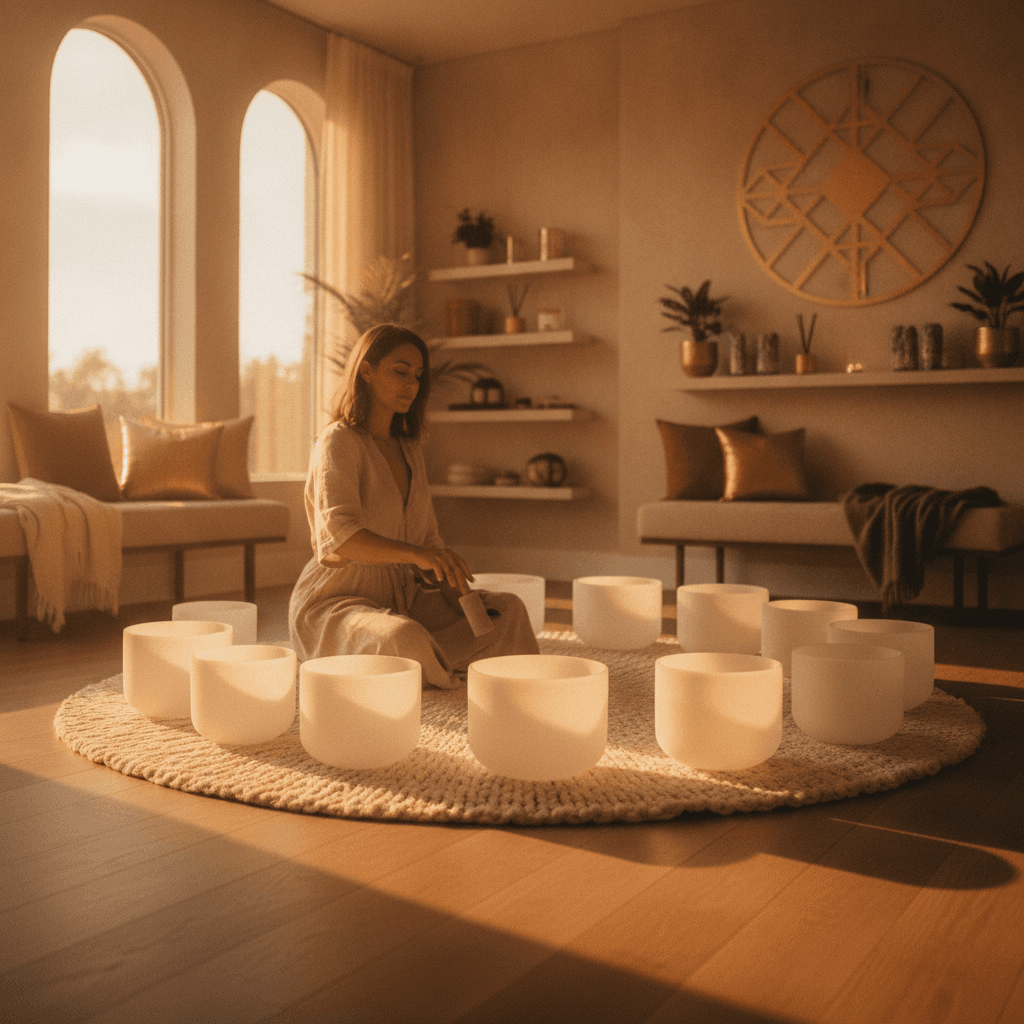
Harmonize Your Being: Choosing Between Sound Bowl and Vibroacoustic Sessions at Soul Art