Tears in a Sound Bath: Unlocking Deep Emotional Release
Key Insights
Discover why crying during a sound bath is a natural, therapeutic release, backed by science. Soul Art Dubai guides you through this profound wellness experience.
What If You Cry During a Sound Bath? Embracing Deep Emotional Release
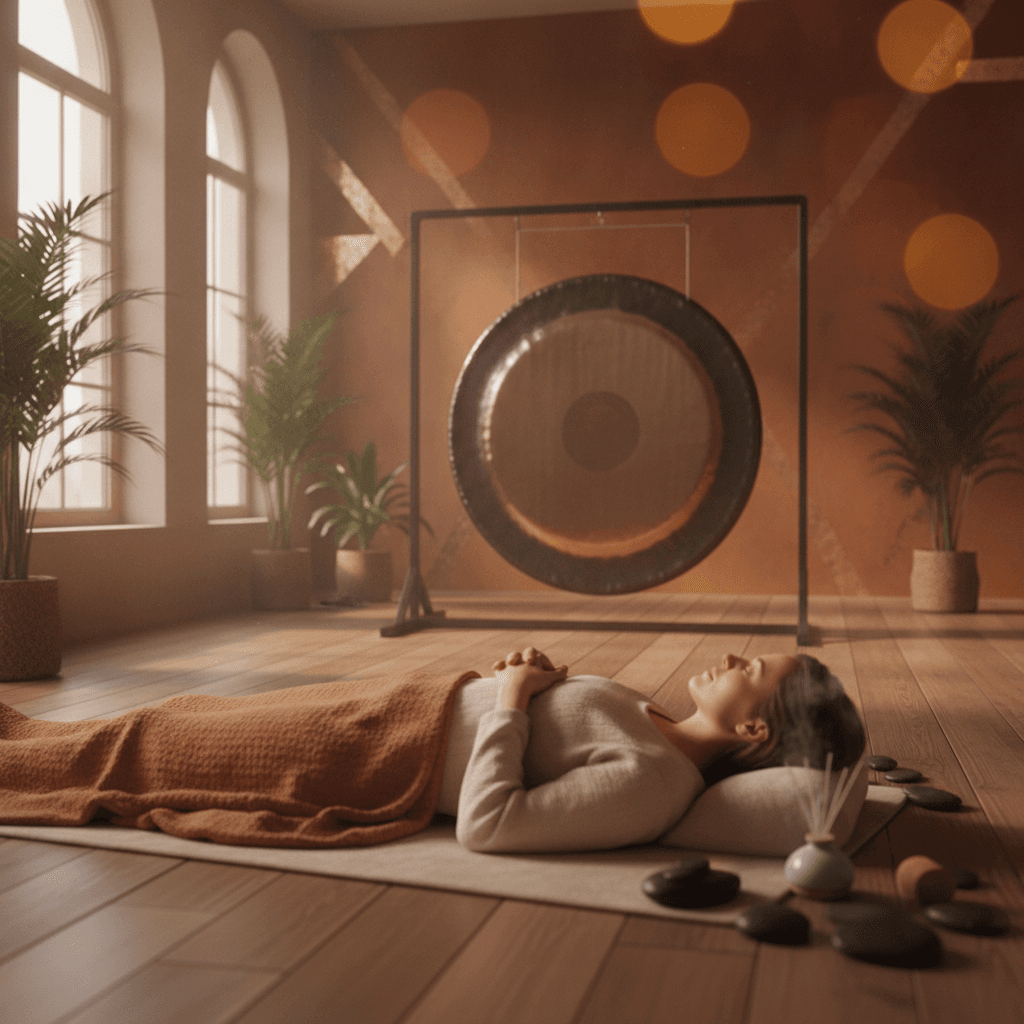
Imagine sinking into a profound state of relaxation, enveloped by the ethereal vibrations of gongs, crystal bowls, and chimes. For many, a sound bath promises serene calm and restorative peace. However, for a notable portion of participants, the experience takes an unexpected, yet deeply therapeutic turn: tears may begin to flow.
Approximately 15-20% of individuals may encounter mild discomfort or unexpected emotional releases during or after their initial sound bath session, according to recent research. This phenomenon, far from being a negative side effect, is often a powerful indicator of deep emotional processing and release. At Soul Art in Dubai, founded by the visionary Larissa Steinbach, we embrace this aspect as a natural and often beneficial part of the journey toward holistic well-being.
This article delves into the fascinating science behind why you might cry during a sound bath, what these emotional responses signify, and how to navigate them with grace and understanding. By demystifying these intense experiences, we aim to empower you to approach your sound wellness journey with curiosity, openness, and self-compassion. Understanding this deeper dimension of sound healing can transform an unexpected moment into a profoundly healing breakthrough.
The Science Explained: Unveiling the Mechanisms of Emotional Release
The potential for emotional release during a sound bath is not merely anecdotal; it is increasingly supported by advanced scientific understanding of how sound interacts with our physiology and neurology. Modern neuroimaging and EEG technologies are shedding light on the measurable changes that occur in our brains and bodies when bathed in therapeutic sound frequencies. This convergence of ancient wisdom and contemporary science offers a compelling explanation for the profound shifts many people report.
The Neurological Orchestra: How Sound Influences the Brain
During a sound bath, the brain undergoes a remarkable transformation in its electrical activity. Studies from institutions like UCLA and Stanford University, utilizing EEG technology, demonstrate that specific frequencies from instruments like singing bowls and gongs can shift brainwave patterns from agitated, active beta waves to slower, more relaxed alpha, theta, and even delta states. These slower brainwave frequencies are associated with deep meditation, creativity, and restorative sleep, facilitating a heightened state of receptivity and introspection.
Beyond just relaxation, sound therapy appears to directly influence regions of the brain crucial for emotional regulation. Research indicates that harmonious tones can activate and support neural pathways used for emotional processing, particularly in areas like the amygdala and prefrontal cortex. The repetitive, rhythmic sounds are thought to reduce amygdala hyperactivity, which is often linked to stress and anxiety, fostering a sense of calm and improving the brain’s capacity to manage emotions more effectively. This allows for a deeper engagement with and release of stored emotional material.
The Somatic Connection: Stored Emotions and Vibrational Release
The interaction of sound waves extends far beyond the auditory system; they penetrate and resonate with every cell and tissue in the body. This is a key mechanism behind unexpected emotional releases. Acoustic waves, as demonstrated by research from Stanford Medicine, can travel deep into body tissues, influencing everything from blood pressure to the emotional processing centers in the brain. The vibrations from instruments like Koshi chimes or crystal bowls can stimulate the vestibular system, which is responsible for balance, and activate the vagus nerve, a critical pathway controlling the body's relaxation responses.
In somatic therapy, it is understood that the body often stores unresolved emotional memories and trauma within its cellular structures. Sound vibrations act as a gentle yet powerful catalyst, gently agitating these stored emotional energies and bringing them to the surface for acknowledgment and release. This phenomenon helps to explain why participants might experience sudden crying, feelings of grief, anxiety, or even euphoria—emotions that were previously suppressed or unconscious. It's the body's intelligent way of processing and letting go of what no longer serves it, promoting a return to its pre-stress state.
The "Relaxation Response" and Beyond
The physiological effects of sound baths culminate in what researcher Herbert Benson termed the "Relaxation Response." This state involves a profound slowing down of the body's systems, shifting it out of the "fight-or-flight" sympathetic nervous system dominance and into the "rest-and-digest" parasympathetic mode. During this response, breathing and heart rate slow, muscles relax, and the body returns to its baseline of equilibrium.
Studies have linked sound baths to lower levels of cortisol, a primary stress hormone, and improved heart rate variability, which is a key indicator of the body's ability to adapt to stress. These physiological changes create an optimal environment for emotional release and healing. The unified action of brainwave entrainment, somatic vibration, and the relaxation response provides a comprehensive framework for understanding why a sound bath can be a powerful catalyst for processing and integrating complex emotions, enabling a deeper sense of spiritual and emotional well-being.
How It Works in Practice: Navigating the Landscape of Emotional Surrender
Connecting the scientific theory to the lived experience of a sound bath helps demystify the powerful emotional shifts that can occur. When the intricate dance between sound waves, your brain, and your body unfolds, the deeply relaxing environment creates a safe container for whatever needs to surface. This is where the profound theory translates into tangible, often surprising, personal growth.
Many individuals anticipate only deep relaxation, and while that is a primary benefit, the emergence of tears or other strong emotions is a testament to the depth of the work being done. The therapeutic frequencies act as gentle invitations for the nervous system to truly let go. When the body shifts into this parasympathetic "rest-and-digest" state, the protective walls we unconsciously build around ourselves can soften. This allows suppressed emotions, memories, or even physical sensations to emerge.
Clients at Soul Art and other wellness spaces often report a spectrum of emotional and physical responses. Some experience a gentle welling up of tears, a quiet, almost imperceptible release. For others, it might be a wave of profound sadness or grief, even if they can't pinpoint a specific reason. Conversely, some may feel an overwhelming sense of joy, gratitude, or euphoria, marking a release from mental or emotional burdens. Physical sensations like tingling, warmth, or even slight tremors can accompany these emotional shifts, as the body actively processes and releases tension.
"When sound moves through the body, it vibrates not only the physical tissues but also the energetic and emotional layers we hold within them. It can bring awareness to what’s been stored or waiting to be released."
This process is not about "fixing" an emotion but rather feeling it without judgment. The sound bath provides a unique opportunity to witness these emotions with a sense of detachment and compassion. It’s an acknowledgment that these feelings are valid and deserving of space. The environment is specifically designed to support this surrender; the facilitator's role is to hold a safe, undisturbed space, allowing each individual's process to unfold organically. This non-interventive approach ensures that the release is authentic and deeply personal, fostering an environment where healing can truly begin.
The Soul Art Approach: Larissa Steinbach’s Vision for Harmonious Release
At Soul Art, Dubai’s premier sound wellness studio, Larissa Steinbach has meticulously crafted an experience that anticipates and honors the full spectrum of human emotional responses during a sound bath. Her approach is rooted in a deep understanding of both the scientific principles of sound healing and the profound art of creating a safe, nurturing, and luxurious space for transformation. Larissa’s vision extends beyond mere relaxation, aiming to facilitate genuine self-discovery and holistic well-being for every participant.
Larissa Steinbach integrates her extensive knowledge of therapeutic sound into every session, creating a unique methodology that emphasizes both preparation and graceful integration. She understands that the potential for emotional release is not a "risk" but a powerful facet of deep healing. This understanding is reflected in the studio's serene ambiance, designed to promote trust and openness from the moment you step through the doors. The "quiet luxury" ethos of Soul Art ensures a sophisticated yet deeply warm and empathetic environment.
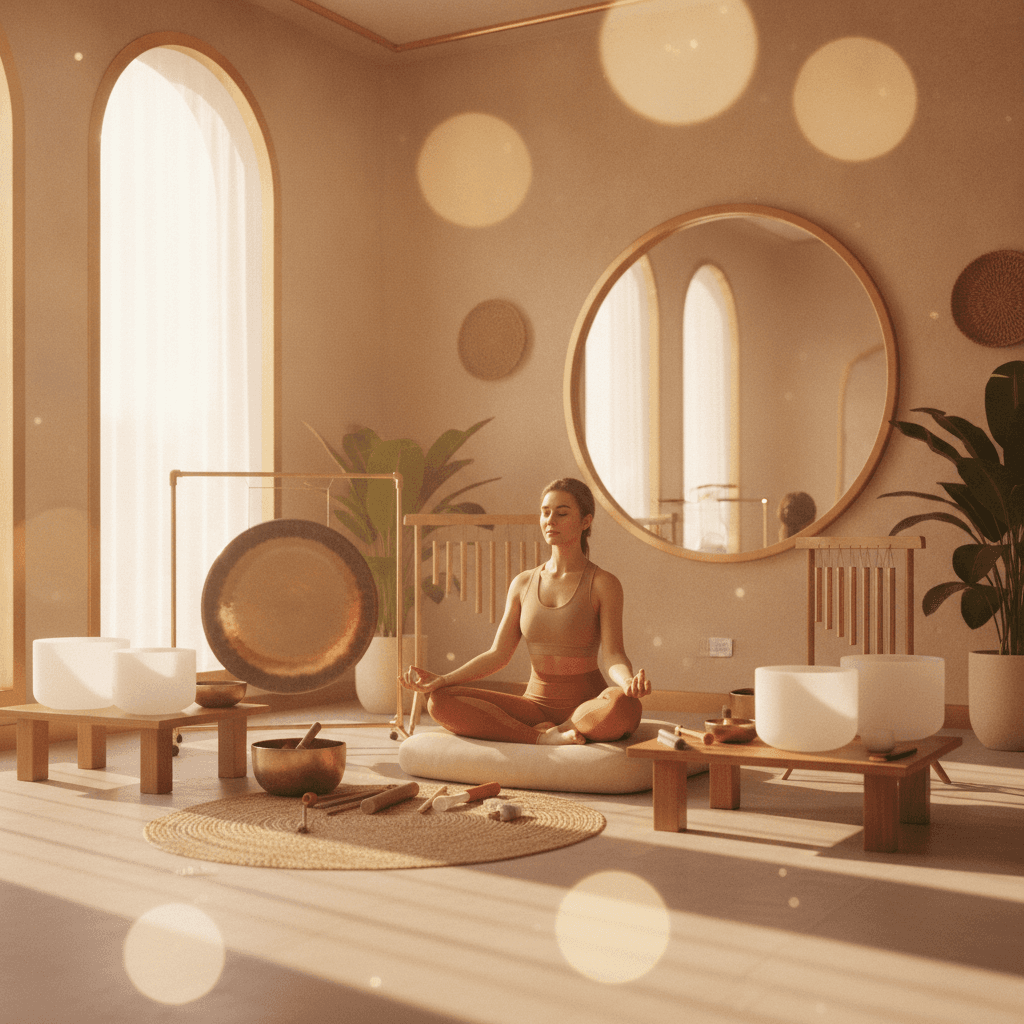
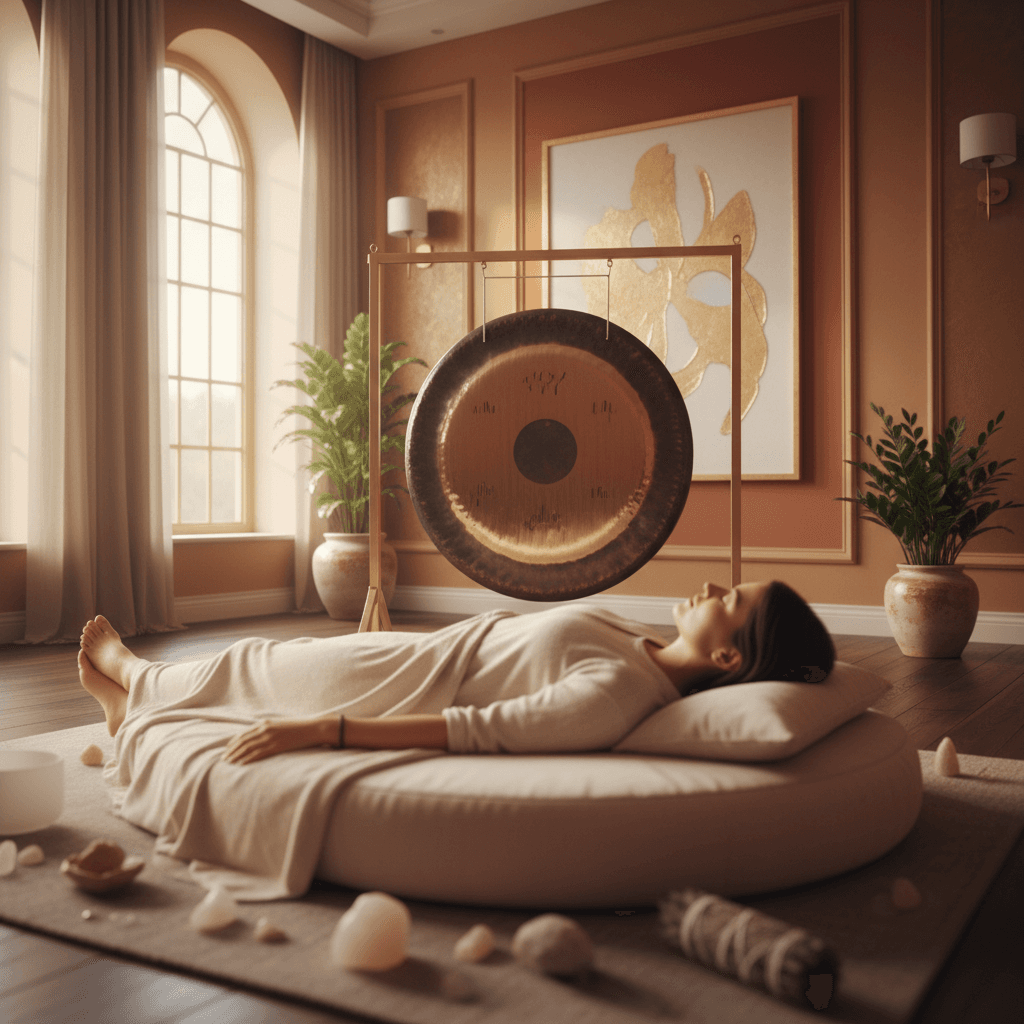
Central to the Soul Art method is the careful selection and masterful playing of instruments. Larissa often incorporates a symphony of carefully tuned instruments, including large planetary gongs that create enveloping soundscapes, pure crystal singing bowls whose resonant frequencies interact powerfully with the body’s energy centers, and delicate Koshi chimes that add layers of intricate, soothing melodies. Each instrument is chosen for its specific vibrational qualities, which are known to support deep neurological shifts and activate the vagus nerve, enhancing the body’s innate relaxation response and encouraging emotional softening.
Larissa's expertise also lies in her ability to intuitively guide the session, creating a journey that gently encourages participants to explore their inner landscapes. She fosters an atmosphere where all reactions, including tears, are not only accepted but seen as valid expressions of release and healing. Her presence and the carefully curated soundscapes provide a grounding force, ensuring that even profound emotional experiences feel contained and supported. This intentional approach makes Soul Art a sanctuary where you can truly surrender, knowing you are held in a space of professional expertise and compassionate understanding.
Your Next Steps: Integrating Your Sound Bath Experience
Experiencing emotional release during a sound bath is a profound journey into your inner landscape, and how you approach it before, during, and after can significantly enhance its therapeutic benefits. Embracing these moments of vulnerability requires preparation, presence, and thoughtful integration. Here are some actionable steps you can take to support your holistic wellness journey with sound.
Practical Advice for a Deeper Connection:
- Prepare Your Mind and Body: Before your session, hydrate well and opt for light meals. Setting a gentle intention—perhaps to release anything no longer serving you, or simply to be open to whatever arises—can also profoundly deepen your experience. Ensure you wear comfortable clothing, allowing for complete relaxation.
- Embrace the Moment During the Bath: If tears or other emotions surface, allow them to flow without judgment or analysis. Remember, this is your body’s intelligent way of processing and releasing. You may quietly adjust your physical position for comfort, perhaps placing a hand over your heart or turning to a fetal position for grounding. Trust that your inner wisdom knows how to navigate this release.
- Communicate with Your Facilitator: While the goal is non-interruption for other participants, if you ever feel overwhelmed or need support, gently raise your hand or make eye contact with Larissa Steinbach or another trained Soul Art facilitator. They are there to provide discreet, compassionate assistance without disrupting your process.
- Prioritize Aftercare and Integration: After the sound bath, take your time to slowly reorient. Avoid rushing back into demanding activities. Continue to hydrate, perhaps journal about your experience, or simply allow for quiet reflection. Emotions may still be present or continue to surface, and giving them space to complete naturally is crucial for integration.
- Practice Self-Compassion: Understand that profound emotional release is a sign of deep healing, not a weakness. Treat yourself with kindness and patience. Acknowledging your experience, whether it was tears of sadness, joy, or relief, is a powerful act of self-care.
By integrating these practices, you transform a sound bath from a passive activity into an active partnership with your own well-being. This mindful approach empowers you to fully receive the benefits of sound wellness, fostering resilience and a deeper connection to your authentic self.
In Summary: Embracing the Healing Power of Tears
The journey through a sound bath is uniquely personal, and for many, it includes the unexpected, yet deeply profound experience of crying. Far from being a discomfort, these tears are often a powerful indicator of deep emotional release, scientifically supported by how sound harmonizes with our nervous system and brainwave patterns. The vibrations gently unlock stored emotions, allowing the body to shed what it no longer needs and return to a state of profound relaxation.
At Soul Art, Larissa Steinbach and her team provide a sophisticated yet empathetic sanctuary in Dubai where all emotional responses are welcomed and understood as integral parts of the healing process. We believe that embracing these moments of vulnerability leads to authentic self-discovery and heightened well-being. By understanding the science and preparing yourself with compassion, you can transform an unexpected release into a truly transformative experience. We invite you to explore this deeper dimension of self-care.
Bookings Coming Soon
Soul Art is still in preparation. Session details and booking will be published here after launch.
Coming Soon
Wellness Disclaimer: This article is for educational and informational purposes only. It does not constitute medical advice, diagnosis, or treatment. Soul Art Dubai provides non-medical wellness experiences focused on relaxation, stress management, and general wellbeing. Sound wellness is a complementary practice and should not replace professional medical care.
Related Articles
Unlock Group Harmony: The Science of Small Group Sound Baths at Soul Art
Harmonize Together: The Science of a Couples Sound Bath
Harmonizing Together: Can You Share a Sound Bath with a Friend at Soul Art?