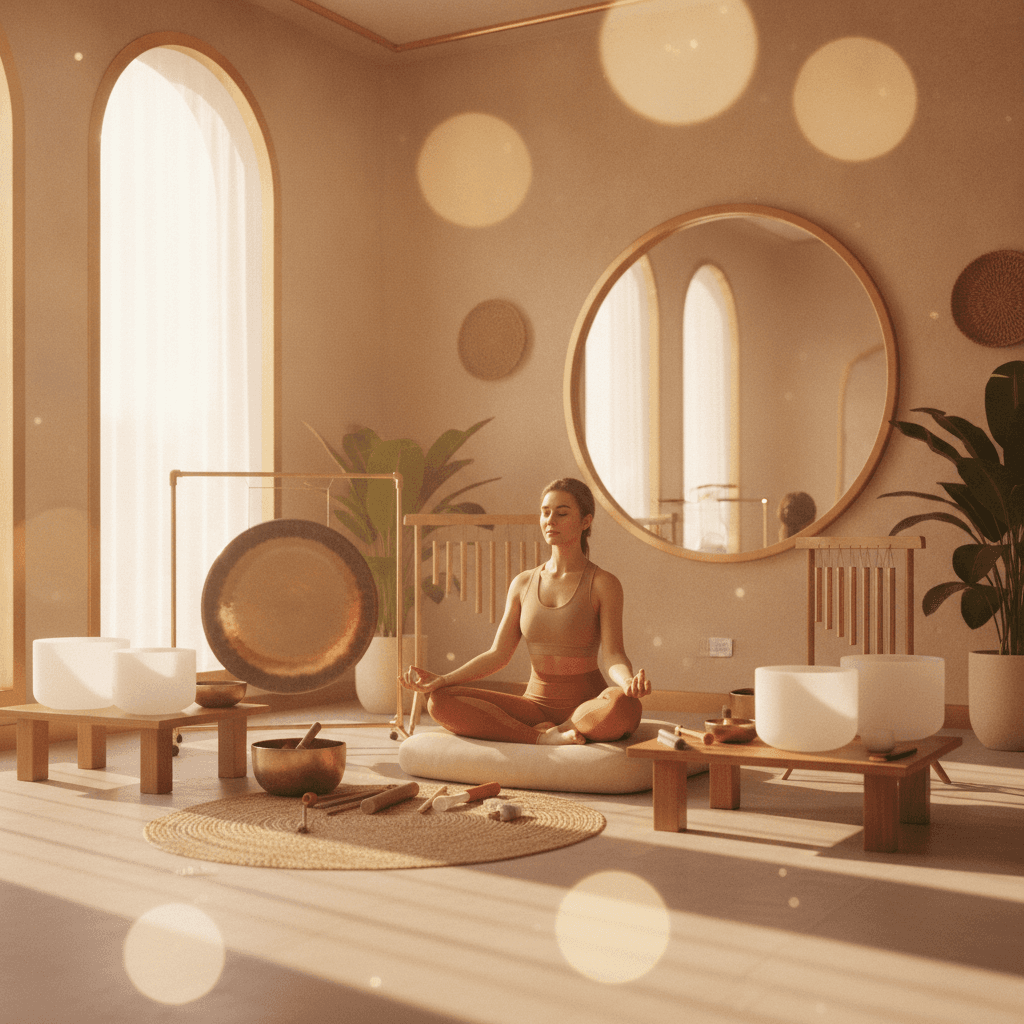
Beyond Resistance: What If You Cannot Relax During Sound Healing?
Key Insights
Struggling to relax in a sound bath? Discover the science behind sound healing and practical strategies from Soul Art Dubai's Larissa Steinbach to find your calm.
Beyond Resistance: What If You Cannot Relax During Sound Healing?
Imagine settling into a sound healing session, anticipating profound calm, only to find your mind racing, your body restless, and relaxation seemingly out of reach. This is a surprisingly common experience, often leaving individuals feeling frustrated or even questioning the efficacy of sound wellness practices. The prevailing image of immediate serenity in a sound bath can create an unrealistic expectation.
At Soul Art, Dubai’s premier sound wellness studio, we understand that the journey to deep relaxation is unique for everyone. Under the guidance of our founder, Larissa Steinbach, we acknowledge that genuine peace is not always instantaneous. It is, instead, a gradual process of allowing your mind and body to surrender to the subtle yet powerful vibrations.
This article delves into the scientific mechanisms at play during sound healing, even when conscious relaxation proves elusive. We will explore how sound can still positively influence your brain and body, offering practical strategies to embrace your unique experience. Discover how Soul Art fosters an environment where every individual can access the profound benefits of sound, regardless of their initial state of mind.
The Science Explained: Unlocking Physiological Calm
Even if your mind is actively resisting relaxation, the physical vibrations and specific frequencies of sound healing instruments are working on a profound, physiological level. A growing body of research, while still evolving and needing further rigorous study, suggests that sound can induce measurable changes in our brainwave activity, nervous system, and neurochemistry. These subtle shifts lay the groundwork for a more peaceful state, even if it doesn't manifest as immediate, conscious calm.
Brainwave Entrainment: Shifting Mental Gears
Our brains operate across different frequency states, each associated with distinct mental states. Beta waves (13-30 Hz) signify alertness, focus, and sometimes stress or anxiety. As we relax, our brains transition to Alpha waves (8-12 Hz), characterized by calm alertness and creativity. Deeper relaxation, meditation, or dreaming often involve Theta waves (4-7 Hz), while Delta waves (0.5-4 Hz) are crucial for deep, restorative sleep and physical healing.
Sound healing tools, such as singing bowls, gongs, and particularly binaural beats, can facilitate a process known as brainwave entrainment. This means that the consistent, rhythmic sound frequencies encourage your brainwaves to synchronize with the external vibrations. This phenomenon can gently guide your brain from higher-stress Beta states into the calmer Alpha or Theta frequencies, even if you are not consciously 'trying' to relax. A 2017 study published in the Journal of Evidence-Based Integrative Medicine found that sound baths significantly reduced tension, anger, fatigue, and depression in participants, correlating with these brainwave shifts. For example, listening to a 4 Hz binaural beat has been shown to help induce theta waves, promoting deep relaxation and stress relief, as highlighted in research published in Frontiers in Human Neuroscience.
Hormonal and Neurochemical Regulation: A Deeper Balance
Beyond brainwaves, sound healing practices have been associated with tangible changes in our body’s chemistry. When we experience stress, our bodies release cortisol, a hormone linked to anxiety, poor sleep, and inflammation. Preliminary studies indicate that sound healing may help reduce cortisol levels by gently activating the parasympathetic nervous system, moving the body from a "fight-or-flight" state to a "rest-and-digest" state.
A 2016 study at the University of California observed that after just 20 minutes of singing bowl meditation, participants had significantly lower cortisol levels and heart rates. This physiological response can occur even if the mind is busy, as the vibrations influence the nervous system directly. Furthermore, listening to harmonic sounds is believed to influence the release of serotonin and dopamine, the brain's natural "feel-good" chemicals. This neurochemical boost may contribute to improved mood and a sense of peacefulness experienced by many after a session, as noted in research concerning chronic anxiety reduction over a four-week period with sound therapy. The U.S. Department of Veterans Affairs has even incorporated music and sound therapy into their programs, reporting improved outcomes in emotional regulation and relaxation for veterans with PTSD and depression.
Cellular and Vibrational Resonance: Beyond the Audible
The impact of sound extends beyond what we hear with our ears; it's also about what our bodies feel. New research in vibrational medicine suggests that sound may influence cellular processes such as microtubule resonance, fascia conductivity, and water molecule structure, potentially impacting neural plasticity. These subtle, internal vibrations can activate mechanoreceptors in the body, which may help reduce pain signals through mechanisms like the gate control theory and muscle relaxation.
A trial in the Journal of Evidence-Based Integrative Medicine reported a reduction in physical tension and pain following Tibetan bowl sound meditation. This suggests that the body can process and respond to these therapeutic vibrations on a somatic level, regardless of the mind's conscious engagement. This whole-body experience, where sound waves are received through the skin, complements the auditory experience, contributing to a holistic sense of wellbeing.
Enhancing Sleep Quality: Guiding Towards Deeper Rest
For those who struggle with sleep, sound healing may offer a complementary pathway to improved rest. By calming racing thoughts and preparing the body for sleep, sound tools like binaural beats and low-frequency tones can help activate Delta brainwaves, which are essential for deep, restorative sleep. Even if you don't fully relax during a session, the gentle nudge towards these slower brainwave states can improve the quality of your sleep later that night. A 2019 meta-analysis published in PLOS ONE found that music and rhythmic sound therapies improved sleep quality in both healthy adults and people with insomnia, suggesting their potential in this area.
How It Works in Practice: Embracing Your Unique Journey
The expectation of instant tranquility during a sound bath can be a significant barrier to relaxation. It's vital to understand that sound healing is not a performance where you must achieve a specific state of calm. Instead, it’s an invitation to a deeply personal journey, often beginning with an acknowledgment of where you are right now. Many clients at Soul Art initially report their minds wandering, lists being made, or even feeling an increase in anxiety before finding any solace. This is perfectly normal.
The beauty of sound healing lies in its ability to work on multiple levels simultaneously. Even if your conscious mind is busy, the resonant frequencies are still influencing your brainwaves and nervous system. You might find yourself shifting from initial mental chatter to moments of profound stillness, or simply observing your thoughts without judgment. The deep, pervasive vibrations of instruments like gongs and singing bowls create an environment where the body is encouraged to release tension, regardless of mental resistance. This can be likened to being in an "in-between state" or "liminal state," as some participants describe it – not entirely asleep, but not fully awake, existing in a dreamlike awareness.
"The sound's invitation is not to 'relax now,' but to 'be here now.' When we drop the expectation, we open to the profound gifts that simply being present with vibration can offer, even if our minds choose to wander."
For individuals holding emotional tension or even unprocessed trauma, sound vibrations can be particularly powerful. Traumatic memories are often stored in the body at a pre-verbal level, beyond the reach of conventional talk therapy alone. Sound therapy can access these somatic memories without requiring cognitive processing, offering a gentle pathway to release and healing. This can manifest as unexpected emotions surfacing, physical sensations, or simply a feeling of deep release that comes hours or days after a session. Rather than fighting these experiences, embracing them as part of the healing process allows the sound to work its magic. The practice encourages a compassionate awareness of whatever arises, fostering a deeper connection to your inner landscape.
The Soul Art Approach: Guided by Larissa Steinbach
At Soul Art, Larissa Steinbach and her team have cultivated an approach to sound wellness that is deeply empathetic and scientifically informed. We understand that relaxation is not a destination but a journey, and our sessions are meticulously designed to support individuals at every stage of this path. Our philosophy centers on creating a safe, nurturing space where surrender is encouraged, and judgment is absent.
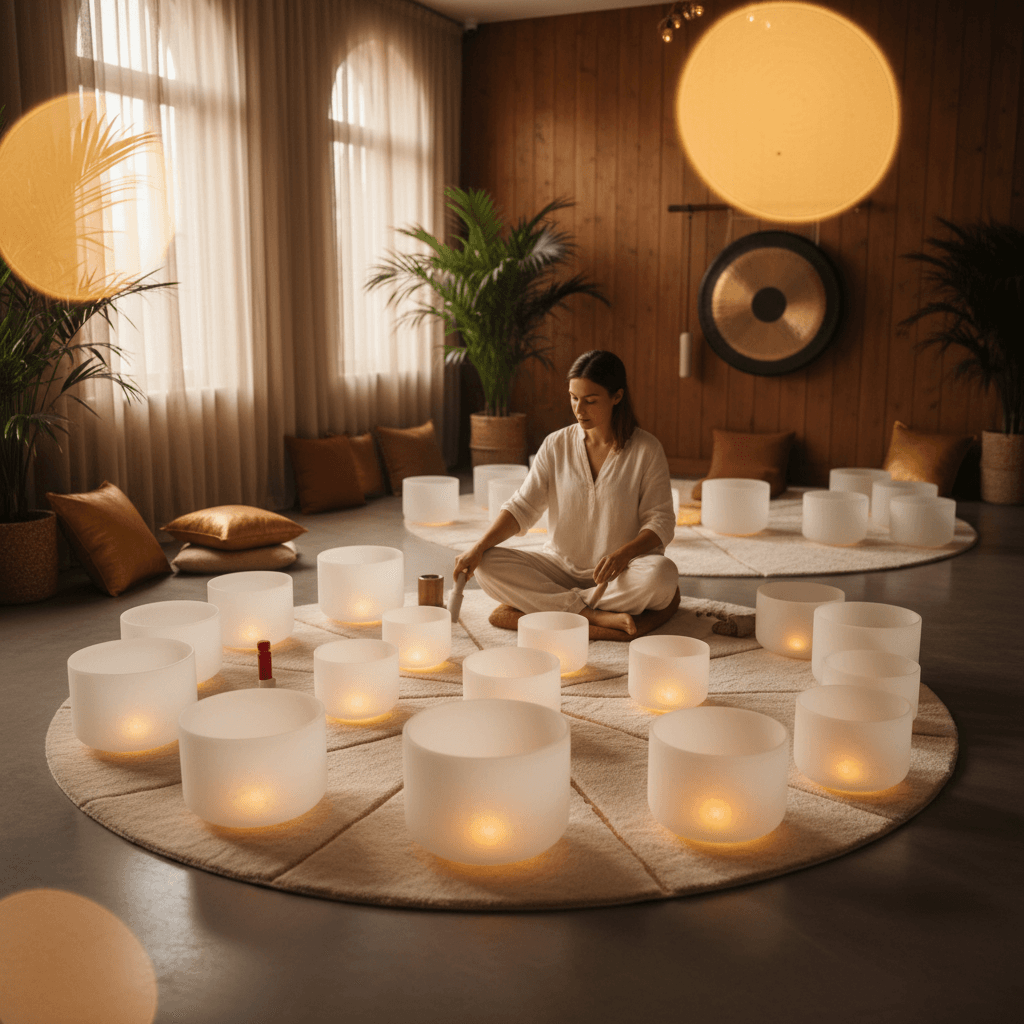
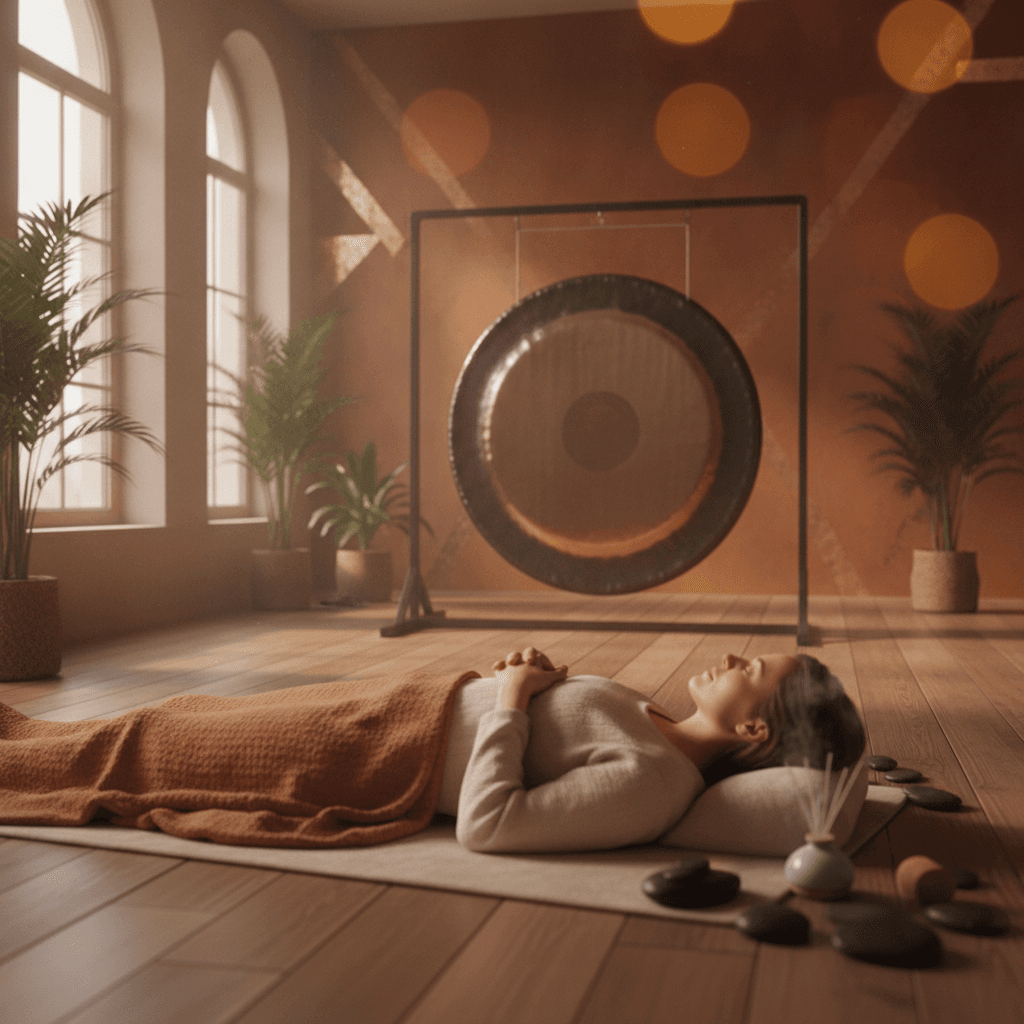
Larissa Steinbach integrates her extensive knowledge of vibrational acoustics and human physiology to curate each sound experience. Our sessions often feature a rich tapestry of instruments, including the grounding frequencies of large gongs, the clear, crystalline tones of crystal singing bowls, and the ancient, resonant vibrations of Tibetan singing bowls. Each instrument is chosen for its unique ability to entrain brainwaves, stimulate the parasympathetic nervous system, and facilitate energetic shifts within the body. The combination of these instruments, expertly played, creates a complex soundscape that encourages deep self-exploration.
What makes the Soul Art method unique is its focus on personalized guidance and intention-setting. Larissa and her practitioners offer gentle cues and breathwork techniques to help quiet a restless mind, even before the sound journey begins. We emphasize that there is no right or wrong way to experience a sound bath; simply being present and allowing the vibrations to wash over you is enough. This non-judgmental approach empowers clients to release the pressure of "achieving" relaxation and instead allows for whatever arises to be part of their healing process. Our serene studio environment, a haven of quiet luxury in Dubai, further enhances the ability to let go and simply be. The Soul Art experience is about facilitating profound nervous system regulation and fostering a deeper connection to one's inner peace.
Your Next Steps: Cultivating Your Capacity for Calm
If you've found yourself struggling to relax during a sound healing session, know that you are not alone, and it's a valuable part of your wellness journey. Cultivating your capacity for calm is a practice, not an instant switch. Here are some actionable steps you can implement to deepen your experience at Soul Art:
- Set Realistic Expectations: Release the pressure to achieve immediate, profound relaxation. Approach each session with an open mind, knowing that your experience will be unique each time. The goal is exposure to therapeutic frequencies, not forced stillness.
- Focus on Your Breath: Before and during the session, gently bring your awareness to your breath. Deep, slow breaths activate the parasympathetic nervous system, which may help calm your mind and body. There are no strict rules; simply observe your inhale and exhale.
- Embrace Discomfort and Distraction: When thoughts or restlessness arise, acknowledge them without judgment. Instead of fighting your mind, try observing your thoughts as if they are clouds passing by. Allow them to be there, knowing the sound is still working on a deeper level.
- Prepare Your Body: Ensure you are well-hydrated before your session and eat a light meal. Dress in comfortable, loose-fitting clothing that allows you to fully relax without physical constriction. Creating physical ease can support mental ease.
- Consistency is Key: Like any wellness practice, the benefits of sound healing often accumulate over time. Regular sessions with Soul Art can help train your brain and body to enter states of relaxation more readily. Each visit builds your capacity for deeper surrender and peace.
- Communicate with Your Practitioner: Feel free to share your experiences, including any challenges with relaxation, with Larissa Steinbach or any Soul Art practitioner. Their expertise can offer personalized insights and guidance, ensuring your journey is supported.
Ready to explore a deeper state of calm and restore your nervous system? The journey of sound wellness at Soul Art awaits.
In Summary
The experience of not being able to fully relax during a sound healing session is a common, and perfectly normal, part of the wellness journey. Far from being a sign of failure, it can be an invitation to understand the deeper workings of your mind and body. Scientific evidence, though still emerging, suggests that the therapeutic frequencies of sound instruments work on a profound physiological level, influencing brainwave activity, reducing stress hormones like cortisol, and regulating the nervous system, even if conscious relaxation is initially elusive.
At Soul Art, Larissa Steinbach and her team are dedicated to providing a supportive, non-judgmental environment for every individual. Our expertly curated sessions are designed to gently guide you towards enhanced wellbeing, regardless of your starting point. By setting realistic expectations and embracing simple mindfulness techniques, you can unlock the transformative power of sound wellness. Embrace your unique journey with Soul Art and discover the profound peace that awaits.
Bookings Coming Soon
Soul Art is still in preparation. Session details and booking will be published here after launch.
Coming Soon
Wellness Disclaimer: This article is for educational and informational purposes only. It does not constitute medical advice, diagnosis, or treatment. Soul Art Dubai provides non-medical wellness experiences focused on relaxation, stress management, and general wellbeing. Sound wellness is a complementary practice and should not replace professional medical care.
Related Articles
Unlock Group Harmony: The Science of Small Group Sound Baths at Soul Art
Harmonize Together: The Science of a Couples Sound Bath
Harmonizing Together: Can You Share a Sound Bath with a Friend at Soul Art?