Beyond the Noise: Understanding and Embracing Your Sound Sensitivity
Key Insights
Explore the science behind sound sensitivity, its impact on well-being, and how Soul Art Dubai offers a path to auditory harmony with Larissa Steinbach.
What If You Are Sensitive to Loud Sounds? Reclaiming Your Auditory Peace
Imagine a world where the gentle hum of an air conditioner, the distant murmur of traffic, or even the soft clinking of cutlery feels like a jarring assault on your senses. For many, everyday sounds are a subtle background; for others, they are a constant source of discomfort, anxiety, or even pain. This heightened reactivity to sounds, often misunderstood, is far more common than you might think, affecting a significant portion of the population.
This experience, known as sound sensitivity or hyperacusis, isn't simply about having "good hearing"; it delves deep into the intricate ways our brains process auditory information. At Soul Art, we understand that true well-being encompasses sensory harmony, and navigating a world that often feels too loud is a crucial aspect of self-care. Join us as we explore the fascinating science behind sound sensitivity, its profound impact on your mind and body, and how a mindful approach to sound can help you reclaim a sense of calm and control.
Here at Soul Art, founded by Larissa Steinbach, our mission is to offer gentle, supportive paths toward nervous system regulation and auditory comfort. We believe that understanding your unique sensory landscape is the first step toward finding peace in an often-overwhelming world. This journey is not about shutting out sound entirely, but rather about recalibrating your relationship with it, fostering a deeper sense of inner quiet and resilience.
The Intricate Symphony of Sound Sensitivity
Sound sensitivity is a complex neurological phenomenon, not merely a reflection of hearing acuity. It involves a sophisticated interplay between our auditory system and emotional processing centers, revealing much about how our brains filter and interpret the world around us. Recent scientific advancements are shedding light on the intricate mechanisms at play, moving beyond simple assumptions to offer a more nuanced understanding.
Beyond Hearing: The Brain's Filtering Challenge
At the heart of sound sensitivity lies a challenge in the brain's filtering system. Neuroscientists like Elvira Brattico and Shepherd have independently uncovered evidence suggesting that in noise-sensitive individuals, a specific cluster of cells within the medial geniculate nucleus—a vital relay station for sound information entering the brain—may be less efficient at distinguishing important sounds from unimportant ones. This means that sounds that others might dismiss as background noise can register with heightened intensity.
Furthermore, 2025 neuroimaging studies illuminate that sound sensitivity is deeply intertwined with emotional and cognitive processing. Individuals exhibiting this sensitivity often show heightened activity in brain regions responsible for emotional processing, including the amygdala, hippocampus, and anterior cingulate cortex. These areas are crucial for fear, memory, and emotional regulation, suggesting that the brain isn't just "hearing" sounds differently, but interpreting them with an amplified emotional response. This research indicates that for noise-sensitive people, the brain tends to "go up the gears" irrespective of whether a sound is perceived as threatening or non-threatening, unlike those without the condition whose brains only show heightened activity for genuinely threatening noises.
The Spectrum of Sound Sensitivity: Understanding Hyperacusis
Sound sensitivity is often broadly categorized under the umbrella term Hyperacusis, also known as decreased sound tolerance (DST). This condition is characterized by normal sounds being perceived as uncomfortably or painfully loud. It is important to recognize that hyperacusis itself encompasses a spectrum of experiences, each with distinct manifestations that deeply impact daily life.
These different experiences include:
- Loudness hyperacusis: Where sounds that are considered normal by most are perceived as uncomfortably or even painfully loud.
- Pain hyperacusis: Characterized by physical pain or acute discomfort triggered directly by certain sounds.
- Fear hyperacusis: Involving strong anxiety or fear responses specifically to particular sounds or types of noise.
- Annoyance hyperacusis: Manifesting as irritation or significant emotional distress from everyday sounds that others typically tolerate.
The key insight from recent research is that hyperacusis frequently stems from an altered brain response to auditory stimuli, rather than simply enhanced hearing acuity. Your brain’s fundamental role is to interpret, filter, and prioritize sounds; in cases of sound sensitivity, this crucial filtering mechanism may not function optimally, leading to a pervasive sense of overwhelm.
Unpacking the Root Contributors and Associated Conditions
While the exact mechanisms of sound sensitivity are still being thoroughly investigated, a growing body of knowledge points to several significant contributors and associated health conditions. Recent research has seen a tenfold increase in peer-reviewed studies on hyperacusis over the past four decades, reflecting a deepening medical understanding and advancements in potential supportive strategies.
Some prominent factors and associations include:
- Sudden Loud Noise Exposure (Acoustic Trauma): This is a recognized perceptual consequence of experiencing very loud sounds. Such events can trigger changes in the auditory system that lead to debilitating psychosocial effects.
- Headaches and Migraines: The Pain Connection: A strong link exists between migraine disorders and sound sensitivity. Some forms of hyperacusis may even represent "atypical migraines" that manifest primarily through auditory symptoms rather than classic headache pain. Research from 2025 suggests that severe hyperacusis can follow a migraine pattern, sometimes presenting with sensory symptoms like ear ringing or ear fullness.
- Chronic Pain Conditions: Groundbreaking research from the University of Colorado Anschutz reveals that individuals with chronic pain, such as chronic back pain, process everyday sounds differently and more intensely than those without pain. Brain imaging studies show that these individuals on average react more strongly to sounds than 84% of pain-free people, suggesting that chronic pain affects far more than just the body part in question. This heightened sensitivity may be a pre-existing vulnerability or a consequence of chronic pain, and it underscores the interconnectedness of sensory experiences.
- Personality Trait: Noise sensitivity is conceptualized as a stable personality attribute describing an individual's tolerance to sound. Job (1999) described it as internal physiological or psychological states that amplify arousal to noise. Estimates suggest that between 20% to 40% of people exhibit some level of noise sensitivity, with about 12% being highly noise-sensitive. This trait is often associated with a greater likelihood to attend to sounds, evaluate them negatively, and have stronger emotional reactions, making habituation more challenging. It aggregates in families and is not directly tied to auditory acuity but mediates the relationship between noise and overall health.
- Associated Health Conditions: Sound sensitivity is frequently observed alongside other health conditions, suggesting complex underlying physiological connections. These may include:
- Anxiety and depression
- Autism spectrum disorder
- Tinnitus (ringing in the ears), with approximately 40% of people with hyperacusis also experiencing tinnitus.
- Williams syndrome, Down syndrome, and Bell’s palsy
- Lyme disease, Ménière’s disease, and Ramsay Hunt syndrome
- Superior canal dehiscence syndrome and Temporomandibular joint (TMJ) syndrome
- Schizophrenia
In many cases, hyperactivity in the central auditory system is thought to contribute to loudness hyperacusis and ear pain. This is sometimes described as neural pain, indicating that the pain sensations are generated within the brain itself, rather than from structural damage to the ear. This distinction is crucial, as it suggests that traditional pain relief strategies might not always be effective, highlighting the need for approaches that support brain regulation.
How It Works in Practice: The Ripple Effect of Sound Sensitivity
The scientific understanding of sound sensitivity translates directly into profound impacts on daily life, shaping experiences from the mundane to the deeply personal. When the brain’s filtering mechanism falters, the world can become an exhausting, overwhelming place, leading to a cascade of effects on one’s mental, emotional, and physical well-being. This ongoing sensory battle can significantly diminish quality of life, affecting everything from social interactions to the most private moments of rest.
One of the most immediate and critical areas affected is sleep quality. A 2021 study involving 500 adults in China observed that while noise itself didn't necessarily degrade sleep quality for everyone, noise-sensitive individuals consistently reported their sleep as less restorative. They described feeling less refreshed, more moody, and experiencing lower energy levels throughout the day. This demonstrates that the brain's interpretation of sound, rather than just the sound itself, holds considerable sway over rest and recovery.
Beyond sleep, chronic noise exposure, especially for those with heightened sensitivity, has been associated with a range of health concerns. Cognitive impairment is one such area; some evidence suggests that living with higher levels of residential noise (averaging 50 to 75 dBA) can be directly associated with cognitive difficulties in individuals aged 45 and older. This implies that the brain’s constant effort to process overwhelming sounds may divert resources from other vital cognitive functions, leading to reduced focus and clarity.
The body's stress response is another key player. When loud or bothersome noises trigger a "fight-or-flight" response, it can elevate blood pressure and contribute to cardiovascular disease risk. Research indicates that ongoing, high-noise exposure from various sources can lead to a range of cardiovascular issues, with elevated blood pressure being a common effect. For those who are noise-sensitive, even sounds perceived as "normal" by others can elicit this stress response, meaning their bodies may be in a constant state of low-level activation, further taxing their systems.
The mental health implications are also significant. A review of previous research noted associations between road traffic noise exposure and mental health, suggesting an increased risk of depression by four percent and anxiety by nine percent. For noise-sensitive individuals, who often experience stronger emotional reactions and greater difficulty habituating to sounds, these risks may be amplified. The constant irritation, fear, or annoyance can lead to chronic stress, withdrawal from social situations, and a pervasive feeling that the world's volume is perpetually "turned too high," as described by those with hyperacusis.
While it might seem intuitive to avoid all sounds, experts suggest that excessive sound avoidance can actually make someone more sensitive over time. This creates a challenging paradox: seeking relief can inadvertently exacerbate the very condition one is trying to escape. Therefore, finding supportive strategies that gently guide the brain toward better sound processing is paramount for restoring harmony and improving overall well-being.
"True tranquility isn't found in the absence of sound, but in the harmonious relationship we cultivate with it."
The Soul Art Approach: Nurturing Auditory Harmony with Larissa Steinbach
At Soul Art, Dubai's premier sound wellness studio, we understand that living with sound sensitivity demands a specialized and compassionate approach. Under the expert guidance of Larissa Steinbach, our founder, we have developed a unique method designed to gently guide the nervous system towards regulation and foster a renewed sense of peace for those sensitive to sound. Our philosophy is rooted in scientific understanding, combined with an empathetic appreciation for the profound impact sound has on well-being.
The Soul Art method doesn't aim to eliminate all sound but rather to recalibrate your brain’s response to it, helping to retrain the intricate filtering mechanisms that may be overactive. We create a safe and nurturing auditory environment, where sound is introduced with intentionality and care. This allows individuals to gradually re-engage with auditory stimuli in a controlled and supportive setting, shifting their perception from discomfort to calm.
We draw upon principles from sound therapy, adapting them to offer a gentle, immersive experience. While conventional treatments like Tinnitus Retraining Therapy (TRT) utilize "pink noise," our approach at Soul Art leverages a rich tapestry of therapeutic frequencies generated by specific instruments. We introduce comfortable, low-intensity sounds that resonate deeply within the body and mind. Over time, and within a carefully structured progression, the aim is to slowly increase your comfort with a broader range of auditory experiences, without ever pushing beyond what feels safe and restorative.
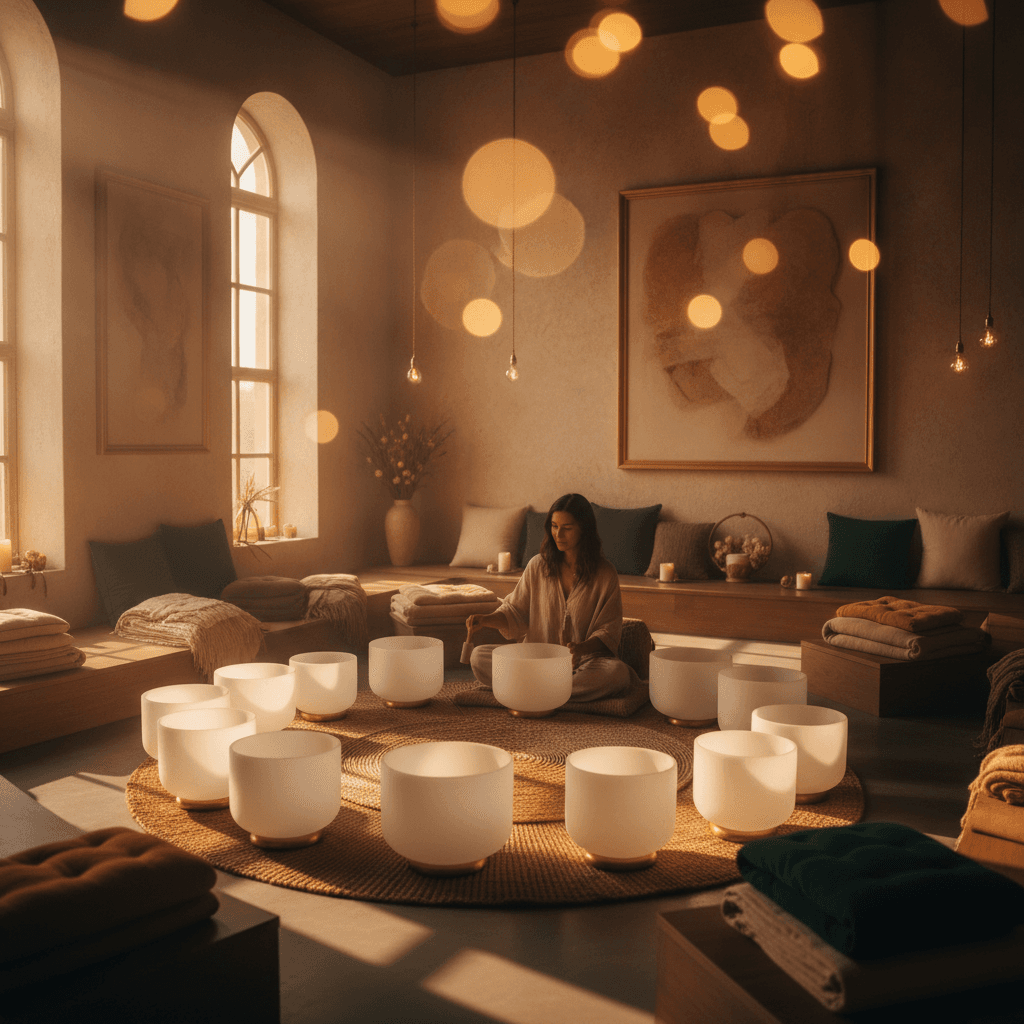
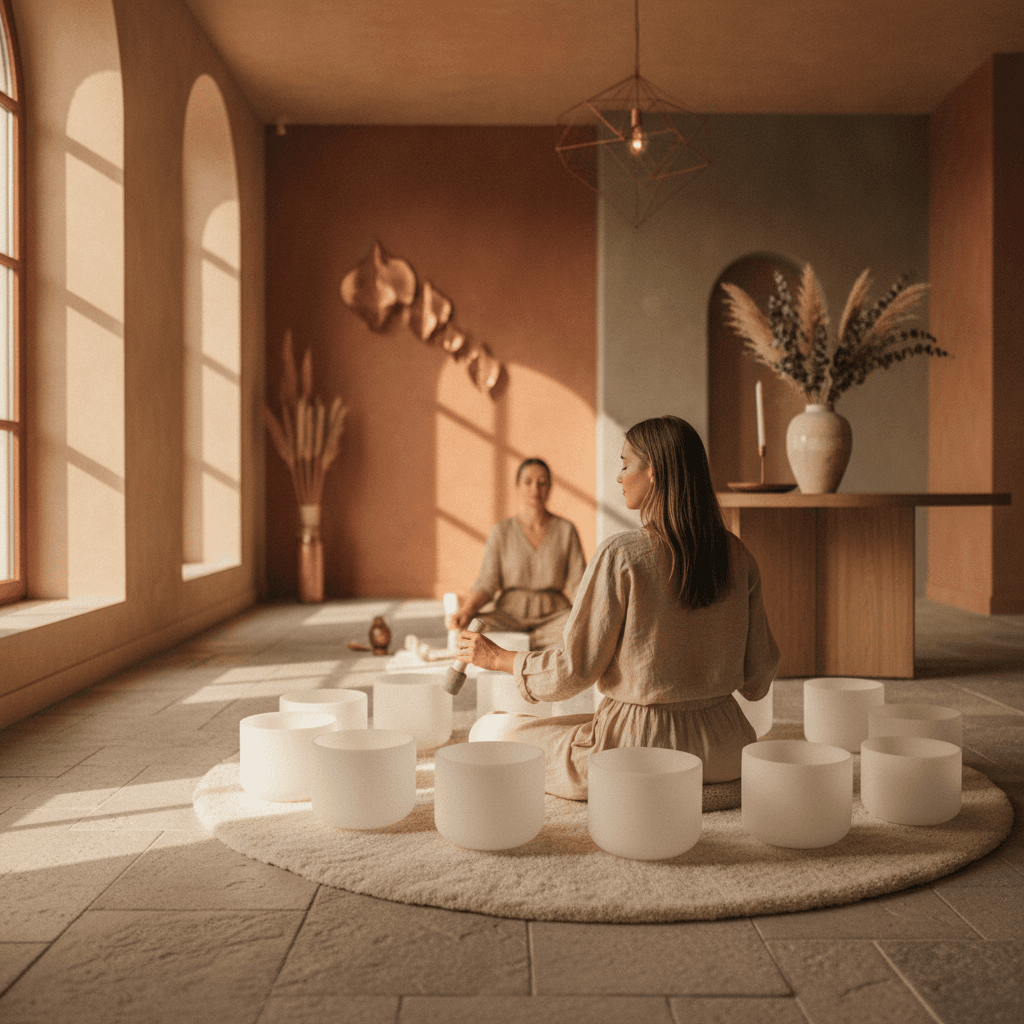
Larissa Steinbach carefully curates sessions that utilize a range of instruments, each selected for its unique vibrational qualities. Crystal singing bowls, gongs, and chimes are central to our practice, creating resonant soundscapes that encourage the brain to shift from a state of heightened alert to one of deep relaxation. These instruments produce complex harmonic frequencies that are believed to help regulate the central auditory system, promoting neural harmony and reducing the perceived intensity of external sounds. Our tuning forks provide targeted, subtle vibrations that can further support nervous system rebalancing.
Through mindful presence and gentle guidance, Soul Art sessions offer a space for clients to process sounds without the habitual fear or annoyance that often accompanies sensitivity. This approach helps to integrate emotional regulation techniques, allowing the brain to interpret sounds in a more neutral, less reactive way. We focus on enhancing stress management capabilities, facilitating a profound sense of relaxation, and supporting the body's natural healing processes, all within a tranquil and luxurious setting that honors your need for auditory comfort.
Your Next Steps: Cultivating Auditory Well-being
Understanding your sound sensitivity is the first powerful step towards finding greater comfort and peace. Implementing small, intentional changes in your daily routine, coupled with supportive wellness practices, can significantly improve your relationship with sound. Empower yourself to create an environment that nurtures your auditory well-being, both inside and out.
Here are some actionable steps you can begin implementing today:
- Practice Mindful Listening: Dedicate time each day to intentionally listen for pleasant or neutral sounds in your environment. This could be the gentle rustle of leaves, the distant call of a bird, or soft, calming music. Focusing on these sounds helps to gently redirect your brain's attention away from perceived threats and toward auditory harmony.
- Create Designated Quiet Spaces: Identify areas in your home or workplace where you can retreat for auditory rest. This doesn't mean absolute silence, but rather a space with minimal distracting or irritating sounds. Use this as a sanctuary to allow your nervous system to reset and recharge throughout the day.
- Gradual, Controlled Exposure: Under guidance, cautiously and briefly expose yourself to mild, non-distressing sounds in a controlled setting. For example, listen to very soft, low-volume nature sounds or ambient music for a few minutes. The key is to start extremely gently and never push yourself into discomfort, helping your brain to slowly re-habituate.
- Integrate Stress Reduction Techniques: Since sound sensitivity is often linked to the body's stress response, incorporating daily stress management practices is crucial. Deep breathing exercises, meditation, gentle stretching, or even short periods of focused mindfulness can help regulate your nervous system and reduce overall reactivity to sound.
- Prioritize Restorative Sleep: Given the impact of sound sensitivity on sleep quality, enhancing your sleep hygiene is vital. Establish a consistent sleep schedule, ensure your sleeping environment is as calming as possible (consider white noise or very gentle pink noise if it helps, but avoid complete silence if it makes you more sensitive), and limit screen time before bed.
If you resonate with these experiences and are seeking a deeper path to auditory harmony and nervous system regulation, we invite you to explore the transformative power of sound wellness. Soul Art offers a uniquely tailored experience designed to support your journey.
In Summary: Reclaiming Your Auditory Landscape
Sound sensitivity is a profound and often challenging experience rooted in the intricate ways our brains process auditory information, affecting everything from sleep and cognition to emotional well-being. It is not merely a hearing issue, but a complex interplay of neurological filtering and emotional processing. At Soul Art, we recognize the deep impact this has on daily life and offer a gentle, scientifically-informed path toward greater comfort.
Under the guidance of Larissa Steinbach, our studio provides a safe and nurturing environment where you can explore the therapeutic frequencies of sound. Through carefully curated experiences utilizing instruments like crystal singing bowls and gongs, we aim to support the recalibration of your nervous system, fostering a more harmonious relationship with your auditory world. This holistic approach focuses on reducing reactivity, managing stress, and nurturing a renewed sense of inner calm. Reclaim your peace and discover the profound power of intentional sound.
Bookings Coming Soon
Soul Art is still in preparation. Session details and booking will be published here after launch.
Coming Soon
Wellness Disclaimer: This article is for educational and informational purposes only. It does not constitute medical advice, diagnosis, or treatment. Soul Art Dubai provides non-medical wellness experiences focused on relaxation, stress management, and general wellbeing. Sound wellness is a complementary practice and should not replace professional medical care.
Related Articles
The Science of Serenity: Booking Your Sound Bath in Dubai
The Unspoken Language: Optimizing Your Private Sound Bath Experience

Hydration & Harmony: Optimizing Your Sound Wellness Journey