Unlock Longevity: Enhancing Vagal Tone for a Resilient Life
Key Insights
Discover how boosting vagal tone through practices like sound wellness can improve resilience, emotional regulation, and physical health for a longer, more vibrant life.
Have you ever considered that an invisible nerve, stretching from your brainstem to your abdomen, holds a profound key to your longevity and overall well-being? This remarkable pathway, known as the vagus nerve, is a central player in how our bodies manage stress, regulate vital functions, and even influence our emotional resilience. In our fast-paced modern world, cultivating its strength – known as vagal tone – is becoming an essential practice for those seeking a more vibrant and enduring life.
At Soul Art, Dubai's premier sound wellness studio, we explore the deep connections between internal harmony and a thriving existence. This article delves into the science of vagal tone, its intricate links to longevity, and practical, scientifically-grounded methods, including those championed by our founder, Larissa Steinbach, to enhance this crucial aspect of your health. Prepare to uncover how nurturing your vagus nerve can profoundly impact your physical, mental, and emotional landscape, guiding you towards sustained vitality and a deeper sense of calm.
The Vagus Nerve: Your Internal Regulator for Lasting Wellness
Understanding the vagus nerve begins with appreciating its pivotal role within your body's command center: the autonomic nervous system (ANS). This intricate network operates largely outside of our conscious control, governing everything from our heartbeat to our digestion. It's a silent orchestrator of life itself.
The Autonomic Nervous System Unveiled
The ANS is primarily composed of two branches: the sympathetic nervous system (SNS) and the parasympathetic nervous system (PNS). The SNS is often described as the "fight or flight" response, mobilizing the body to react to perceived threats by increasing heart rate, redirecting blood flow to muscles, and releasing stress hormones. It's crucial for survival but can become overactive in chronic stress.
Conversely, the PNS is associated with the "rest and digest" response, helping your body return to a state of calm and recovery after a stressful event. The vagus nerve, also known as the tenth cranial nerve, is the longest and most significant nerve of the PNS. It acts as a superhighway, carrying both sensory and motor fibers, connecting the brain to vital organs like the heart, lungs, and digestive tract.
By controlling these essential involuntary functions, the vagus nerve profoundly contributes to maintaining homeostasis, the body's stable internal environment. Its influence extends to a wide array of bodily processes, including:
- Heart Rate and Rhythm: Helping to lower heart rate and promote cardiovascular health.
- Digestion and Gut Health: Regulating gastrointestinal motility, enzyme release, and even influencing the gut microbiome. Research suggests a strong vagal tone may be associated with fewer gut issues.
- Inflammation Control: Acting as a key modulator of the inflammatory reflex, reducing chronic inflammation throughout the body. Individuals with a strong vagal tone may experience less inflammation.
- Emotional Regulation: Influencing mood and anxiety levels, contributing to psychological resilience and behavioral flexibility.
- Cognitive Function: Playing a role in cognitive processes such as attention, memory, and executive function. High vagal tone has been linked to better cognitive performance, particularly in tasks requiring self-regulation.
Understanding Vagal Tone
Vagal tone refers to the activity level of your vagus nerve. It's not a fixed state but rather a dynamic measure of how well your vagus nerve is functioning. A higher, stronger vagal tone indicates a more robust and responsive parasympathetic nervous system, signifying a greater capacity for the body to return to a calm state after stress.
Conversely, low vagal tone is often associated with heightened stress reactivity, a reduced ability to cope with stress, and may even be linked to chronic stress and an increased risk of conditions like depression. Measuring vagal tone often involves assessing Heart Rate Variability (HRV), which is the subtle variations in the time intervals between heartbeats. A higher HRV is generally indicative of better vagal tone and a more adaptable nervous system.
Preliminary studies suggest that for some individuals, vagal response may reduce with age. However, the good news is that an age-related decline in HRV is not inevitable. In fact, some research indicates that parasympathetic HRV indexes can follow a U-shaped curve, with a reversal increase above 60 years old for those practicing effective stress management.
The Longevity Connection
The pursuit of longevity is not just about extending years, but about enhancing the quality of those years. The vagus nerve plays a crucial role in this endeavor. A strong vagal tone has been associated with several markers of healthy aging and increased resilience against age-related challenges.
Research published in 2020 suggests that individuals with a robust vagal tone may experience fewer inflammatory issues, better management of blood sugar levels, and improved gut health. These are all critical factors in preventing and managing chronic diseases that often accelerate the aging process. Furthermore, the vagus nerve's capacity to modulate inflammation and stress responses positions it as a vital contributor to a longer, healthier lifespan.
"The vagus nerve is more than just a biological pathway; it's a profound connection between our emotional world and our physical resilience. Nurturing its strength is an investment in our holistic well-being and a pathway to a more enduring, vibrant life."
Beyond physical health, the vagus nerve influences psychological resilience, which is key to navigating life's challenges as we age. The High-Frequency (HF) band of HRV, often used as an index of vagal tone, provides a marker of psychological resilience, behavioral flexibility, and the capacity to adapt to changing social demands. By supporting these adaptive capabilities, enhancing vagal tone may contribute significantly to both quality of life and healthy longevity.
How It Works in Practice: Cultivating Vagal Strength
The exciting aspect of vagal tone enhancement is that many effective methods are non-invasive, accessible, and can be integrated into daily life. These practices leverage the body's intrinsic mechanisms for calming and recovery, helping to shift the nervous system towards parasympathetic dominance.
Deep and Slow Breathing (DSB)
One of the most potent and accessible techniques for immediate vagal activation is Deep and Slow Breathing (DSB). This method is characterized by a longer exhalation than inhalation duration. Even a few minutes of DSB can efficiently increase parasympathetic activity, as assessed by HF power, and has been associated with a decrease in perceived anxiety levels among young adults.
Preliminary studies indicate that DSB seems to reduce anxiety and increase vagal outflow in both young and older adults. Intriguingly, some research suggests that DSB could have an even greater effect on parasympathetic activity in older adults. This enhanced effect may reflect a greater benefit for vagal tone in contributing to better emotional regulation strategies with age, or potentially a compensation mechanism promoting efficient anxiety management. Whatever the case, DSB appears to be a useful and efficient intervention for acute anxiety management and may constitute an interesting method for supporting the vagus nerve.
The practice is simple: inhale deeply through your nose for a count of four, hold briefly, then exhale slowly through your mouth or nose for a count of six or more. Focus on the gentle expansion and contraction of your abdomen. Many people report an immediate sense of calm and grounding after just a few minutes.
Vocalization and Auditory Stimulation
Natural methods of stimulating the vagus nerve also include vocalization. Activities such as humming, singing, or even chanting can engage the vagus nerve due to its innervation of the vocal cords and muscles in the throat. This stimulation may send signals to the brainstem, promoting parasympathetic activity. The vibrations created during these actions are thought to gently massage the vagus nerve, initiating a relaxation response.
Other vagal maneuvers, which patients with certain conditions may be trained to perform, include coughing or tensing the stomach muscles as if to bear down. These actions can also stimulate the vagus nerve, leading to a reduction in heart rate and promotion of the "rest and digest" state.
Mind-Body Practices and Movement
Beyond breathwork and vocalization, holistic wellness practices offer comprehensive support for vagal tone. Meditation and yoga, for instance, are well-known for their capacity to reduce stress and enhance vagal activity. These practices combine mindful movement, breath control, and focused attention to cultivate a state of deep relaxation.
Gentle movement, regular exercise, and even social engagement are recognized as natural methods of supporting autonomic regulation and emotional balance. Engaging in these activities helps to foster a sense of safety and connection, which are inherently linked to a healthy vagal response. These strategies empower the body's intrinsic mechanisms for calming and recovery, promoting a resilient nervous system.
Advanced Non-Invasive Techniques
Emerging research also explores non-invasive technologies like transcutaneous Vagus Nerve Stimulation (tVNS). These devices deliver mild electrical stimulation, often via the auricular branch of the vagus nerve located in the external ear. Preliminary studies suggest that tVNS may promote increases in measures of vagal tone and has been associated with greater increases in baroreflex sensitivity than sham stimulation.
Two weeks of daily tVNS, in some studies, have shown improvements in measures of autonomic function, and certain aspects of quality of life, mood, and sleep. Importantly, findings showed that improvements in autonomic balance were more pronounced in participants with greater baseline sympathetic prevalence, indicating potential for personalized benefits. Baroreflex sensitivity (BRS) is also a predictor of all-cause mortality; depressed BRS (less than 3 ms/mmHg) has been associated with reduced survival rates. This suggests that daily tVNS may be an effective tool for strengthening key physiological relationships, potentially supporting longevity.
The Soul Art Approach: Harmonic Vagal Enhancement with Larissa Steinbach
At Soul Art, Larissa Steinbach and her team are dedicated to providing unique wellness experiences that thoughtfully integrate scientific principles with ancient wisdom. Our approach to vagal tone enhancement centers around the transformative power of sound wellness, meticulously crafted to guide your nervous system into a profound state of rest and recovery.
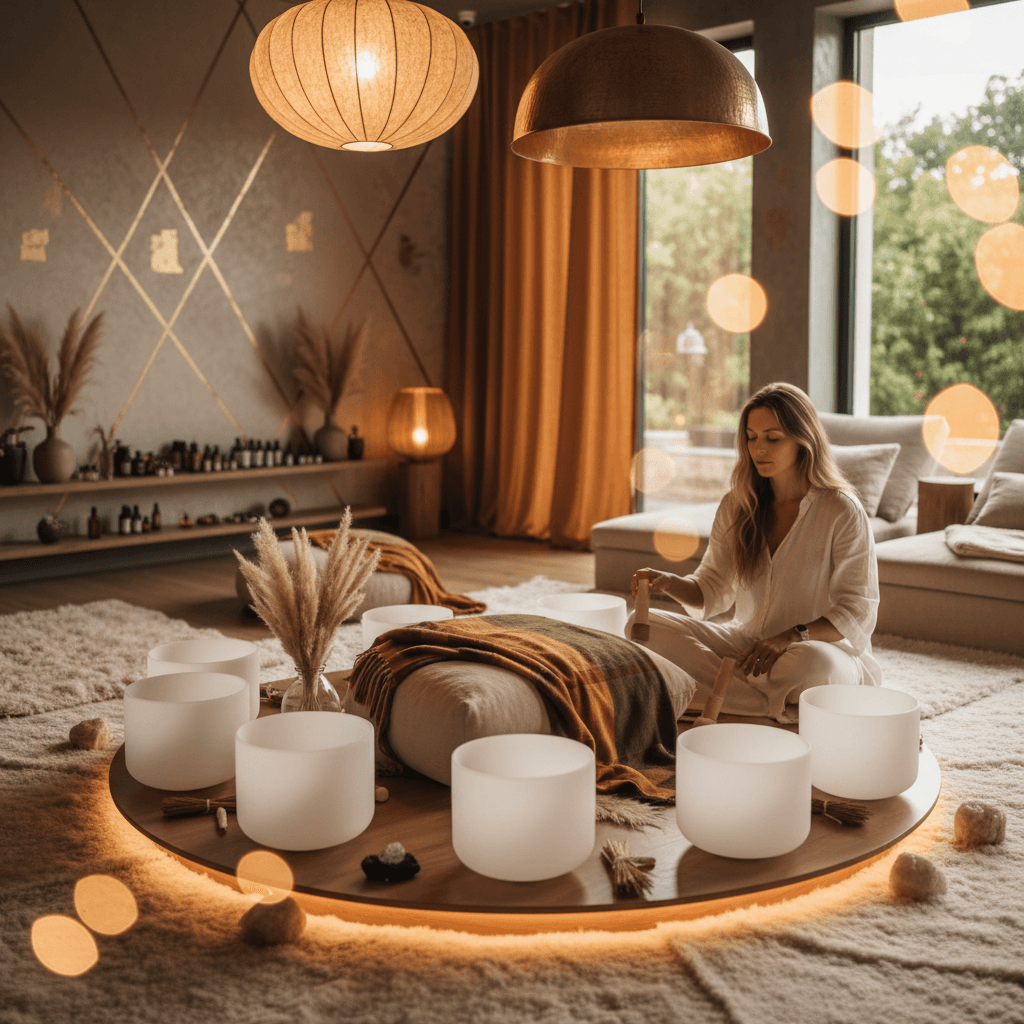
Larissa Steinbach, with her holistic vision, combines the therapeutic frequencies of various instruments with guided breathwork and mindful intention to create an immersive journey. During a Soul Art session, clients are enveloped in a carefully orchestrated soundscape designed to resonate with the body’s natural rhythms. The gentle yet powerful vibrations from instruments such as crystal singing bowls, gongs, and chimes are more than just auditory experiences; they are profound sensory inputs that directly engage the vagus nerve.
The unique aspect of the Soul Art method lies in its ability to facilitate a shift from a state of sympathetic dominance (stress response) to parasympathetic prevalence (rest and digest). Through the combination of deep, rhythmic breathing patterns – particularly emphasizing longer exhalations – and the resonant frequencies, the sessions aim to:
- Promote deep relaxation: The coherent sound waves help quiet the overactive mind, allowing the body to naturally release tension.
- Stimulate the vagus nerve: The gentle vibrations and focused breathwork may directly activate the vagus nerve, encouraging increased vagal outflow and improving vagal tone.
- Enhance emotional regulation: By fostering a state of physiological safety and calm, participants may find it easier to process emotions and develop greater emotional resilience.
- Support cognitive well-being: A relaxed nervous system and improved vagal tone are associated with better cognitive function, including memory and focus.
Larissa Steinbach curates each session to be a sanctuary for rejuvenation, where every sound, every breath, and every moment is intentionally designed to support your nervous system. Our practices are rooted in the understanding that creating an internal environment of peace and balance is fundamental to overall wellness and a key pillar of living a long, vibrant life.
Your Next Steps: Integrating Vagal Wellness into Daily Life
Embarking on a journey to enhance your vagal tone is a profound act of self-care and an investment in your longevity. The beauty of these practices is their accessibility, allowing you to gradually integrate them into your daily routine. Here are some actionable steps you can take today:
- Practice Deep, Slow Breathing (DSB) Daily: Dedicate 5-10 minutes each day to rhythmic breathing, focusing on exhales that are longer than inhales. Start with a 4-count inhale, 6-count exhale, and gradually increase. This simple practice can significantly boost parasympathetic activity.
- Embrace Vocalization: Find moments to hum, sing, or chant throughout your day. Whether in the shower, driving, or during a quiet moment, these gentle vibrations can naturally stimulate your vagus nerve and promote relaxation.
- Mindful Moments: Incorporate short periods of mindfulness or meditation into your schedule. Even 2-5 minutes of focused attention on your breath or body sensations can help to calm your nervous system and support vagal tone.
- Gentle Movement: Engage in activities like gentle yoga, stretching, or a leisurely walk. Mindful movement, when paired with conscious breathing, can be a powerful tool for stress reduction and vagal activation.
- Explore Sound Wellness: Consider experiencing a sound bath or a guided sound meditation session. The unique frequencies and vibrations offer a deeply immersive way to reset your nervous system and cultivate a profound sense of peace.
Remember, consistency is key. Small, regular practices can lead to significant cumulative benefits for your vagal tone and overall well-being.
In Summary
The vagus nerve is an extraordinary pathway, intricately linked to our body's ability to manage stress, regulate vital functions, and cultivate emotional resilience. Enhancing vagal tone through practices like deep breathing, vocalization, and mindful movement is not merely a wellness trend; it's a scientifically-grounded strategy for promoting longevity, reducing inflammation, improving cognitive function, and fostering a deeper sense of peace.
At Soul Art, Larissa Steinbach and her team harness the profound power of sound wellness to create an environment where vagal tone can flourish. By inviting these practices into your life, you are choosing a path of sustained vitality and holistic well-being. We invite you to discover the transformative potential of a well-tuned nervous system and unlock a more resilient, vibrant you.
Bookings Coming Soon
Soul Art is still in preparation. Session details and booking will be published here after launch.
Coming Soon
Wellness Disclaimer: This article is for educational and informational purposes only. It does not constitute medical advice, diagnosis, or treatment. Soul Art Dubai provides non-medical wellness experiences focused on relaxation, stress management, and general wellbeing. Sound wellness is a complementary practice and should not replace professional medical care.
Related Articles
Advanced Biohacker: Optimizing Wellness with Complex Sound Protocols

Ozone Therapy & Sound: Mastering Oxidative Stress for Vitality
Hyperbaric Oxygen & Sound: Synergizing Wellness & Brain Vitality