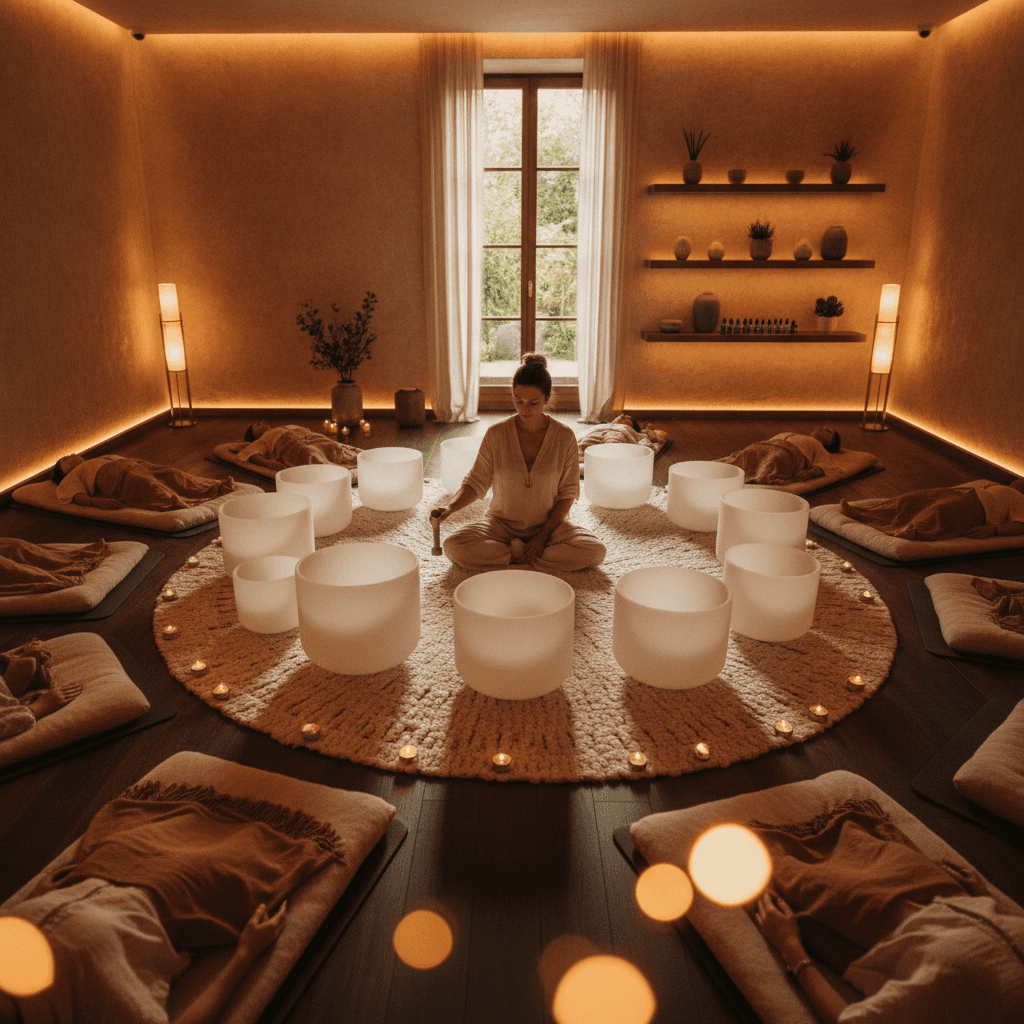
Harmonic Integrity: Regional Sounds in Sound Wellness, Ethically
Key Insights
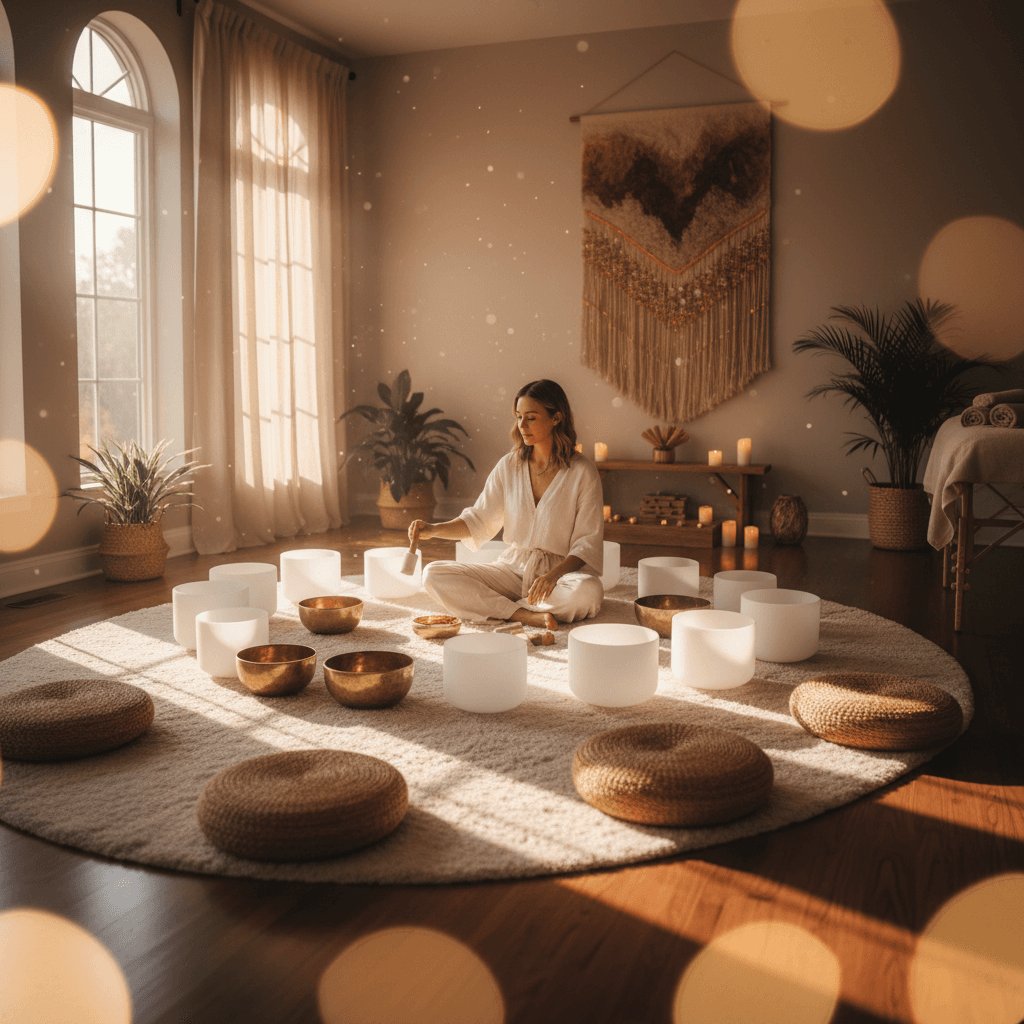
Explore how Soul Art Dubai, led by Larissa Steinbach, integrates regional sound references respectfully for profound relaxation and holistic well-being, avoiding cultural appropriation.
Harmonic Integrity: Regional Sounds in Sound Wellness, Ethically
Have you ever noticed how certain sounds transport you instantly, evoking specific memories, emotions, or even a sense of place? From the gentle rhythm of ocean waves to the evocative melodies of a distant oud, sound is a profound anchor to our world, and to our heritage. For sound wellness practitioners, this deep connection presents both an incredible opportunity and a significant responsibility.
At Soul Art, Dubai's premier sound wellness studio, we explore the vast potential of sound to foster deep relaxation and inner harmony. This journey often leads us to consider the rich tapestry of regional sound references, particularly those from the Arabic region, and how they can enrich a wellness experience. However, navigating these cultural soundscapes demands profound respect, meticulous research, and an unwavering commitment to ethical practice to ensure appreciation, not appropriation.
This article delves into the science behind sound’s impact on well-being and outlines a mindful approach to integrating regional sonic inspirations. We will explore how Larissa Steinbach and the Soul Art team honor cultural heritage while delivering transformative sound experiences, ensuring that every frequency resonates with integrity and respect for its origins. Ultimately, understanding this balance is crucial for unlocking sound's full potential for your holistic well-being.
The Neuroscience of Sound and Cultural Resonance
The human brain is an extraordinary interpreter of sound, constantly processing auditory information and translating it into physiological and emotional responses. Our relationship with sound is not merely passive listening; it is an active, intricate dance between external vibrations and our internal neural circuitry. When these sounds carry cultural significance, their impact can be even more profound.
Auditory Processing and Brain Response
When sound waves enter the ear, they are converted into electrical signals that travel to various parts of the brain, including the auditory cortex, hippocampus, and amygdala. The auditory cortex processes the sound's fundamental characteristics like pitch, timbre, and rhythm. Meanwhile, the hippocampus, vital for memory, and the amygdala, central to emotional processing, become engaged, linking sounds to past experiences and triggering emotional states. This complex interplay explains why a specific melody can evoke vivid memories or shift our mood instantaneously.
Different frequencies also influence brainwave activity. Alpha waves (8-12 Hz) are associated with relaxed, meditative states, while theta waves (4-8 Hz) correlate with deep relaxation and creativity. Sound immersion practices, particularly those utilizing specific tones and rhythms, may support the brain in shifting into these beneficial states. This process, known as entrainment, is a cornerstone of sound wellness, where the brain's electrical activity synchronizes with external rhythmic stimuli.
The Vagus Nerve and Parasympathetic Activation
Beyond the brain, sound has a direct impact on our autonomic nervous system, particularly through the vagus nerve. This cranial nerve is a crucial component of the parasympathetic nervous system, responsible for the body's "rest and digest" response. Gentle, rhythmic, and resonant sounds may stimulate the vagus nerve, potentially promoting vagal tone. A higher vagal tone has been associated with improved emotional regulation, reduced inflammation, and enhanced stress resilience.
Deep, resonant vibrations, such as those produced by singing bowls or gongs, can create a palpable physical sensation that further contributes to this vagal stimulation. This physical resonance, often felt as a gentle humming throughout the body, cues the nervous system to relax and release tension. Some research suggests that music integration, especially with culturally familiar or soothing elements, can enhance cognitive and affective development and deepen engagement with the world around us.
Cultural Context and Emotional Connection
The emotional and physiological responses to sound are not solely determined by inherent acoustic properties; they are also deeply shaped by cultural context. Our upbringing, environment, and shared cultural experiences imbue sounds with specific meanings and associations. A sound that is comforting and familiar in one culture might be neutral or even disorienting in another.
"Sound is a language, and like any language, its nuances are best understood through deep immersion and respect for its native speakers."
For instance, studies on music integration highlight how language, stories, folktales, music, and artistic creations serve as powerful expressions of culture. When sound references resonate with a listener's cultural background, they can create a stronger sense of connection, safety, and belonging, which are vital for deep relaxation and healing. However, this connection must be forged with extreme sensitivity to avoid the pitfalls of cultural appropriation. As evidenced by cases like the use of Inuit throat singing without proper acknowledgment or compensation, the line between appreciation and appropriation can be easily crossed, causing harm and disrespect. An ethical approach means recognizing the difference between respectful referencing and unauthorized reproduction or commodification.
Mindful Integration: Bridging Tradition and Modern Wellness
The art of integrating regional sound references into a contemporary sound wellness practice lies in a delicate balance. It requires careful discernment, deep reverence for source cultures, and a commitment to authenticity. At Soul Art, we believe in drawing inspiration from the rich tapestry of global sounds, including those from our immediate surroundings in the Arabic region, while creating original compositions and experiences that honor their roots without claiming ownership.
This mindful integration begins with extensive research and a profound understanding of the cultural significance behind specific sonic elements. We differentiate between "content appropriation" — performing songs or adopting styles from different cultures without understanding or acknowledgment — and respectful inspiration. Our goal is never to replicate traditional performances or claim mastery over indigenous art forms. Instead, it is to understand the essence of certain sound characteristics that contribute to a regional soundscape.
For instance, the natural acoustics of the desert, the melodic cadences of traditional storytelling, or the resonant qualities of local architecture can serve as powerful starting points for sound compositions. These elements are not directly copied but rather inform the textures, rhythms, and tonal palettes used in our original sound journeys. Clients experience an immersive sound environment that feels evocative and grounding, resonating with a familiar yet freshly interpreted energy. This approach avoids "object appropriation," such as simply using a traditional instrument out of context, by focusing on the principles of sound rather than the specific cultural artifacts.
The experience at Soul Art is designed to be transportive, allowing individuals to connect with a sense of place and heritage in a way that is deeply personal and respectful. We might explore the resonant frequencies that mirror the expansive quiet of the desert night or create rhythmic patterns inspired by the enduring flow of ancient waterways. These are not direct cultural performances but rather contemporary sound compositions that respectfully reference a regional aesthetic. The focus remains on creating a universal space for relaxation and self-discovery, enriched by subtle, ethically sourced influences.
Sensory details are crucial here; clients often report a profound sense of peace as they are enveloped in soundscapes that feel both ancient and entirely new. They describe feelings of being gently cradled by resonant vibrations, allowing their minds to quiet and their bodies to release tension. The intention is to cultivate an inner awareness, using sound as a gentle guide rather than a dictate. This allows for an experience that is deeply personal, yet subtly informed by a rich world of sonic inspiration.
Soul Art's Ethos: Honoring Heritage Through Sound
Larissa Steinbach, the visionary founder of Soul Art, is deeply committed to upholding the highest standards of ethical practice in sound wellness. Her approach is rooted in genuine respect for diverse cultural expressions and a nuanced understanding of their power. Larissa believes that while sound is a universal language, its dialects are sacred and must be approached with humility and integrity.
What makes the Soul Art method unique is its dedication to comprehensive research and a collaborative spirit. Before any regional influence is considered, Larissa and her team engage in extensive study, often consulting with cultural experts and scholars. This ensures that any "references" are deeply informed, and not merely superficial appropriations. The goal is to understand the context and meaning behind particular sonic qualities, rather than just their acoustic properties. This aligns with research emphasizing the importance of sensitivity and care to truly understand and embrace music in a way that honors it.
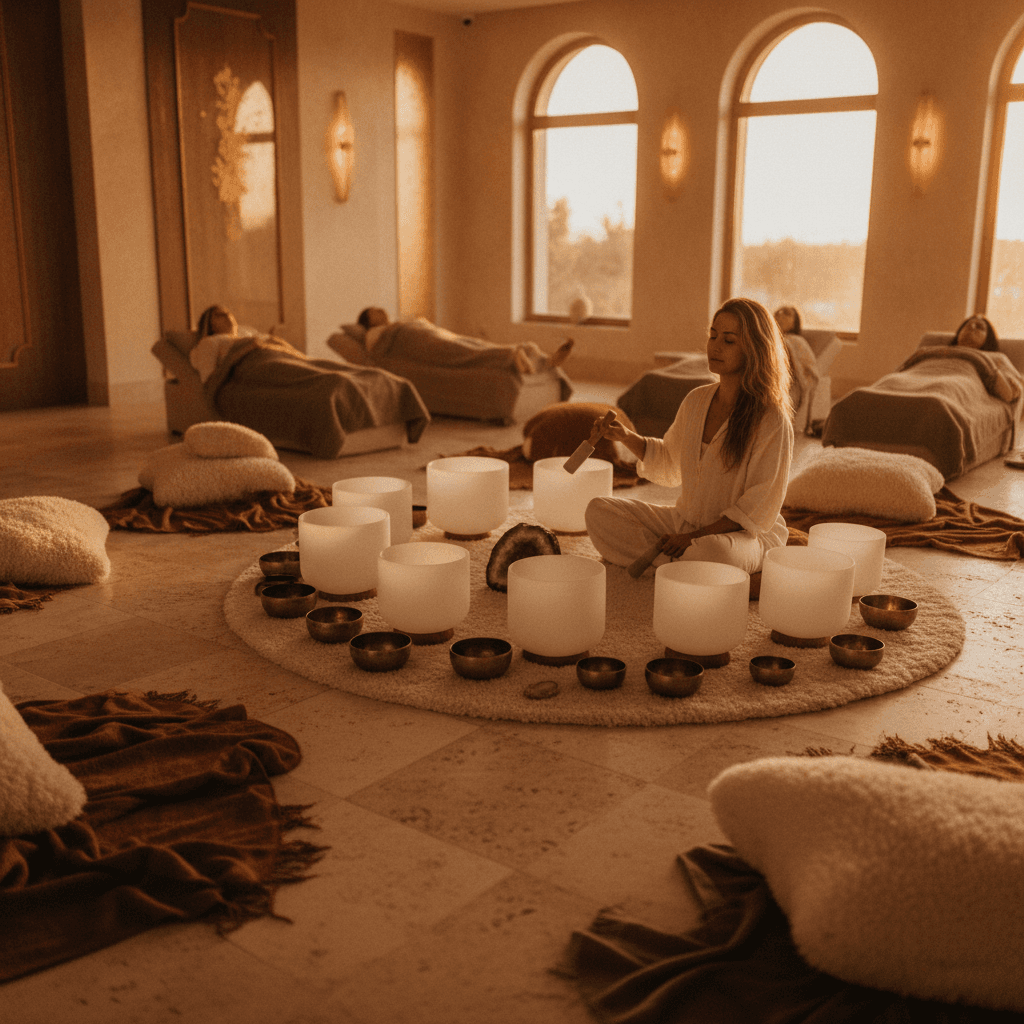
Soul Art's practices lean on universally recognized sound wellness instruments like crystal singing bowls, Himalayan singing bowls, gongs, and tuning forks. These instruments produce pure, sustained tones and rich overtones known for their therapeutic effects. When integrating regional references, Larissa focuses on how the principles found in regional sound traditions—such as specific scales (maqamat), rhythmic patterns (iqa'at), or even the resonant acoustics of historical spaces—can inspire the creation of original, contemporary sound journeys.
For example, rather than performing traditional Middle Eastern music, Soul Art might design a sound bath that subtly incorporates the feeling of a specific maqam's emotional quality, or a rhythmic pulse reminiscent of a local folk dance, using the studio's diverse array of instruments. This is about evoking a regional essence within an original composition, respecting the source while crafting a unique wellness experience. This careful approach ensures that Soul Art's offerings are both deeply resonant and ethically sound. It’s an approach that celebrates the beauty of cultural sounds by allowing them to inspire new forms of healing art, rather than by reproducing them out of context.
Larissa Steinbach also emphasizes transparency. Clients are educated on the inspirations behind certain soundscapes, fostering a deeper appreciation for cultural richness rather than an uncritical consumption of borrowed elements. This dialogue encourages an informed interaction with sound, promoting understanding and respect.
Cultivating Your Personal Sound Sanctuary
Integrating the power of sound into your daily life, especially with an appreciation for regional nuances, does not require a studio session, though Soul Art offers profound experiences. You can begin to cultivate your personal sound sanctuary today with mindful awareness and ethical appreciation.
- Listen Actively to Your Surroundings: Pay attention to the natural soundscapes of your region – the rustle of palms, the distant call of birds, the ambient sounds of your city. How do they make you feel? This fosters a connection to your immediate environment.
- Explore Local Music and Oral Traditions Respectfully: Seek out local artists, traditional music, and storytelling from your region. Listen with curiosity and respect, learning about the cultural context and significance from authentic sources. Support these artists directly where possible.
- Create Your Own Meditative Soundscapes: Use simple, accessible instruments like chimes, small drums, or even your voice (humming, toning) to create personal sound experiences. Focus on what feels soothing and grounding to you, drawing inspiration from universal elements of sound.
- Practice Intentional Listening: Dedicate time each day to listen to music or nature sounds with full presence, without distraction. Notice the subtle shifts in your mood, breath, and body as you engage with the auditory experience.
- Educate Yourself on Cultural Appropriation: Continuously learn about the nuances of cultural appropriation in music and art. Understanding the difference between appreciation, inspiration, and appropriation empowers you to engage with global cultures thoughtfully and respectfully.
Ready to explore the profound impact of sound on your nervous system and discover a sanctuary of deep relaxation? Embark on a journey with Soul Art where every frequency is curated with intention, integrity, and a deep understanding of its power to restore and rejuvenate.
Bookings Coming Soon
Soul Art is still in preparation. Session details and booking will be published here after launch.
Coming Soon
In Summary: Harmonic Resonance, Ethical Practice
The power of sound to influence our well-being is undeniable, impacting our brains, nervous systems, and emotional states in profound ways. When incorporating regional sound references, the commitment to ethical practice becomes paramount. It is crucial to distinguish between genuine appreciation and respectful inspiration versus cultural appropriation, ensuring that any engagement with diverse sonic traditions honors their origins.
Larissa Steinbach and Soul Art exemplify this mindful approach, dedicating themselves to deep research and thoughtful integration. They create original sound wellness experiences that subtly reference the rich soundscapes of the Arabic region, fostering deep relaxation and self-discovery with integrity. By understanding the science and practicing ethical engagement, we can unlock sound's full potential as a complementary approach to holistic well-being. Experience the harmonious blend of science, culture, and deep relaxation at Soul Art.
Wellness Disclaimer: This article is for educational and informational purposes only. It does not constitute medical advice, diagnosis, or treatment. Soul Art Dubai provides non-medical wellness experiences focused on relaxation, stress management, and general wellbeing. Sound wellness is a complementary practice and should not replace professional medical care.
Related Articles
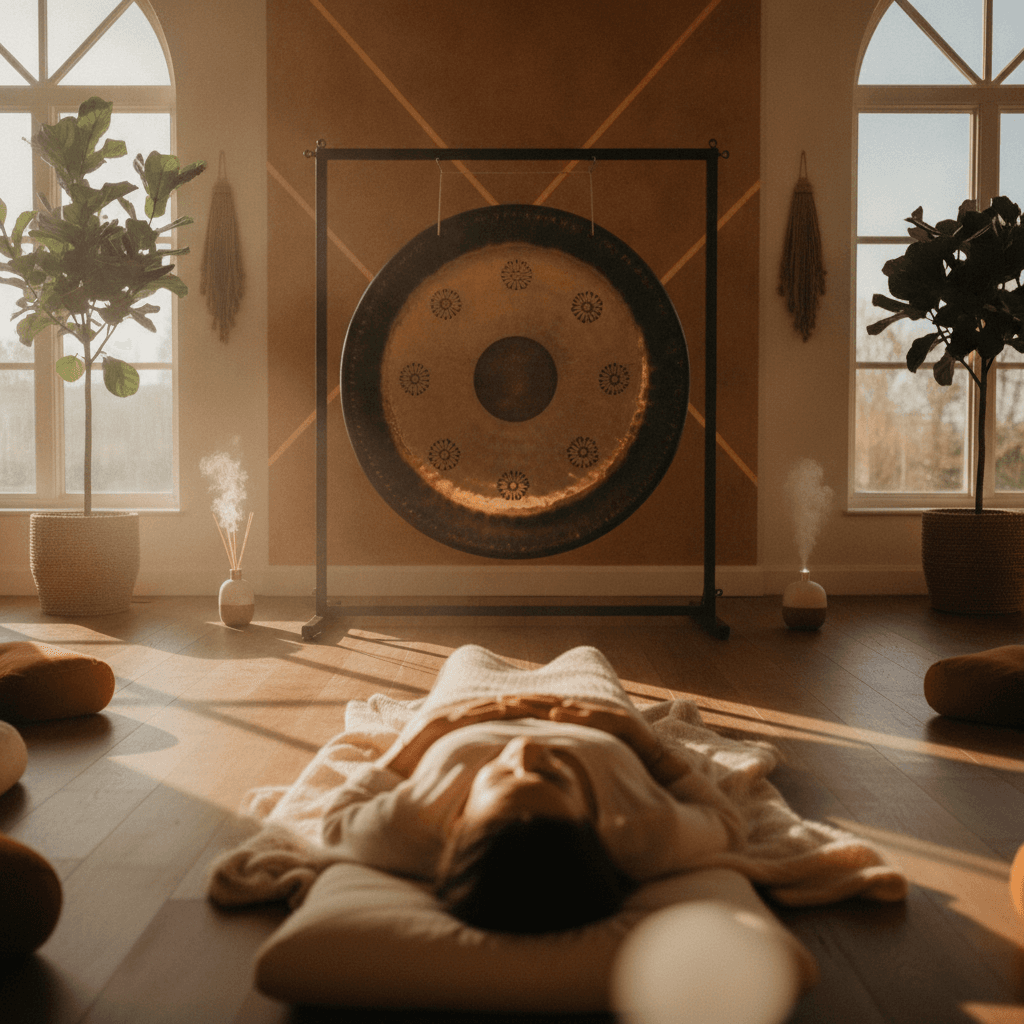
Ramadan Sound Bath: Elevating Well-being with Respect & Science
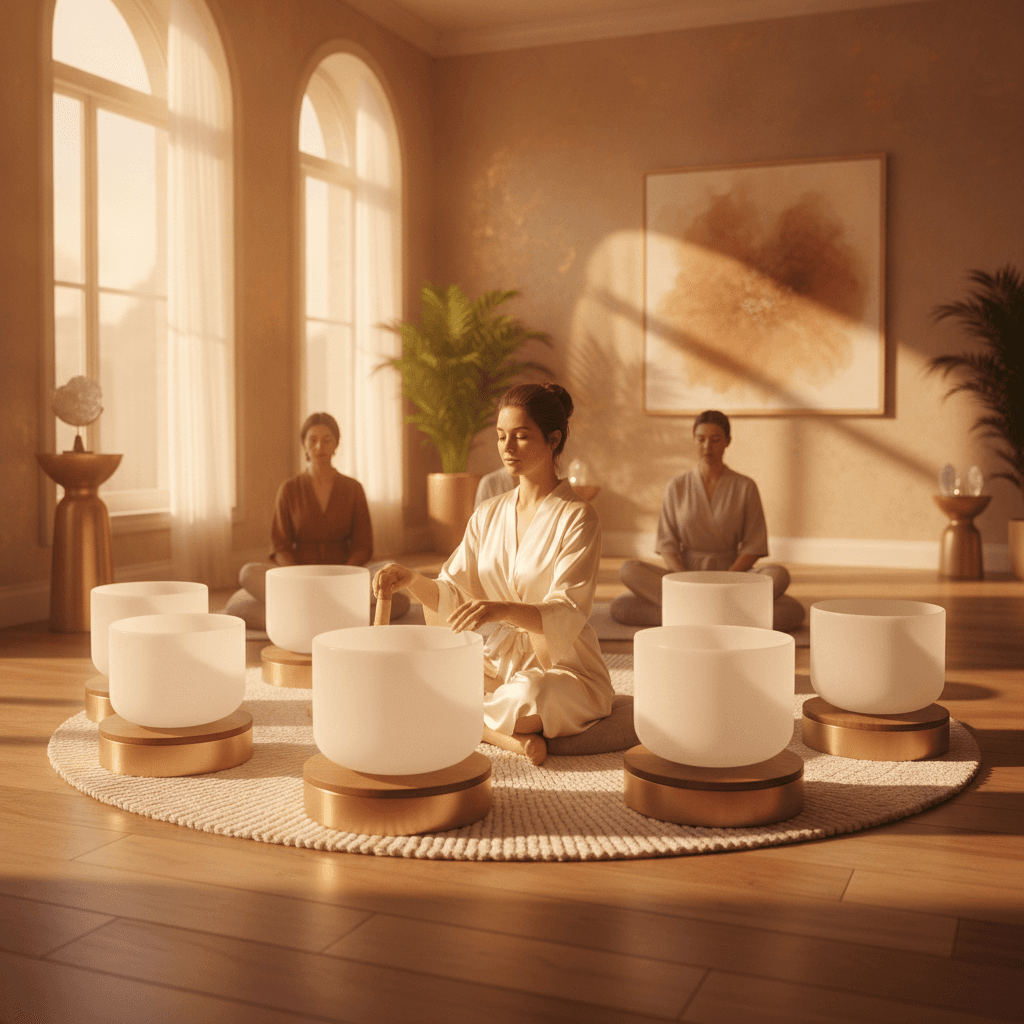
Celebrate with Sound: Birthday Rituals for Deep Reflection
Beyond the Echo: Mastering Closing Rituals for Sound Journeys