Optimizing Corporate Wellness: Careful HRV Use with Sound Healing

Key Insights
Explore how Soul Art, led by Larissa Steinbach, integrates Heart Rate Variability (HRV) carefully into corporate sound wellness programs for enhanced employee well-being and resilience.
Have you ever considered how the invisible rhythm of your heart might hold the key to unlocking a more resilient, productive, and fulfilled workforce? In the demanding landscape of modern corporate life, stress and burnout are omnipresent challenges, quietly eroding both individual well-being and organizational vitality. Yet, a sophisticated physiological measure, Heart Rate Variability (HRV), has emerged as a compelling "north star" in understanding and addressing these issues.
HRV, far more than just a heart rate count, reflects your body's adaptability and capacity to respond to the myriad stresses of daily life. Its integration into corporate wellness programs offers profound insights, promising higher productivity and reduced burnout. However, its power lies in careful and informed application. At Soul Art, we combine this scientific understanding with the profound, transformative power of sound wellness, guided by our founder Larissa Steinbach, to offer a holistic path to corporate well-being. This article will delve into the science of HRV, explore its practical applications in the workplace, and unveil Soul Art's unique approach to leveraging these insights responsibly.
The Science Explained
What is Heart Rate Variability (HRV)?
Heart Rate Variability (HRV) is a sophisticated measure of the tiny, beat-to-beat fluctuations in the time intervals between successive heartbeats. Unlike a steady pulse, a healthy heart doesn't beat like a metronome; instead, the time between each beat constantly varies, driven by the intricate dance of the autonomic nervous system (ANS). The ANS comprises two main branches: the sympathetic nervous system, often associated with the "fight or flight" response, and the parasympathetic nervous system, which governs "rest and digest" functions.
A higher HRV score generally indicates a robust and adaptable nervous system, suggesting a healthy balance between these two branches. This implies that your body is better equipped to respond to stressors, recover efficiently, and maintain equilibrium. Conversely, a consistently lower HRV is often associated with higher stress levels, fatigue, inflammation, and reduced adaptability. It signals that the sympathetic system might be overly dominant, keeping the body in a prolonged state of alert.
HRV as a "North Star" for Well-being
Recent literature reviews, such as one by ClinicSearch, highlight HRV's emergence as a "north star" measurement for health optimization, extending its use far beyond clinical settings into consumer health technologies and wearable devices. This makes it an invaluable, objective metric for gauging general cardiovascular health and, crucially, the functional status of the ANS. Its ability to provide a window into our physiological state offers unique potential for personalized wellness strategies.
The insights gained from HRV data can inform diverse areas of well-being, from optimizing athletic training and recovery to managing chronic stress. Many individuals and organizations are now seeking to incorporate HRV monitoring to gain a deeper understanding of their physiological responses to different daily demands and interventions.
HRV in the Workplace: Insights and Impact
The application of HRV data in occupational settings has yielded compelling results, offering valuable insights into the intricate relationship between workload, stress, and recovery. Research consistently demonstrates that a lower HRV is often linked to elevated stress levels and increased fatigue among workers, while a higher HRV is associated with improved stress regulation and enhanced resilience. By monitoring HRV trends, employers can gain a data-driven understanding of high-risk work conditions and proactively evaluate the effectiveness of wellness interventions.
A study by Richardson et al. (2023) specifically explored the integration of HRV data into workplace wellness programs. This research found that companies leveraging HRV data to monitor employee health experienced notable improvements, including higher productivity and a significant reduction in cases of burnout. HRV proved most valuable in objectively tracking employees' levels of recovery and stress, enabling employers to provide more customized guidance on work-life balance and stress-reduction strategies. Real-time HRV monitoring can empower both workers and employers to better understand the physiological and emotional states that influence performance, fostering a more supportive and responsive work environment.
The Nuances: Why "Carefully"?
While the potential of HRV as a wellness metric is undeniable, its careful application is paramount. The interpretation of HRV data, especially in personalized health contexts, presents several challenges, as noted by Vargas, Pimentel, and Lee (2023). It's not a straightforward diagnostic tool, and its readings are influenced by numerous factors.
One significant consideration is the variability in measurement methods. The "gold standard" for HRV measurement, particularly in medical-grade research, relies on electrocardiograms (ECGs) with multiple leads, providing the cleanest and most accurate signals. In contrast, many consumer-grade wearables and fitness trackers rely on optical sensors (photoplethysmography or PPG), which, while convenient, may not always achieve the same level of precision, especially regarding beat-to-beat accuracy essential for HRV. This can sometimes lead to discrepancies between recorded HRV data and an individual's perceived stress levels, potentially risking a decrease in trust in wellness applications, as highlighted by a study in JMIR Human Factors. Therefore, relying solely on consumer device readings without understanding their limitations is not advisable.
Furthermore, HRV has a strong genetic component, with research suggesting genetics can account for anywhere between 15% and over 70% of an individual's HRV score. This wide range means that comparing one person's HRV number directly against another's, or against generalized "normal" ranges, can be misleading. A person might naturally have a lower baseline HRV due to genetics but still be highly resilient and healthy, while another might have a high baseline without necessarily being at peak fitness. The focus should always be on individual trends and changes over time, rather than isolated snapshots or direct comparisons. Understanding these nuances is key to implementing HRV monitoring responsibly and effectively in any wellness program.
How It Works in Practice
Integrating HRV insights into practical corporate wellness programs involves moving beyond raw data to foster deeper self-awareness and physiological regulation. At Soul Art, our approach emphasizes using HRV not as a pass/fail grade, but as a gentle guide to understanding one's internal state. This practice often begins with establishing a baseline of an individual's HRV trends over a period, allowing us to observe their typical physiological responses to daily routines and stressors without judgment.
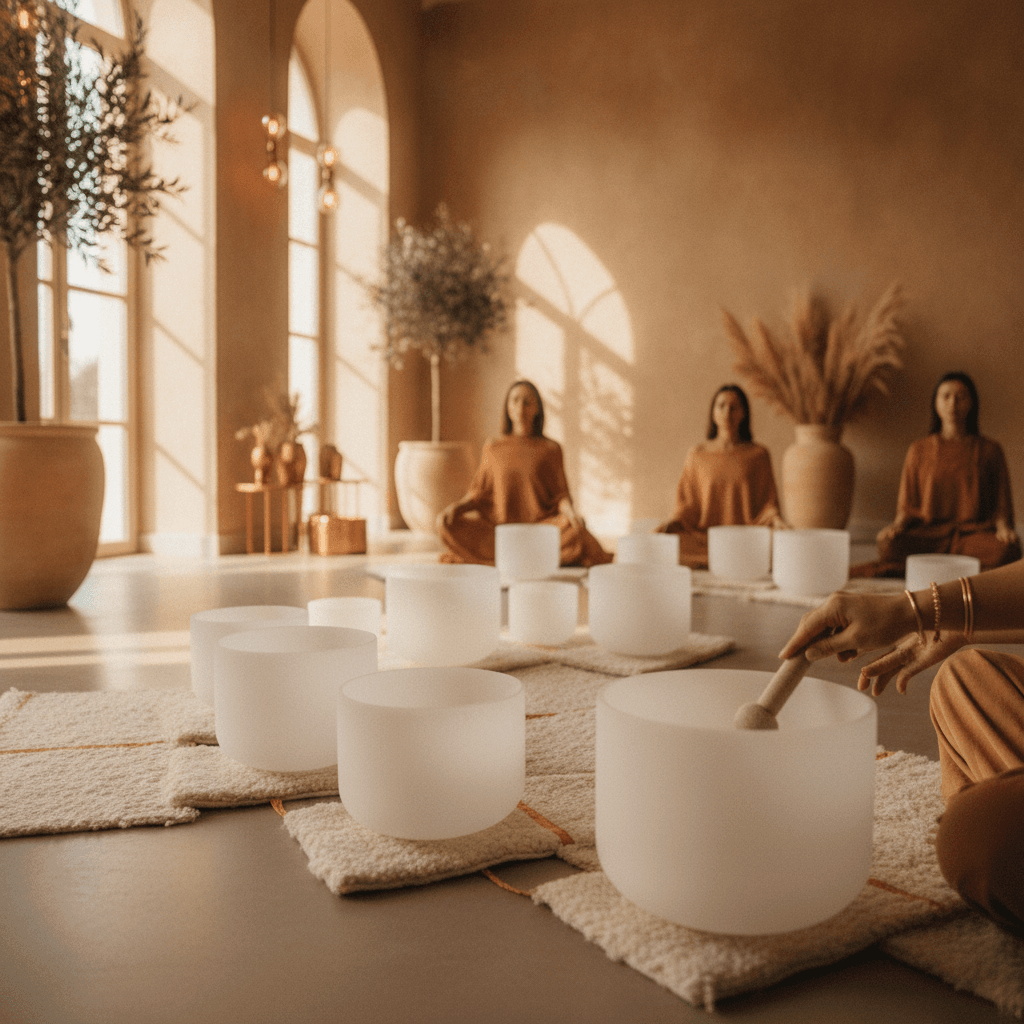
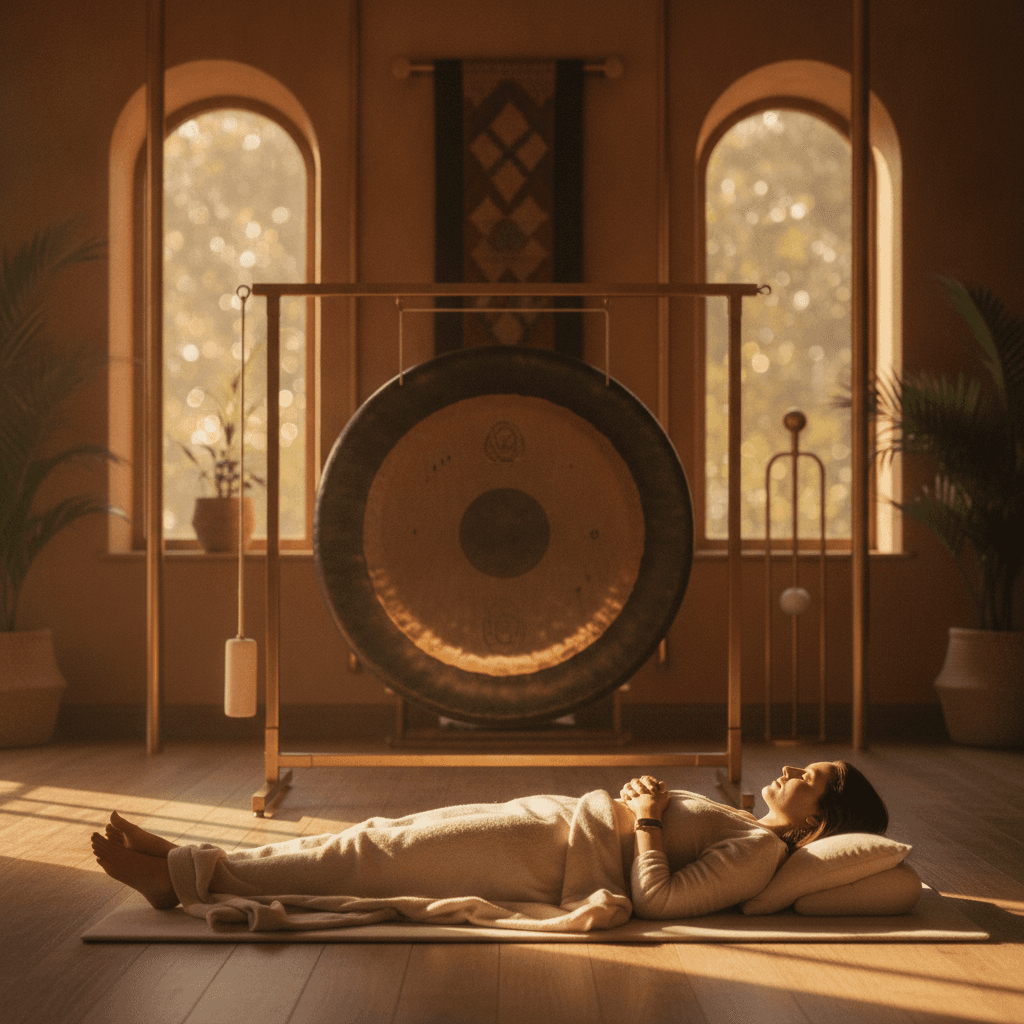
During our sound wellness experiences, the connection between internal state and external input becomes palpable. Clients often report a profound sense of calm and relaxation as the resonant frequencies permeate their being. The carefully chosen sounds, from the deep vibrations of gongs to the ethereal melodies of crystal bowls, are designed to encourage the parasympathetic nervous system to take the lead. This physiological shift, indicative of stress reduction and enhanced recovery, can sometimes be reflected in subtle, yet positive, shifts in HRV patterns over time.
A powerful application of HRV in wellness is through biofeedback. As explored in studies on biofeedback-driven music interventions, real-time HRV data can be used to train individuals in techniques like paced breathing, which directly influence autonomic regulation. This training aims to improve stress resilience and emotional regulation by enhancing conscious control over involuntary autonomic responses. While we do not directly use biofeedback with real-time HRV display in our sound baths, the very act of engaging with the deeply relaxing sound frequencies acts as an implicit biofeedback mechanism. The body learns to associate these calming sounds with a state of physiological rest, gently guiding the nervous system towards a more adaptable state.
The experience is deeply sensory: the gentle hum of a crystal bowl reverberating through the chest, the rich, enveloping tones of a symphonic gong washing over the body, the delicate tinkling of chimes that seem to clear the mind. These vibrations are not merely auditory; they are felt on a cellular level, inviting the nervous system to downshift. This process may support the natural oscillation of HRV, helping to "unstuck" physiological states and enhance overall autonomic regulation, as suggested by research into adaptive AI-generated music and its effect on HRV. Ultimately, in practice, HRV serves as a complementary lens, encouraging participants to tune into their bodies and cultivate a deeper awareness of their stress and recovery cycles, while the sound provides the immersive pathway to well-being.
The Soul Art Approach
At Soul Art, founded by the visionary Larissa Steinbach, we believe in a holistic and deeply experiential approach to corporate wellness. While we acknowledge the scientific insights offered by HRV, our primary focus is on creating immersive sound wellness experiences that naturally foster the physiological states associated with optimal well-being and resilience. We see HRV as a valuable, objective indicator that can help contextualize and affirm the profound subjective experiences our clients report.
Larissa Steinbach’s expertise lies in curating environments where sound becomes a powerful therapeutic tool for nervous system regulation. Our sound wellness sessions are meticulously designed to induce a state of deep relaxation and promote parasympathetic dominance, which, in turn, may support a healthier, more balanced HRV profile. This is achieved through the skillful use of specific instruments, each chosen for its unique vibrational properties:
- Crystal Singing Bowls: Their pure, sustained tones resonate deeply within the body, often aligning with brainwave states associated with meditation and deep rest.
- Gongs: The complex, enveloping soundscapes created by gongs facilitate a profound release of tension, guiding the listener into altered states of consciousness where deep healing can occur.
- Chimes and Tuning Forks: These offer delicate, precise frequencies that can help clear energetic blockages and fine-tune the nervous system.
Our method transcends mere relaxation; it's about building foundational resilience from within. We integrate these resonant sound experiences with mindful breathing techniques and gentle guidance, fostering an environment where individuals can gently release accumulated stress and restore their inner equilibrium. Soul Art's approach isn't about chasing a specific HRV number, but rather about cultivating an internal landscape where a balanced and adaptive autonomic nervous system can naturally thrive.
"True well-being isn't just about measuring numbers; it's about cultivating a profound sense of inner harmony that allows those numbers to reflect a state of calm resilience. Sound provides that resonant pathway." - Larissa Steinbach, Founder of Soul Art
This holistic integration aligns with the broader understanding that effective employee wellness programs are deeply embedded into an organization's culture. By offering a sanctuary for physiological and psychological restoration, Soul Art helps companies foster a culture of health where employees feel supported, seen, and empowered to manage their stress proactively. We aim to offer more than a perk; we provide a transformative experience that becomes a central part of fostering a thriving, resilient workforce.
Your Next Steps
Understanding HRV and the power of sound wellness is the first step towards enhancing your personal and corporate well-being. Here are some practical, evidence-based actions you can consider to support a healthy HRV and cultivate greater resilience, regardless of whether you are actively monitoring your HRV:
- Practice Paced Breathing: Engaging in slow, deep, diaphragmatic breathing exercises for just 5-10 minutes daily can significantly influence your vagal tone and, over time, may support an increase in HRV. Focus on exhaling longer than you inhale.
- Embrace Nature: Spending dedicated time outdoors, whether it's a brisk walk in a park or simply sitting amongst trees (often called "forest bathing" or shinrin-yoku), has been associated with improved HRV and reduced stress.
- Cultivate Gratitude: Start a daily gratitude journal. The simple act of regularly noting things you are thankful for can elicit positive emotional shifts, which some research suggests may correlate with an increase in heart rate variability.
- Prioritize Nutrient-Rich Foods: A balanced diet, rich in leafy greens like spinach, kale, and mustard greens, has been linked to healthier HRV scores. Fueling your body with whole, unprocessed foods supports overall physiological balance.
- Explore Sound Wellness: Experience firsthand how resonant frequencies can guide your nervous system into states of deep relaxation and recovery. A sound bath or sound meditation session with experienced practitioners like those at Soul Art can be a powerful complementary approach to stress management.
Remember, consistency is key when implementing these practices. Small, regular steps can lead to significant improvements in your overall well-being and your body's innate capacity for resilience. If you're ready to experience the profound benefits of sound wellness and embark on a journey of self-discovery and stress reduction, we invite you to connect with Soul Art.
In Summary
Heart Rate Variability (HRV) stands out as a crucial objective metric for understanding the body's stress response and recovery capacity. Its value in corporate wellness programs, where it has been linked to higher productivity and reduced burnout, is increasingly recognized. However, the true strength of HRV lies in its careful interpretation and integration, focusing on individual trends rather than isolated numbers, and acknowledging measurement nuances.
At Soul Art, guided by Larissa Steinbach, we combine this scientific awareness with the profound, transformative power of sound wellness. Our meticulously crafted sound experiences, utilizing instruments like crystal bowls and gongs, are designed to gently guide the nervous system towards a state of deep relaxation and enhanced adaptability, naturally supporting a balanced HRV profile. By fostering an immersive environment for physiological and psychological restoration, Soul Art offers a holistic approach to building resilience and well-being for individuals and organizations. Experience the subtle yet profound shift towards a more harmonious and resilient you.
Bookings Coming Soon
Soul Art is still in preparation. Session details and booking will be published here after launch.
Coming Soon
Wellness Disclaimer: This article is for educational and informational purposes only. It does not constitute medical advice, diagnosis, or treatment. Soul Art Dubai provides non-medical wellness experiences focused on relaxation, stress management, and general wellbeing. Sound wellness is a complementary practice and should not replace professional medical care.
Related Articles

Unlock Corporate Value: The CFO's Guide to Sound Wellness ROI
Elevate Team Wellness: Sound Baths, Breathwork & Meditation

Navigating Biometric Data Privacy in Corporate Wellness