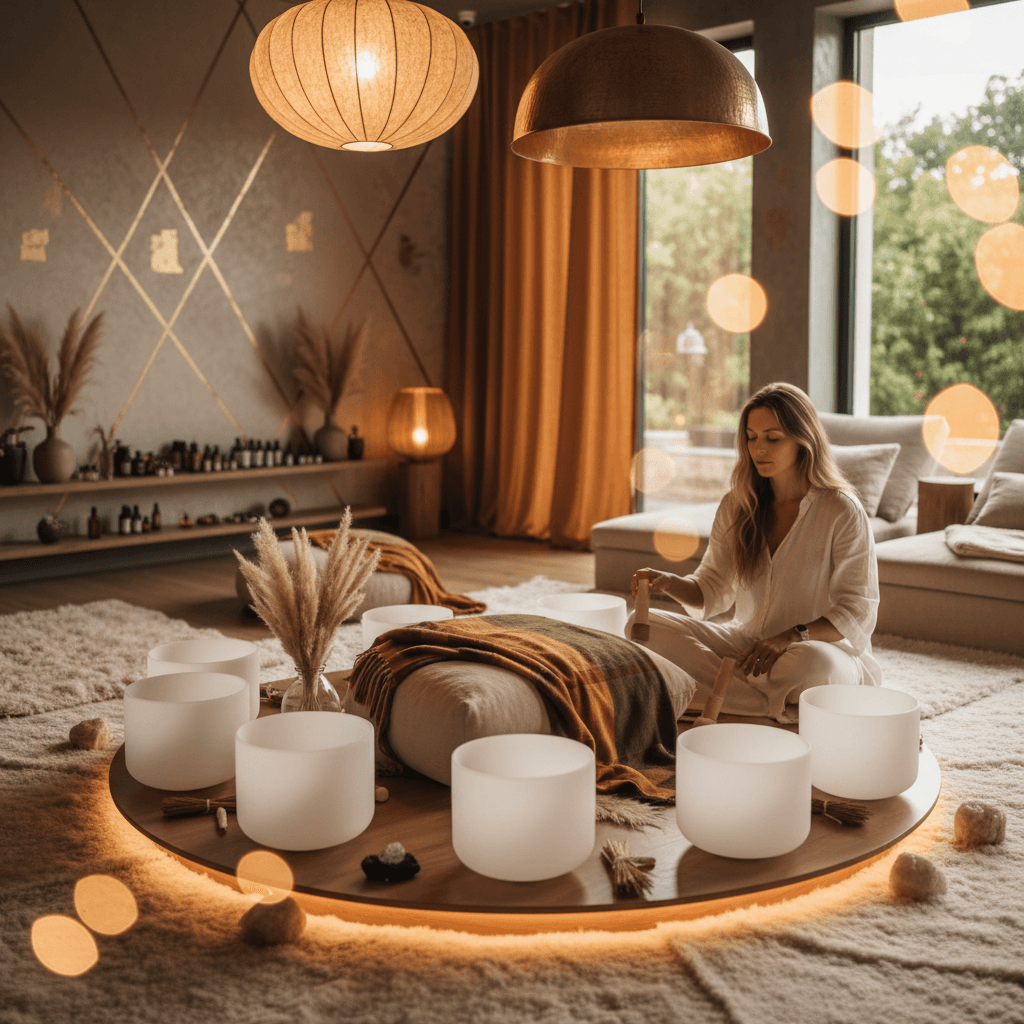
Travel Optimization: Sound for Jet Lag & Circadian Harmony
Key Insights
Discover how Soul Art Dubai, led by Larissa Steinbach, leverages scientific sound wellness to help you conquer jet lag and restore your body's natural rhythm.
Imagine arriving at your destination, not battling a pervasive fog of fatigue, but stepping off the plane feeling refreshed and vibrant, perfectly in tune with the new time zone. For many, this sounds like a traveler’s fantasy. A recent large-scale study, however, reveals a surprising truth: while physical fatigue may subside within days, the subtle, yet disruptive, impact on our body's internal clock can persist for over a week, silently undermining our wellbeing and performance.
This deep dive into "Travel Optimization: Sound for Jet Lag" explores the intricate science behind this common travel woe. We will unravel why our sleep patterns struggle to adapt, the differential impact of eastward versus westward travel, and how these disruptions extend far beyond mere tiredness. More importantly, we will uncover how the sophisticated practice of sound wellness, championed by Larissa Steinbach at Soul Art in Dubai, offers a profound and scientifically informed pathway to re-synchronize your internal rhythm and reclaim your vitality, wherever your journeys may take you.
The Intricate Dance of Your Circadian Rhythm
Jet lag, often dismissed as simple travel fatigue, is in fact a complex physiological phenomenon. It arises from a profound mismatch between our body’s internal biological clock—the circadian rhythm—and the external time cues of a new geographical location. This internal clock, governed by the suprachiasmatic nucleus (SCN) in the brain, orchestrates nearly all bodily functions, from sleep-wake cycles and hormone release to digestion and body temperature. When you cross multiple time zones rapidly, your SCN remains on "home time," while local time demands a completely different schedule for activity, eating, and rest.
A groundbreaking study, utilizing 1.5 million nights of de-identified data from the Oura Ring across 60,000 trips, provided unprecedented real-world insights into jet lag recovery. This research highlights the persistent nature of circadian disruption, extending beyond the initial days of travel.
Understanding Jet Lag's Persistent Impact
The Oura Ring study revealed crucial distinctions in how different aspects of sleep recover:
- Sleep Duration vs. Sleep Timing: While sleep duration typically aligns within 15 minutes of habitual sleep within approximately two days post-travel, the timing and structure of sleep—such as the onset of sleep and the occurrence of nighttime awakenings—can take more than a week to fully restore. This persistence in timing disruption is a key contributor to lingering jet lag symptoms.
- Direction of Travel: Eastward travel is generally found to be more challenging than westward travel. This is because our inherent body clock cycle slightly exceeds 24 hours, making it easier for the body to lengthen the day (westward travel) than to shorten it (eastward travel). For shorter trips (up to three time zones), eastward travel tends to be more severe. For longer journeys, the overall disruption to sleep patterns is similar regardless of direction, with sleep occurring 60-70 minutes earlier or later than usual.
- Number of Time Zones: The greater the number of time zones traversed, the more significant the circadian disarray. Each additional hour of time difference adds to the burden on the body's natural re-synchronization process, amplifying symptoms and extending recovery time.
- Age and Gender: Interestingly, the study found minimal differences in travel-related sleep disruption between men and women. Older travelers, however, experienced slightly less impact, with a 20-year-old experiencing a 15-minute greater reduction in sleep compared to a 60-year-old over the initial post-travel days.
Beyond Sleep: The Broader Repercussions
The impact of jet lag extends well beyond disrupted sleep. It can manifest in a spectrum of debilitating symptoms, affecting both physical and mental performance:
- Cognitive and Emotional Disturbances: Jet lag often leads to difficulty concentrating, irritability, disorientation, distorted estimation of time, space, and distance, and reduced overall motivation.
- Physical Ailments: Symptoms can include lightheadedness, loss of appetite, and gastrointestinal disturbances, as the disruption to the circadian rhythm affects various physiological processes.
- Performance Deterioration: For athletes and professionals, jet lag can significantly impair physical and cognitive performance. Studies on sports teams, including the NFL and Major League Baseball, have shown negative effects, particularly after eastward journeys.
- Nervous System Activation: Research by WHOOP and CLEAR indicates that the sympathetic nervous system, responsible for our "fight or flight" response, becomes more activated during jet lag. This is evidenced by a slightly increased resting heart rate (RHR) and decreased heart rate variability (HRV), signaling a state of heightened stress.
Indeed, some studies suggest that while the sleep-wake cycle may begin to recover within about one day per time zone crossed, other deeper physiological cycles might take as many as 8 to 10 days to fully resynchronize. This underscores the subtle, yet pervasive, challenge jet lag poses to our holistic wellbeing.
"Jet lag is not merely a matter of tiredness; it's a profound misalignment of our internal universe with the external world, impacting everything from our deepest sleep to our sharpest thoughts."
The Body's Internal Clocks and External Cues
Our circadian system is highly responsive to external cues, known as zeitgebers (German for "time-givers"). The most potent of these is light. Strategically timed light exposure—bright light in the morning for eastward travel to advance the clock, and evening light for westward travel to delay it—is a well-established method to help re-synchronize the body clock. Melatonin, a hormone naturally produced by the pineal gland, also plays a crucial role in regulating sleep and circadian rhythms, with studies showing its significant benefit in reducing jet lag symptoms when taken at appropriate doses.
However, the complexity of studying jet lag and its outcomes is immense. It's challenging to isolate jet lag's effects from other factors like habitual training times, time-of-day influences on performance, and individual chronotypes. Furthermore, many studies have historically involved limited participant numbers or focused on specific groups, making generalization to the broader traveling public difficult. This highlights the need for sophisticated, multi-faceted approaches to jet lag mitigation.
How It Works in Practice: The Vibrational Pathway to Harmony
Understanding the intricate science of jet lag paves the way for effective, holistic strategies to mitigate its effects. Sound wellness, while not a direct medical treatment, offers a powerful, complementary approach by gently guiding the body and mind towards a state conducive to natural re-synchronization. The practice is rooted in the principle of sympathetic resonance, where the body's cells and energy fields respond and align with external vibrations.
When you experience sound wellness for jet lag, the journey begins by addressing the heightened sympathetic nervous system activation that research shows is characteristic of circadian disruption. The carefully chosen frequencies and tones work to soothe this overactive state, shifting your nervous system towards the parasympathetic dominance—the "rest and digest" mode—essential for recovery and healing.
Entraining Your Brainwaves for Optimal States
A core mechanism of sound wellness lies in brainwave entrainment. Specific sound frequencies, often delivered through rhythmic and sustained tones, have the capacity to influence your brain's electrical activity, encouraging it to transition into desired states:
- Alpha Waves (8-12 Hz): These frequencies promote a relaxed, calm, and alert state, ideal for settling the mind after travel stress and reducing the irritability associated with jet lag.
- Theta Waves (4-8 Hz): Deeper relaxation, creativity, and light meditative states are associated with theta waves. This can be particularly beneficial for accessing restorative rest and aiding the transition into sleep.
- Delta Waves (less than 4 Hz): These are the slowest brainwaves, dominant during deep, restorative sleep. Sound instruments tuned to evoke delta frequencies can help facilitate a more profound and uninterrupted sleep, crucial for resetting your internal clock.
Clients experiencing a sound wellness session often describe a profound sense of calm washing over them. The vibrations from the instruments resonate through the body, a gentle yet pervasive sensation that feels both grounding and ethereal. It’s not just a listening experience; it’s a full-body immersion that helps release accumulated tension from long flights and environmental shifts.
Sensory Immersion for Deep Rebalancing
The sensory details of a sound wellness session are key to its efficacy in combating jet lag. The rich, enveloping tones create an auditory sanctuary, allowing the mind to detach from external stressors and internal chatter. This reduced mental load lessens the cognitive strain often exacerbated by jet lag.
The consistent, harmonious vibrations may support the body in releasing accumulated stress hormones, while encouraging the production of feel-good neurotransmitters. Many people report a feeling of deep peace, a quieting of the restless mind, and a sense of being "put back together" after the fragmentation of travel. This gentle rebalancing acts as a powerful support mechanism for the body's inherent wisdom to find its way back to rhythm, providing a holistic wellness practice that addresses both the mental and physical tolls of time zone changes.
The Soul Art Approach: Larissa Steinbach's Philosophy
At Soul Art in Dubai, Larissa Steinbach curates an unparalleled sound wellness experience designed not just for relaxation, but for profound re-calibration. Larissa’s approach is deeply rooted in both scientific understanding and intuitive mastery, recognizing that each individual’s journey through jet lag is unique and requires a personalized touch. Her philosophy centers on empowering the body’s innate capacity for self-regulation and healing, using sound as a sophisticated conduit.
What makes the Soul Art method truly unique is its bespoke nature and the meticulous selection of instruments. Larissa doesn't merely play sounds; she crafts sonic landscapes tailored to the specific energetic and physiological needs of clients grappling with jet lag. She takes into account critical factors such as the direction of travel (eastward versus westward), the number of time zones crossed, and the individual's personal chronotype and typical sleep patterns.
Instruments of Deep Resonance and Re-calibration
Larissa employs a carefully chosen array of instruments, each with distinct vibrational qualities:
- Himalayan Singing Bowls: These ancient bowls produce complex overtones and deep, grounding vibrations that resonate through the body, promoting a sense of stability and internal harmony. They are particularly effective for releasing physical tension and calming the nervous system.
- Gongs: With their expansive and transformative frequencies, gongs create an immersive sound bath that can help clear mental clutter and facilitate deeper states of relaxation, ideal for recalibrating after disorienting travel.
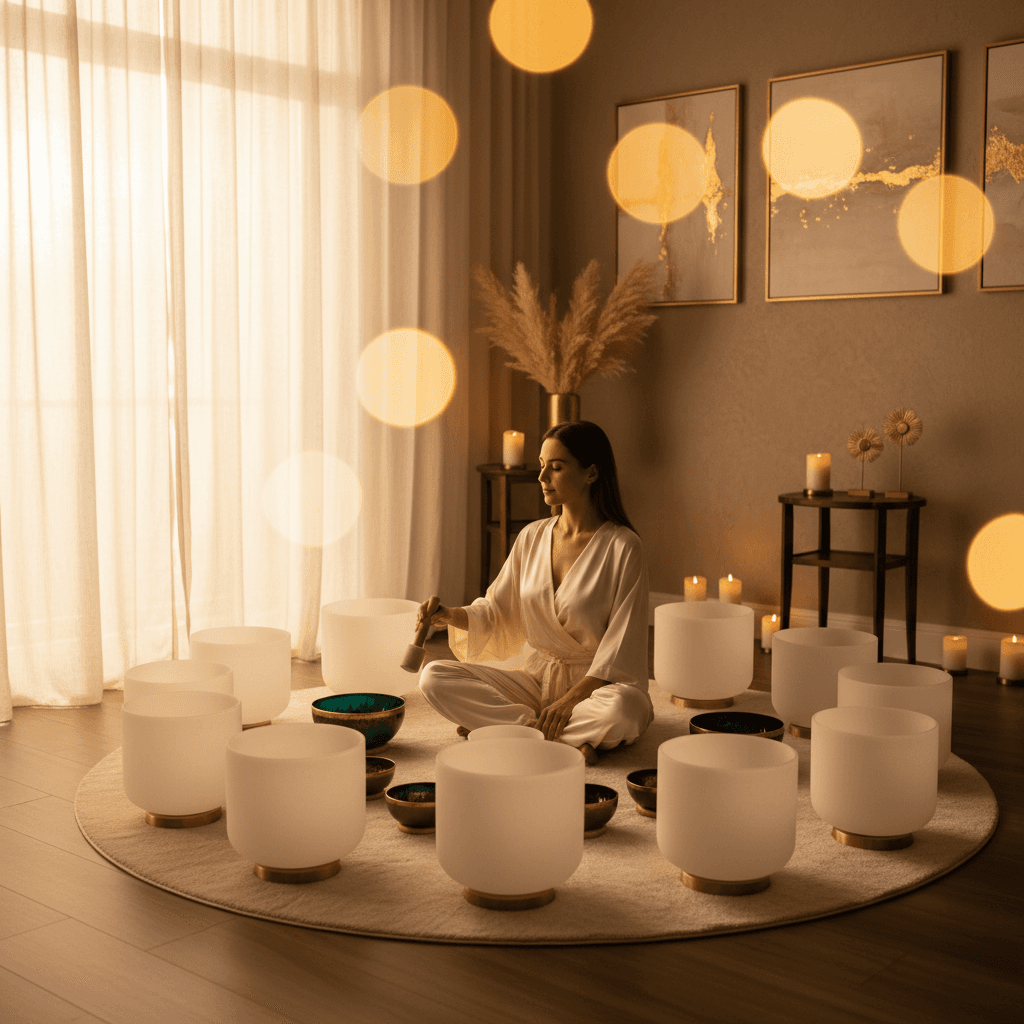
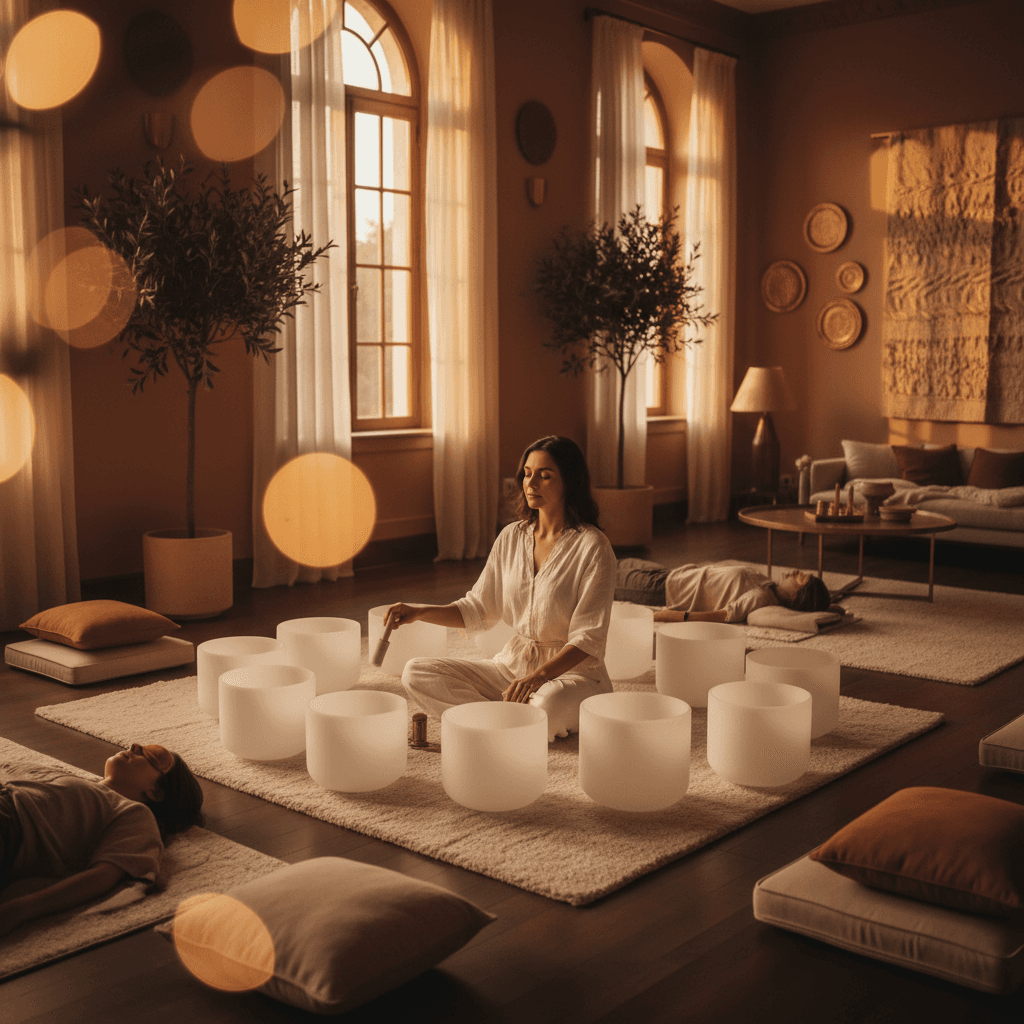
- Crystal Singing Bowls: Made from pure quartz, these bowls emit pure, sustained tones that are believed to align with the body's subtle energy centers, fostering mental clarity and emotional balance.
- Chimes and Tuning Forks: These offer precise, delicate frequencies that can be used to target specific areas of tension or to gently stimulate neural pathways, supporting brainwave entrainment for sleep and relaxation.
In a Soul Art session, Larissa Steinbach intuitively weaves these instruments together, creating a symphony of therapeutic sound. For someone experiencing the heightened agitation of eastward jet lag, she might focus on grounding frequencies and longer, sustained tones to soothe an overactive mind and promote deep rest. For westward travelers, where the body needs to delay its rhythm, sessions might incorporate more expansive, gently stimulating sounds to support mental flexibility and ease the transition into a later sleep schedule.
Larissa's expertise lies in her ability to listen—not just to the sounds, but to the client's energetic blueprint. She creates a sacred space where the body feels safe to release, reset, and re-integrate, gently nudging the circadian rhythm back into its natural flow. This holistic wellness approach at Soul Art Dubai provides a profound anchor, helping travelers move from a state of disarray to one of grounded presence and renewed vitality, making travel less a battle against time and more a seamless dance with it.
Your Next Steps: Embracing Seamless Travel
Navigating the complexities of jet lag doesn't have to define your travel experience. By integrating mindful practices and leveraging the supportive power of sound wellness, you can significantly enhance your body's ability to adjust and recover. These actionable steps, coupled with the sophisticated guidance available at Soul Art, can transform your journeys from exhausting to exhilarating.
Here are practical tips you can start implementing today to minimize the impact of jet lag and cultivate greater ease during your travels:
- Prioritize Pre-Travel Sleep Optimization: Begin your journey well-rested. Reducing sleep debt in the days leading up to your flight is crucial, as starting sleep-deprived can significantly worsen jet lag symptoms and prolong recovery. Aim for consistent, adequate sleep to give your body the best foundation.
- Implement Strategic Light Exposure: Light is the most powerful cue for your internal clock. For eastward travel, expose yourself to bright morning light at your destination time to help advance your clock. For westward travel, seek evening light to help delay your clock. Consider spending time outdoors or using a light therapy lamp.
- Hydrate and Nourish Mindfully: Dehydration and poor nutrition can exacerbate jet lag symptoms. Drink plenty of water before, during, and after your flight, and opt for light, nutrient-dense meals. Avoid excessive caffeine and alcohol, which can disrupt sleep and hydration levels.
- Adjust Your Watch and Mindset Early: As soon as you board your flight, set your watch to the destination time. Begin mentally adjusting your schedule for meals and sleep according to this new time zone. This mental shift can subtly prime your body for the upcoming change.
- Integrate Sound Wellness as a Pre- or Post-Travel Ritual: Consider scheduling a session at Soul Art with Larissa Steinbach before your departure or shortly after your arrival. This proactive step can prepare your nervous system for the impending shift or provide immediate, deep relaxation and re-centering, facilitating a smoother transition. Sound wellness is a powerful complementary approach to support your body's natural re-synchronization.
By taking these deliberate steps, you are not just reacting to jet lag; you are proactively optimizing your body's resilience and capacity for adaptation. Embrace these strategies as part of your holistic wellness toolkit for travel.
Bookings Coming Soon
Soul Art is still in preparation. Session details and booking will be published here after launch.
Coming Soon
In Summary
Jet lag is a significant disruptor to our wellbeing, impacting sleep timing, cognitive function, and overall vitality for days, if not weeks, after travel. The science underscores its complexity, revealing the nuanced differences between eastward and westward journeys and the persistent challenge of re-synchronizing our internal clocks. While light and melatonin offer valuable support, the holistic practice of sound wellness presents a unique and profound complementary approach. Larissa Steinbach at Soul Art expertly leverages resonant frequencies to gently guide your nervous system into states conducive to rest, recovery, and re-alignment. Embrace the transformative power of sound to navigate your travels with grace, restoring your body's natural harmony and ensuring you arrive not just at your destination, but truly in the present moment.
Wellness Disclaimer: This article is for educational and informational purposes only. It does not constitute medical advice, diagnosis, or treatment. Soul Art Dubai provides non-medical wellness experiences focused on relaxation, stress management, and general wellbeing. Sound wellness is a complementary practice and should not replace professional medical care.
Related Articles
Advanced Biohacker: Optimizing Wellness with Complex Sound Protocols
Ozone Therapy & Sound: Mastering Oxidative Stress for Vitality
Hyperbaric Oxygen & Sound: Synergizing Wellness & Brain Vitality