Ramadan Rhythms: Suhoor, Sleep, and Gentle Sound Wellness
Key Insights
Explore how Suhoor timing impacts sleep and cognitive performance during Ramadan. Discover Soul Art's gentle sound techniques to support your circadian rhythm and enhance well-being.
Fasting during Ramadan is a profound spiritual journey, a time of introspection and devotion for millions worldwide. Yet, this sacred period also brings a significant shift in daily routines, particularly concerning meal timings like Suhoor, and consequently, our natural sleep-wake cycles. Have you ever wondered how these changes profoundly influence your cognitive function and overall well-being, even beyond the physical demands of fasting?
The altered eating and sleeping patterns can subtly disrupt our body's internal clock, known as the circadian rhythm. This disruption may lead to challenges with sleep quality, daytime alertness, and even mental performance. However, emerging research and ancient wisdom point towards powerful, complementary approaches that can help harmonize these shifts.
At Soul Art, Dubai's premier sound wellness studio, founded by Larissa Steinbach, we explore how understanding the science behind these rhythms, coupled with the profound power of gentle sound, can offer a path to deeper rest and enhanced vitality during Ramadan and throughout the year. This article delves into the intricate connection between Suhoor timing, sleep architecture, and how specific sound frequencies can gently guide your body back towards its natural state of balance. Discover how to navigate Ramadan's unique rhythms with greater ease and embrace a holistic approach to your well-being.
The Science Explained: Navigating Ramadan's Rhythms
Our bodies are governed by intricate biological clocks, primarily the circadian rhythm, which dictates our sleep-wake cycles, hormone release, metabolism, and even cognitive performance over a roughly 24-hour period. During Ramadan, the shift in meal times, particularly Suhoor, and the altered sleep schedule, present a unique challenge to maintaining this delicate balance. Understanding this science is the first step towards embracing complementary wellness strategies.
Suhoor Timing, Circadian Rhythm, and Cognitive Performance
The timing of Suhoor, the pre-dawn meal, is a critical factor in how fasting impacts our internal clock. When the eating window dramatically shifts, as it does during Ramadan, it can send mixed signals to our body's master clock, which is typically synchronized by light and food intake. This can lead to what is known as "circadian misalignment."
A study focusing on trained female adolescent athletes during Ramadan investigated the relationship between Suhoor timing and cognitive performance. Researchers hypothesized that during Ramadan, both cognitive performance and sleep patterns in Muslim female athletes might be disrupted. Their findings suggested that consuming Suhoor later might have a more favorable impact on cognitive performance, particularly in the afternoon, compared to consuming it earlier. This indicates that even slight adjustments to meal timing can influence daily variations in mental acuity.
"The subtle shift in our daily rituals during Ramadan presents a profound opportunity to consciously re-engage with our body's natural rhythms. By understanding the science, we empower ourselves to support our well-being holistically."
It is important to acknowledge that this specific study focused on a particular demographic, and its findings may not be directly transferable to other groups. However, it highlights the potential for Suhoor timing to influence our biological processes and daily function. The review also notes increased interest in studying how Ramadan fasting specifically affects sleep patterns, daytime sleepiness, cognitive function, sleep architecture, and circadian rhythm. Chronic sleep deprivation and circadian rhythm disruption have been associated with altered release of corticosteroids, such as cortisol, which are stress hormones. Cortisol levels are typically high during the active part of the day and lower towards evening and sleep, a rhythm that can be impacted by changed schedules.
The Impact of Sound on Sleep Quality
While maintaining a quiet environment is generally recommended for optimal sleep, the reality of urban living or simply personal preference often means people resort to using sound as a sleep aid. This fascinating paradox has led to a surge in interest and sales of sound conditioners, yet scientific research in this field has historically been limited. However, a growing body of evidence suggests that certain types of auditory stimulation can indeed play a supportive role in enhancing sleep quality and promoting relaxation.
Research indicates that relaxing music, characterized by a slow tempo (typically 60 to 80 beats per minute) and a smooth melody, has been associated with improved subjective sleep quality. One study found that subjects reported better subjective sleep after listening to music compared to a control text. This type of calming music may support the body by gently slowing the heart rate and breathing, and helping to lower blood pressure, which in turn can assist in reducing levels of stress and anxiety—all crucial elements for preparing the body for rest. The benefits were often more pronounced when calming music was used consistently over longer periods, such as more than four weeks.
Conversely, the presence of unwanted noise can significantly disrupt sleep, potentially increasing sensitivity to noise trauma during the night. While some studies on background noise for sleep have produced conflicting results, other research on hospital patients demonstrated that white noise could improve sleep quality. Moreover, personal tools like earplugs and comfortable noise-cancelling headphones have been shown to reduce awakenings and contribute to more deep sleep, by either blocking disruptive sounds or allowing the introduction of soothing audio. These findings collectively suggest that while loud or abrupt noise can be detrimental, carefully chosen, gentle sound can be a valuable tool in supporting a restful sleep environment.
How It Works in Practice: The Sensory Experience of Sound
Connecting the scientific understanding of circadian rhythms and the impact of sound to a tangible experience can transform daily life, especially during periods like Ramadan. At Soul Art, we bridge this gap, offering a practical pathway to harness the power of gentle sound for enhanced well-being. The application of sound wellness is not merely about playing music; it is a meticulously crafted sensory journey designed to guide the body and mind into profound states of relaxation.
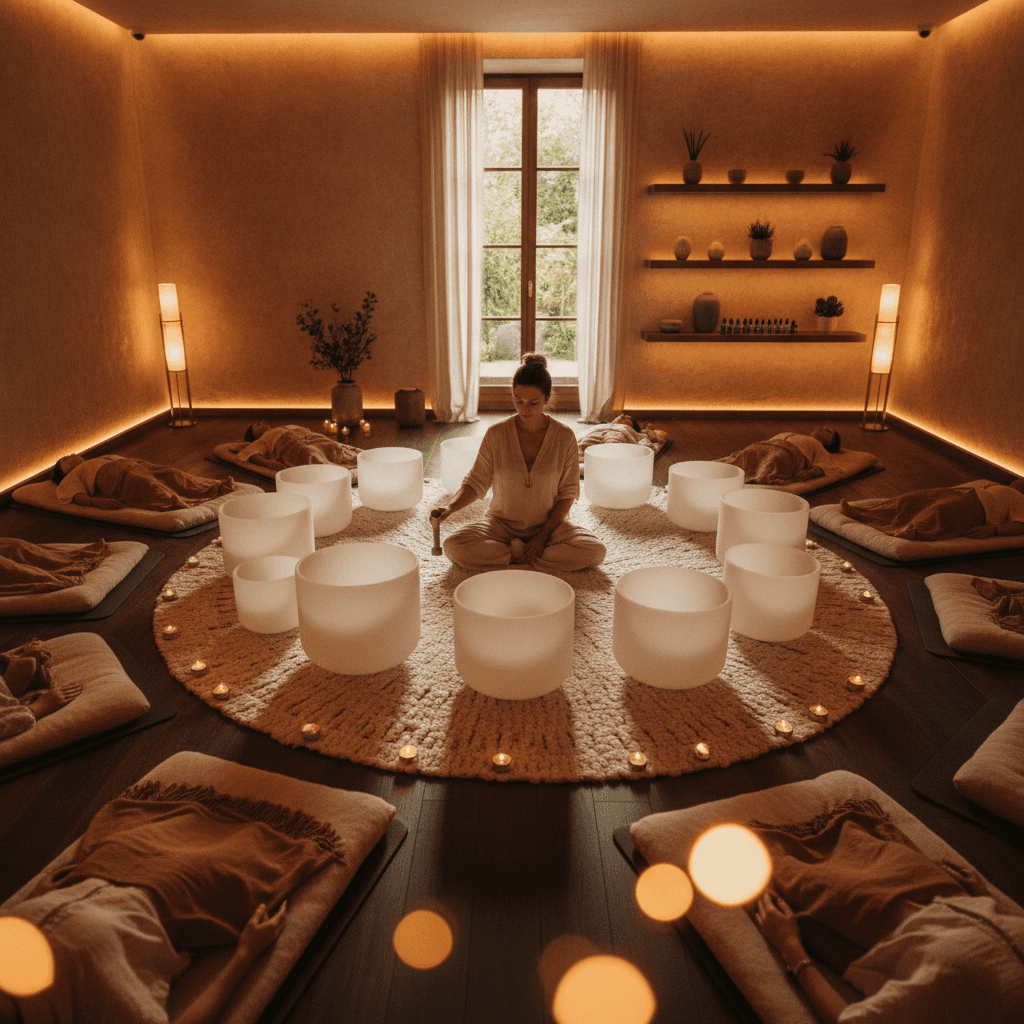
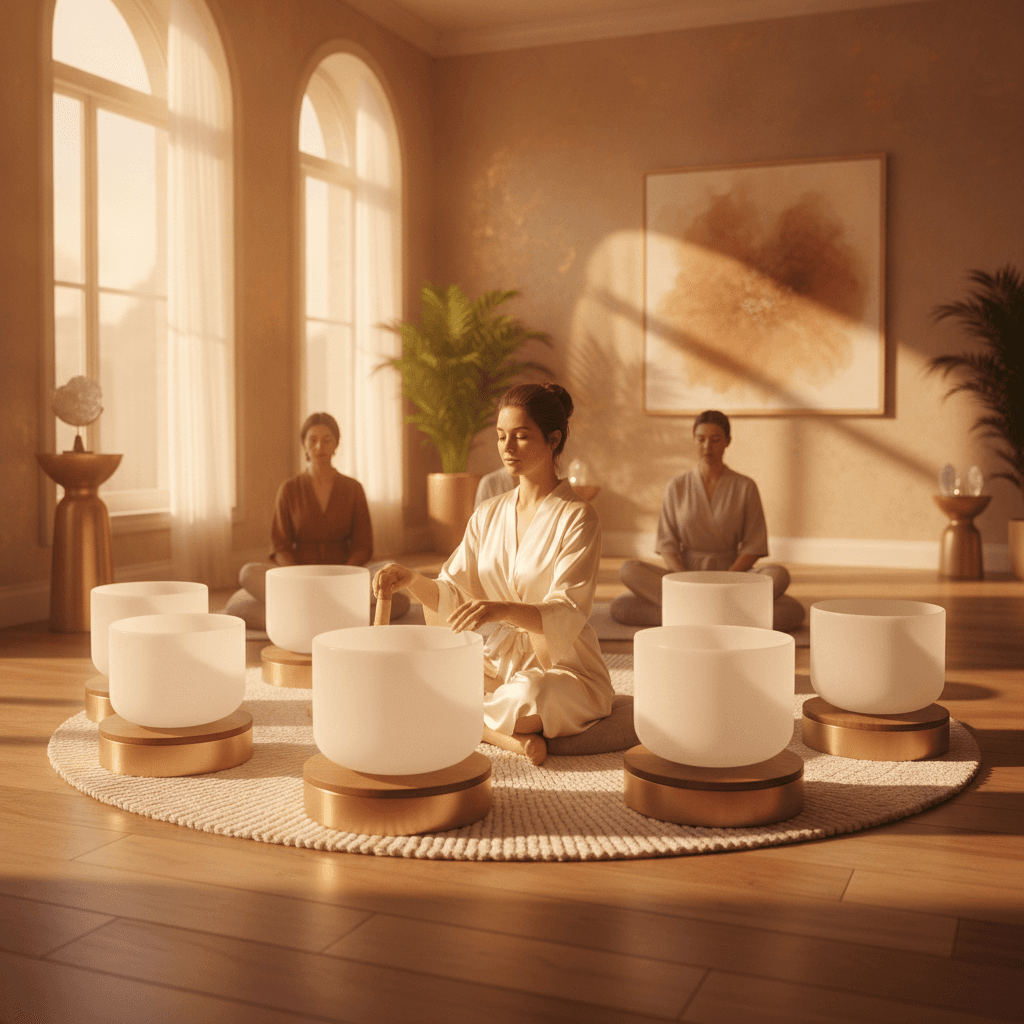
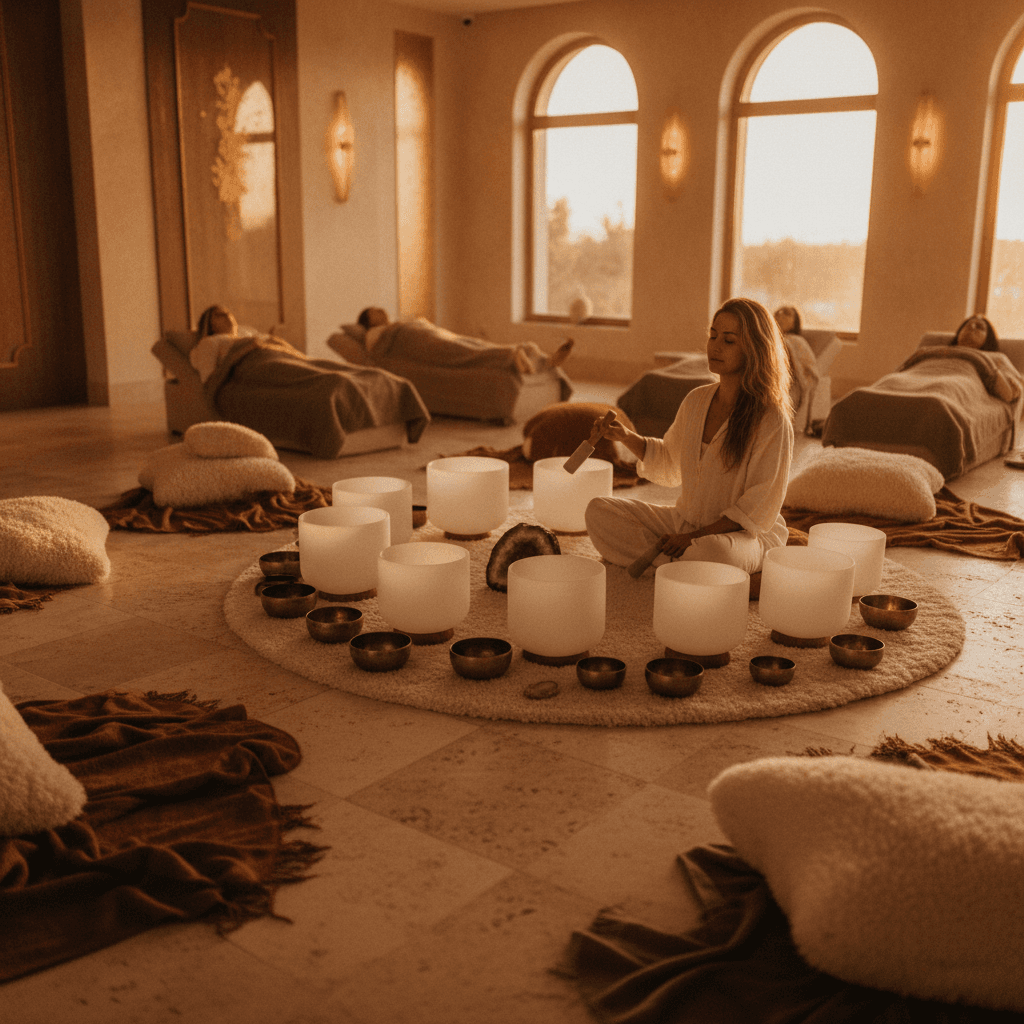
When you step into a sound wellness session, you are entering a space where every frequency is intentionally chosen to create a specific physiological and psychological response. Imagine the subtle vibrations from a crystal singing bowl washing over you, not just heard, but deeply felt within your cells. This isn't just a pleasant sensation; it's a form of auditory stimulation that many people report can activate the parasympathetic nervous system, responsible for the "rest and digest" response. By downregulating the sympathetic nervous system (our "fight or flight" mode), sound wellness may support the body in releasing tension, reducing heart rate, and promoting slower, deeper breathing—all prerequisites for restorative sleep.
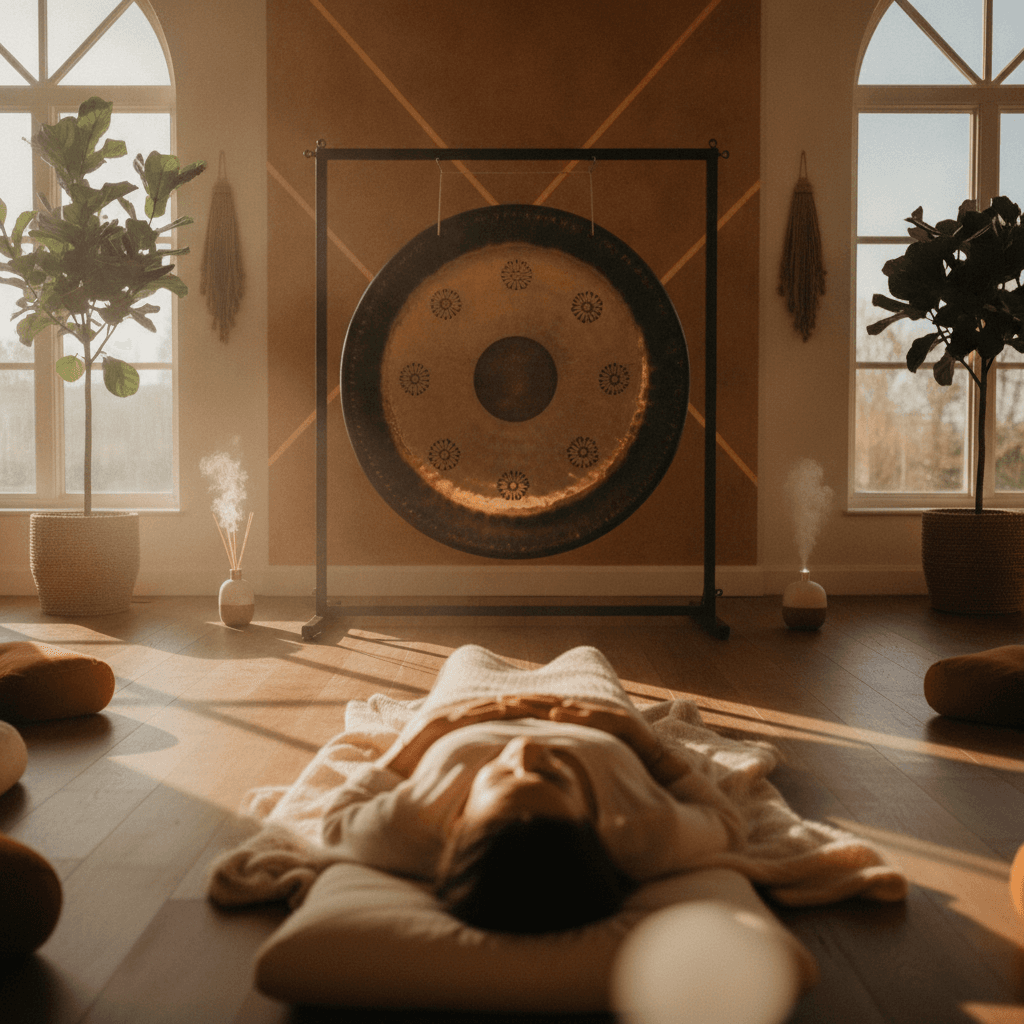
During Ramadan, the transition from the bustling day to the quiet contemplation of the night, often punctuated by Suhoor, can be challenging for the nervous system. A gentle sound session can serve as a powerful anchor. Picture yourself after a long day of fasting, experiencing the gentle resonance of a gong or the soft chime of a koshi. These sounds can act as a non-invasive, yet deeply effective, tool to facilitate mental quietude and physical calm. Clients often describe a sense of being "bathed" in sound, allowing the mind to detach from daily worries and the body to ease into a state of profound relaxation. This experience can be particularly beneficial in the hours leading up to the adjusted bedtime or even as a brief reset during the day, helping to re-regulate the body's internal clock and prepare for sleep, whether it is after Suhoor or before the final rest of the night.
The beauty of this practice lies in its accessibility and non-invasive nature. There’s no need to “do” anything other than simply be present and allow the sound to work its gentle magic. It’s a holistic wellness practice that respects the body’s innate capacity for self-regulation, offering a complementary approach to navigate the unique demands of Ramadan, fostering resilience and inner peace.
The Soul Art Approach: Harmonizing with Larissa Steinbach
At Soul Art, Larissa Steinbach has cultivated a unique methodology that integrates ancient wisdom with contemporary scientific understanding, creating a truly transformative sound wellness experience. Her approach is rooted in the belief that true well-being comes from harmonizing the body's natural rhythms with the surrounding environment, a philosophy particularly relevant during the spiritual season of Ramadan in Dubai.
Larissa Steinbach’s expertise lies in her intuitive ability to create resonant soundscapes using a carefully curated selection of instruments. These include powerful planetary gongs, specifically tuned crystal singing bowls, delicate chimes, and other therapeutic percussion. Each instrument is chosen for its unique frequency and vibrational quality, designed to interact with the body's energetic field and promote a state of deep relaxation and balance. The sound bath experiences at Soul Art are not merely concerts; they are intentional journeys crafted to guide participants into states of profound peace and self-discovery.
What makes the Soul Art method unique is its holistic and personalized nature. Larissa understands that each individual's journey with sleep and circadian rhythms is distinct, especially during Ramadan. Her sessions are tailored to support the specific needs of the community, offering a sanctuary where individuals can release stress, calm their nervous system, and gently encourage their body's innate healing mechanisms. Many people report that the coherent vibrations help to quiet the mental chatter, making it easier to drift into a meditative state or transition into restful sleep.
Larissa Steinbach also emphasizes the importance of intention and creating a sacred space. The studio itself is designed to be a haven of tranquility, allowing participants to fully immerse themselves in the experience without external distractions. This dedication to creating an optimal environment, combined with Larissa’s profound understanding of sound frequencies, enables Soul Art to offer a powerful complementary approach for managing the sleep disruptions and circadian shifts that may arise during Ramadan. It's a journey not just for the ears, but for the entire nervous system, fostering a sense of grounding and renewal that resonates deeply within.
Your Next Steps: Integrating Sound for Enhanced Well-being
Navigating the unique rhythms of Ramadan with grace and energy is entirely possible with conscious effort and supportive practices. Integrating gentle sound wellness into your routine can be a profound step towards enhancing your sleep quality and maintaining circadian harmony. Here are some actionable steps you can implement today:
- Prioritize Consistent Suhoor Timing: While challenging, try to maintain a consistent time for your Suhoor meal. Some preliminary research suggests that a later Suhoor may support cognitive performance, especially in the afternoon. Listen to your body and adjust within Islamic guidelines.
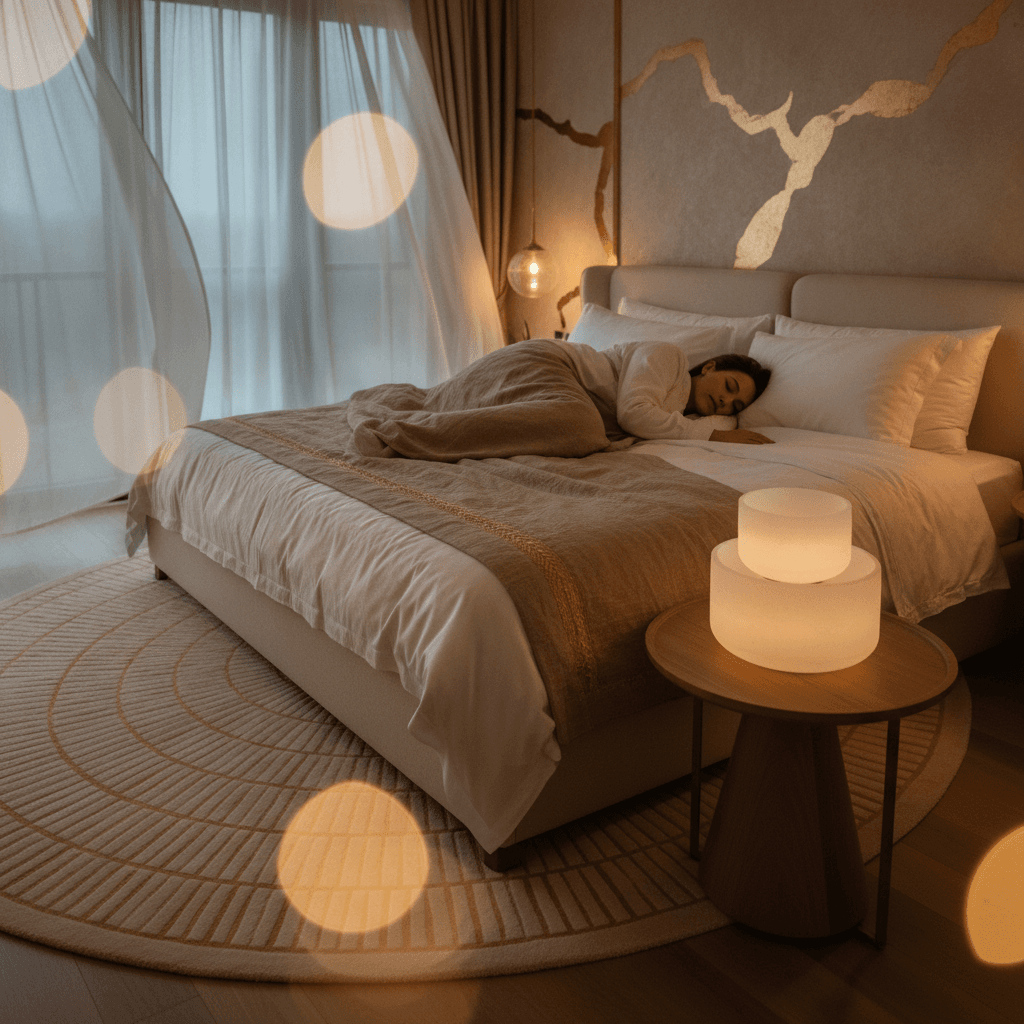
- Create a Restful Environment: Dim lights in the evening, especially after Futoor, to signal to your body that it's time to produce melatonin. Avoid screens and stimulating activities in the hour before your intended sleep. This helps prepare your internal clock for rest.
- Hydrate and Nourish Wisely: Focus on hydrating effectively during non-fasting hours and consuming balanced meals rich in nutrients, rather than heavy, sugary foods. This supports overall bodily functions, including those related to sleep regulation.
- Integrate Gentle Sound into Your Routine: Consider listening to calming music or sound bath recordings for 15-30 minutes before sleep, whether after Suhoor or before your main rest. Choose frequencies with a slow tempo and smooth melody, which may support relaxation and slow physiological markers like heart rate.
- Explore Sound Wellness: Experience a live sound bath session at Soul Art. Under the guidance of Larissa Steinbach, you can discover how deeply resonant vibrations can calm your nervous system, reduce stress, and potentially improve subjective sleep quality, offering a unique complementary approach to your Ramadan wellness journey.
Embracing these steps can make a significant difference in how you experience the spiritual richness of Ramadan, allowing you to feel more rested, focused, and aligned with your inner rhythm.
In Summary
Ramadan offers a unique opportunity for spiritual growth, yet its altered routines, particularly Suhoor timings, can challenge our natural sleep-wake cycles and cognitive function. Research highlights how shifted meal patterns may impact circadian rhythm and cognitive performance, underscoring the importance of mindful living during this sacred month. Gentle sound, with its capacity to promote relaxation, slow physiological processes, and reduce stress, offers a powerful, complementary wellness practice.
At Soul Art, Larissa Steinbach expertly guides individuals through immersive sound experiences designed to harmonize these shifts, supporting deep rest and nervous system regulation. By integrating intentional rhythms and the soothing power of sound, you can navigate Ramadan with enhanced well-being and a profound sense of inner peace. Embrace this holistic approach to nurture your body, mind, and spirit throughout this blessed time.
Bookings Coming Soon
Soul Art is still in preparation. Session details and booking will be published here after launch.
Coming Soon
Wellness Disclaimer: This article is for educational and informational purposes only. It does not constitute medical advice, diagnosis, or treatment. Soul Art Dubai provides non-medical wellness experiences focused on relaxation, stress management, and general wellbeing. Sound wellness is a complementary practice and should not replace professional medical care.
Related Articles
Ramadan Sound Bath: Elevating Well-being with Respect & Science
Celebrate with Sound: Birthday Rituals for Deep Reflection
Beyond the Echo: Mastering Closing Rituals for Sound Journeys