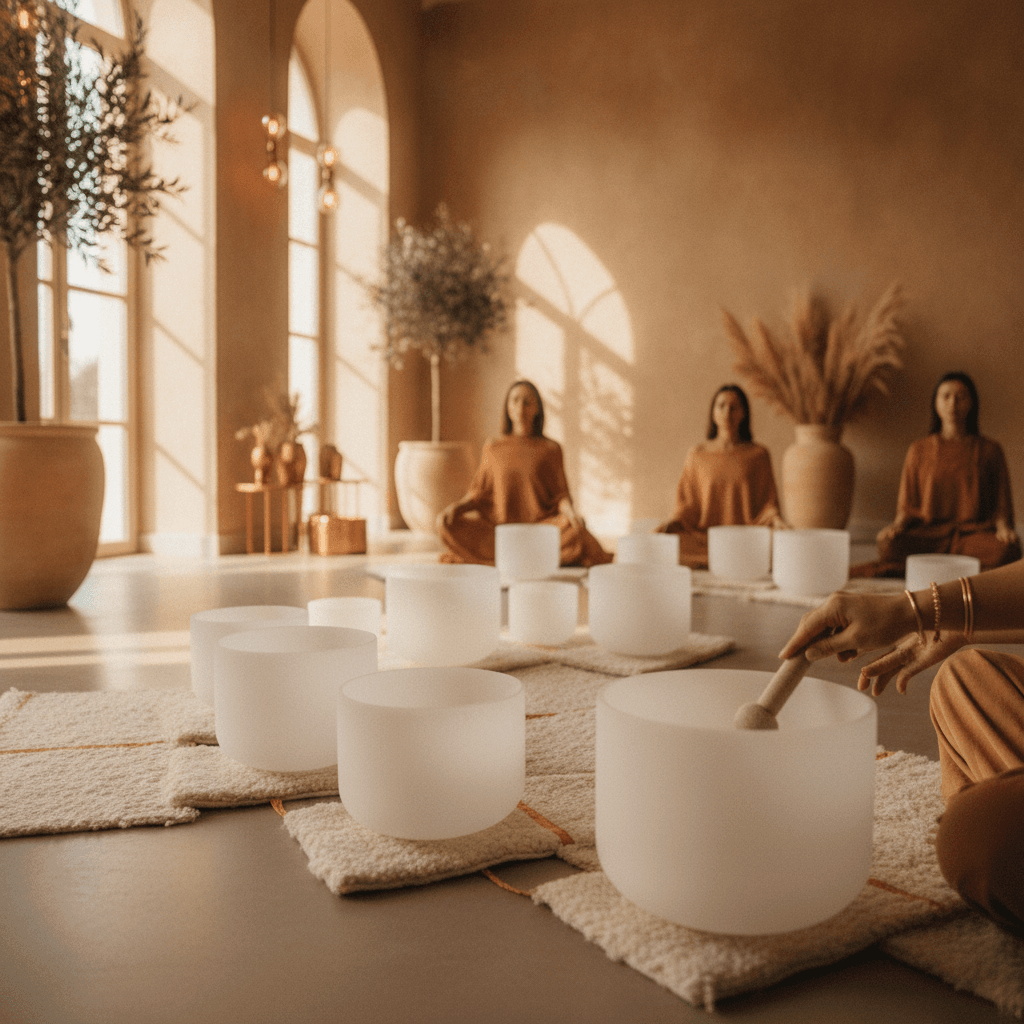
A Strategic Sound Wellness Brief for HR & People Teams
Key Insights
Elevate your corporate wellness program. This guide for HR teams provides a science-backed template to pitch sound wellness, reduce employee stress, and boost productivity.
A Strategic Framework for a More Resilient Workforce
What if the key to mitigating workplace stress and enhancing team focus wasn't another software subscription or a standard wellness webinar, but a deeply restorative, science-backed experience? In a world of digital fatigue, forward-thinking HR and People teams are seeking wellness solutions that are not only effective but also passive, inclusive, and require minimal effort from over-stimulated employees. Sound wellness, particularly in the form of a corporate sound bath, is emerging as a powerful and sophisticated answer.
This article serves as a comprehensive guide for HR leaders. We will unpack the compelling science behind sound for well-being and provide a strategic template you can adapt to build a data-driven proposal for your organization. You will learn how to frame this initiative not as a simple perk, but as a vital investment in your company's most valuable asset: its people. By the end, you will be equipped to champion a program that addresses burnout at its neurological source, fostering a culture of calm, clarity, and sustainable performance.
The Science Explained: Why Sound is the Next Frontier in Corporate Wellness
To effectively advocate for a sound wellness program, it is essential to understand the scientific principles that underpin its efficacy. This is not just a fleeting trend; it is a practice grounded in neuroscience and physiology. Modern, evidence-based HR practices rely on credible data, and the case for sound is becoming increasingly robust.
From Stress Hormones to Brainwave Entrainment
At its core, a corporate sound bath is an exercise in nervous system regulation. Many employees operate in a state of chronic activation of the sympathetic nervous system—the body's "fight-or-flight" response. This state is characterized by elevated heart rate, high blood pressure, and the release of stress hormones like cortisol. Over time, this chronic stress leads to burnout, reduced cognitive function, and increased health issues.
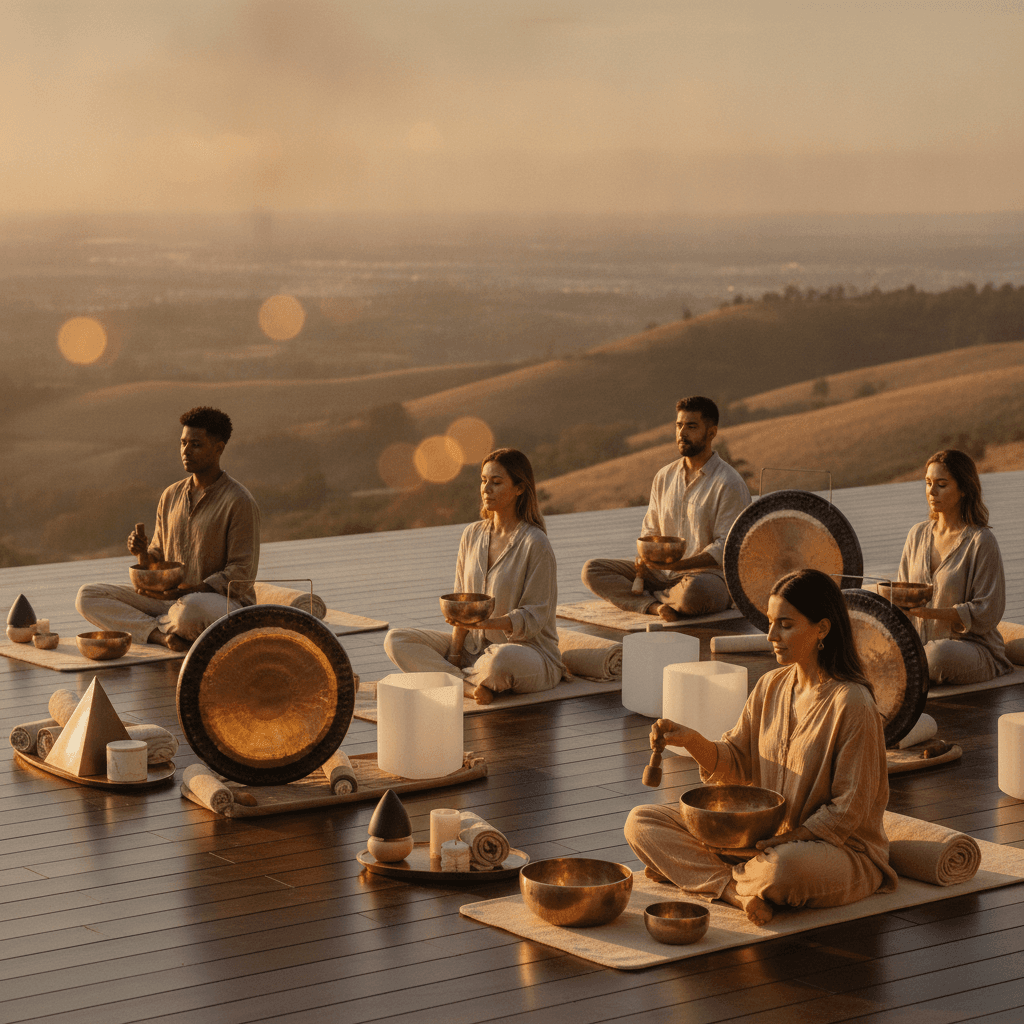
Sound wellness practices work to activate the parasympathetic nervous system, also known as the "rest-and-digest" state. The harmonic frequencies and vibrations produced by instruments like crystal singing bowls and gongs create a soundscape that signals safety to the brain. This helps to:
- Lower Cortisol Levels: Studies suggest that sound meditation and similar practices can significantly reduce the concentration of stress hormones in the body.
- Decrease Heart Rate and Blood Pressure: The calming auditory input helps soothe the cardiovascular system, moving it out of a state of high alert.
- Induce Brainwave Entrainment: This is perhaps the most fascinating aspect. Brainwave entrainment is a phenomenon where the brain's own electrical cycles synchronize with the rhythm of an external stimulus, such as sound. A sound bath intentionally uses specific frequencies to gently guide the brain from the active, analytical Beta state (13-30 Hz) into more relaxed and restorative states:
- Alpha (8-12 Hz): A state of light relaxation, calm awareness, and creative thought.
- Theta (4-7 Hz): Associated with deep meditation, enhanced intuition, and the processing of memories and emotions.
The Data-Driven Case for Sound
The connection between specific frequencies and mental states is an active area of scientific exploration. One intriguing example from the research notes is the study of the “Schumann resonance,” a natural frequency of the Earth's electromagnetic field oscillating at approximately 7.8 Hz. This frequency sits at the border of the Alpha and Theta brainwave states, a rhythm associated with effortless focus and "flow." Researchers are exploring whether exposure to this frequency can help office workers achieve peak concentration more easily.
This aligns with the goals of any People team. Consider these points when building your business case:
- The Cost of Stress: Research has consistently shown that healthcare expenditures are nearly 50% greater for employees who report high levels of stress.
- Quantifiable Outcomes: While the field is still growing, early research and corporate pilot programs are measuring outcomes like stress hormone levels, focus metrics, and creativity scores before and after sound sessions. As noted in Chakra Hours' HR guide, this growing body of evidence is helping to give HR concrete data to justify budgets.
- A Foundational Wellness Tool: Just as ergonomic chairs became standard to support physical well-being, nervous system support tools like sound baths are becoming essential for mental and emotional well-being.
How It Works in Practice: The Sound Wellness Brief Template
A successful proposal is clear, specific, and supported by facts. Use the following structure to create a compelling brief tailored to your organization's unique culture and needs. This approach transforms the idea from an abstract concept into an actionable plan.
Step 1: Define the Problem & Desired Outcomes
Begin by grounding your proposal in your company’s specific challenges. Use internal data from pulse surveys, employee feedback, and absenteeism rates to highlight current issues related to stress, burnout, or engagement.
-
Problem Statement: "Our recent employee survey indicated that 65% of team members feel 'often or always' stressed at work, which correlates with a 15% increase in mental health-related leave over the past year. This presents a significant risk to productivity, innovation, and employee retention."
-
Desired Outcomes & KPIs: Clearly state what you aim to achieve.
- Primary Goal: To introduce a low-effort, high-impact wellness modality to reduce employee stress and improve mental clarity.
- Key Performance Indicators (KPIs):
- Engagement: Target 40% participation in the pilot program.
- Qualitative Feedback: Achieve an average score of 8/10 or higher on post-session surveys asking about relaxation and focus.
- Self-Reported Metrics: Measure a 20% reduction in self-reported stress levels among participants after a three-session series.
Step 2: Propose the Solution & Structure
Detail the "what" and "how" of the program. Sound wellness is incredibly flexible and can be adapted to your needs.
-
Proposed Solution: A series of professionally guided sound bath sessions led by a certified practitioner. Emphasize that this is a passive and inclusive activity, suitable for all employees regardless of age, physical ability, or prior experience with meditation.
-
Program Structure Options:
- Pilot Program (Recommended): A one-month trial with a specific department or employee resource group. This allows you to gather data and build an internal case study. (e.g., Four weekly 45-minute sessions for the Marketing department).
- Company-Wide "Wellness Wednesday": A monthly, optional 60-minute session open to all employees to promote consistent stress management.
- On-Demand Digital Access: Partner with a provider like Soul Art to create a library of pre-recorded sessions that employees can access anytime for mental resets.
Step 3: Outline Logistics & Budget
Address the practical questions your leadership will have.
- Logistics: Sessions can be held on-site in a conference room or multi-purpose space. For remote teams, live virtual sessions are highly effective. Employees simply need a comfortable place to sit or lie down and headphones for virtual experiences.
- Budget: Request a clear budget based on a quote from your chosen provider. Frame this as an investment. For example: "The cost for the four-session pilot program is [$$$]. Based on data from Wellhub, organizations where employees feel their wellbeing is cared for see lower turnover. A reduction of even one employee departure in this department would deliver a positive ROI on this entire program."
The Soul Art Approach: A Curated Corporate Experience
At Soul Art, we understand that a corporate wellness initiative must be professional, seamless, and deliver a tangible impact. Founded by Larissa Steinbach, our studio specializes in translating the ancient practice of sound into a sophisticated, modern wellness experience tailored for the corporate environment of Dubai and beyond.
Our approach is rooted in the science of sound but delivered with an artistic and intuitive touch. Larissa Steinbach and our team of practitioners don't simply perform; we facilitate a journey. Each session is a carefully curated composition of frequencies from world-class instruments, including 99.9% pure quartz alchemy crystal singing bowls, therapeutic gongs, and delicate Koshi chimes. We design the experience to meet your team's specific needs, whether it's to foster creativity, release project-related stress, or cultivate collective calm.
"We don't just play instruments; we curate a vibrational environment. Each frequency is intentionally chosen to guide the nervous system from a state of chronic stress to one of deep coherence and clarity, unlocking the innate potential within every team member." - Larissa Steinbach, Founder of Soul Art
What makes the Soul Art experience unique is our role as strategic wellness partners. We work with you to define goals, measure impact, and integrate the practice into your broader wellness strategy. We provide communication support to build excitement and educate employees, ensuring maximum engagement and benefit.
Your Next Steps: Implementing Sound Wellness in Your Organization
Moving from concept to reality is a clear, step-by-step process. By taking a methodical approach, you can build momentum and demonstrate value at every stage.
Here are four actionable steps you can take today to bring the restorative power of sound to your workplace:
- 1. Gather Your Baseline Data: Administer a simple, anonymous wellness survey. Ask questions about current stress levels, energy, and interest in new wellness modalities. This internal data is crucial for building your case, as highlighted by best practices in evidence-based HR.
- 2. Propose a Small-Scale Pilot: Instead of a full-scale launch, suggest a pilot program for a single team. This minimizes risk, allows you to collect powerful testimonials, and builds an internal case study to support a wider rollout.
- 3. Partner with a Certified Expert: The quality of the experience is paramount. A professional practitioner ensures a safe, effective, and high-caliber session that reflects well on your company. An expert like Larissa Steinbach can also help you design the program and articulate its benefits to leadership.
- 4. Draft and Present Your Brief: Use the template in this article to structure your proposal. Lead with the data, connect the solution to strategic business goals (like retention and productivity), and present a clear, phased implementation plan.
In Summary: An Investment in Your People's Potential
The persistent challenge of workplace stress requires innovative solutions that go beyond the surface. Sound wellness offers a scientifically-grounded, profoundly effective, and universally accessible tool to regulate the employee nervous system, which is the very foundation of well-being, focus, and resilience. By incorporating practices like corporate sound baths, you are not just offering a novel perk; you are making a strategic investment in the mental and emotional capital of your organization.
This framework provides the evidence and structure needed to present a compelling case to your leadership. By championing this modality, you can foster a workplace culture where employees feel genuinely cared for, enabling them to perform at their best.
Bookings Coming Soon
Soul Art is still in preparation. Session details and booking will be published here after launch.
Coming Soon
Related Articles
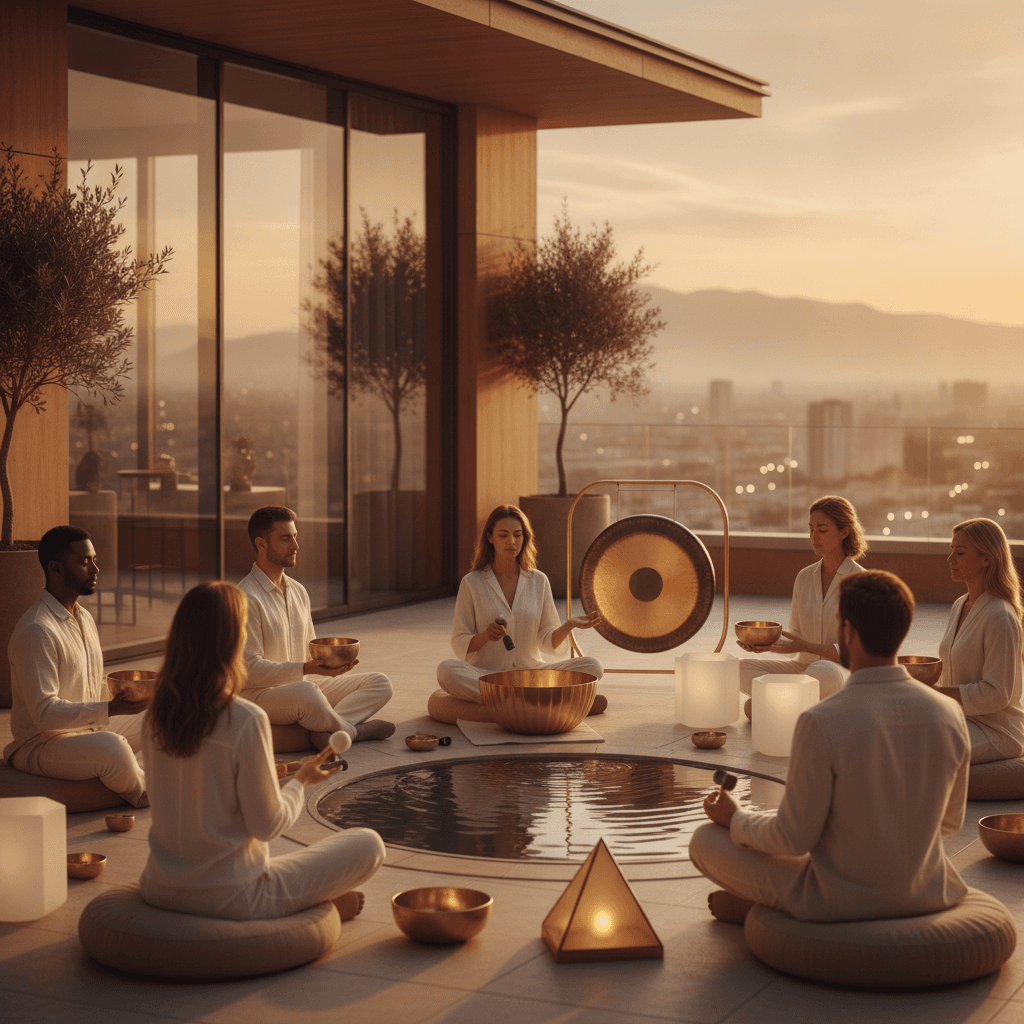
Unlock Corporate Value: The CFO's Guide to Sound Wellness ROI
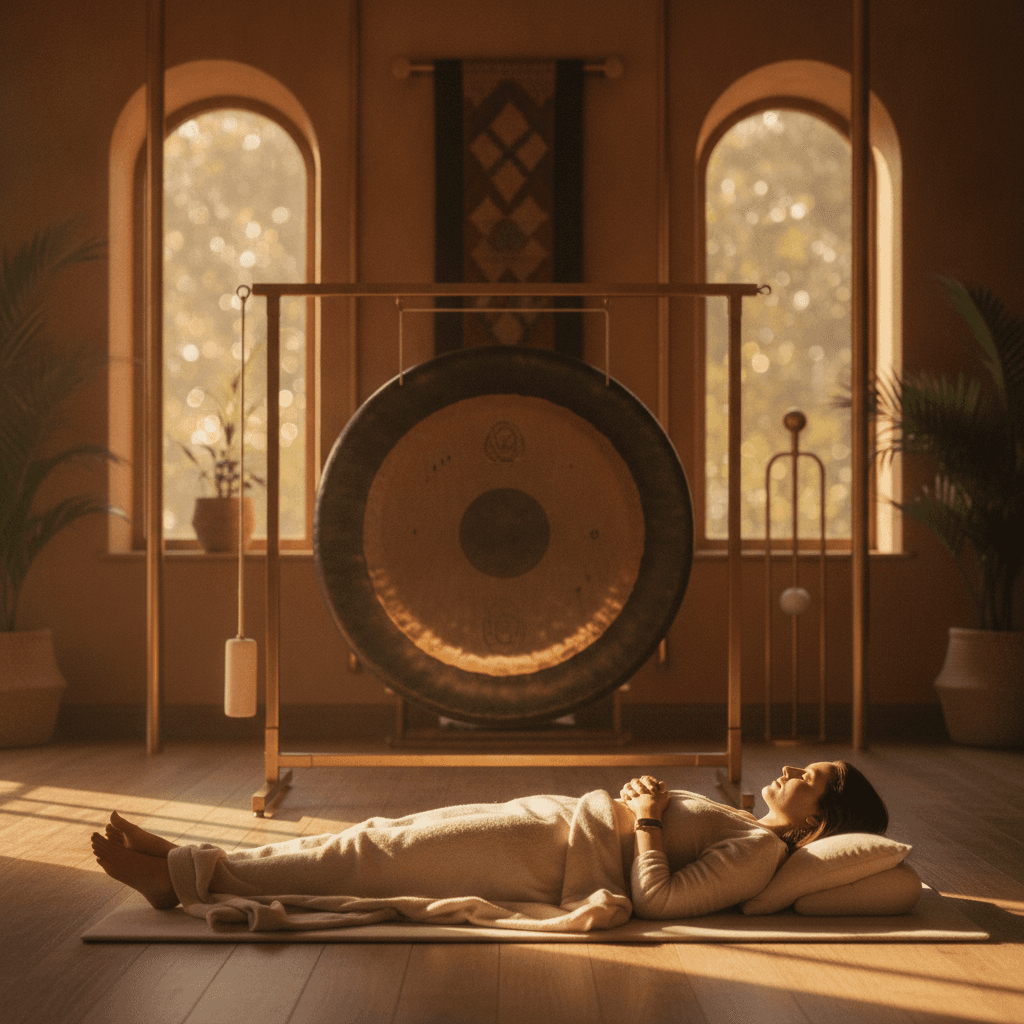
Elevate Team Wellness: Sound Baths, Breathwork & Meditation
Navigating Biometric Data Privacy in Corporate Wellness