Harmonizing Spaces: Sound, Hospitality, and the Art of Welcome at Soul Art
Key Insights
Explore how sound, from calming frequencies to thoughtful acoustic design, cultivates profound feelings of welcome, comfort, and deep relaxation in hospitality and wellness spaces like Soul Art, led by Larissa Steinbach.
Compelling Introduction
Have you ever walked into a new space and instantly felt at ease, a profound sense of belonging washing over you, even before a single word was spoken? Or perhaps, conversely, felt an immediate urge to retreat, an undefined tension settling in your shoulders? While visual aesthetics often capture our immediate attention, it is often a less-obvious sensory input – sound – that profoundly shapes our subconscious perception of welcome, comfort, and safety. The subtle tapestry of ambient noise, deliberate music, or even the absence of disruptive sounds can fundamentally alter our experience.
At Soul Art Dubai, founded by the visionary Larissa Steinbach, we understand that true hospitality extends beyond visible gestures and opulent decor. It delves into the unseen, the unheard, orchestrating an environment that speaks directly to your nervous system. This article will unravel the intricate, scientifically-backed connection between sound, the deep human need for welcome, and how thoughtfully curated sonic environments can foster unparalleled well-being. We will explore how sound, when understood and intentionally applied, transforms a mere space into a sanctuary where every individual feels genuinely received and affirmed, supporting their journey towards deeper relaxation and self-connection.
The Science Explained
Our perception of welcome is not merely a cognitive assessment; it is an affective, embodied experience. Research from an ethnographic study on "Mundane Welcome" highlights that feeling welcomed deeply impacts an individual's sense of identity and self-affirmation. Conversely, an experience of "non-welcome" can challenge one's core sense of self, creating discomfort and even a feeling of being unsafe. In a world often described as a "risk society," where conditional trust is a norm, a truly welcoming environment mitigates perceived risks, allowing individuals to open up and engage.
The Physiology of Sound and Stress
The human body is an incredibly sophisticated receiver of sonic information. Sounds, whether perceived consciously or subconsciously, directly influence our physiological state. When unwanted or disruptive, sound becomes noise, triggering a cascade of stress responses. Studies show that exposure to noise significantly increases our cortisol levels, often referred to as the stress hormone.
This elevation in cortisol has far-reaching effects on our health and well-being. It can impact blood pressure, blood sugar levels, and even cognitive performance, making it harder to focus, process information, and engage effectively. Long-term exposure to high cortisol levels has also been associated with a decrease in immune system functions, underscoring the profound impact of our sonic environment on overall health. Preliminary studies even suggest that loud background noise can distort taste perception, reducing the intensity of sweet and salty flavors while enhancing bitter and sour ones – a testament to sound's pervasive influence on our sensory experience.
The Role of Acoustic Design in Well-being
Given sound's profound impact, intentional acoustic design is not a luxury but a fundamental component of creating truly welcoming and health-supportive spaces. This is especially critical in hospitality settings, where guest satisfaction and comfort are paramount. The goal is to manage the soundscape, distinguishing between desirable sounds and disruptive noise.
Key elements of effective acoustic design include:
- Strategic Material Selection: Incorporating sound-absorbing materials into walls, ceilings, and flooring helps to mitigate reverberation and reduce overall noise levels. This can include specialized acoustic panels, soft furnishings, thick carpets, and even certain types of textured wall coverings.
- Noise Mitigation Strategies: Installing acoustic ceiling treatments can effectively reduce noise from above, while panels on walls decrease sound reflections, enhancing speech intelligibility and creating a calmer atmosphere.
- Minimizing External Disturbances: For spaces like hotel rooms, soundproofing systems are crucial. Research highlights that noise from hallways, adjacent rooms, or even air conditioning units significantly disturbs sleep quality, a primary factor in overall guest satisfaction. A quiet room allows for restorative rest, which is essential for physical and mental well-being.
- Optimized Layout: Careful consideration of spatial layout can also contribute to better acoustics, creating natural sound barriers or allowing for the strategic placement of sound-absorbing elements.
By carefully controlling the acoustic environment, hospitality providers can reduce physiological stress responses, promote relaxation, and cultivate an atmosphere where guests feel genuinely welcomed and at ease. It's about crafting an immersive experience where every auditory input contributes positively to one's sense of calm and belonging.
The Psychology of Welcome and Soundscapes
The concept of soundscape refers to the overall acoustic environment as perceived or experienced by a person in a specific place. A well-designed soundscape can significantly enhance guest satisfaction and behavioral intentions. Research in hospitality design consistently shows that customers respond positively to establishments with a pleasant atmosphere, good design, and comfortable seating, all of which are intrinsically linked to the perceived soundscape.
When the soundscape is harmonious, it supports the archetypal human need for safety and connection. The "Psychology of Hospitality" posits that true hospitality reawakens a sacred connection to the external other and, crucially, to the internal Self. A calm, inviting sonic environment provides the psychological space for this reconnection. Conversely, unpleasant sounds – like the clatter of dishes, loud conversations, or jarring background music – are consistently linked to lower customer satisfaction, even when other aspects like food and service are excellent. Studies indicate that customers will give lower ratings and are less likely to return to noisy establishments, underscoring the direct impact of acoustics on a business's bottom line.
A welcoming soundscape helps affirm the individual's sense of self by providing an environment where they feel respected, heard (or rather, not overwhelmed), and cared for. It fosters a sense of trust, allowing guests to relax their guard and fully immerse themselves in the experience being offered.
How It Works in Practice
The theory of sound's influence on hospitality translates directly into tangible experiences for individuals. Consider the subtle yet powerful differences in how various environments make you feel, often dictated by their sonic qualities. A truly welcoming space meticulously crafts its soundscape, understanding that it's a foundational layer of the guest experience.
Imagine stepping into a luxurious hotel lobby. If greeted by jarring street noise or an echoey, bustling cavern of conversations, the initial impression might be one of overwhelm or tension. However, in a space where ambient music is purposefully curated, where the murmurs of distant conversations are softened, and where natural light might enhance a feeling of openness, your nervous system almost immediately downshifts. The strategic placement of acoustic panels, plush carpeting, and comfortable, sound-absorbing furniture actively works to create this effect, often unnoticed but deeply felt.
In a restaurant, the acoustic environment is paramount, influencing everything from conversation quality to perceived food taste. A romantic dinner can be ruined by excessive noise, forcing diners to strain their voices and compete with background clamor. As studies reveal, customers frequently report negative experiences due to noise, even when food and service are exceptional. They actively share these negative acoustic experiences in online reviews, directly impacting an establishment’s reputation and return patronage. However, in a restaurant with intelligent acoustic design, conversations flow effortlessly, music enhances the mood without overpowering, and the entire dining experience is elevated. The ability to engage in intelligible conversation without effort is a key indicator of a successful soundscape.
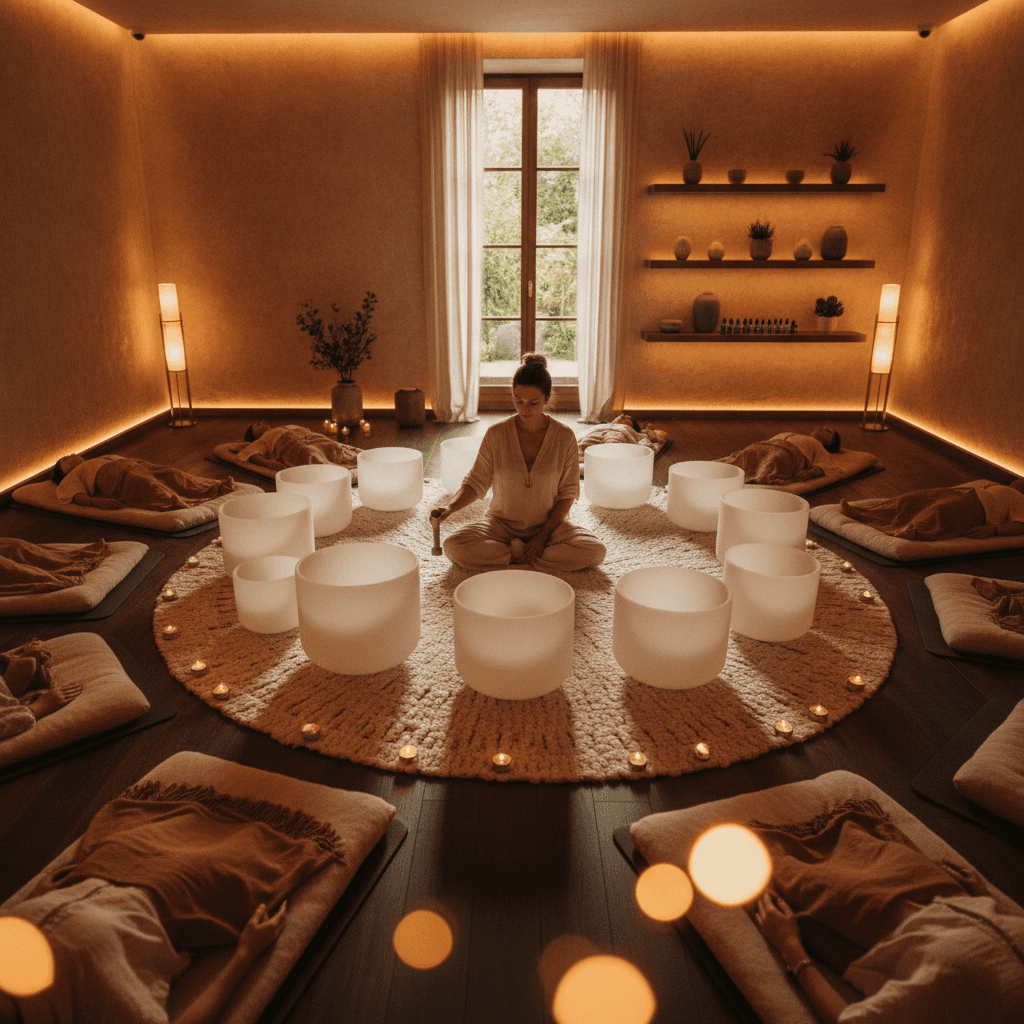
In wellness studios, such as Soul Art, the practical application of sound for welcome and well-being is even more intentional and direct. Here, sound isn't just a background element; it's the primary medium for fostering a deeply restorative experience. Clients entering these spaces are often seeking respite from the cacophony of daily life. A studio that fails to control external noise or creates internal sound disruptions would fail to deliver on its promise of tranquility. Instead, a meticulously designed sound environment provides a safe container, allowing individuals to shed stress and journey inward. This curated sonic sanctuary supports the mind in detaching from external stressors, enabling the body to enter a state conducive to deep relaxation, meditation, and self-reflection. The feeling of welcome here isn't just about being in a pleasant space; it's about being enveloped in an environment specifically designed to support your journey to inner peace.
The Soul Art Approach
At Soul Art Dubai, Larissa Steinbach has cultivated a philosophy that recognizes sound as an elemental force for transformation and profound welcome. Her approach transcends mere aesthetic pleasure, delving into the scientific and energetic properties of sound to create an unparalleled wellness experience. Larissa understands that for deep relaxation and healing to occur, the environment must first foster an absolute sense of safety and belonging. This aligns perfectly with the research highlighting welcome as an affirmation of the self, mitigating the "risk society" anxieties that many carry.
The Soul Art method is built upon a foundation of intentional sound curation and meticulous acoustic consideration. Before any sound is even introduced, the physical space itself is designed to be a sanctuary, a haven from the external world's hustle. This includes careful material selection, strategic room layout, and subtle acoustic treatments that ensure a pristine sonic canvas. This preparation allows the therapeutic sounds to be experienced with maximum clarity and depth, without unwanted interference.
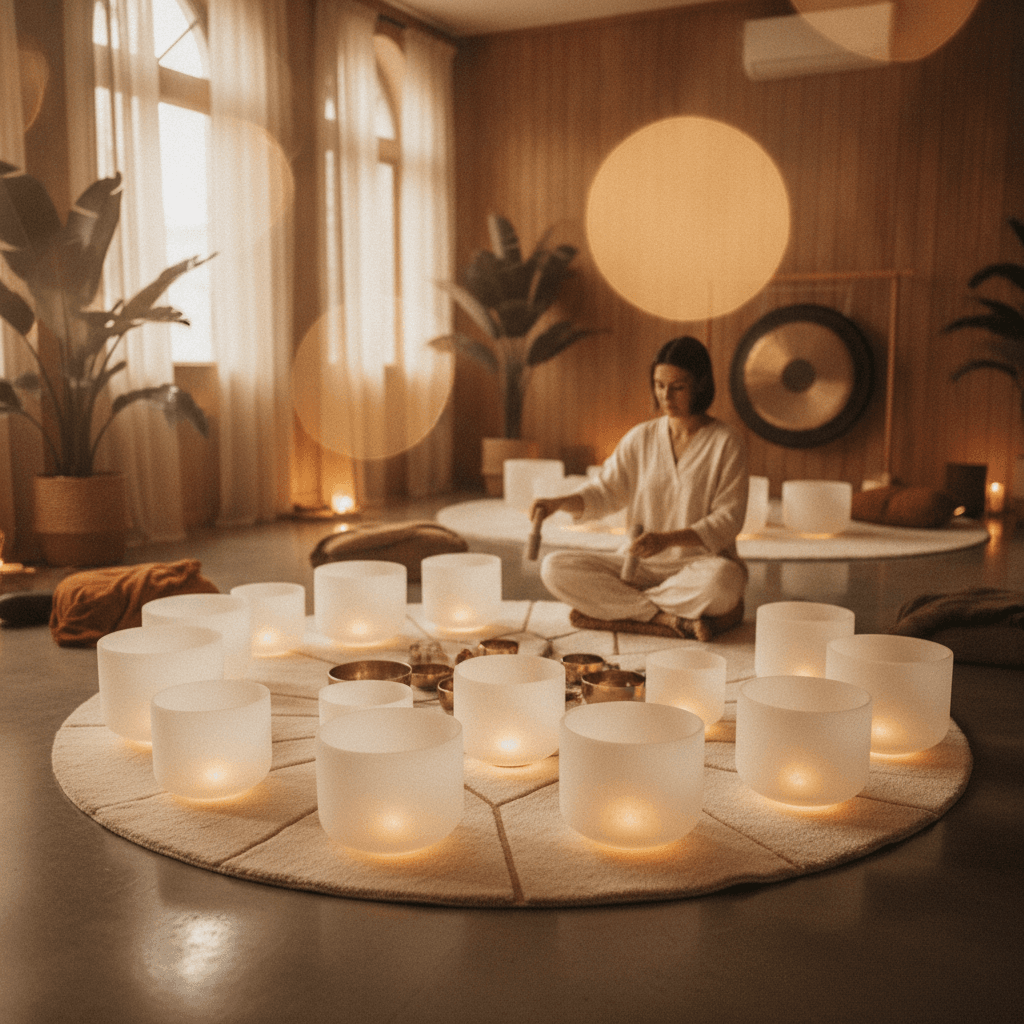
Larissa Steinbach employs a diverse array of sacred instruments, each chosen for its unique vibrational qualities and capacity to resonate with the human body and mind. The Himalayan singing bowls and crystal singing bowls are central to the Soul Art experience. Their pure, sustained tones and rich overtones create powerful resonance, gently guiding the brain into states of deep relaxation, where stress can dissolve and inner peace can flourish. The resonant vibrations from these instruments may support the restoration of balance within the nervous system.
Beyond bowls, gongs are utilized for their expansive, immersive soundscapes, which can facilitate profound releases and journeying states. Other instruments such as chimes, tuning forks, and percussion are integrated to create a multi-layered auditory experience that washes over the individual, encouraging a complete surrender to the moment. The intention behind every session at Soul Art is to create a nurturing, vibrational embrace that deeply affirms each individual, allowing them to feel truly seen, safe, and welcomed into a space of self-discovery and restorative wellness. It's a holistic approach where the power of sound, guided by Larissa's expertise, becomes a profound act of hospitality to the self.
Your Next Steps
Understanding the profound impact of sound on your well-being and sense of welcome empowers you to cultivate more harmonious environments in your daily life. Taking intentional steps to curate your personal soundscape can lead to noticeable improvements in stress levels, focus, and overall mood.
Here are some practical actions you can implement today:
- Mindful Listening: Become aware of the sounds around you. Identify what brings you calm and what creates tension. Start actively seeking out calming natural sounds, like gentle rain or birdsong, and deliberately reducing exposure to jarring noises.
- Curate Your Home Soundscape: Assess the acoustics in your living spaces. Consider introducing soft furnishings, rugs, or even plants to absorb sound. Experiment with ambient music, nature sounds, or quietude to create a personal sanctuary.
- Manage Digital Noise: Be conscious of notification sounds, excessive media consumption, and device volumes. Create "quiet zones" or "digital detox" times to allow your nervous system to reset.
- Prioritize Restorative Silence: In a world filled with constant auditory input, intentional silence can be a powerful tool for self-care. Integrate short periods of quiet reflection into your day to allow your mind to declutter and find peace.
- Experience Professional Sound Wellness: To truly understand the transformative potential of sound, consider immersing yourself in a professionally guided sound wellness session.
"True hospitality begins with creating an environment that whispers 'you are safe, you are valued, you belong' – and often, the most potent whisper comes through sound."
These sessions, like those offered by Larissa Steinbach at Soul Art, provide a deeply immersive experience specifically designed to restore your nervous system and cultivate profound relaxation. It's an invitation to experience the feeling of welcome not just intellectually, but on a cellular level.
Bookings Coming Soon
Soul Art is still in preparation. Session details and booking will be published here after launch.
Coming Soon
In Summary
The feeling of welcome is a deeply embodied experience, profoundly influenced by our sonic environment. Unwanted noise elevates stress hormones and impairs cognitive function, while harmonious sound cultivates safety and affirms our sense of self. Strategic acoustic design and the intentional curation of soundscapes are not merely aesthetic choices; they are powerful tools for enhancing well-being and fostering genuine hospitality. Soul Art, under the guidance of Larissa Steinbach, embodies this understanding by meticulously crafting sonic sanctuaries where individuals can experience deep relaxation and feel truly welcomed on a physiological and psychological level. By consciously engaging with the world of sound, we can transform spaces into havens of peace and belonging, supporting our journey toward holistic wellness.
Wellness Disclaimer: This article is for educational and informational purposes only. It does not constitute medical advice, diagnosis, or treatment. Soul Art Dubai provides non-medical wellness experiences focused on relaxation, stress management, and general wellbeing. Sound wellness is a complementary practice and should not replace professional medical care.
Related Articles

Ramadan Sound Bath: Elevating Well-being with Respect & Science
Celebrate with Sound: Birthday Rituals for Deep Reflection

Beyond the Echo: Mastering Closing Rituals for Sound Journeys