Choosing Your Sound Healing Journey: A Guide to Training Programs
Key Insights
Explore essential criteria for selecting sound healing training programs. Learn about scientific foundations, practical applications, and the unique Soul Art approach with Larissa Steinbach.
Unlocking the Power of Sound: Navigating Your Training Path
Imagine a world where specific vibrations could gently guide your mind into deep relaxation, soothe chronic tension, and restore emotional balance. This isn't a futuristic fantasy, but the ancient wisdom of sound healing, now increasingly validated by modern science. As awareness of its profound benefits grows, so too does the interest in becoming a practitioner in this rapidly expanding field.
However, with the proliferation of courses, discerning the right sound healing training program can feel overwhelming. This comprehensive guide, informed by the expertise at Soul Art, Dubai’s premier sound wellness studio founded by Larissa Steinbach, will illuminate what truly matters. We'll delve into the scientific underpinnings of sound's impact, explore practical applications, and reveal the crucial elements to look for in a high-quality, evidence-informed training program.
Understanding the science, the art, and the ethical considerations is paramount for anyone aspiring to facilitate genuine well-being through sound. This article serves as your compass, ensuring you embark on a training journey that is both enriching and impactful for yourself and those you aspire to serve.
The Scientific Symphony: How Sound Impacts Body and Mind
The age-old practice of sound healing is increasingly being met with robust scientific inquiry. Modern research is beginning to unravel the intricate mechanisms through which sound and vibration positively influence human physiology and psychology. Far from merely a pleasant experience, sound engages complex systems within us, offering measurable benefits.
Understanding Vibrational Resonance
At its core, sound healing operates on the principle of vibrational resonance. Every cell, tissue, and organ in our body vibrates at its own unique frequency. When we are stressed, ill, or out of balance, these natural frequencies can become disrupted. Sound instruments, such as Tibetan singing bowls and gongs, produce powerful vibrations that travel through the air and directly into the body.
Preliminary studies suggest that these external vibrations can help restore harmonious frequencies within the body. Research, including observational studies utilizing multiple gongs and singing bowls, has explored the enigmatic sound and acoustic properties of these instruments, linking them to measures of well-being. This resonant effect is thought to encourage the body's natural healing processes.
The Brainwave Connection: Entrainment Explained
One of the most well-documented mechanisms of sound healing is brainwave entrainment. Our brains produce electrical impulses that vibrate at different frequencies, corresponding to various states of consciousness. Beta waves are associated with alert wakefulness, alpha waves with relaxed awareness, theta waves with deep meditation or sleep, and delta waves with dreamless sleep and regeneration.
Specific sound frequencies, such as those found in binaural beats or the sustained tones of singing bowls, can encourage brainwaves to synchronize with these external rhythms. For instance, several studies have investigated whether the sound of a singing bowl can synchronize meditative brainwaves in listeners, with findings suggesting a potential for acute relaxation. This gentle guidance into states like alpha and theta can lead to profound relaxation, reduced mental chatter, and enhanced clarity.
Research highlights significant correlations between sound healing and improvements in spiritual well-being, alongside reductions in tension and depression. These observed changes are often linked to the ability of sound to shift brainwave states, making deep relaxation more accessible without requiring extensive concentration or prior training, unlike some other forms of meditation.
Hormonal Harmony and Stress Reduction
Sound healing has a remarkable capacity to influence our autonomic nervous system, shifting it from a state of fight-or-flight (sympathetic dominance) to one of rest and digest (parasympathetic dominance). This shift is crucial for stress reduction and overall well-being. When the parasympathetic nervous system is activated, the body naturally lowers heart rate, reduces blood pressure, and decreases the production of stress hormones like cortisol.
Observational studies have reported that singing bowl sound meditation can significantly improve mood, reduce tension, and enhance overall well-being. Furthermore, randomized controlled trials have demonstrated an acute relaxation response induced by Tibetan Singing bowl sounds. These physiological changes underscore sound healing's potential as a powerful tool for managing chronic stress and its associated health challenges.
Cellular Rejuvenation and Biofield Interactions
Beyond macroscopic effects, the impact of sound is also being explored at a cellular level. Early research suggests that sound and vibration may play a role in cellular health and regeneration. John Stuart Reid's compelling work, for example, explores how sound might influence "traumatised cells" that are in a resting or "G0 phase," indicating a potential for sound to reawaken cellular activity.
The concept of the body's biofield—an energy field believed to surround and interpenetrate the physical body—is also gaining attention in sound healing research. A feasibility study on virtually-delivered biofield-based sound healing (Biofield Tuning) reported clinically significant reductions in anxiety levels and improvements in mental health. This groundbreaking research, involving tuning forks, suggests that targeted sound interventions can have substantial effects on whole-person healing, even at a distance.
While the field of sound healing research is still in its infancy, with a recognized paucity of large-scale clinical trials, the preliminary findings are consistently promising. Scientists, doctors, and therapists are increasingly recognizing sound healing as a valuable complementary approach, capable of offering measurable benefits to both body and mind. This scientific validation forms the bedrock of credible sound healing training programs, which must integrate these understandings to prepare effective practitioners.
From Theory to Experience: How Sound Healing Works in Practice
Understanding the science behind sound healing is foundational, but experiencing its effects is where its true power unfolds. In practice, a sound healing session is an immersive journey that transcends mere listening. Clients often describe it as a profound reset, a gentle recalibration that works on multiple layers of their being.
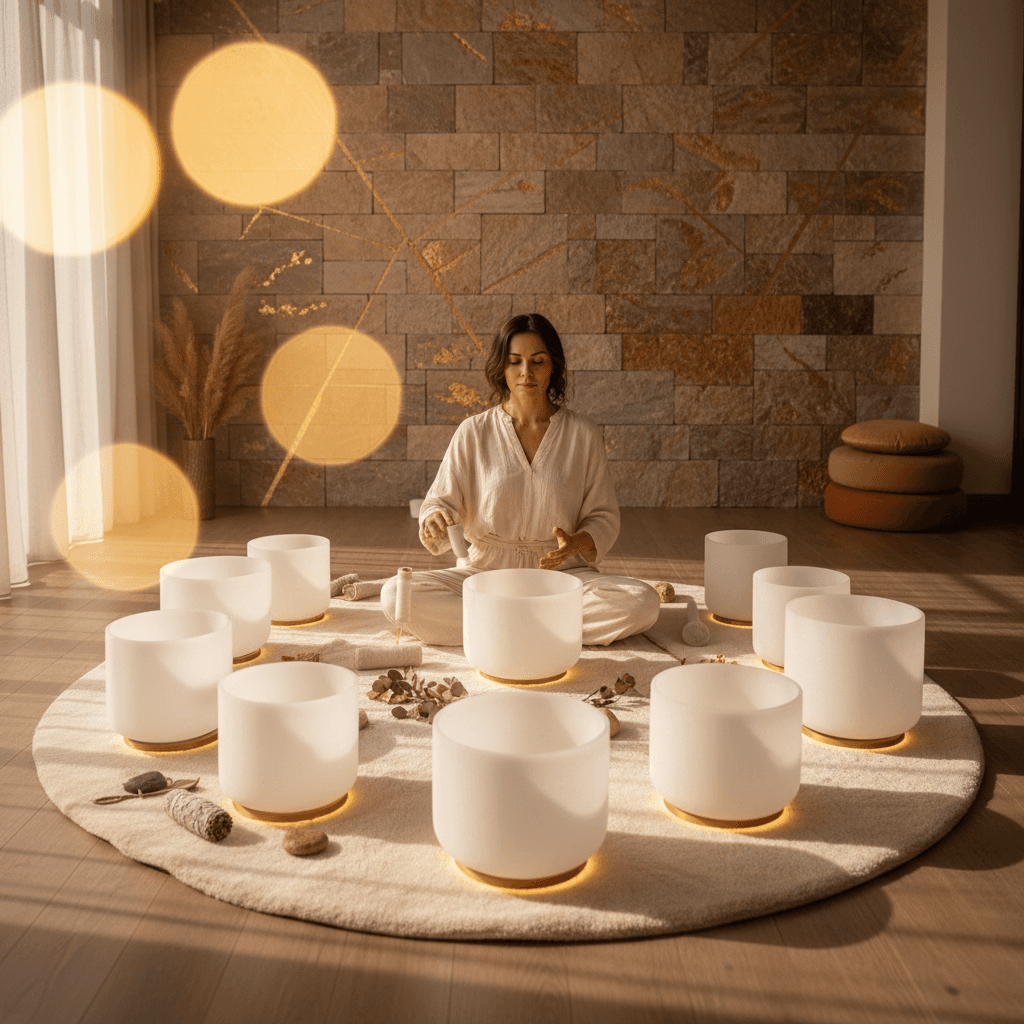
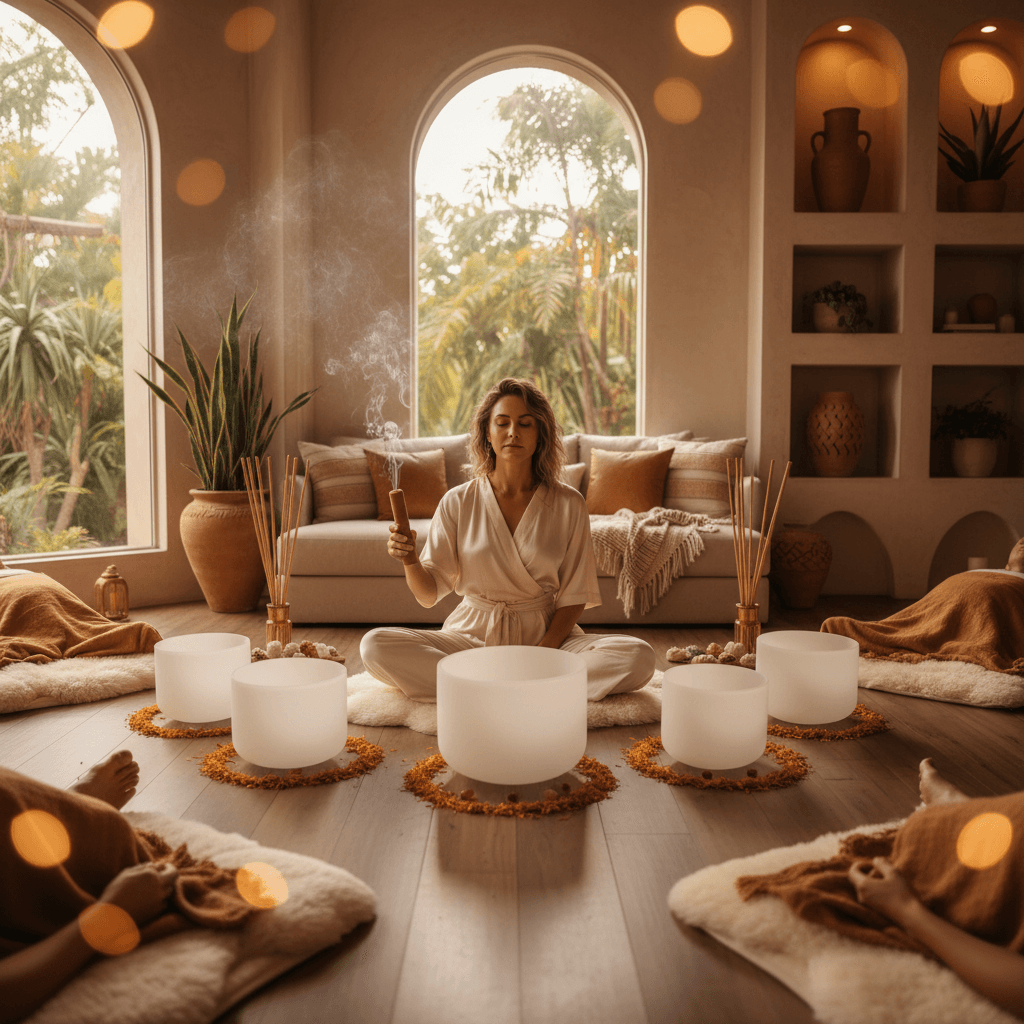
During a typical session, participants lie comfortably, enveloped in a carefully curated soundscape. The practitioner expertly employs a variety of instruments, each chosen for its unique vibrational qualities and therapeutic potential. These can range from the deep, resonating tones of large gongs and crystal alchemy bowls to the precise, targeted vibrations of tuning forks.
The experience is deeply sensory. Clients not only hear the sounds but often feel the vibrations permeate their body, creating a subtle internal massage. The rich overtones and sustained frequencies induce a state akin to deep meditation, even for those who find traditional meditation challenging. As the sounds wash over them, mental chatter often subsides, replaced by a sense of calm and clarity.
"The beauty of sound healing lies in its effortless nature. It doesn't require concentration or training to reap its benefits; the sound does the work, gently guiding you into states of deep relaxation and inner peace."
Many people report a wide range of experiences during and after a session. Physically, tension may release from muscles, pain may diminish, and the breath often deepens, signaling a shift into the body's natural relaxation response. Emotionally, sound can facilitate the gentle release of stagnant feelings, leading to a sense of emotional lightness and renewed perspective. Spiritually, some individuals describe feelings of connection, insight, and an expanded sense of self, referencing an improvement in spiritual well-being often correlated with reductions in stress and depression.
The role of the sound healing practitioner is not merely to play instruments, but to create a sacred and intentional space. They hold the energetic container, guiding the session with intuition and skill, ensuring a safe and transformative experience. This practical application of theoretical knowledge, combined with empathetic presence, is what truly defines an effective sound healing practitioner. The goal is always to support the client in accessing their innate capacity for self-regulation and healing, fostering an environment where deep restorative processes can naturally occur.
The Soul Art Approach: Larissa Steinbach's Vision for Sound Wellness
At Soul Art, Dubai's premier sound wellness studio, Larissa Steinbach has meticulously crafted an approach that harmonizes ancient vibrational wisdom with contemporary scientific understanding. Her vision is to provide a sanctuary where individuals can experience profound well-being, guided by an evidence-informed and deeply empathetic practice. The Soul Art method is distinctive, embodying a quiet luxury in its delivery and a deep commitment to transformative experiences.
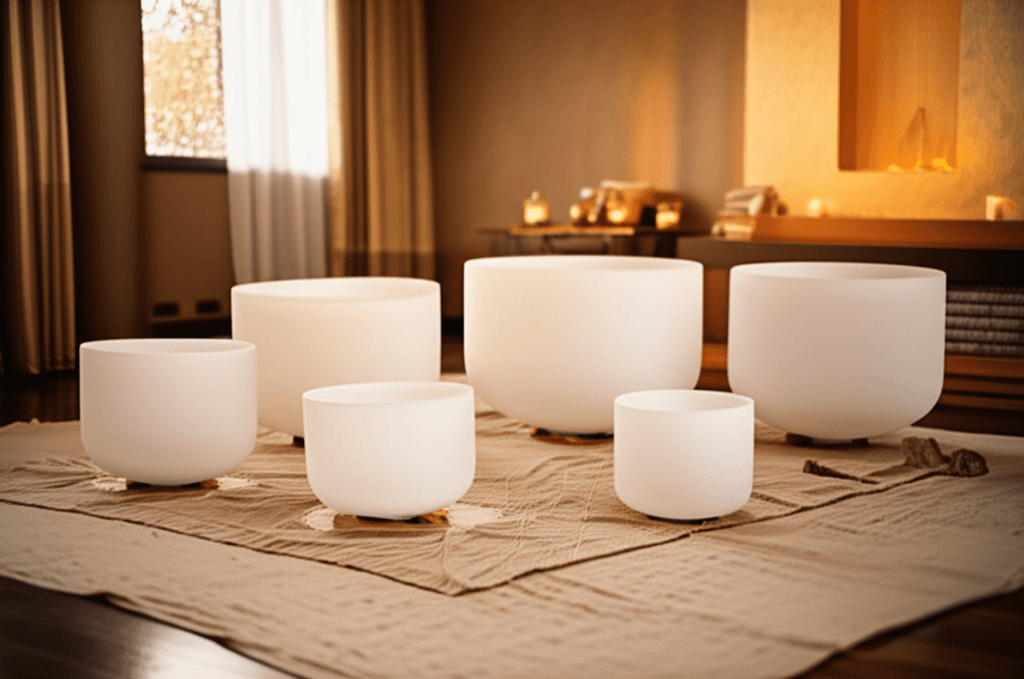
Larissa Steinbach’s philosophy centers on the premise that true well-being arises from a balanced nervous system and a harmonious inner state. To achieve this, Soul Art sessions are designed to be more than just passive listening experiences; they are carefully curated journeys into self-discovery and restorative healing. The studio meticulously selects and utilizes instruments chosen for their exceptional purity of tone and therapeutic efficacy. This includes pristine Crystal Alchemy Bowls, whose ethereal frequencies are known for their profound impact on emotional and energetic bodies, alongside large, deeply resonant Gongs that create an immersive, full-body vibrational experience.
A cornerstone of the Soul Art approach is the intelligent integration of Biofield Tuning forks. These precision-calibrated instruments are utilized with specific protocols to gently support the body's electromagnetic field, or biofield. Larissa's method emphasizes conscious intention and skilled application, ensuring that each vibration is delivered with purpose and integrity, enhancing the body's innate ability to self-regulate and release energetic blockages that may contribute to stress or dis-ease.
What truly sets Soul Art apart is its dedication to personalized wellness. While group sound baths offer a powerful collective experience, Larissa Steinbach also emphasizes the potential of individualized sessions. This allows for a tailored approach, addressing specific client needs and fostering a deeper connection to their personal healing journey. The tranquil, luxurious environment of the Soul Art studio further amplifies the experience, creating a serene space where profound relaxation and introspection can flourish.
Larissa's ongoing commitment to professional development and staying abreast of the latest research ensures that Soul Art's practices are continually refined. This dedication to excellence underpins every session, reflecting her belief that genuine transformation is fostered through an informed, compassionate, and highly intentional application of sound. It is this blend of ancient art, modern science, and heart-centered practice that defines the Soul Art experience.
Navigating Your Path: What to Look For in Sound Healing Training Programs
As interest in sound healing flourishes, so does the array of training programs available. For those drawn to become practitioners, choosing the right educational path is crucial for building a credible, ethical, and effective practice. Here are key considerations and actionable steps to guide your selection, ensuring you invest in a program that truly prepares you for this rewarding field.
Prioritize Evidence-Based Curriculum
The most reputable programs are those that integrate scientific research into their core teachings. Look for curricula that explain the neuroscience, physiology, and physics behind sound's effects, rather than solely relying on anecdotal evidence. The International Sound Therapy Association (ISTA), for instance, vets education institutes based on "evidenced based" criteria, looking for instructional materials rooted in research. This ensures you understand why sound works, not just how to use it. Seek programs taught by "published thought leaders" or those "rooted in evidence-based principles."
Seek Comprehensive Skills and Instrument Training
A quality program will offer a balanced blend of theoretical knowledge and extensive practical application. Ensure it covers a diverse range of instruments—such as singing bowls, gongs, tuning forks, and voice—and teaches proper technique for each. Look for training that includes not just playing, but also the ethical considerations of client interaction, how to conduct client intake, and how to tailor sessions for various physical, mental, and emotional issues, as highlighted by programs like the Advanced Sound Therapy Certificate offered by Globe Institute.
Evaluate Instructor Expertise and Experience
The caliber of your instructors profoundly impacts your learning. Research their backgrounds, experience, and any contributions they've made to the field. Are they active practitioners? Do they have a strong foundation in related disciplines such as music therapy, complementary medicine, or psychology? Programs that feature "established speakers" and practitioners with years of experience will offer invaluable mentorship and insights.
Consider Program Structure and Certification
Assess whether the program offers sufficient hours for comprehensive learning. For instance, ISTA Certified Therapeutic Sound Practitioners must complete a minimum of 200 hours of training. This can be a single program or a combination. Look for programs that offer clear pathways to certification and provide ongoing support or continuing education opportunities. Consider if in-person, online, or hybrid formats best suit your learning style and lifestyle.
Explore Mentorship and Community Support
The journey to becoming a proficient sound healer benefits greatly from mentorship and a supportive community. Does the program offer opportunities for peer interaction, supervised practice, or continued guidance after completion? A strong community fosters ongoing learning, sharing of experiences, and ethical development within the practice.
By carefully evaluating these aspects, you can confidently choose a sound healing training program that not only equips you with the necessary skills but also aligns with the highest standards of integrity and scientific understanding. Before committing to a training, many aspiring practitioners find it invaluable to experience professional sound healing sessions themselves, to truly understand the profound depth of this wellness modality.
Bookings Coming Soon
Soul Art is still in preparation. Session details and booking will be published here after launch.
Coming Soon
In Summary: Investing in Your Sound Healing Future
Sound healing is emerging as a powerful, scientifically-backed complementary practice that offers profound benefits for stress reduction, emotional balance, and overall well-being. From brainwave entrainment to cellular resonance, the mechanisms through which sound impacts us are increasingly understood and appreciated. For those feeling called to facilitate these transformative experiences, choosing the right training program is a pivotal decision.
A superior sound healing education prioritizes evidence-based curricula, comprehensive hands-on instruction, and experienced instructors. It equips you not only with the skills to use instruments but also with the understanding to ethically and effectively support clients. By selecting a program that aligns with these rigorous standards, you invest in your future as a credible and impactful sound wellness practitioner.
At Soul Art, Larissa Steinbach embodies these principles, offering experiences rooted in both ancient wisdom and modern science. We invite you to explore the profound potential of sound healing firsthand. Discover a path to deeper relaxation and holistic harmony, and perhaps, uncover your own journey to becoming a guide in this captivating field.
Wellness Disclaimer: This article is for educational and informational purposes only. It does not constitute medical advice, diagnosis, or treatment. Soul Art Dubai provides non-medical wellness experiences focused on relaxation, stress management, and general wellbeing. Sound wellness is a complementary practice and should not replace professional medical care.
Related Articles
Unlock Deeper Healing: Recording Your Own Sound Journeys with Soul Art
Water Consciousness: Sound's Subtle Influence on H2O for Wellness
The Silent Symphony: Plant Bioacoustics & Human Wellness