Harmonize Body & Mind: The Power of Dance Meditation
Key Insights
Explore dance meditation: a scientific blend of mindful movement, sound, and rhythm for holistic wellness and deeper self-connection at Soul Art Dubai.
Could the simple act of moving your body to sound, with mindful intention, unlock profound levels of emotional intelligence, reduce stress, and even enhance brain health? For centuries, cultures across the globe have intuitively understood the powerful connection between rhythm, movement, and the human spirit. Today, modern science is increasingly validating what our ancestors knew, shedding light on the intricate mechanisms by which "Dance Meditation" serves as a transformative wellness practice.
At Soul Art, Dubai's premier sound wellness studio, we explore the potent synergy of sound and movement, inviting you to discover a unique path to holistic well-being. This article delves into the scientifically-backed benefits of dance meditation, examining how this integrated approach, pioneered by our founder Larissa Steinbach, can cultivate a deeper connection with yourself and the world around you. Prepare to understand how embracing mindful movement can lead to a more harmonious and joyful existence.
The Neuroscience of Embodied Movement and Sound
The human body is a marvel of complex systems, intricately linked with our emotions and cognitive processes. Dance meditation harnesses this inherent connection, utilizing structured and free-form movement alongside curated soundscapes to create a powerful feedback loop that nurtures both mind and body. This practice is far more than just exercise; it is an exploration of interoception, emotional regulation, and neural plasticity.
The Mind-Body Connection in Motion
Our emotions are often described with bodily sensations: a "heavy heart" or "butterflies in the stomach." Research suggests that the ability to accurately perceive these internal bodily signals, known as interoception, is a cornerstone of emotional and social intelligence. A compelling study from UC Berkeley found that seasoned meditators, particularly those practicing Vipassana or mindfulness, exhibited a significantly stronger mind-body bond compared to those without such training. They were more attuned to their internal physiological responses, such as breathing and heartbeat, while experiencing emotions.
Interestingly, this study also indicated that dancers focused solely on precise muscle control did not necessarily demonstrate a stronger mind-body connection than others, underscoring the vital role of mindfulness in embodied practices. This highlights a crucial distinction: while dance is movement, dance meditation intentionally integrates mindfulness, shifting the focus from external performance to internal awareness. Through this mindful integration, participants may cultivate heightened somatic awareness, bridging the gap between physical sensation and emotional understanding. The practice may support individuals in becoming more aware of their body's subtle cues, fostering a deeper connection that is often dissociated in modern life.
The Power of Rhythm and Auditory Stimulation
Music is an intrinsic part of the human experience, deeply intertwined with our lives and, naturally, with movement-based practices. As individuals engage in dance meditation, the auditory cortices in their brains become highly active due to the constant input of music. This auditory stimulus often precedes and guides the movement, creating a dynamic interplay between sound and physical expression. The specific choice of music is vital, carefully selected to achieve particular results tailored to the individuals' needs and the session's objectives.
The rhythm and syncopation within the music are recognized as two primary elements that profoundly influence an individual's movement. The beat pattern in a musical piece instinctively encourages a dancer's body to move in correspondence, creating a harmonious dialogue between sound and motion. Harvard Medical School highlights this as a "pleasure double play": music actively stimulates the brain's reward centers, releasing feel-good neurochemicals, while dance simultaneously activates the sensory and motor circuits. This dual stimulation not only elevates mood but also encourages the development of new neural connections, particularly in brain regions associated with executive function, long-term memory, and spatial recognition.
Psychosocial and Cognitive Benefits
The impact of dance and movement extends far beyond physical conditioning, reaching deep into our psychological and cognitive well-being. Preliminary research, such as studies on Dance/Movement Therapy (DMT), consistently points to a range of positive psychosocial outcomes. For instance, new research from Drexel University indicates that DMT may foster empathy, cultivate positive peer relationships, and enhance cultural self-efficacy within cross-cultural contexts. Participants in these programs often report significant improvements in both intra- and interpersonal connections, alongside increased emotional and social intelligence. Key elements like mirroring and rhythmic movement, inherent in dance meditation, likely play an important role in developing group cohesion and understanding, leading to these beneficial psychosocial shifts.
Furthermore, the cognitive advantages of dance are compelling. A 2003 study published in the New England Journal of Medicine by researchers at the Albert Einstein College of Medicine demonstrated that dance can significantly improve brain health, particularly in areas related to executive function and memory. Harvard Medical School also notes that dance may help reduce stress levels and increase the production of serotonin, a hormone associated with feelings of well-being. This multifaceted stimulation, engaging both creative and analytical brain functions, makes dance a robust activity for supporting cognitive vitality throughout life.
A large systematic review with meta-analyses from the University of Sydney, published in Sports Medicine, suggests that structured dance, regardless of genre, can be as effective as, and occasionally more effective than, other physical activities for improving a range of psychological and cognitive outcomes. These benefits include enhanced emotional well-being, reduced symptoms of depression and anxiety, increased motivation, improved social cognition, and certain aspects of memory. These positive findings were observed across diverse age groups, from younger populations to older adults and even individuals with clinical conditions, underscoring the broad applicability of dance as a wellness tool.
Specifically, the effectiveness of dance interventions is most evident in domains such as self-efficacy, anxiety reduction, depression mitigation, motivation, and health-related quality of life, particularly benefiting older individuals. For younger populations, preliminary evidence suggests that dance appears to be superior to other forms of exercise in lessening the impact of somatization, which is the expression of psychological distress as physical symptoms. Another systematic review published on PubMed concluded that adults who participated in dance interventions showed a reduction in symptoms of depression, anxiety, and stress compared to control groups, indicating a positive contribution to mental health regardless of the dance style.
How It Works in Practice
Dance meditation is an invitation to explore your inner landscape through the language of movement and sound, free from judgment or the need for perfect form. It is not about choreography or performance; it is about presence, listening to your body, and allowing authentic expression to emerge. At Soul Art, we cultivate a space where this exploration feels natural, safe, and deeply personal.
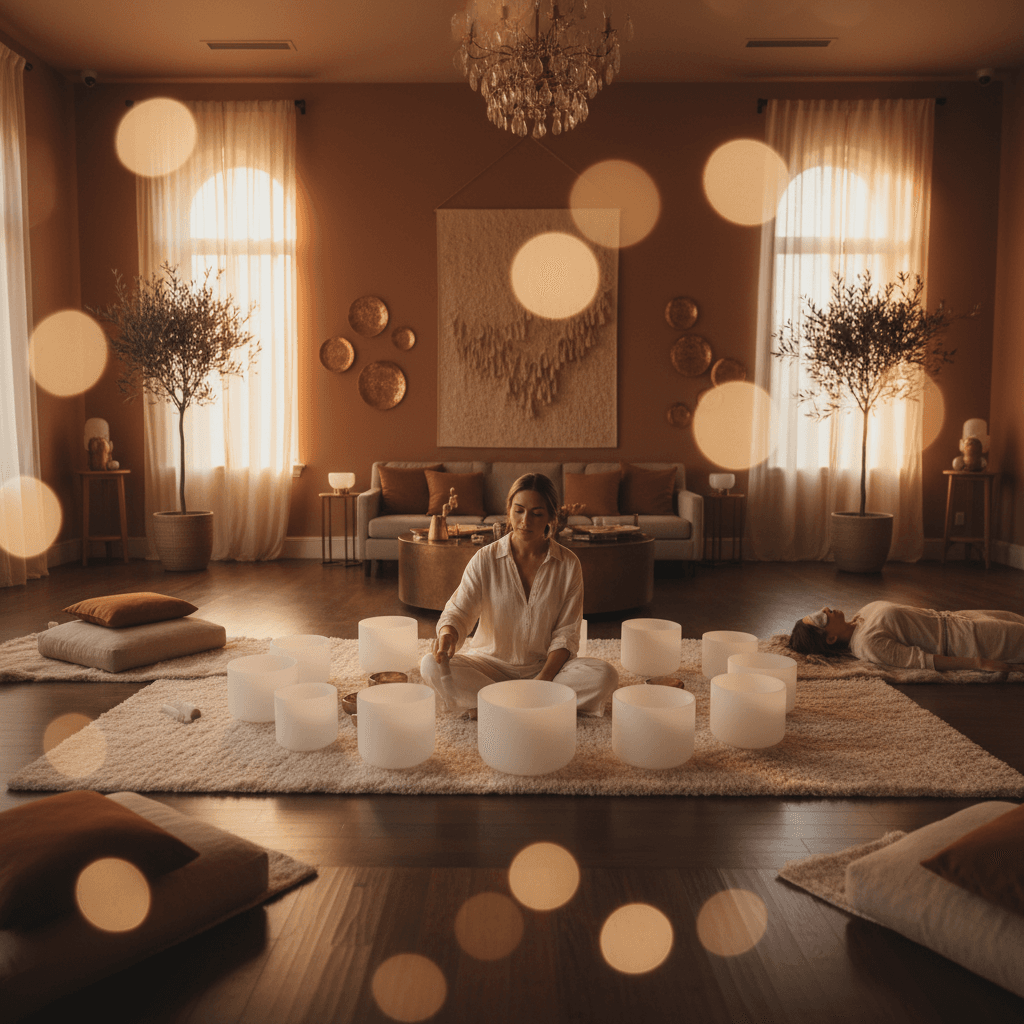
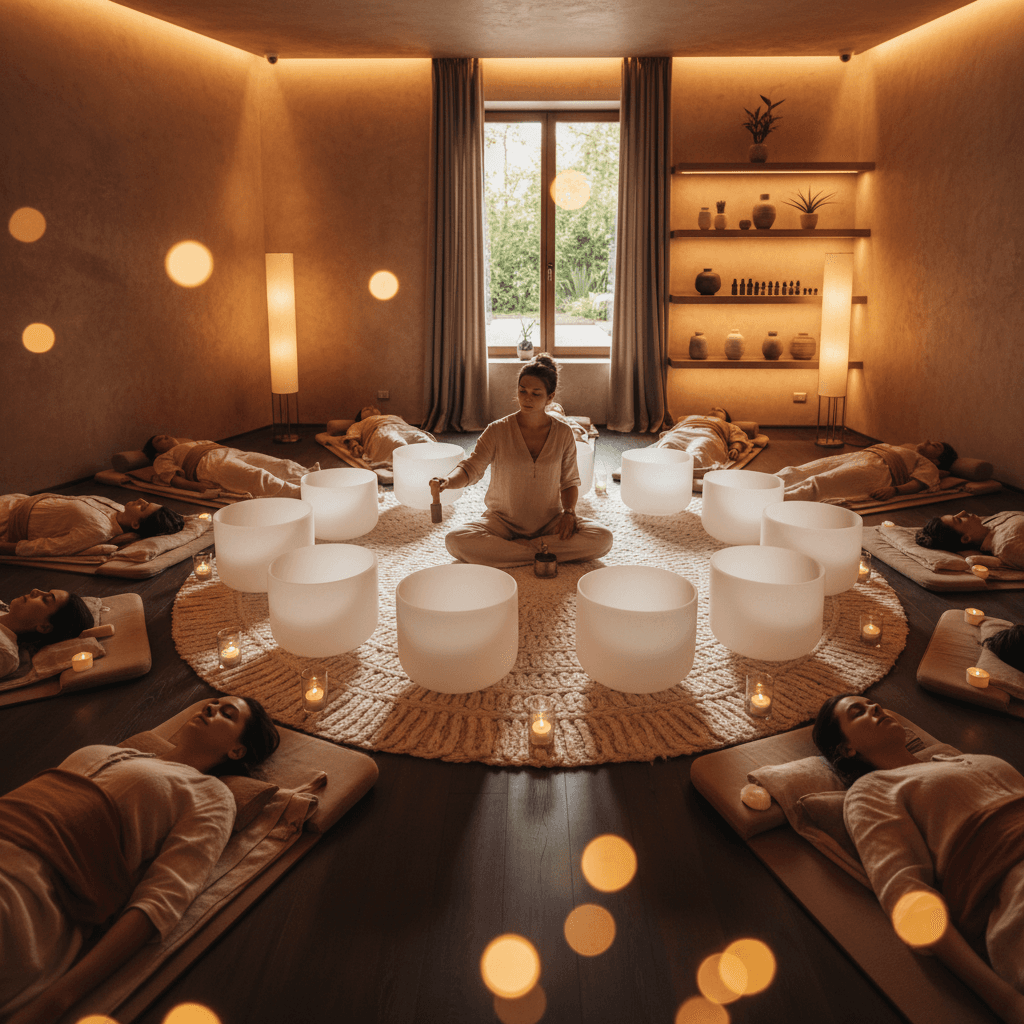
A typical session often begins with gentle guidance, encouraging participants to become aware of their breath and the subtle sensations within their bodies. As the carefully curated soundscape begins – perhaps starting with grounding Earth tones from crystal bowls or the expansive resonance of gongs – individuals are invited to move in ways that feel natural and authentic to them. This might involve slow, fluid stretches, rhythmic swaying, or more expansive, spontaneous movements, all driven by internal impulse rather than external instruction. The music acts as a supportive companion, offering a canvas of sound upon which each person paints their unique movement story.
The beauty of dance meditation lies in its ability to facilitate a release of stagnant energy and emotions. As the body moves, tension held within muscles may begin to soften, and emotions that were perhaps suppressed can gently surface and be processed. This embodied release is a powerful form of stress reduction, allowing the nervous system to downregulate from a state of fight-or-flight to one of calm and restoration. Many people report a profound sense of liberation and clarity following such a session, feeling lighter and more connected to their authentic selves.
Connecting theory to real-world application, dance meditation actively engages the principles of embodied mindfulness. Rather than intellectualizing emotions, participants learn to feel them in their bodies, observing sensations without judgment. This deep dive into interoception, the awareness of one's internal state, is enhanced by the combination of focused movement and resonant sound. The practice provides a tangible pathway to integrate mind and body, making abstract concepts of wellness feel truly accessible and impactful.
The Soul Art Approach
At Soul Art, Larissa Steinbach has meticulously crafted a unique approach to sound and movement that transcends traditional boundaries, creating a sanctuary for profound self-discovery and holistic well-being. Our method seamlessly integrates the scientific principles of dance meditation with the therapeutic power of sound healing, offering an experience designed for deep resonance and transformation. Larissa's vision is rooted in creating a space where every individual feels empowered to explore their inner world with curiosity and compassion.
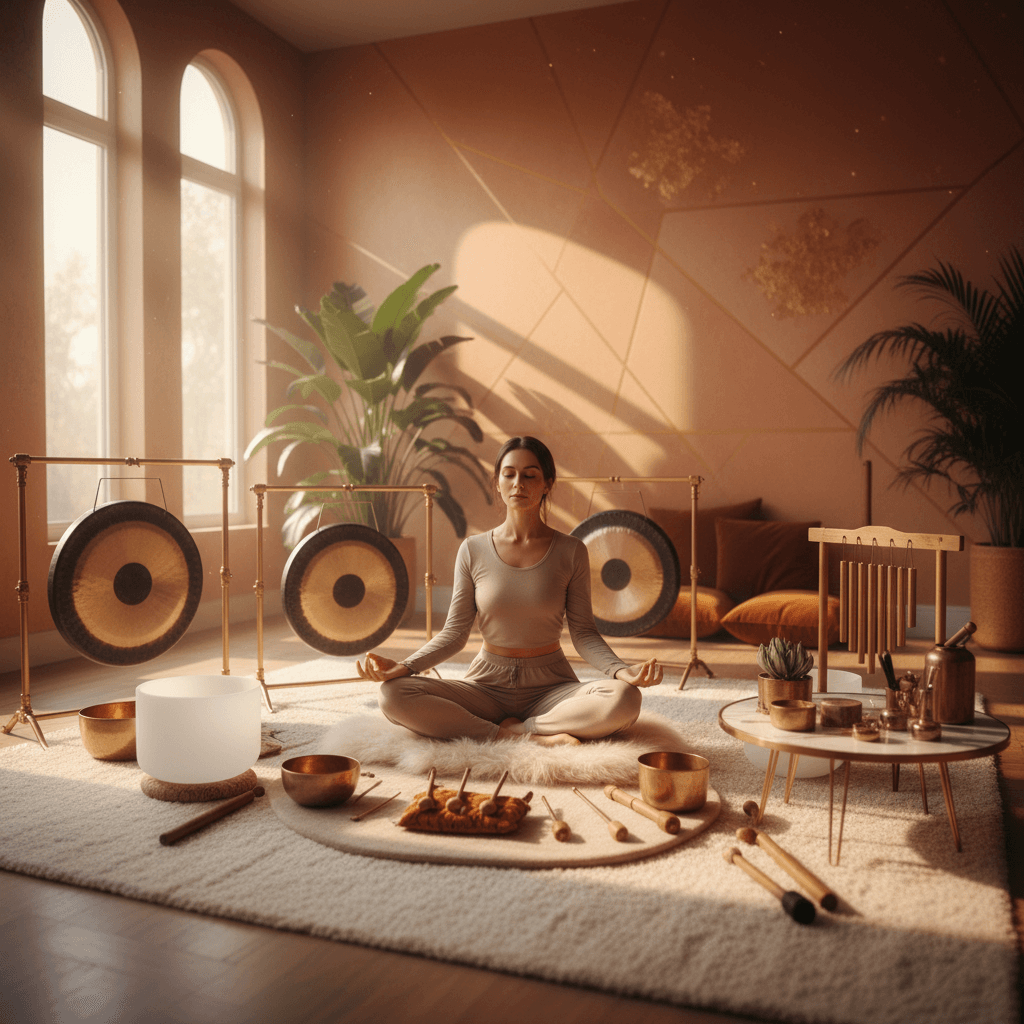
What makes the Soul Art method truly unique is its thoughtful fusion of mindful movement with a rich tapestry of resonant frequencies. We incorporate a diverse array of sacred sound healing instruments, including symphonic gongs, Himalayan singing bowls, crystal bowls, chimes, and other percussive elements. These instruments are not merely background music; they are carefully played to generate specific frequencies and vibrations that envelop participants, enhancing the meditative state and encouraging deep relaxation and emotional release during movement. The sound acts as a guide, inviting the body to move with a profound sense of purpose and freedom.
Larissa Steinbach's expertise lies in her ability to intuitively weave these elements together, creating bespoke sound journeys that complement and amplify the mindful movement experience. Sessions at Soul Art are intentionally designed to be non-performative and inclusive, welcoming individuals of all movement abilities and backgrounds. The emphasis is always on internal experience, fostering a safe and non-judgmental environment where participants can freely express themselves, listen to their bodies, and connect with their inner wisdom.
The "quiet luxury" ethos of Soul Art is evident in every detail – from the serene ambiance to the expert facilitation. It is a refined, intentional approach to wellness that prioritizes deep restoration and authentic connection. Through the unique sound-infused movement practices offered by Soul Art, individuals may discover enhanced self-awareness, reduced stress, and a renewed sense of vitality, all guided by the gentle yet powerful frequencies curated by Larissa Steinbach and her team.
Your Next Steps
Embarking on a journey with dance meditation does not require prior experience, a dancer's physique, or any specific skills beyond a willingness to explore. It's a practice designed to meet you exactly where you are, offering a gentle yet profound path to deeper self-connection and well-being. Here are some actionable steps you can take to begin integrating mindful movement into your life today:
- Start Small and Simple: Begin by simply putting on a piece of music you love and allowing your body to move freely, without judgment or expectation. Focus on how the rhythm feels in your body, rather than how your movements look.
- Prioritize Intention Over Perfection: Remember, dance meditation is not about performing or perfecting steps; it's about connecting with your inner self. Your intention to be present and mindful is far more important than any specific movement.
- Listen to Your Body's Wisdom: Pay close attention to what your body needs. Some days it might crave gentle swaying, other days more expansive movements. Honor these signals and allow your body to guide the flow.
- Explore Guided Sessions: Consider joining a guided dance meditation or mindful movement class. A facilitator can offer prompts and create a supportive environment, especially helpful for beginners.
- Integrate Sound Intentionally: Experiment with different types of instrumental music, sound baths, or even natural soundscapes to see how they influence your movement and emotional state.
"The body is your temple. Movement is your prayer. Sound is your blessing."
Ready to experience the transformative power of sound and movement in a uniquely curated environment? Soul Art invites you to explore dance meditation sessions designed to harmonize your body and mind, guiding you towards profound relaxation and self-discovery.
In Summary
Dance meditation stands as a powerful testament to the holistic interconnectedness of our being, merging mindful movement with the profound resonance of sound. It is a wellness practice increasingly validated by scientific research, demonstrating its capacity to foster emotional intelligence, build positive social connections, reduce stress, and enhance cognitive function. By embracing this practice, individuals may cultivate a deeper sense of self-awareness, improve interoception, and release emotional blockages, leading to greater overall well-being.
At Soul Art, Larissa Steinbach has thoughtfully integrated these principles, offering a unique blend of guided movement and deeply resonant soundscapes. Her innovative approach provides a sanctuary for exploration, inviting you to connect with your innate rhythm and discover the transformative power of mindful expression. Experience a journey of revitalization and profound harmony, curated specifically to support your well-being.
Bookings Coming Soon
Soul Art is still in preparation. Session details and booking will be published here after launch.
Coming Soon
Wellness Disclaimer: This article is for educational and informational purposes only. It does not constitute medical advice, diagnosis, or treatment. Soul Art Dubai provides non-medical wellness experiences focused on relaxation, stress management, and general wellbeing. Sound wellness is a complementary practice and should not replace professional medical care.
Related Articles
Sound & Nutrition: Cultivating Mindful Eating in Dubai
Cold Plunge & Sound: Elevating Recovery for Mind & Body
Cryotherapy & Sound: The Ultimate Recovery Protocol