Restoring Serenity: Deep Sleep Recovery for New Parents with Soul Art

Key Insights
New parents face years of sleep deprivation. Discover science-backed strategies and how Soul Art Dubai, founded by Larissa Steinbach, supports recovery.
The journey into parenthood is often described as one of life's most profound transformations, filled with unparalleled joy and deep love. Yet, it also ushers in a period of significant challenge, particularly concerning sleep. Emerging research paints a stark picture: new parents may face up to six years of sleep deprivation, with the most severe impact felt around three months postpartum. This isn't merely about feeling tired; it's a systemic depletion that affects cognitive function, emotional stability, and overall quality of life.
At Soul Art, Dubai's premier sound wellness studio, we understand the unique pressures new parents face. This comprehensive article delves into the science of sleep deprivation recovery, offering insights into why "catching up" isn't so simple, and how holistic wellness practices can offer profound support. We will explore how dedicated self-care, particularly through sound wellness guided by our founder, Larissa Steinbach, can create a sanctuary for genuine restoration amidst the beautiful chaos of new family life. Understanding this profound shift is the first step toward reclaiming your well-being.
The Science of Sleep Deprivation in New Parenthood
The profound impact of new parenthood on sleep is well-documented, extending far beyond the initial newborn phase. Studies reveal that the reduction in sleep quality and quantity can persist for years, fundamentally altering parents' physiological and psychological states. This isn't just an inconvenience; it's a critical factor in overall well-being.
The Unseen Burden: How Parenthood Rewires Sleep
Research published in the journal Sleep highlights the long-term nature of this challenge. A study tracking thousands of adults in Germany found that sleep quality hits its lowest point approximately three months after birth, with mothers often experiencing a more pronounced effect. While sleep gradually improves as children grow, parents' night-time rest often never quite returns to its pre-parenthood baseline, even after six years. Dr. Sakari Lemola, a co-author of the research, notes that parental responsibilities evolve; children may stop crying at night but still wake due to sickness or nightmares, and the stress of parenthood itself significantly impacts sleep.
An Australian study, published in PLOSone, further corroborates this by tracking the sleep quality of new mothers. It revealed that moms experienced medically-significant levels of sleepiness even 18 weeks after birth. This persistent exhaustion occurs despite average sleep durations that might seem adequate on paper (around seven hours and 20 minutes for Australian moms at six weeks), primarily because the sleep is frequently interrupted.
It's also crucial to recognize that fathers are not immune to this sleep disruption. A study published in PMC by the NIH found that fathers experience sleep changes similar to mothers in the postpartum period. They report less night sleep, more wakefulness after sleep onset (WASO), and greater fatigue compared to their partners' pregnancy. In fact, fathers sometimes obtain less total sleep than mothers, though they might report similar or better sleep quality due to different sleep needs or coping mechanisms. Fathers also often return to work sooner, removing opportunities for daytime naps and adding job-related stress to their already fragmented sleep patterns.
The Physiological Toll: Beyond Just Feeling Tired
Chronic sleep deprivation carries significant physiological and psychological consequences that extend beyond simple fatigue. The body and mind rely on adequate rest for repair, consolidation, and regulation. When this is consistently lacking, various systems begin to falter.
The impact on cognitive performance is substantial. Scientific studies have shown that insufficient sleep negatively affects decision-making, rational thinking, and reaction speed. Research published in PLOS ONE demonstrated that after a period of partial sleep deprivation, only reaction speeds recovered to baseline after one week of catch-up sleep, while other behavioral, locomotor, and neurophysiological measures did not show similar improvement. This suggests that the neurobehavioral consequences of chronic sleep loss are not easily overcome and persist longer than expected. For new parents, who are responsible for the safety and well-being of a delicate infant, compromised cognitive function is a serious concern, particularly for tasks like driving.
Emotional regulation is also profoundly affected. The Sleep Foundation highlights that caregivers who sleep less often experience higher levels of stress and have difficulty regulating emotions. This can manifest as increased irritability, mood swings, and less positive parenting behaviors. This link creates a challenging cycle where stress exacerbates sleep issues, and poor sleep amplifies stress.
Furthermore, there is a strong association between sleep deprivation and mental health challenges. The link between sleep disturbances and conditions like depression and anxiety is well-established. For new mothers, poor sleep quality has been associated with an increased risk of postpartum depression (PPD) and other psychiatric disorders. An Australian review of over 100 international studies even suggested that one-third of PPD cases might be attributed to the mother's need for sleep. This risk extends to fathers as well, who report similar levels of sleep disturbance and fatigue, increasing their vulnerability to mood issues. Beyond clinical conditions, insufficient sleep can lead to chemical and hormonal imbalances, impacting overall emotional stability and potentially mimicking symptoms of mental health conditions.
Finally, chronic sleep loss can compromise immune function, making parents more susceptible to illness, and affect metabolic health. The body repairs itself and produces essential hormones during sleep. Consistent disruption to this process can lead to a cascade of negative health outcomes. The myth of "making it up later" for chronic sleep loss is precisely that—a myth—as true recovery takes far longer than anticipated, underscoring the importance of proactive and consistent support.
Reclaiming Rest: Practical Pathways to Recovery
Given the profound and enduring effects of sleep deprivation on new parents, the pathway to recovery is multifaceted and requires a shift in perspective. It's less about trying to "catch up" on lost hours—which studies suggest is largely ineffective for comprehensive recovery—and more about adopting strategies that support the nervous system, enhance sleep quality, and foster consistent, albeit incremental, restoration.
New parents often describe themselves as being in a "shell-shocked, sleep-deprived, zombie-like state," a testament to the profound physical and mental toll. This isn't merely a feeling; it's a reflection of a nervous system perpetually on high alert. The body, constantly primed for the baby's needs, struggles to downregulate, making deep relaxation elusive even when an opportunity for rest arises. The immediate goal, then, is not necessarily to achieve eight consecutive hours of sleep—which may be unrealistic—but to introduce moments of profound calm and rest into the day.
This is where the concept of "micro-recovery" becomes vital. Even short periods of dedicated relaxation can significantly impact the nervous system, shifting it from a sympathetic (fight-or-flight) state to a parasympathetic (rest-and-digest) state. This involves conscious efforts to create pockets of peace, however brief. For example, rather than viewing a baby's nap time as an opportunity to frantically clean, parents might consider lying down for 20-30 minutes, even if sleep doesn't occur. The intention of rest itself can be therapeutic.
Consider the difference between sleep quantity and sleep quality. While new parents undeniably struggle with quantity, improving the quality of the sleep they do get is paramount. This means making the sleep environment as conducive to rest as possible—dark, cool, and quiet—and engaging in calming rituals before attempting to sleep. Reducing exposure to screens, practicing gentle stretches, or simply sitting in quiet contemplation for a few minutes can signal to the body that it's time to transition into rest.
Clients often share their struggles with incessant racing thoughts, a common byproduct of elevated stress and fragmented sleep. During moments of rest, the mind may continue to replay the day's events, plan for the next feeding, or worry about the baby. This mental chatter prevents the deeper brainwave states (alpha and theta) associated with true relaxation and restorative sleep. The practice of focusing on sensory details—the warmth of a blanket, the gentle rise and fall of breath, the absence of external noise—can help anchor the mind in the present moment, gradually quieting the internal dialogue.
Ultimately, recovery for new parents is a continuous journey of conscious self-care and nervous system regulation. It's about acknowledging that the challenges are real and significant, and actively seeking out practices that support the body's innate ability to find balance. It involves being kind to oneself, accepting limitations, and understanding that every small step towards peace contributes to overall well-being.
"Parenthood introduces a unique kind of exhaustion, one that transcends mere physical tiredness. It’s a weariness woven into the very fabric of the nervous system, demanding not just sleep, but a deep, resonant calm to truly restore."
The Soul Art Sanctuary: A Holistic Path to Rest with Larissa Steinbach
At Soul Art, we recognize that the path to sleep deprivation recovery for new parents requires more than just trying to get more sleep; it demands a holistic approach to nervous system regulation and deep relaxation. Our studio, founded by Larissa Steinbach, offers a sanctuary designed to address the profound stress and physiological imbalances associated with new parenthood, utilizing the therapeutic power of sound wellness. This is a complementary wellness practice focused on cultivating inner peace and supporting the body's natural restorative processes.
Larissa Steinbach's expertise lies in creating immersive sound experiences that gently guide the body and mind into profound states of relaxation. The Soul Art method is unique because it combines scientific understanding of brainwave states with an intuitive, empathetic approach tailored to the needs of exhausted parents. Our sessions are not medical treatments but rather dedicated periods of self-care, allowing parents to momentarily release the constant vigilance and overwhelm that define their daily lives.
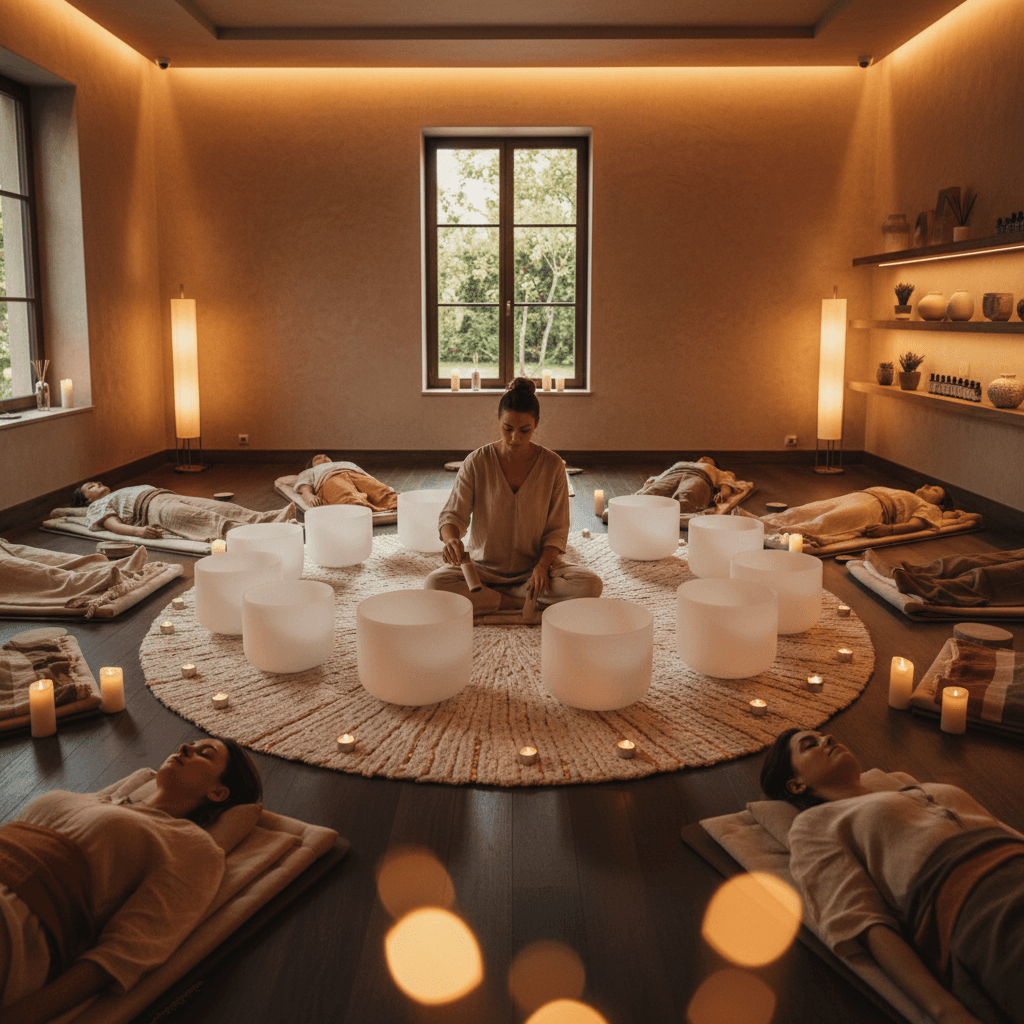
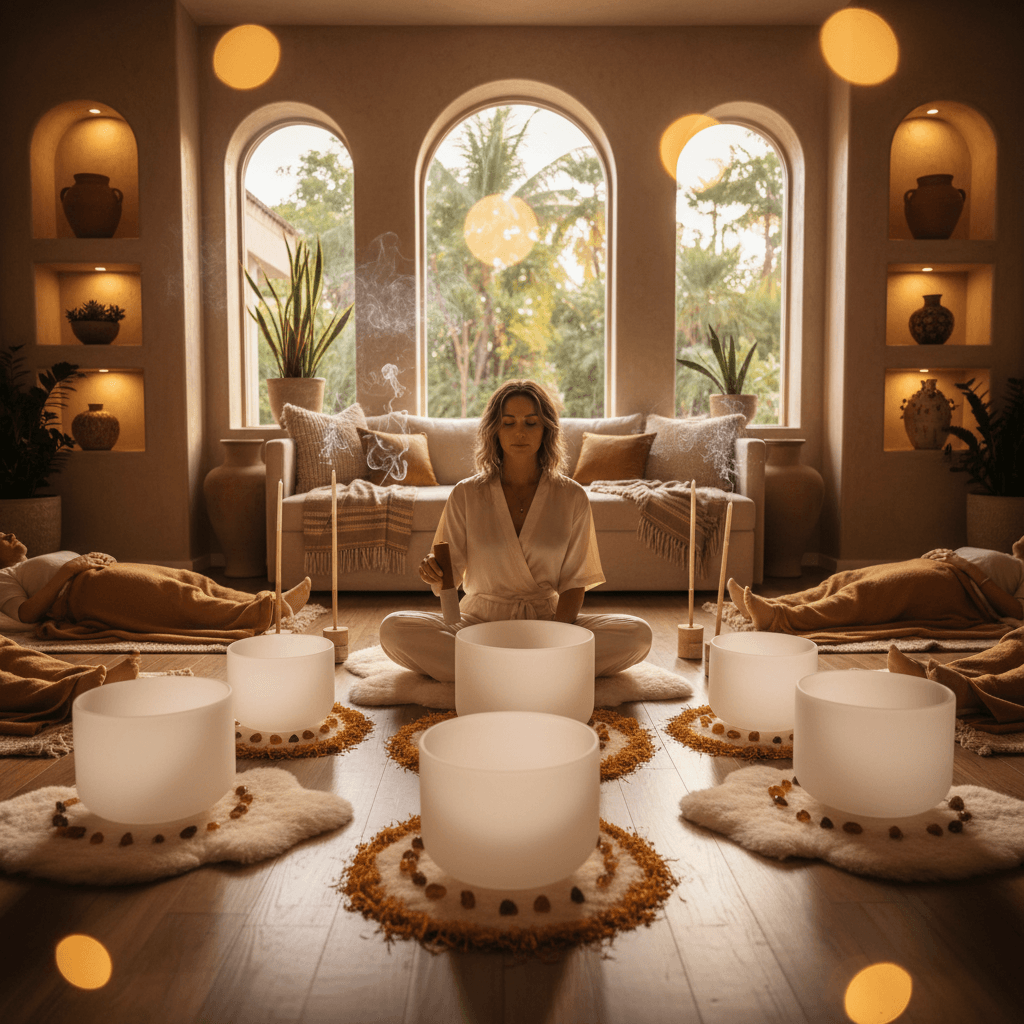
During a sound wellness session at Soul Art, clients recline in a comfortable, supportive environment. Larissa Steinbach skillfully employs a range of instruments, including resonant gongs, precision-tuned singing bowls, gentle chimes, and therapeutic tuning forks. These instruments produce specific frequencies and vibrations that interact with the body's energy field, encouraging a shift in brainwave activity. Many people report transitioning from a beta state (awake, alert, often stressed) to alpha and theta states (relaxed, meditative, conducive to deep rest).
This shift in brainwave activity has been associated with several key benefits for sleep deprivation recovery:
- Nervous System Regulation: The deeply calming vibrations may support a reduction in sympathetic nervous system activity (our "fight or flight" response) and enhance parasympathetic activity (our "rest and digest" mode). This physiological shift is crucial for mitigating the chronic stress response that keeps new parents perpetually wired.
- Mental Quietude: The immersive nature of the soundscape provides a focal point, helping to quiet the incessant mental chatter and worry that often plagues exhausted minds. This can facilitate a deeper, more undisturbed form of rest, even if it's not traditional sleep.
- Enhanced Sleep Quality: While Soul Art sessions are not a substitute for sleep, the deep relaxation achieved may support improved sleep onset and depth when parents do have the opportunity to rest later. Many people report feeling more refreshed and less anxious after a session, which can contribute to better quality sleep at home.
- Emotional Release: The supportive environment and soothing frequencies can also create space for emotional processing and release. The subtle vibrations may help to clear emotional blockages, leaving clients feeling lighter and more centered.
At Soul Art, we believe that investing in these moments of profound calm is not a luxury, but a necessity for new parents. It's about providing a designated time and space where they can actively choose to prioritize their own well-being, allowing their nervous system to reset and recharge under the gentle guidance of Larissa Steinbach. This complementary approach offers a powerful tool for stress management and holistic wellness, significantly supporting the journey back to a more rested and resilient self.
Cultivating Calm: Immediate Steps for New Parents
Navigating the waters of new parenthood while severely sleep-deprived requires intentional and compassionate self-care. While professional support, like that offered at Soul Art, can provide profound respite, there are also immediate, actionable steps new parents can integrate into their daily lives to support their recovery. These practices focus on maximizing existing rest opportunities and regulating the nervous system.
Here are 3-5 practical pieces of advice you can implement starting today:
- Prioritize "Micro-Rests" Over "Productivity": When your baby sleeps, resist the urge to tackle chores or catch up on work. Instead, prioritize your own rest. Lie down, even if you don't sleep. Close your eyes, listen to calming music, or practice a short guided meditation. These brief periods of intentional downtime are crucial for nervous system regulation and can significantly reduce feelings of overwhelm.
- Optimize Your Sleep Environment, Even for Short Stretches: Make your bedroom a sanctuary of calm. Ensure it's dark, cool, and as quiet as possible. Even if you're only getting a few hours of fragmented sleep, a comfortable and serene environment signals to your body that it's time to rest, potentially improving the quality of those short sleep windows.
- Actively Ask for and Accept Help: New parents often feel immense pressure to do it all. Delegate tasks like cooking, cleaning, or running errands to trusted friends, family, or partners. Allowing others to support you frees up precious time and mental energy, which can then be redirected towards your own rest and recovery. This is not a sign of weakness, but a vital strategy for resilience.
- Integrate Mindful Breathing into Your Day: Throughout the day, take short breaks to practice deep, diaphragmatic breathing. Inhale slowly through your nose, letting your belly expand, and exhale even more slowly through your mouth. This simple practice, even for just a few minutes, can activate your parasympathetic nervous system, helping to lower heart rate, reduce stress, and promote a sense of calm.
- Consider Dedicated Self-Care with Sound Wellness: Beyond daily adjustments, consider incorporating dedicated wellness practices like sound healing into your routine. A session at Soul Art offers a structured opportunity for deep relaxation and nervous system reset. It’s a powerful way to recharge and gain perspective, providing benefits that ripple into your daily life.
Taking these steps is an act of self-compassion, not selfishness. A more rested and regulated parent is better equipped to navigate the joys and challenges of raising a child. Embrace these practices as essential components of your well-being.
In Summary: Reclaiming Your Well-being
The journey of new parenthood is often characterized by profound love, yet it simultaneously presents one of life's most significant sleep challenges. Research clearly indicates that new parents face years of sleep deprivation, impacting everything from cognitive function and emotional regulation to mental health. The notion of simply "catching up" on lost sleep is largely a myth; true recovery demands consistent, holistic strategies focused on nervous system support and enhancing the quality of available rest.
At Soul Art, founded by Larissa Steinbach, we offer a unique sanctuary for this vital restoration. Through scientifically-informed sound wellness sessions, we guide parents into deep meditative states, helping to regulate the nervous system and cultivate profound calm. This complementary approach supports mental clarity, emotional balance, and ultimately, a more resilient and present parenting experience. Prioritizing self-care is not a luxury; it is a necessity for navigating the beautiful, demanding landscape of new family life.
Bookings Coming Soon
Soul Art is still in preparation. Session details and booking will be published here after launch.
Coming Soon
Wellness Disclaimer: This article is for educational and informational purposes only. It does not constitute medical advice, diagnosis, or treatment. Soul Art Dubai provides non-medical wellness experiences focused on relaxation, stress management, and general wellbeing. Sound wellness is a complementary practice and should not replace professional medical care.
Related Articles
HRT & Sound Therapy: A Synergistic Path to Hormonal Well-being

Nurturing Implantation: Sound Wellness During the Two-Week Wait
Womb Healing: Deep Feminine Restoration at Soul Art Dubai