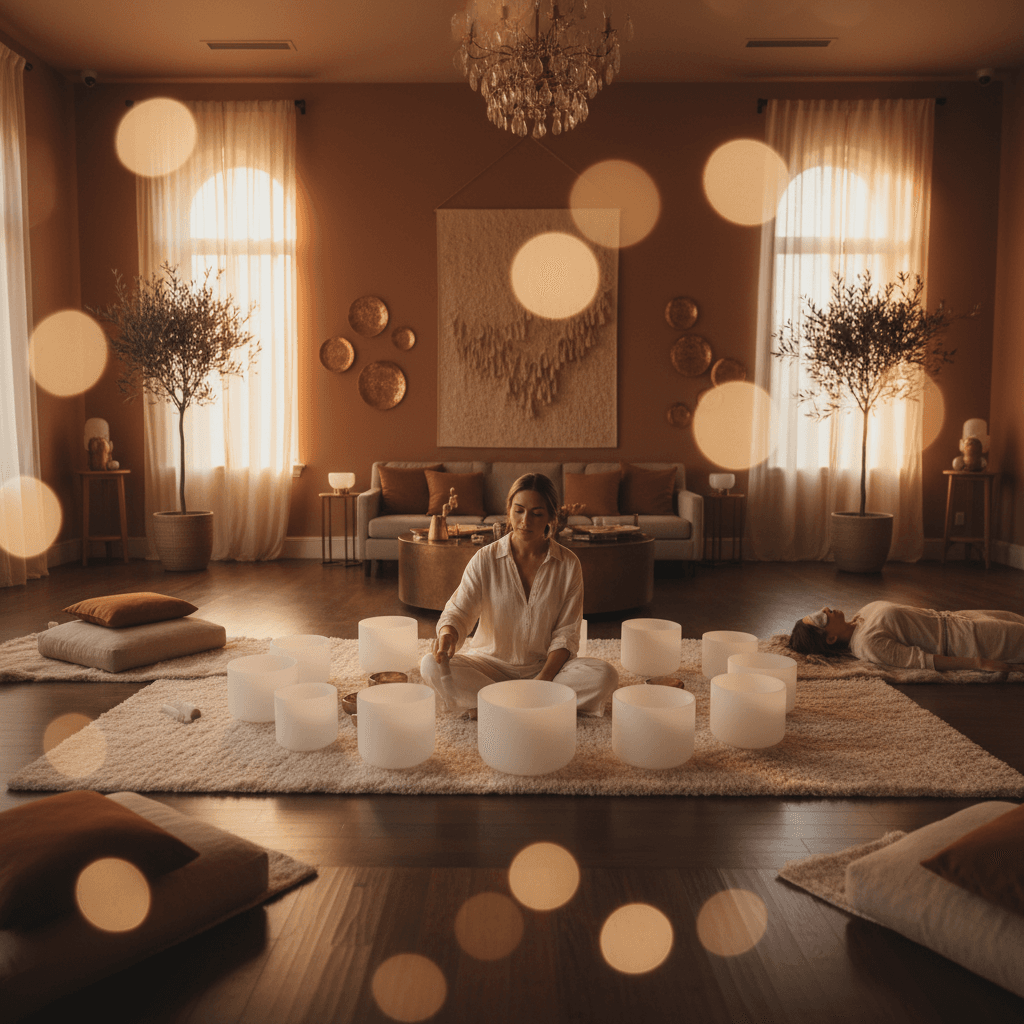
Embracing Seasonal Sound Transitions for Holistic Well-being
Key Insights
Explore the profound science behind seasonal sound transitions and how sound wellness, guided by Larissa Steinbach at Soul Art Dubai, harmonizes our internal rhythms.
Have you ever noticed how your playlist subtly shifts with the changing seasons, or how the very air around you seems to hum a different tune from one month to the next? It's not just your imagination. Our planet, in its intricate dance of seasons, orchestrates a symphony of "seasonal sound transitions" that profoundly influence our environment, our mood, and our overall well-being. At Soul Art, we delve into the deep, often unheard, connections between these sonic shifts and our inner landscape.
This article will journey through the fascinating science of how soundscapes evolve with the seasons, from the subtle whispers of biophony to the grand chorus of geophysical shifts. We'll explore the profound impact these transitions have on our physiology and psychology, revealing why we instinctively crave certain sounds at different times of the year. Finally, we'll uncover how Larissa Steinbach and the dedicated team at Soul Art harness this ancient wisdom and cutting-edge understanding to offer bespoke sound wellness experiences, helping you navigate the energetic ebbs and flows of the year with grace and inner harmony. Prepare to listen in on a new world – the world of sound as a powerful guide for seasonal living.
The Science Explained
The world around us is an ever-changing soundscape, a dynamic tapestry woven from biological, geophysical, and even anthropogenic elements. Scientists are increasingly recognizing these "sonophases" – discrete seasonal sonic patterns – as vital indicators of broader ecological shifts. Understanding these patterns is key to appreciating how deeply intertwined we are with the rhythms of our environment.
The Earth's Acoustic Rhythm: Sonophases and Phenology
Recent empirical research, such as that conducted in subarctic ecosystems like Kenai Fjords National Park, reveals distinct sonophases emerging between January and June. These sonic patterns are not arbitrary; they intricately coincide with the "phenological phases" – the climate-dependent life cycle events – of various natural phenomena. This includes:
- Geophysical events: Such as fluctuations in temperature, precipitation levels, and changes in snow cover (Schöner et al., 2009; Bojinski et al., 2014). For instance, the sound of falling rain or melting snow creates a distinct auditory signature.
- Biological events: Like the exuberant dawn songbird chorus of spring or the gradual "green up" of vegetation (Buxton et al., 2016; Oliver et al., 2018). These biological sounds, collectively known as biophony, are powerful markers of life's seasonal progression.
- Anthropogenic events: Even human activities, such as increased vehicle traffic from tourism, contribute to the seasonal soundscape (Amelung et al., 2007).
The soundscape, in its entirety, exhibits distinct changes according to climate conditions, acting as a sensitive barometer for environmental health. The relationship is so strong that the soundscape could serve as a complementary variable to monitor multi-dimensional ecological processes, potentially even revealing the subtle effects of human-caused climate change (Frontiers in Ecology and Evolution, 2024). This suggests that our natural world is constantly communicating its state through sound, if only we learn to listen.
How Sound Travels: Atmospheric and Environmental Influence
The physical environment itself acts as a filter and amplifier for sound, creating unique acoustic properties for each season. Beyond the sources of sound, the medium through which sound travels dramatically alters our auditory experience.
- Air Density and Temperature: Sound travels further through denser material, such as cold air, than through warmer summer air (Smithsonian Magazine). This means distant sounds might appear clearer or more muted depending on the season, subtly changing our perception of space and distance. A crisp winter morning often carries sounds farther than a humid summer afternoon.
- Vegetation Density: The presence and density of foliage play a significant role in sound absorption and reflection. A lush, leafy forest in spring and summer will absorb more sound, creating a softer, more intimate acoustic environment. As leaves fall in autumn and winter, the environment becomes more reflective, potentially leading to increased reverberation and a harsher, more open sound quality. These changes in "acoustic diversity" are linked to weather variables, with increased cloud cover, wind speed, and temperature often correlating with higher acoustic diversity, while increased dewpoint and visibility can decrease it (Smithsonian Magazine).
- Marine Soundscapes: Even the ocean's soundscape undergoes seasonal shifts, with researchers noting that climate change can speed up sound transmission in the ocean, impacting marine life. The reduction of shipping noise during the pandemic, for example, lessened anthropogenic disruption, allowing the marine environment's own soundscape to become more prominent (TIME, 2023).
These environmental factors mean that the quality of sound – its clarity, reverberation, and how far it carries – is inherently seasonal. Our primal brains are undoubtedly tuned to these variations, interpreting them as cues about safety, abundance, and the energetic state of our surroundings.
Our Internal Symphony: The Neuroscience of Seasonal Sound Perception
Our brains are exquisitely wired to respond to sound, and this response is not static; it too undergoes "structural changes" between seasons. Research into songbirds, for instance, shows seasonal changes in brain regions involved in auditory processing and socio-sexual behavior, highlighting an adaptive response to environmental cues (De Groof, 2009). Humans, though different, share a similar deep-seated connection to environmental rhythms.
Consider the phenomenon of seasonal music preferences, a widely observed human behavior. Psychologists have found that our musical choices often align with the seasons, a pattern supported by studies using both self-report and large-scale streaming data:
- Fall and Winter: Many individuals gravitate towards "reflective and complex" music such as blues, jazz, classical, and folk (Psychology Today). This preference may align with a more introspective period, possibly reflecting the harsher, more threatening aspects of these seasons, consistent with the Environmental Security Hypothesis.
- Spring and Summer: As nature awakens, our musical tastes often shift towards "energetic and rhythmic" genres like rap/hip-hop, soul/funk, and electronica/dance (Psychology Today). These choices align with periods of increased social activity, vitality, and higher environmental security.
- Arousal and Mood: Large-scale data reveals a significant influence of the month on "high-arousal positive music," which peaks in warmer months (July to October) and decreases in colder months (November to February) (Royal Society Publishing, 2023). Conversely, "low-arousal negative music" tends to remain more constant. This suggests a direct link between seasonal light, weather, and our innate desire for emotionally uplifting sound.
This fascinating interplay suggests that our preference for certain sonic frequencies and rhythms is more than just cultural; it's a deep-seated biological response. Sound, in essence, acts as a powerful non-pharmacological tool that may support mood regulation. For individuals experiencing the "winter blues" or Seasonal Affective Disorder (SAD), listening to upbeat and high-energy music, rather than reinforcing introspective content, may help reduce some negative effects and improve mood (Psychology Today). Our brains are constantly seeking equilibrium, and the right seasonal soundscape can be a vital component of that balance.
"The subtle shift in the earth's hum, from the crisp silence of winter to the vibrant chorus of spring, is a profound reminder that we are not separate from nature, but an integral part of its ever-unfolding symphony."
How It Works in Practice
The scientific understanding of seasonal sound transitions provides a powerful framework for enhancing personal well-being. By consciously tuning into and aligning with these natural sonic rhythms, we can support our bodies and minds through the energetic shifts of the year. This isn't just about listening; it's about experiencing the deep resonance of sound as a tool for grounding, rejuvenation, and emotional balance.
Tuning into Nature's Melodies
In practice, integrating seasonal sound awareness means cultivating a deeper connection to the acoustic world around us. This involves more than just hearing; it’s about listening – an active, mindful engagement with the environment.
- Observe the Natural Soundscape: Take moments to simply listen to the ambient sounds of your local environment throughout the year. Notice how the quality of bird song changes from a sparse winter chirp to a complex spring chorus. Pay attention to the sound of the wind – a gentle rustle through summer leaves versus a biting howl in winter. This practice of "ecoacoustics" can heighten your sensitivity to nature's rhythms, making you more attuned to the earth's natural feedback.
- Respond to Climatic Shifts: As temperatures fluctuate and precipitation patterns change, notice how the environment's acoustic density shifts. The silence of a heavy snowfall contrasts sharply with the vibrant buzz of a summer garden. Consciously integrating these observations can inform your daily routines, encouraging you to seek grounding during colder, more reflective periods, and embrace expansion during warmer, more energetic times.
- Reflect on Your Personal Sound Preferences: Just as our ancestors might have sought shelter from a winter storm or celebrated a bountiful harvest, our modern selves still exhibit a drive to align with seasonal energy. If you find yourself gravitating towards soothing, introspective music in autumn, acknowledge that as a natural response to nature's call for turning inward. If vibrant, rhythmic beats uplift you in spring, embrace that as an expression of renewed energy.
By consciously engaging with these natural sonic patterns, we begin to recognize a deeper, inherent wisdom within our own bodies and minds. This practice of listening fosters an intuitive understanding of our needs, allowing us to choose sounds and experiences that genuinely nourish our well-being at any given time of the year.
Harmonizing Our Inner Landscape
The practical application of seasonal sound transitions extends to how we utilize intentional sound practices for holistic wellness. When we understand the energetic signature of each season, we can select sound modalities that best support our internal state.
- Emotional Resonance: The scientific findings on seasonal music preferences – complex for introspection, energetic for invigoration – offer direct practical takeaways. During colder months, when introspection and potentially lower moods are common, purposefully choosing upbeat, high-arousal positive music or soundscapes may help to counteract feelings of isolation. Conversely, warmer months, rich with social activity, may benefit from sound experiences that enhance energy and joy.
- Stress Management: Each season brings its own unique stressors. The intensity of summer heat, the rush of the festive season, or the quiet solitude of winter can all impact our nervous systems. Sound practices can serve as a potent stress management tool, offering bespoke sonic environments that either stimulate or calm, depending on the seasonal need. For instance, resonant frequencies may support deep relaxation and release accumulated tension, providing a sense of comfort and stability regardless of external conditions.
- Mind-Body Alignment: Sound has a profound ability to impact our physical state. Different frequencies and rhythms have been associated with varying physiological responses, from lowering heart rate to stimulating creativity. By choosing sound experiences that align with the dominant energy of the season – perhaps focusing on grounding, lower frequencies during the introspective seasons, or more expansive, uplifting tones during periods of growth and outward activity – we can foster a deeper mind-body alignment. This complementary approach helps to synchronize our internal biological rhythms with the external world.
Through these practices, we learn to harness the power of sound not just as passive entertainment, but as an active, therapeutic agent. It becomes a personal compass, guiding us towards internal balance and resilience, empowering us to gracefully navigate life's perennial changes.
The Soul Art Approach
At Soul Art, founded by the visionary Larissa Steinbach, we don't just facilitate sound experiences; we curate journeys that honor the profound connection between human well-being and the natural rhythms of our world. Our approach to "Seasonal Sound Transitions" is a cornerstone of our philosophy, blending ancient wisdom with contemporary scientific understanding. Larissa Steinbach has meticulously developed a methodology that recognizes the energetic shifts inherent in each season and designs sonic environments to support individuals through these changes.
What makes the Soul Art method truly unique is its thoughtful integration of ecoacoustic principles and psychoacoustic research into bespoke sound wellness sessions. Larissa and her team understand that just as the external world changes, so too do our internal needs and sensitivities. We don't offer a one-size-fits-all solution; instead, each season inspires a nuanced selection of instruments, frequencies, and intentions to create a deeply resonant and supportive experience.
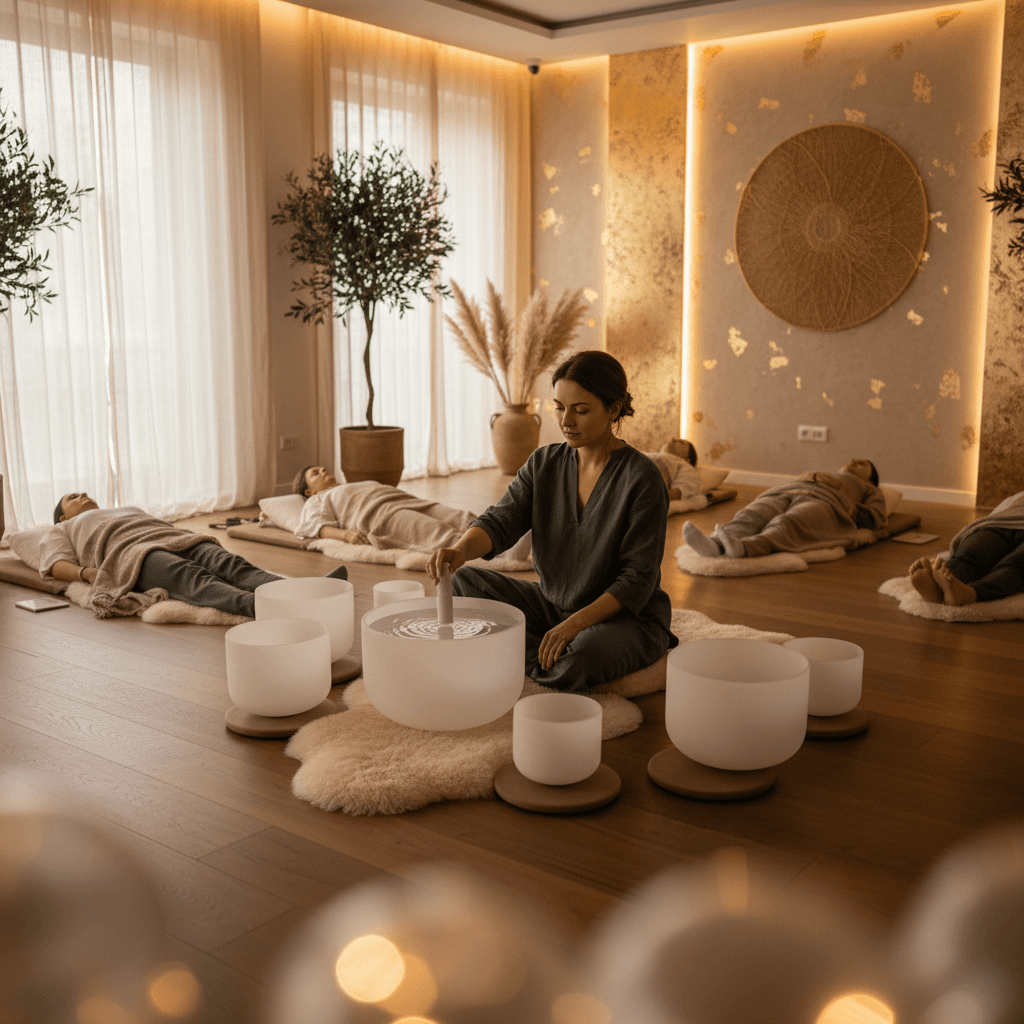
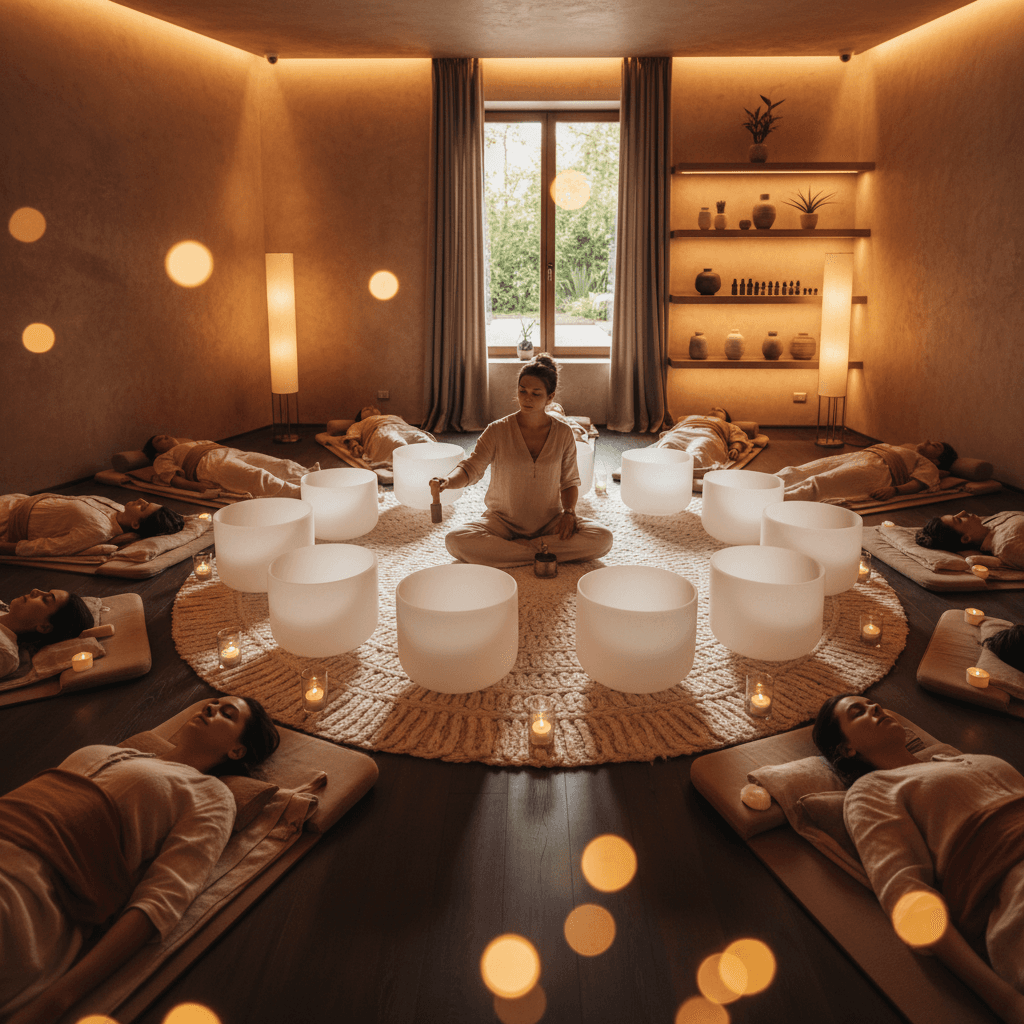
- Tailored Seasonal Soundscapes: For example, during the cooler, more introspective months, Soul Art sessions may emphasize deeper, more grounding frequencies from large gongs, resonant crystal singing bowls, and the sustained hum of monochords. These sounds are chosen to encourage introspection, provide comfort, and foster a sense of stability, much like the reflective and complex music favored during these seasons. The intention is to support internal processing and gentle release, mirroring nature's call to withdraw and conserve energy.
- Uplifting Spring and Summer Frequencies: As the vibrant energy of spring and summer unfolds, Soul Art sessions transition to incorporate lighter, more expansive sounds. Higher-pitched bowls, chimes, and flowing melodic arrangements might be used to invigorate, uplift, and stimulate creativity. These brighter soundscapes are designed to align with the season's inherent energy of growth, expansion, and outward expression, much like the energetic and rhythmic music that becomes popular.
- Harnessing Atmospheric Effects: Larissa Steinbach's expertise extends to understanding how sound travels and reverberates within the studio space, creating specific acoustic qualities. We consider the density of the air and the subtle atmospheric conditions, using these elements to enhance the immersive quality of our sessions. The carefully chosen materials and design of the Soul Art space optimize sound reflection and absorption, ensuring a rich, enveloping sonic experience that shifts subtly with the seasons.
- Intuitive Guidance: Beyond the instruments, Larissa's intuitive guidance and deep understanding of human energetic fields allow her to fine-tune each session to the collective and individual needs present. This human element ensures that while the scientific principles inform the structure, the art of sound wellness remains deeply personal and transformative. The goal is always to restore harmony, manage stress, and encourage deep relaxation, allowing clients to feel more attuned to themselves and the world around them.
The Soul Art approach is a holistic wellness practice that transcends mere relaxation. It's an invitation to consciously connect with the earth's natural rhythms, allowing sound to gently guide you towards a state of profound balance and resilient well-being, year-round.
Your Next Steps
Embracing seasonal sound transitions is a powerful way to enhance your self-care practice and cultivate a deeper connection to both your inner self and the natural world. Here are some actionable steps you can take today to begin harmonizing with the earth's sonic rhythms:
- Mindful Listening Moments: Dedicate a few minutes each day to simply listen to the sounds of your environment, indoors or out. Notice the quality of the sounds, their energy, and how they make you feel. This simple practice can deepen your awareness.
- Curate Seasonal Playlists: Be intentional with your music choices. If you're feeling sluggish in winter, try incorporating more uplifting, energetic music into your daily routine, as some research suggests this may support mood improvement. Conversely, in periods of high activity, use calming, reflective sounds to help you unwind.
- Seek Natural Soundscapes: Spend time in nature and immerse yourself in its ambient sounds. Whether it's the gentle lapping of waves, the rustle of leaves, or the chirping of birds, natural soundscapes are inherently balancing and stress-reducing.
- Explore Sound Wellness Practices: Consider how sound can be an active component of your wellness routine. Simple meditations with ambient nature sounds or intentional music can be incredibly grounding.
- Experience Professional Sound Guidance: For a truly immersive and personalized experience, explore facilitated sound wellness sessions. Expert practitioners like Larissa Steinbach at Soul Art can guide you through tailored sound journeys that precisely align with seasonal energetic shifts, offering profound relaxation and a unique path to inner harmony.
Ready to restore your nervous system and discover deep relaxation through the power of intentionally curated sound?
Bookings Coming Soon
Soul Art is still in preparation. Session details and booking will be published here after launch.
Coming Soon
In Summary
The world is a magnificent symphony, constantly changing its tune with the seasons. These "seasonal sound transitions," driven by a complex interplay of geophysical, biological, and even human factors, profoundly shape our environment and our internal states. From the way sound travels through the air to our innate musical preferences, science reveals how deeply our well-being is intertwined with these natural sonic rhythms. By recognizing and intentionally engaging with these shifts, we unlock a powerful complementary approach to holistic wellness. Larissa Steinbach and Soul Art Dubai expertly harness this knowledge, offering uniquely curated sound experiences that guide you to restore your nervous system, manage stress, and find deep relaxation in harmony with the natural pulse of the year. Embrace the wisdom of seasonal sound, and allow Soul Art to illuminate your path to inner balance.
Wellness Disclaimer: This article is for educational and informational purposes only. It does not constitute medical advice, diagnosis, or treatment. Soul Art Dubai provides non-medical wellness experiences focused on relaxation, stress management, and general wellbeing. Sound wellness is a complementary practice and should not replace professional medical care.
Related Articles
Sound & Nutrition: Cultivating Mindful Eating in Dubai
Cold Plunge & Sound: Elevating Recovery for Mind & Body
Cryotherapy & Sound: The Ultimate Recovery Protocol