SAD and Sound: Seasonal Depression Relief Through Holistic Wellness
Key Insights
Discover how sound wellness and complementary practices, championed by Larissa Steinbach at Soul Art Dubai, may support wellbeing during seasonal affective disorder. Understand the science of serotonin, melatonin, and light.
As the seasons shift, do you ever find your energy dipping, your mood becoming heavier, or your desire to retreat from the world increasing? Many of us experience a milder "winter blues," but for approximately 2% of the population, these seasonal shifts manifest as a more profound and predictable mood disturbance known as Seasonal Affective Disorder (SAD). It's a condition that goes beyond a temporary dip in spirits, impacting daily life with significant symptoms.
At Soul Art, Dubai's premier sound wellness studio, founded by the visionary Larissa Steinbach, we understand that true wellbeing is a symphony of interconnected factors. While the vibrant sunshine of Dubai often shields us from the stark seasonal contrasts of other regions, the underlying mechanisms of SAD – and our body's response to subtle environmental shifts – are universal. We believe in empowering you with knowledge and complementary practices that may support your emotional resilience year-round.
This comprehensive guide will delve into the compelling science behind SAD, exploring the intricate dance of neurochemicals, light, and our circadian rhythms. We will then connect this understanding to practical strategies, including how the serene practice of sound wellness, a hallmark of the Soul Art experience, may serve as a profound complementary approach to navigating seasonal changes. Prepare to uncover actionable insights to foster your inner harmony, regardless of the season.
Understanding Seasonal Affective Disorder (SAD)
Seasonal Affective Disorder (SAD) is a subtype of major depressive disorder characterized by its recurrent and predictable seasonal pattern. Symptoms typically begin in autumn or winter and lift in spring, though a less common "summer-pattern SAD" also exists. It's more than just feeling down; SAD can significantly impair an individual's quality of life.
The clinical presentation of SAD often includes classic depressive symptoms alongside specific seasonal markers. People with winter-pattern SAD often report increased sleepiness, lethargy, and a heightened craving for carbohydrates. Conversely, those experiencing summer-pattern SAD may struggle with insomnia and reduced appetite.
The Neurochemical Dance: Serotonin, Melatonin, and Vitamin D
The scientific community has made significant strides in uncovering the biological underpinnings of SAD, particularly for the winter-pattern variant. Research, including studies by the National Institute of Mental Health (NIMH), points to a complex interplay of brain chemicals and hormones. Key players include serotonin, melatonin, and Vitamin D.
Serotonin: This vital brain chemical helps regulate mood, and studies indicate that people with winter-pattern SAD often exhibit reduced serotonin levels. Sunlight plays a crucial role in maintaining normal serotonin activity; shorter daylight hours may impair the molecules responsible for its proper function, leading to a decrease in the colder months. Enhancing serotonin activity is therefore a key target for many interventions.
Melatonin: This hormone is central to our sleep-wake cycle, and altered levels are strongly associated with SAD. Individuals with winter-pattern SAD often produce too much melatonin, contributing to increased sleepiness and oversleeping. For those with summer-pattern SAD, paradoxically, reduced melatonin levels have been observed, consistent with long, hot days worsening sleep quality.
Vitamin D: Often dubbed the "sunshine vitamin," Vitamin D is believed to promote serotonin activity in the brain. Many individuals with winter-pattern SAD may experience lower Vitamin D levels due to reduced sun exposure, which can further exacerbate the problem by decreasing serotonin activity. The body naturally produces Vitamin D when skin is exposed to sunlight, highlighting its critical role in seasonal wellbeing.
The Power of Light: Circadian Rhythms and Mood
Our bodies operate on a finely tuned internal clock, the circadian rhythm, which is profoundly influenced by light cues. Shorter daylight hours in winter can disrupt this rhythm, leading to imbalances in serotonin and melatonin that contribute to SAD symptoms. Restoring proper light exposure is thus a cornerstone of many SAD management strategies.
Bright Light Therapy (BLT) remains the gold standard for supporting individuals with SAD. This involves daily exposure to a specialized light box that emits high-intensity white light, typically 10,000 lux. Such exposure mimics natural sunlight, helping to reset the circadian clock and potentially enhance serotonin activity.
Studies show that BLT can lead to significant symptom improvement within one week of consistent use. When compared directly with Cognitive Behavioral Therapy (CBT) tailored for SAD, both treatments were found to be equally effective in improving symptoms in the short term. However, long-term studies suggest that the positive effects of CBT-SAD may last longer, potentially offering greater resilience against recurrence in subsequent winters.
"Early morning light is especially powerful in resetting the circadian clock, offering a natural and accessible way to influence our mood and energy levels as the seasons change."
While BLT is a specific intervention, natural sunlight itself is a powerful substitute for managing milder seasonal dips in mood. Regular exposure to morning light can help regulate sleep patterns and enhance overall mood, complementing other wellness efforts.
How It Works in Practice
Translating scientific understanding into practical, everyday strategies is key to navigating seasonal shifts with greater ease. While medical advice should always be sought for diagnosis and treatment of SAD, many complementary wellness practices can play a significant role in supporting overall wellbeing. At Soul Art, we advocate for a holistic approach, integrating science-backed methods with deeply restorative experiences.
Light Exposure: A Daily Ritual for Renewal
Integrating consistent light exposure into your daily routine can be a powerful step. For many, this means embracing bright light therapy, which typically involves sitting near a 10,000 lux light box for about 30 minutes each morning. This consistent morning ritual may help to regulate your body's internal clock and influence mood-regulating neurochemicals.
The convenience of light boxes makes them a popular choice, but don't underestimate the power of natural light. Prioritizing time outdoors, especially in the morning, can provide a significant boost. Even on cloudy days, outdoor light exposure can be substantially higher than indoor lighting, offering an important opportunity for seasonal mood support. Remember, consistency is often key to experiencing the enduring effects throughout the cooler months.
The Mind-Body Connection: CBT and Lifestyle Modifications
Cognitive Behavioral Therapy (CBT) specifically adapted for SAD has shown impressive efficacy, with long-term studies indicating fewer relapses and less severe symptoms in subsequent winters compared to light therapy alone. CBT-SAD focuses on identifying and changing negative thought patterns and behaviors linked to seasonal changes, fostering greater resilience. This is a therapeutic approach that should be undertaken with a qualified professional.
Beyond specific therapies, lifestyle modifications are widely recommended as part of a comprehensive wellness plan, even if direct evidence on their preventive efficacy for SAD specifically is still developing. These include regular exercise, which is known to boost mood and energy. Staying outdoors, even for short periods, not only provides light exposure but also fosters a connection with nature, which can be inherently uplifting.
Cultivating healthy sleep habits, maintaining a balanced diet, and nurturing social connections are all crucial for overall mental health. While formal research on lifestyle modifications as a standalone intervention for SAD prevention is limited and calls for more high-quality trials, many practitioners and individuals report their profound benefits for general well-being and stress management. Soul Art emphasizes these pillars as foundational to a harmonious life.
The Resonance of Sound: A Complementary Pathway
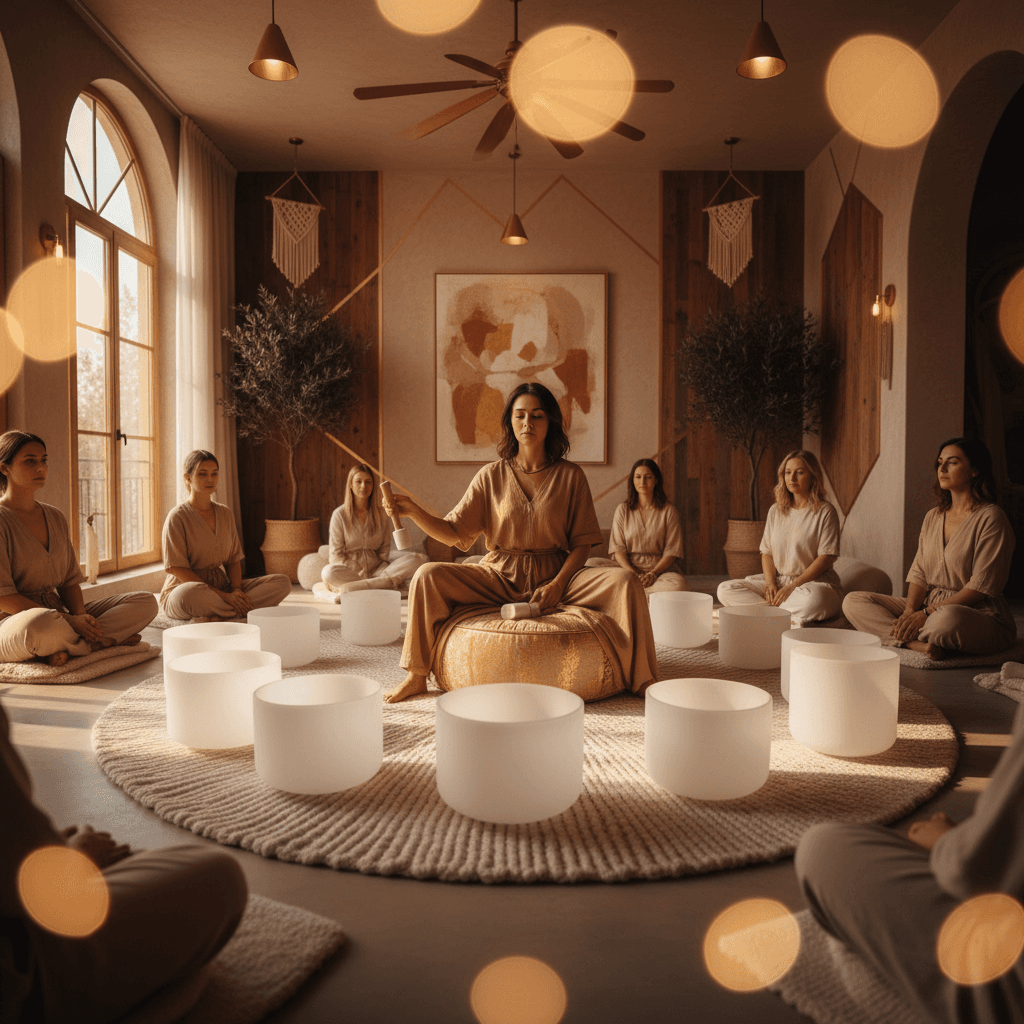
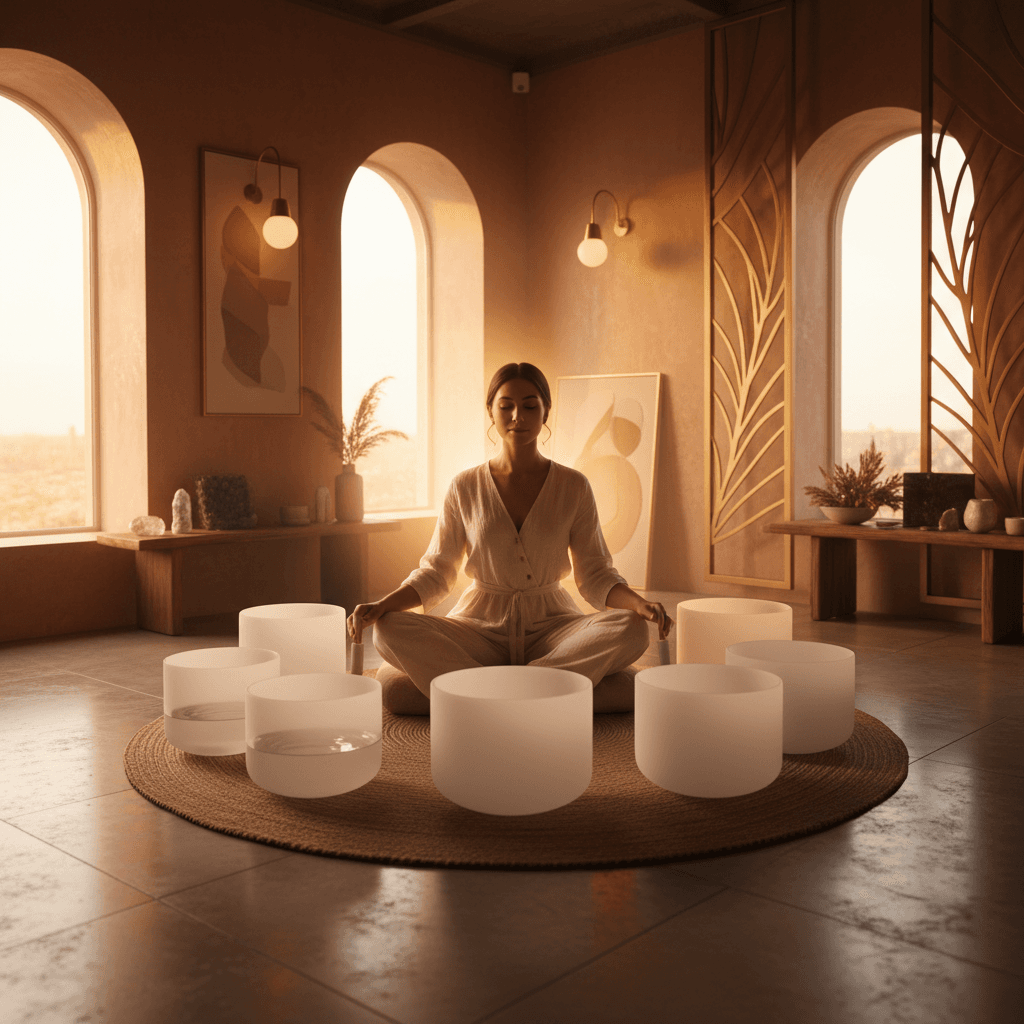
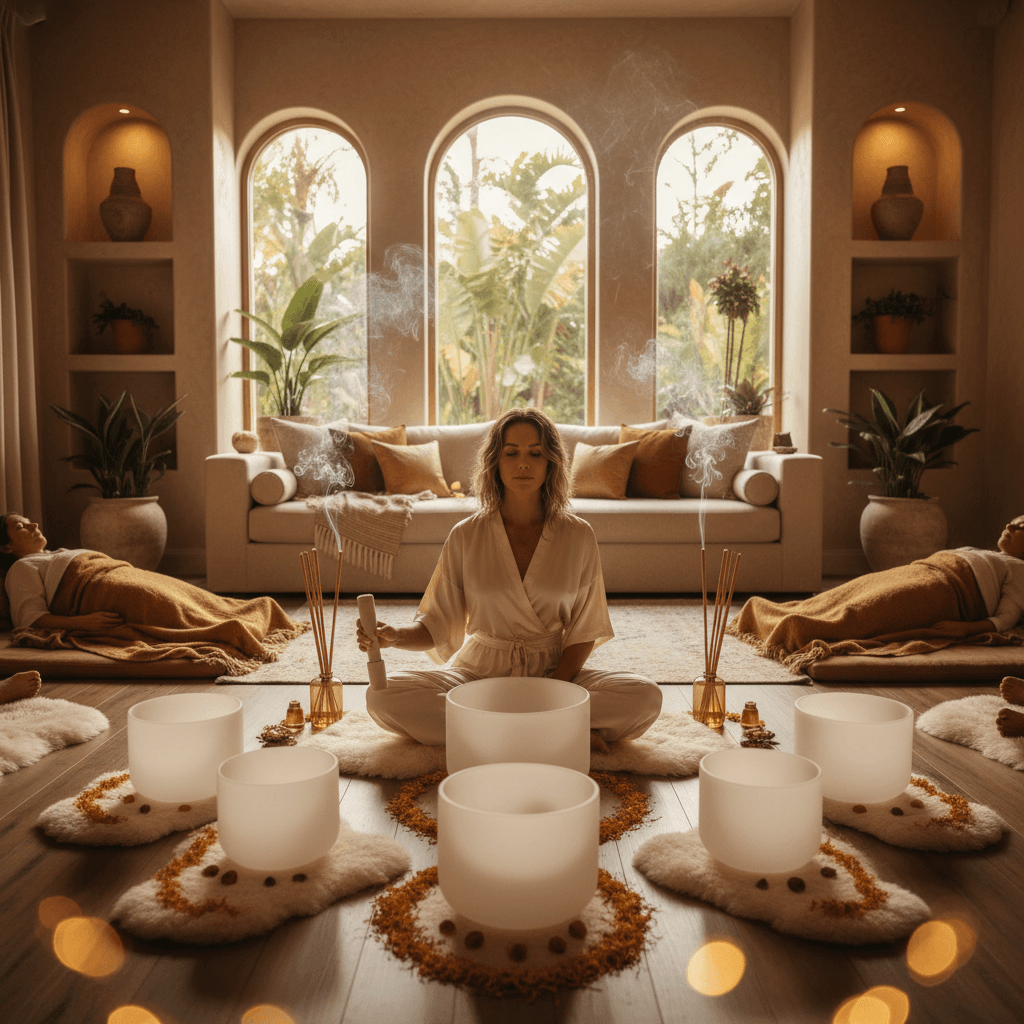
In addition to established practices like light therapy and CBT, complementary approaches such as sound wellness are gaining recognition for their potential to support emotional balance. The serene practice of sound baths, using instruments like crystal singing bowls and gongs, offers a unique pathway to deep relaxation and nervous system regulation. This is where Soul Art, under the guidance of Larissa Steinbach, truly shines.
Sound wellness works by inviting the body and mind into a state of profound calm. The gentle, sustained frequencies produced by these instruments may help to quiet the overactive mind, reduce stress, and promote a sense of inner peace. While not a direct "treatment" for SAD, managing stress and anxiety, which can be heightened during seasonal shifts, is a vital aspect of overall wellbeing. Many people report that engaging in sound practices helps them to feel more grounded and centered, offering a sanctuary from internal and external pressures.
This form of relaxation can be particularly beneficial for those experiencing the lethargy and increased sleepiness associated with winter-pattern SAD, by fostering a restful state without inducing further sedation. By creating an environment conducive to relaxation, sound wellness may indirectly support better sleep quality and emotional regulation, offering a gentle yet powerful tool in your seasonal self-care toolkit.
Soul Art: Harmonizing Mind, Body, and Spirit
At Soul Art, Larissa Steinbach has meticulously curated an experience designed to guide you back to your inner equilibrium. Our approach to sound wellness is rooted in the belief that true healing and profound relaxation come from harmonizing the mind, body, and spirit. We recognize the subtle yet significant impacts of seasonal changes on your wellbeing and offer a sanctuary where you can restore your nervous system.
The Soul Art method is unique in its deliberate fusion of ancient wisdom with a contemporary understanding of wellbeing. Larissa Steinbach integrates her extensive knowledge of therapeutic sound with a deep empathy for the human experience, creating bespoke soundscapes that resonate deeply with each individual. The studio itself is designed as a haven, providing a quiet luxury environment conducive to deep introspection and release.
We utilize a diverse array of sacred instruments, each selected for its unique vibrational quality and ability to induce profound states of relaxation. These include:
- Crystal Singing Bowls: Known for their pure, resonant tones that may help balance energy centers.
- Gongs: Producing powerful, immersive vibrations that can facilitate deep meditative states.
- Chimes: Offering delicate, ethereal sounds for gentle clearing and integration.
- Tuning Forks: Used for targeted vibrational therapy to support cellular harmony.
Through these meticulously chosen instruments, we create a rich tapestry of sound frequencies. This soundscape is designed to calm the nervous system, potentially shifting brainwave states towards alpha and theta, which are associated with deep relaxation and meditative awareness. While we do not claim to treat medical conditions, we provide a powerful complementary practice that may support stress reduction, improve sleep quality, and foster a greater sense of peace and resilience during challenging seasonal periods.
Soul Art's philosophy is to empower individuals to cultivate their own inner resources for wellbeing. Our sound wellness sessions are a unique form of self-care, helping you to manage the effects of seasonal shifts by promoting a state of profound relaxation and inner harmony. Larissa Steinbach and her team are dedicated to guiding you on this journey of discovery, offering a serene escape and a path to deeper connection with yourself.
Empower Your Well-being: Practical Steps for Seasonal Resilience
Navigating the ebb and flow of seasonal changes requires a proactive and informed approach to self-care. While SAD is a complex condition that warrants professional attention, there are many actionable steps you can take to support your wellbeing. Incorporating these into your daily routine may help build resilience against seasonal mood fluctuations.
Here are some practical steps you can implement today:
- Consult a Healthcare Provider: If you suspect you have SAD or are experiencing persistent symptoms, it is crucial to speak with a doctor or mental health professional. They can provide an accurate diagnosis and discuss appropriate medical treatments or therapies, such as CBT-SAD or light therapy. This article serves as educational information, not a replacement for professional medical advice.
- Prioritize Light Exposure: Make an intentional effort to expose yourself to bright light, especially in the morning. This could involve using a 10,000 lux light therapy lamp for 30 minutes daily or simply spending more time outdoors in natural sunlight, even on cloudy days. Early morning light is particularly effective for regulating circadian rhythms.
- Embrace Movement and Nature: Engage in regular physical activity, preferably outdoors. Exercise is a known mood enhancer, and combining it with time in nature can provide a dual benefit for your mental and physical health. A brisk walk or gentle jog can significantly uplift your spirits.
- Cultivate a Consistent Sleep Schedule: Maintain a regular sleep and wake time, even on weekends. A consistent sleep routine helps to stabilize your circadian rhythm, which in turn may positively influence mood and energy levels. Aim for seven to nine hours of quality sleep each night.
- Explore Complementary Wellness Practices: Consider integrating practices like sound wellness, meditation, or mindfulness into your routine. These approaches, like those offered by Larissa Steinbach at Soul Art, can be powerful tools for stress management, nervous system regulation, and fostering a deeper sense of inner peace. They serve as a wonderful complement to conventional care.
Embracing Seasonal Wellness with Soul Art
Seasonal Affective Disorder highlights the profound connection between our environment, our biology, and our emotional state. Understanding the intricate dance of serotonin, melatonin, and light is the first step towards proactively supporting your wellbeing during seasonal transitions. While light therapy and targeted CBT offer effective strategies, a holistic approach that integrates lifestyle and complementary wellness practices may provide a comprehensive pathway to resilience.
At Soul Art, under the compassionate guidance of Larissa Steinbach, we offer a serene space to explore the profound benefits of sound wellness. Our bespoke sound baths are designed to induce deep relaxation, soothe the nervous system, and cultivate a sense of inner harmony, serving as a powerful complementary tool in your seasonal self-care regimen. By nurturing your mind, body, and spirit, you can navigate seasonal shifts with greater ease and embrace each season with renewed vitality.
Soul Art is still in preparation. Session details and booking will be published here after launch.
Bookings Coming Soon
Soul Art is still in preparation. Session details and booking will be published here after launch.
Coming Soon
Wellness Disclaimer: This article is for educational and informational purposes only. It does not constitute medical advice, diagnosis, or treatment. Soul Art Dubai provides non-medical wellness experiences focused on relaxation, stress management, and general wellbeing. Sound wellness is a complementary practice and should not replace professional medical care.
Related Articles
Anniversary Sound: Harmonizing Relationships Through Milestones
Eclipse Sound: Cosmic Frequencies for Profound Well-being
Mercury Retrograde: Harmonizing Cosmic Chaos with Sound Wellness