Harmonizing the Workplace: A Comprehensive Risk and Consent Checklist for Corporate Sound Sessions

Key Insights
Elevate employee well-being with Soul Art's guide to safe, ethical, and consensual workplace sound sessions in Dubai. Discover best practices for integrating sound wellness, led by Larissa Steinbach.
Harmonizing the Workplace: A Comprehensive Risk and Consent Checklist for Corporate Sound Sessions
In the bustling heart of Dubai's corporate landscape, a silent stressor often goes unnoticed, yet profoundly impacts employee well-being and productivity: noise. From the constant hum of HVAC systems to the cacophony of open-plan offices and the often-poor audio quality of virtual meetings, unwanted sound is a pervasive challenge. Jabra's research indicates that noise is a top stressor for knowledge workers, ranking closely behind workload and poor communication.
While conventional workplace noise can be detrimental, the deliberate application of therapeutic sound offers a powerful counterbalance. Introducing sound wellness sessions into the corporate environment can foster profound relaxation, reduce stress, and enhance cognitive function, creating a more harmonious and productive workforce. However, the successful integration of such a nuanced practice demands a meticulous approach to safety, ethics, and, crucially, informed consent.
At Soul Art, Dubai's premier sound wellness studio, founded by Larissa Steinbach, we understand that true well-being begins with trust and transparency. This article delves into the scientific rationale behind workplace sound sessions and provides a comprehensive framework for ensuring that these experiences are not only beneficial but also conducted with the highest standards of care and respect for every individual. You will learn why mindful risk assessment and robust consent procedures are non-negotiable cornerstones of any successful corporate sound wellness program.
The Science Explained
The Auditory Landscape of the Modern Workplace
The human auditory system is remarkably sensitive, constantly processing sound waves that can profoundly affect our physiological and psychological states. In modern workplaces, this often translates into constant exposure to various noise levels, many of which can negatively impact health and performance. Research published in PMC highlights that noise directly impairs cognitive performance, leading to reduced efficiency, increased errors, and a higher risk of workplace accidents.
Even at decibel levels below the permissible exposure limits, occupational noise can significantly interfere with cognitive processes, impair attention, and elevate stress levels and mental workload. Workers in environments with high noise levels have been associated with lower employee performance, underscoring the importance of quieter work environments for overall well-being. The Center for Disease Control (CDC) estimates that 22 million workers are exposed to potentially damaging noise at work each year, with prolonged exposure over 85 decibels capable of causing permanent hearing loss, as noted by OSHA. While therapeutic sound operates at much lower, controlled levels, understanding the impact of unwanted noise sets the stage for appreciating the benefits of intentional sound.
The Power of Therapeutic Sound
In stark contrast to ambient workplace noise, therapeutic sound sessions harness specific frequencies and harmonic vibrations to induce states of deep relaxation and promote internal balance. These carefully curated soundscapes can influence brainwave patterns, shifting them from beta (active, alert) to alpha (relaxed) and even theta (meditative) states. This neurological shift is instrumental in calming the nervous system.
The Wall Street Journal highlighted that calming music affects the nervous system, with research indicating its potential to alleviate stress and anxiety. Studies also suggest that specific sounds can activate areas of the brain, such as the temporal parietal junction, which is involved in social information processing. This heightened connectivity may counteract feelings of isolation, a growing mental health concern in many societies. Sound wellness practices, like those offered by Soul Art, are designed to be a complementary approach to stress management, supporting mental health by fostering a sense of peace and connectedness. Many people report that even a few minutes of pairing intentional sound with mindfulness can offer significant psychological benefits.
Understanding Decibel Levels and Auditory Safety in Sound Sessions
A fundamental aspect of responsible sound wellness provision is a clear understanding of decibel (dB) levels and auditory safety. Occupational noise regulations typically focus on mitigating exposure to noise exceeding thresholds like 85 dB, which, with prolonged exposure, can cause hearing damage. Indicators of potentially hazardous noise include needing to raise your voice to talk to someone three feet away or experiencing ringing in your ears after work, as detailed by CCOHS.
Therapeutic sound sessions, however, operate at significantly lower and carefully controlled decibel levels. These sessions are designed to be immersive and resonant, not loud or jarring. Larissa Steinbach and the team at Soul Art meticulously ensure that sound levels remain well within comfortable and safe ranges, typically far below the 85 dB threshold that marks the beginning of potential hearing damage. The goal is gentle stimulation and relaxation, not intense auditory input. This intentional control differentiates therapeutic sound from hazardous industrial noise, making it a safe and nurturing practice when facilitated by trained professionals.
How It Works in Practice
Integrating Sound Wellness into Corporate Environments
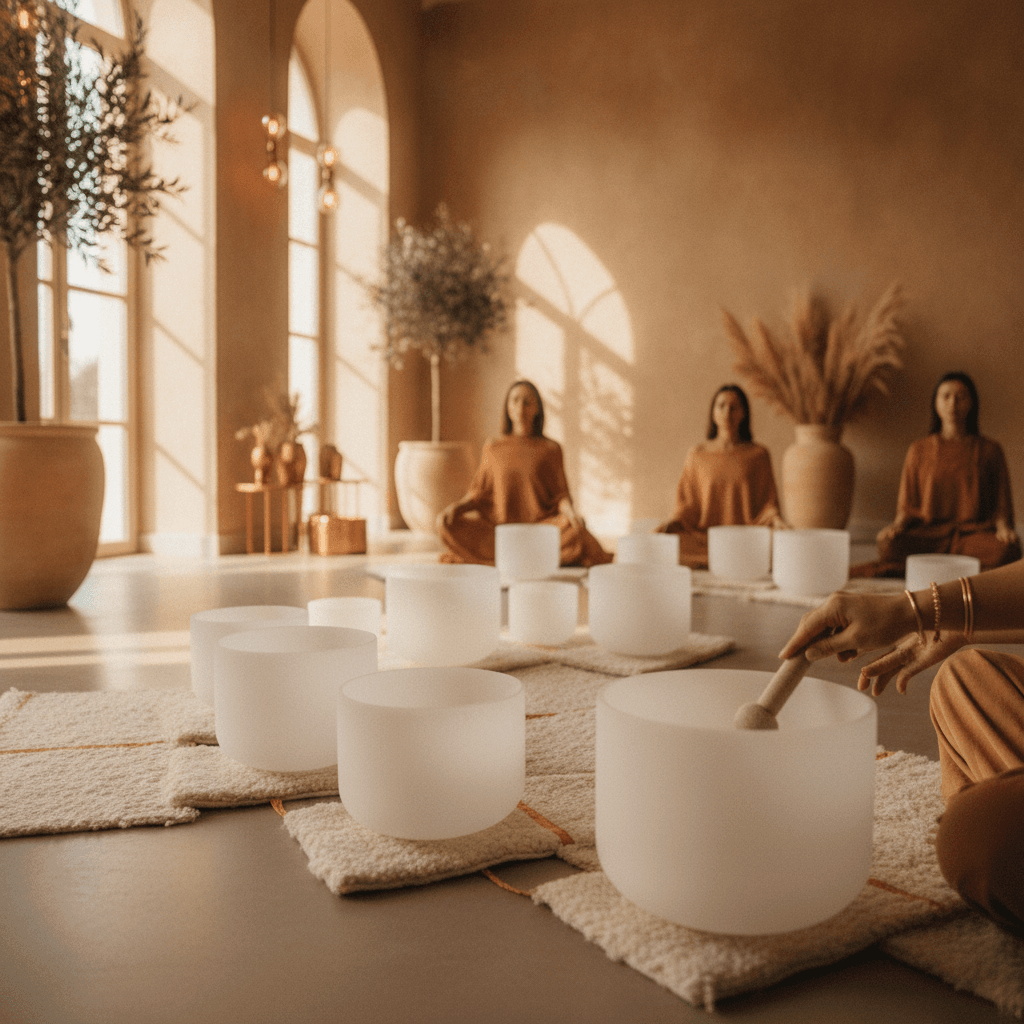
Bringing sound wellness into the corporate setting requires thoughtful planning and execution to ensure maximum benefit and comfort for all participants. At Soul Art, we focus on creating an oasis of calm within the workplace, transforming a meeting room or a quiet lounge into a serene space for deep relaxation. Clients experience a guided journey through sound, often involving the gentle resonance of singing bowls, gongs, and chimes.
These sessions typically last between 30 to 60 minutes, designed to offer a powerful reset without significant disruption to the workday. The facilitator's role is crucial, not only in playing the instruments but also in guiding participants into a relaxed state and ensuring a comfortable environment. Considerations include ambient lighting, comfortable seating or mats, and minimizing external disruptions. The entire setup is geared towards facilitating a tranquil, low-noise environment where the therapeutic sounds can be fully absorbed.
The Crucial Role of Risk Assessment
Even in the context of gentle, therapeutic sound, a proactive risk assessment is vital to ensure the well-being of all participants. While sound wellness is generally safe, individual sensitivities and pre-existing conditions necessitate careful consideration. At Soul Art, we prioritize a thorough pre-session screening process.
Potential considerations for risk assessment include:
- Hearing Sensitivities: Individuals with severe tinnitus or hyperacusis may require adjustments or may find certain frequencies uncomfortable.
- Medical Devices: Those with pacemakers, cochlear implants, or other electronic medical devices should consult their healthcare provider before participating, as strong vibrations could theoretically interfere.
- Pregnancy: While generally safe, some women prefer to avoid deep vibrations during early or late stages of pregnancy, and medical advice should always be sought.
- Mental Health Conditions: Individuals with certain neurological conditions (e.g., sound-triggered epilepsy) or severe psychological distress should consult their doctor.
- Physical Discomfort: Ensuring comfortable positioning and the option to move or leave the session if any physical discomfort arises.
Mitigation strategies include clear verbal advisories, offering alternative positions, or suggesting that individuals with specific concerns position themselves further from certain instruments. The facilitator is always attentive to participants' cues and ready to adjust the session as needed.
Implementing Informed Consent for Employee Well-being
The cornerstone of any ethical corporate wellness program is robust, informed consent. As highlighted in research on workplace studies, participation must be entirely voluntary, and individuals must be thoroughly informed about the session's objectives, procedures, and potential implications. This ethical standard, observed in studies by the MRC Institute of Hearing Research, is fully embraced by Soul Art.
Here’s a practical breakdown of informed consent for workplace sound sessions:
- Voluntary Participation: Emphasize that participation is never mandatory. Employees should feel no pressure or obligation from their company or peers to attend. The ability to choose whether to take part is paramount to genuine engagement and positive outcomes.
- Clear Information Disclosure: Before any session, provide clear and concise information about:
- What a sound session entails (instruments, sounds, typical duration).
- The expected experience (relaxation, meditative state, potential sensations).
- The non-medical nature of the practice (it is a wellness tool, not a medical treatment).
- Any potential, albeit rare, contraindications or considerations (as outlined in the risk assessment).
- Written Consent Form: Participants should be asked to sign a simple consent form. This document confirms they have received and understood the information, and voluntarily agree to participate. It also includes an acknowledgement of the wellness disclaimer.
- Right to Withdraw: Crucially, participants must be explicitly informed that they are free to withdraw from the session at any time, for any reason, without needing to provide an explanation. This empowers individuals and respects their autonomy, fostering a safe and trusting environment.
- Confidentiality: If any pre-screening questions or feedback forms are used, assure participants that their responses will be kept confidential and used solely for the purpose of ensuring their safety and optimizing the session experience.
By meticulously adhering to these principles of informed consent, companies and wellness providers like Soul Art can ensure that workplace sound sessions are not only deeply beneficial but also uphold the highest ethical standards, prioritizing employee agency and trust.
The Soul Art Approach
Larissa Steinbach’s Commitment to Ethical Wellness
At Soul Art, Larissa Steinbach champions a philosophy where profound well-being is rooted in integrity, safety, and a deep respect for the individual. Her commitment extends beyond simply providing relaxing sound experiences; it encompasses a holistic approach that ensures every session is not only transformative but also ethically sound and meticulously safe. Larissa’s extensive training and intuitive understanding of sound dynamics allow her to create an environment where participants can surrender to the therapeutic frequencies with complete confidence.
Soul Art's approach to corporate wellness is built on transparency, clear communication, and a personalized touch. Larissa ensures that all facilitators are highly trained not just in sound artistry but also in client care, understanding individual needs, and maintaining a nurturing space. This dedication to ethical practice is what makes Soul Art a trusted partner for companies seeking to genuinely invest in their employees' well-being.
Tailored Corporate Sound Sessions
Soul Art offers bespoke corporate sound sessions designed to integrate seamlessly into diverse workplace cultures and schedules. We understand that every company has unique needs, and our programs are flexible, ranging from short, invigorating sound breaks to longer, more immersive journeys. We utilize a rich array of instruments, including the deep resonance of Himalayan singing bowls, the ethereal vibrations of crystal alchemy bowls, majestic gongs, and delicate chimes, each carefully selected for its specific frequency and harmonizing properties.
The sessions are meticulously crafted to create a sanctuary of sound, transforming typical corporate spaces into havens of tranquility. This meticulous attention extends to the physical environment, ensuring optimal acoustics, comfortable arrangements, and a serene atmosphere that enhances the therapeutic benefits of the soundscape. Our goal is to provide a truly restorative experience, enabling employees to return to their tasks feeling refreshed, centered, and re-energized.
"At Soul Art, we believe that true well-being in the workplace begins with an environment of trust, understanding, and respect for individual autonomy. Our sound sessions are not just about sound; they are about creating a safe space for profound internal resonance."
Our Risk and Consent Checklist Principles
Our comprehensive Risk and Consent Checklist for Workplace Sound Sessions is an embodiment of Soul Art's commitment to safety and ethics. It guides every interaction, from initial consultation to post-session feedback. Key principles include:
- Pre-Session Information Sharing: Providing detailed session descriptions and outlining the benefits as a wellness practice.
- Transparent Disclosure of Considerations: Clearly communicating situations where medical consultation might be advisable.
- Mandatory Voluntary Participation: Ensuring all attendance is freely chosen by the employee.
- Signed Informed Consent: Requiring a document confirming understanding and agreement to participate.
- Clear Right to Withdraw: Explicitly stating that participants can leave at any point without explanation.
- Facilitator Vigilance: Training facilitators to observe and respond to participant comfort levels throughout the session.
- Post-Session Feedback Mechanisms: Offering opportunities for participants to share their experience in a confidential manner.
These principles ensure that every Soul Art corporate sound session is not only deeply restorative but also respectful, safe, and empowering for all involved.
Your Next Steps
Integrating sound wellness into your corporate environment can be a powerful investment in employee health, happiness, and productivity. To ensure a successful and ethical implementation, consider these practical steps:
- Research Reputable Providers: Seek out wellness partners, like Soul Art, who demonstrate a clear commitment to scientific understanding, safety protocols, and ethical consent practices. Inquire about their experience in corporate settings and their facilitator training.
- Prioritize Voluntary Participation: Clearly communicate to your employees that participation in sound sessions is entirely optional. Avoid any language or incentives that could imply obligation or create pressure.
- Implement Clear Consent Forms: Work with your chosen provider to develop an informed consent document that outlines the session details, potential considerations, and the participant’s right to withdraw. Ensure it's easy to understand and readily accessible.
- Communicate Wellness Benefits (Non-Medical): Articulate the advantages of sound sessions in terms of stress reduction, improved focus, and enhanced well-being, always refraining from making any medical claims.
- Start with a Pilot Program: Consider introducing sound wellness with a smaller group or a trial period to gather feedback and refine the approach, demonstrating your commitment to a thoughtful rollout.
In Summary
The modern workplace presents unique challenges to employee well-being, with pervasive noise often acting as a significant stressor that diminishes focus and elevates mental workload. Intentional sound wellness sessions offer a profound, scientifically-backed antidote, supporting nervous system regulation, enhancing cognitive function, and fostering deep relaxation. By embracing practices like those championed by Larissa Steinbach and Soul Art, companies can transform their work environments into spaces of calm and rejuvenation.
However, the efficacy and ethical integrity of these sessions hinge on two critical pillars: meticulous risk assessment and robust informed consent. Ensuring voluntary participation, transparent communication of expectations and considerations, and the unwavering right to withdraw are not just best practices; they are foundational to building trust and truly empowering employees on their wellness journey. Partnering with a dedicated expert like Soul Art guarantees a safe, respectful, and deeply enriching experience that elevates corporate well-being to new harmonious heights.
Bookings Coming Soon
Soul Art is still in preparation. Session details and booking will be published here after launch.
Coming Soon
Wellness Disclaimer: This article is for educational and informational purposes only. It does not constitute medical advice, diagnosis, or treatment. Soul Art Dubai provides non-medical wellness experiences focused on relaxation, stress management, and general wellbeing. Sound wellness is a complementary practice and should not replace professional medical care.
Related Articles
Unlock Corporate Value: The CFO's Guide to Sound Wellness ROI
Elevate Team Wellness: Sound Baths, Breathwork & Meditation
Navigating Biometric Data Privacy in Corporate Wellness