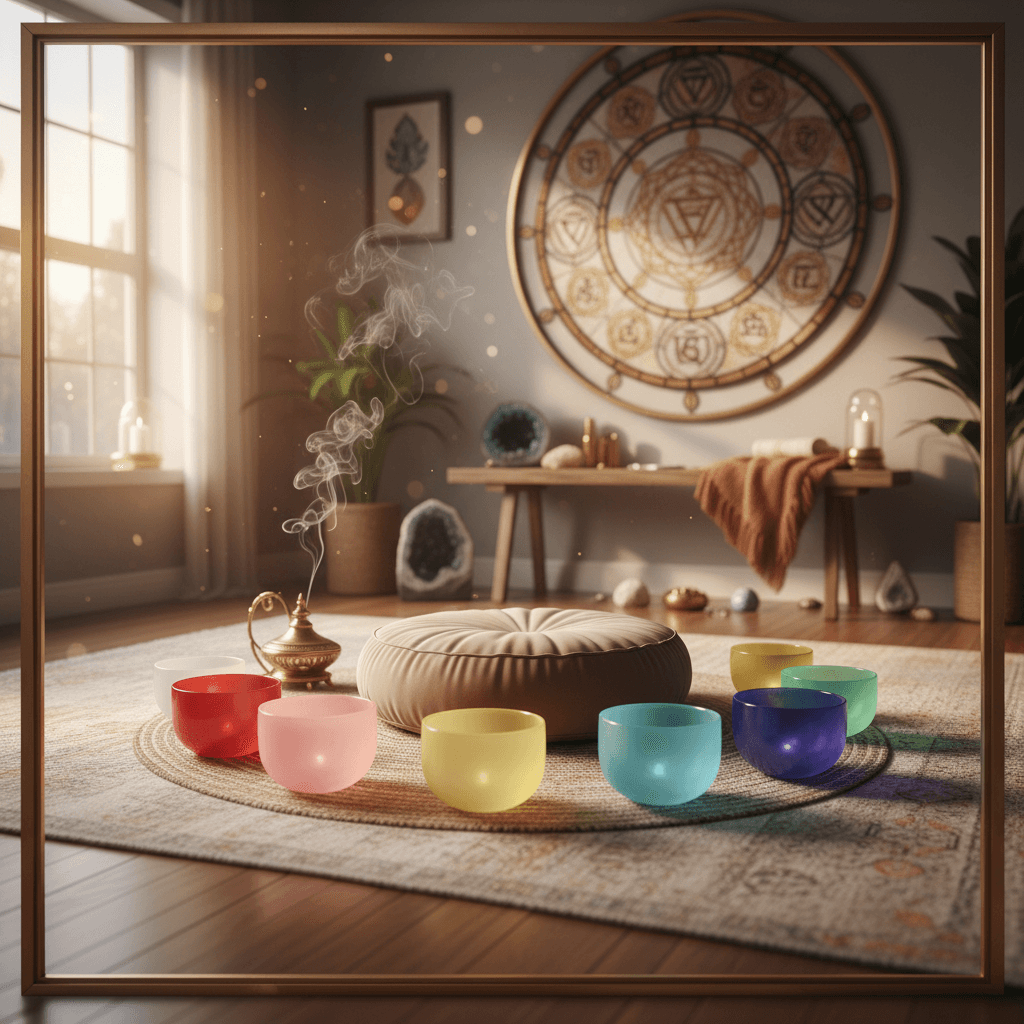
Harmonizing Motherhood: Sound Wellness for Postpartum Support
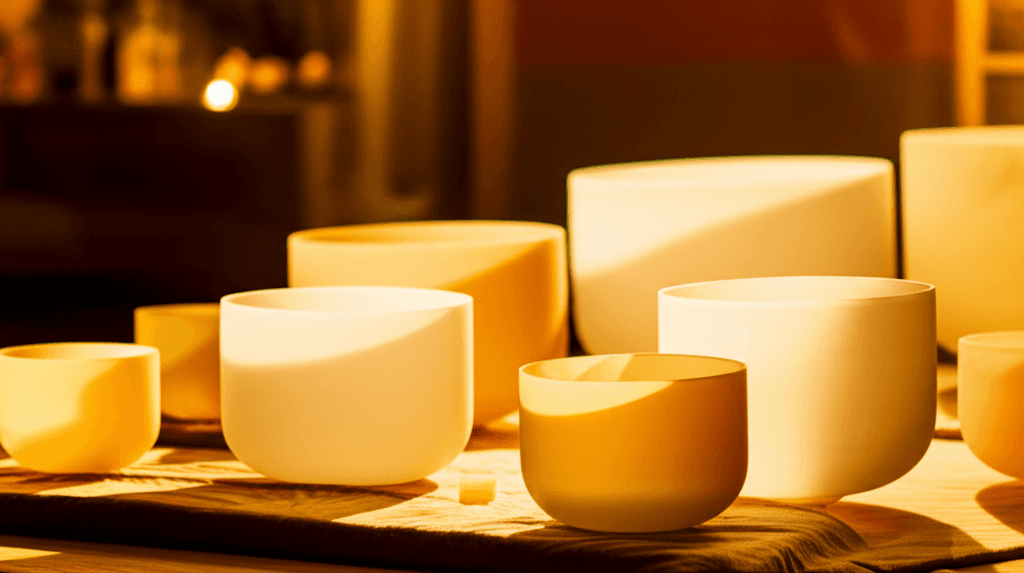
Key Insights
Explore how sound wellness and therapy, championed by Soul Art's Larissa Steinbach, offers complementary support for postpartum depression, fostering calm and connection.
The journey into motherhood, while often depicted as idyllic, can sometimes lead to an unexpected and challenging path: postpartum depression (PPD). Affecting up to 1 in 7 new mothers, PPD is far more than just "baby blues"; it's a serious mood disorder that can profoundly impact a mother's well-being and her ability to bond with her infant (Banti et al., 2011; Giardinelli et al., 2011). In a world shaped by increasing demands and anxieties, the need for supportive and nurturing interventions for new mothers has never been more pressing.
This article delves into the scientifically-backed potential of sound wellness practices, such as those offered at Soul Art by Larissa Steinbach, as a valuable complementary approach to supporting mothers experiencing PPD. We will explore the intricate ways sound interacts with our physiology and psychology, offering profound relaxation, emotional regulation, and a pathway to renewed connection. Discover how harmonizing frequencies may help alleviate the invisible burdens of postpartum struggles, fostering a sense of peace and strength during this transformative life stage.
Understanding Postpartum Depression: The Brain, Body, and Beyond
Postpartum depression is a complex condition, stemming from a confluence of hormonal shifts, psychological adjustments, and social pressures following childbirth. It manifests through symptoms like persistent sadness, anxiety, irritability, difficulty sleeping or eating, and a diminished interest in activities, including caring for the baby. Recognizing these signs is the first crucial step towards seeking support.
The Neurobiology of PPD and the Stress Response
The period following childbirth involves dramatic hormonal fluctuations, particularly drops in estrogen and progesterone, which can significantly influence mood and brain chemistry. These changes, coupled with sleep deprivation and the immense responsibility of newborn care, can activate the body's stress response system. This leads to elevated levels of stress hormones like cortisol, contributing to heightened anxiety and depressive symptoms (Pariante, King's College London).
Research highlights the prevalence and impact of PPD, emphasizing the need for effective interventions. Studies have shown that PPD can have lasting consequences for both mother and child, affecting attachment and early childhood development (Johnson et al.; Zlotnick et al.). Therefore, supporting maternal mental health is a critical component of overall perinatal care and maternal safety.
The Therapeutic Power of Sound and Music
For centuries, sound and music have been recognized for their profound impact on human emotion and physiology. Modern scientific inquiry is now elucidating the mechanisms behind this ancient wisdom. Sound interventions may work by engaging the auditory system and, subsequently, various brain regions involved in emotion, memory, and stress regulation.
Music therapy, a structured intervention, has demonstrated positive outcomes in reducing depressive symptoms and preventing the aggression of PPD (Zhao, Bai, Bo & Chi, 2016). It has been associated with increasing a client's tolerance level to pain and decreasing anxiety (Browning, 2001). These results suggest that music therapy can be a sufficient and effective complementary approach for supporting PPD symptoms.
Key benefits observed through various studies include:
- Pain and Tension Reduction: During labor and delivery, music therapy has been associated with reducing pain and tension, which may lead to a reduced risk of depression (Liu et al., 2010; Browning, 2001; Tagore, 2009; Simavli et al., 2014; Taghinejad, Delpisheh, & Suhrabi, 2010). This effect can extend into the postpartum period as mothers recover.
- Anxiety and Stress Alleviation: Engagements in music therapy may lead to positive outcomes in reducing anxiety levels (Browning, 2001; Zhao et al., 2016). Specifically, sound can help downregulate the sympathetic nervous system, shifting the body into a more relaxed, parasympathetic state. This can be particularly beneficial for mothers grappling with heightened stress.
- Mood Improvement and Emotional Regulation: Music therapy has been shown to have a positive impact on PPD symptoms and therapeutic benefits in facilitating positive mood changes in mothers (Simavli et al., 2014). Sound can evoke feelings of comfort and safety, providing a positive source of support for mothers coping with the demands of a newborn.
- Mother-Infant Bonding: Crucially, music and sound may aid in fostering the bond between mother and infant. Studies, including those on singing interventions, indicate that music can facilitate connection, with benefits that may continue as mothers use songs and music at home (Wulff et al., 2020; BBC News, 2019). This is vital, as PPD can sometimes interfere with a mother's ability to connect with her baby.
A study at King's College London and UCL, the world's largest into the effect of group singing on the mental health of new mothers, found that singing sessions were more effective at reducing symptoms of PPD than standard interventions (Fancourt & Perkins, 2018; King's College London, 2021). The research indicated a significant reduction in PPD symptoms and a high recovery rate for participating mothers. Furthermore, early results suggested that mothers in the singing group experienced a "nice steady decline" in stress hormone cortisol levels throughout the intervention period (Pariante, King's College London).
These scientific insights provide a robust foundation for understanding how sound wellness practices may offer profound support for mothers navigating the challenges of postpartum depression.
From Research to Resonance: Experiencing Sound Wellness for Postpartum Support
Translating scientific understanding into practical, beneficial experiences for new mothers is at the heart of sound wellness. These practices offer a unique, non-invasive pathway to deep relaxation and emotional rebalancing, bridging the gap between clinical research and lived experience.
The Journey of Sound: A Sanctuary for the Senses
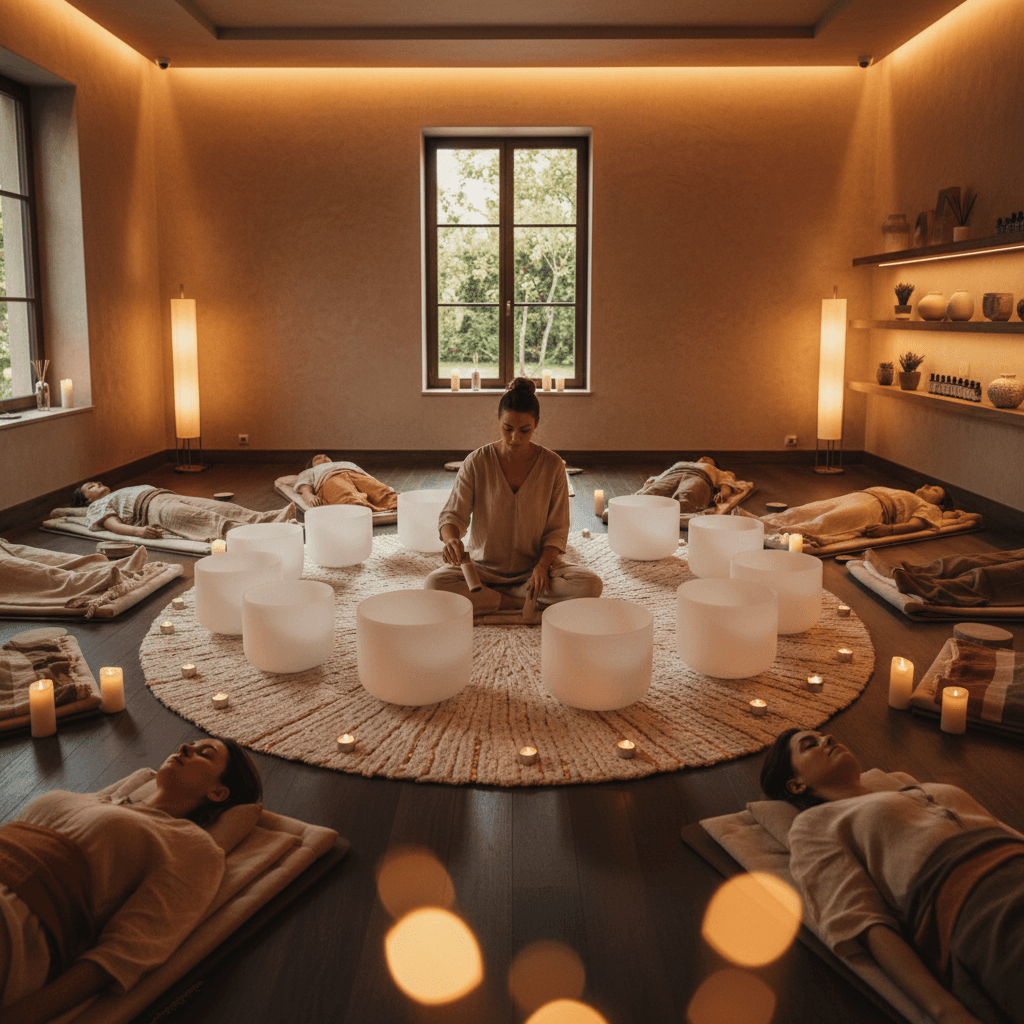
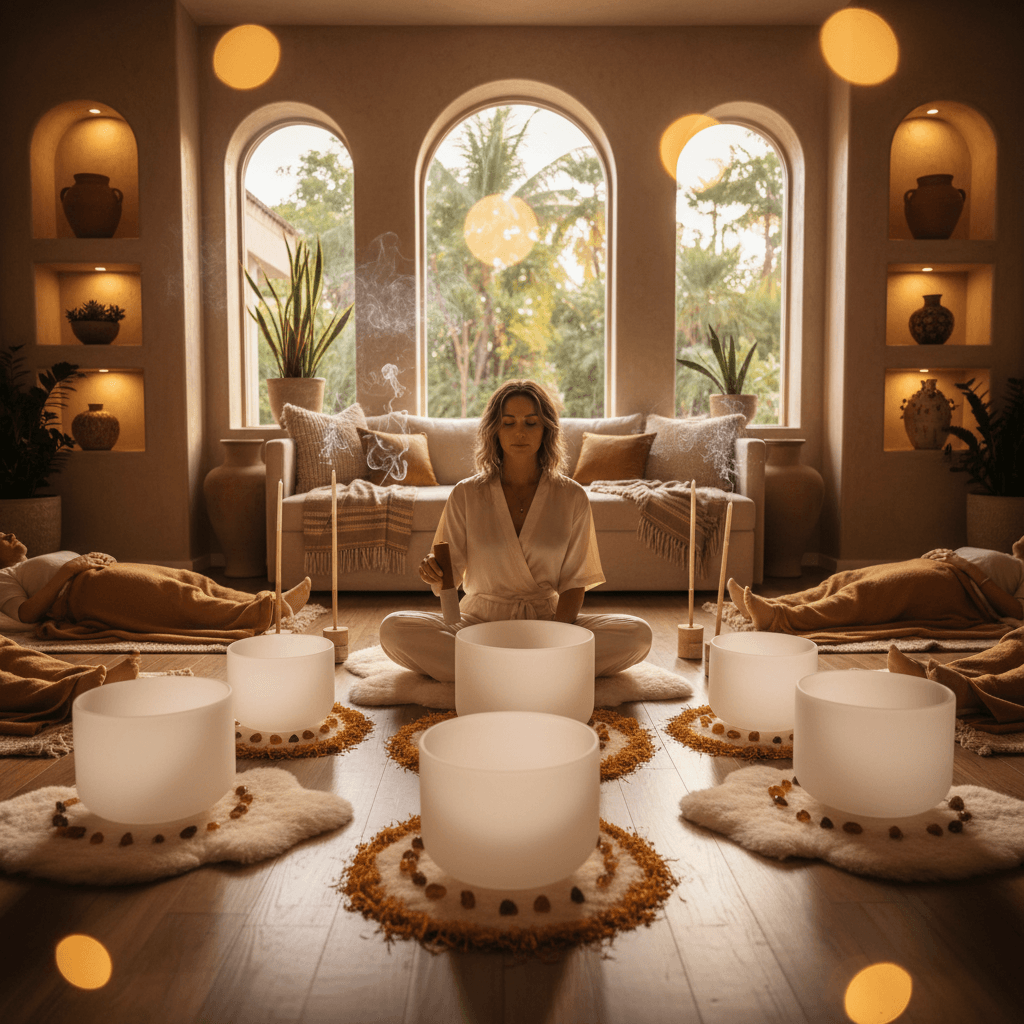
During a sound wellness session, clients are invited to recline comfortably, often enveloped in soft blankets, while a skilled practitioner creates an immersive soundscape. This is a receptive music therapy approach, where the individual passively receives the therapeutic vibrations. Instruments like Himalayan singing bowls, crystal singing bowls, gongs, chimes, and other resonant tools are played with intention, generating a tapestry of frequencies.
The sounds are not merely heard but felt, as their vibrations permeate the body, gently encouraging muscle relaxation and a profound sense of calm. This sensory experience helps to quiet the overactive mind, drawing attention away from anxious thoughts and into the present moment. Many people report entering a meditative or dream-like state, a precious opportunity for rest and mental respite amidst the demands of new motherhood.
The effectiveness lies in how these specific sound frequencies interact with brainwave patterns. While the conscious mind may be racing, sustained ambient sounds can gently guide brain activity towards alpha (relaxed, calm) and theta (deep relaxation, meditative) states. This shift can facilitate stress reduction, improved sleep quality, and a greater sense of inner peace.
Fostering Connection and Calm: Beyond Individual Experience
Sound wellness practices also offer benefits that extend beyond individual relaxation, particularly for mothers and their infants. The calming environment created by sound can provide a serene space for mother-infant dyads, even if the infant is simply present in the room. The soothing frequencies may create an ambient backdrop that helps both mother and baby settle.
Moreover, the communal aspect of some sound wellness or group singing interventions can be incredibly powerful. As Dr. Rebecca Bind of King's College London noted regarding group singing studies, part of the benefit comes from mothers being in the presence of others going through similar experiences, even without explicitly discussing them (BBC News, 2019). This shared, non-verbal experience can combat feelings of isolation, which are often intensified during the postpartum period, especially in the wake of global events like the recent pandemic (King's College London, 2021).
"The act of singing itself can have a very relaxing effect, and being in a group setting provides invaluable social support, reminding mothers they are not alone."
The emotional regulation fostered by sound helps mothers manage the roller-coaster of postpartum emotions. By reducing physiological markers of stress, such as cortisol levels, sound wellness may create a more stable internal environment. This stability can, in turn, enhance a mother's capacity for joy, presence, and connection with her infant, supporting the critical early bonding process.
Larissa Steinbach's Vision: The Soul Art Difference
At Soul Art, Dubai's premier sound wellness studio, Larissa Steinbach has cultivated an experience that embodies the profound principles of sound therapy while elevating it to an art form. Her approach is rooted in both scientific understanding and a deep, intuitive appreciation for the power of resonance to transform well-being. Soul Art is more than just a studio; it is a sanctuary designed for holistic rejuvenation.
A Curated Journey of Vibrational Healing
Larissa Steinbach's method at Soul Art is distinguished by its meticulous curation and personalized touch. She understands that each mother's journey is unique, and while the core principles of sound wellness remain constant, the experience is tailored to foster individual healing and solace. This quiet luxury approach means every detail, from the ambient lighting to the comfort of the mats, is considered to create an optimal environment for deep relaxation.
The Soul Art method integrates specific vibrational tools, selected for their purity of tone and therapeutic qualities. Larissa often utilizes:
- Authentic Himalayan Singing Bowls: Known for their rich, complex overtones and deep, grounding vibrations that resonate with the body's energy centers.
- Precision-Tuned Crystal Singing Bowls: Producing clear, expansive frequencies that are often associated with balancing different brainwave states and promoting mental clarity.
- Gongs: Generating powerful, enveloping sound waves that can facilitate profound release and reset the nervous system.
- Chimes and Other Resonant Instruments: Used to add delicate textures and subtle shifts in the soundscape, guiding the listener deeper into relaxation.
Larissa's expertise lies not just in playing these instruments but in creating harmonious soundscapes that speak to the body's innate wisdom for healing. She intuitively guides participants through layers of sound, helping them release tension, quiet the mind, and connect with their inner sense of peace. The intention behind each session is to offer a respite from the overwhelming demands of postpartum life, fostering a return to centeredness and strength.
Beyond Relaxation: Cultivating Lasting Well-being
The Soul Art experience, under Larissa Steinbach's guidance, extends beyond immediate relaxation. It aims to equip mothers with a foundational sense of calm that they can carry into their daily lives. By regularly engaging with these deeply restorative practices, mothers may find an improved capacity for emotional resilience and stress management.
The studio environment itself is an integral part of the Soul Art difference. It's a space where mothers can feel completely supported and understood, without the pressure to speak or articulate their struggles. This non-verbal, immersive approach allows for healing on a deeper, subconscious level, honoring the often-ineffable nature of postpartum emotions. Soul Art provides a vital complementary pathway to holistic well-being, acknowledging the multi-faceted needs of mothers during this tender and demanding phase of life.
Cultivating Postpartum Peace: Practical Steps for Your Journey
Navigating the postpartum period requires intentional self-care and support. Integrating sound wellness into your routine can be a powerful step towards fostering inner peace and resilience. Here are some actionable steps you can implement to support your well-being.
- Prioritize Self-Care as Non-Negotiable: Even small moments of self-care can make a significant difference. Schedule regular times for activities that nourish your soul, whether it's a quiet cup of tea, a short walk, or simply five minutes of undisturbed breathing. Remember, you cannot pour from an empty cup.
- Explore Receptive Sound Wellness: Consider attending a sound bath or sound meditation session. Allow yourself to experience the profound relaxation that can arise from being immersed in therapeutic sound. Many people find these sessions offer a unique pathway to release tension and calm the nervous system.
- Integrate Mindful Listening into Your Day: Create a curated playlist of soothing, instrumental music or nature sounds. Listen during moments of calm, such as while feeding your baby or before napping. This mindful practice can help regulate your mood and reduce feelings of overwhelm.
- Connect with Supportive Communities: While sound wellness can be a deeply personal experience, connecting with other mothers can be incredibly validating. Look for postpartum support groups, whether online or in person, where you can share experiences and feel less isolated. Group singing interventions, as studies suggest, can also be beneficial for social connection and mood.
- Consult Healthcare Professionals: Remember that sound wellness is a complementary approach. If you are experiencing symptoms of postpartum depression, it is crucial to consult with a medical doctor or mental health professional. They can provide a diagnosis and guide you toward appropriate medical or therapeutic treatments.
Embracing these steps can help you cultivate a stronger sense of well-being and navigate the beautiful yet challenging journey of motherhood with greater calm and confidence. At Soul Art, we are here to support you in finding your frequency of peace.
Harmonizing Motherhood: A Path to Postpartum Well-being
The postpartum journey, while filled with immense love and joy, can also bring profound challenges, including the often-invisible struggles of postpartum depression. Scientific research increasingly points to the significant potential of sound wellness and music therapy as valuable complementary approaches. By engaging the body's natural relaxation responses, reducing stress hormones, and fostering emotional regulation, sound can offer a powerful source of support for new mothers.
Practices like those pioneered by Larissa Steinbach at Soul Art provide a sanctuary for deep rest and rejuvenation, helping mothers to calm their nervous systems, improve their mood, and strengthen their bond with their infants. It's a journey back to self, guided by the gentle power of vibrational healing. If you are seeking a holistic path to cultivate peace and resilience during this transformative time, Soul Art invites you to discover the harmonizing frequencies that await you.
Bookings Coming Soon
Soul Art is still in preparation. Session details and booking will be published here after launch.
Coming Soon
Wellness Disclaimer: This article is for educational and informational purposes only. It does not constitute medical advice, diagnosis, or treatment. Soul Art Dubai provides non-medical wellness experiences focused on relaxation, stress management, and general wellbeing. Sound wellness is a complementary practice and should not replace professional medical care.
Related Articles
HRT & Sound Therapy: A Synergistic Path to Hormonal Well-being

Nurturing Implantation: Sound Wellness During the Two-Week Wait
Womb Healing: Deep Feminine Restoration at Soul Art Dubai