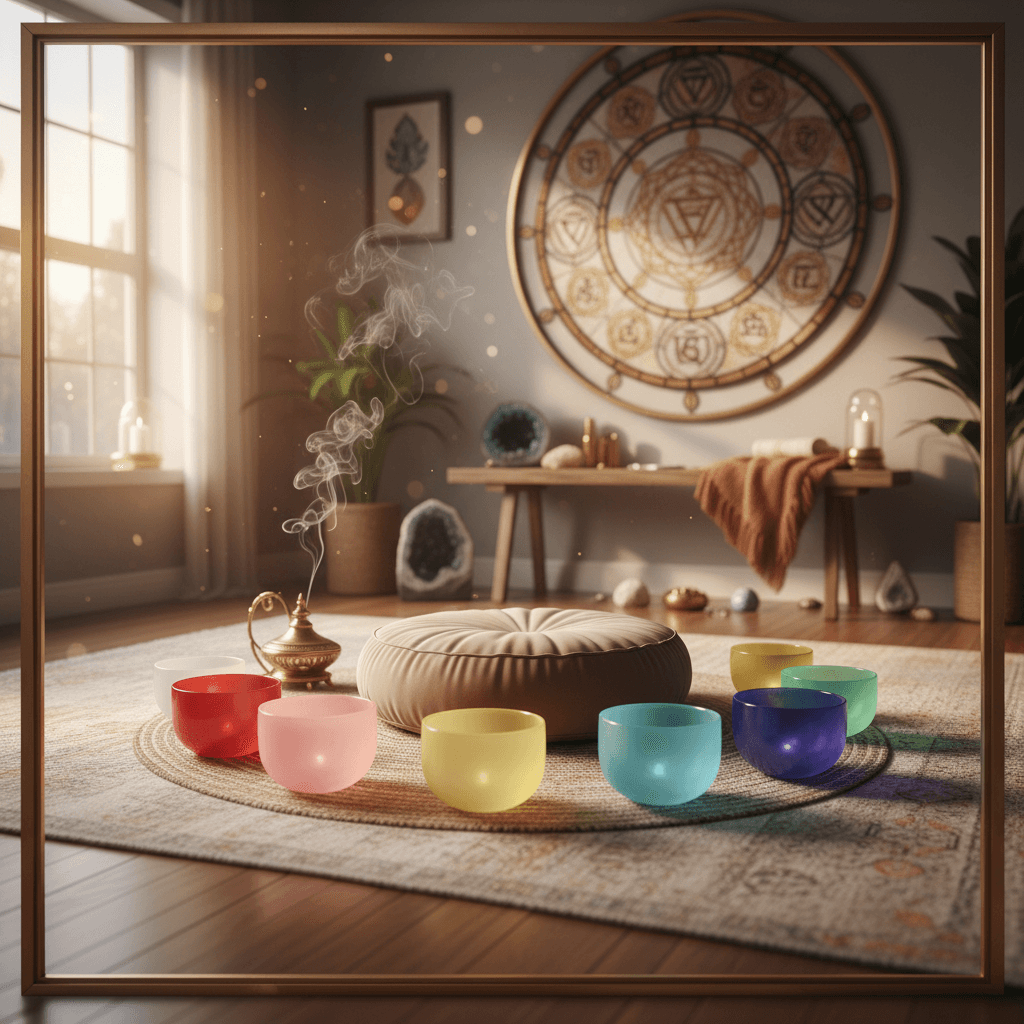
Postpartum Anxiety: Calming the New Mother with Sound Wellness
Key Insights
Discover science-backed strategies and holistic sound wellness to navigate postpartum anxiety. Learn how Soul Art Dubai, founded by Larissa Steinbach, offers profound calm.
The arrival of a new baby is often depicted as a time of unadulterated joy. Yet, for many mothers, this period can be overshadowed by a silent, often misunderstood struggle: postpartum anxiety. Far more prevalent than often discussed, some research suggests that up to 30% of women globally may experience anxiety during pregnancy, a condition that frequently predicts the development of anxiety and depression after birth. This profound shift can transform the early days of motherhood into a landscape of worry, fear, and relentless mental agitation.
Imagine navigating the beautiful, demanding journey of new motherhood while an internal storm rages, questioning every decision and magnifying every challenge. This is the reality for countless women, and it’s a reality that demands compassionate understanding and effective, accessible support. This article delves into the scientific underpinnings of postpartum anxiety, explores how various interventions can offer solace, and reveals how holistic wellness practices, particularly those offered at Soul Art Dubai by Larissa Steinbach, can provide a profound sense of calm and restoration. We will explore how sound, mindfulness, and dedicated self-care can become powerful allies in nurturing both mother and baby.
The Science Explained: Unpacking Postpartum Anxiety
Postpartum anxiety (PPA) is more than just the "baby blues"; it's a complex condition rooted in a combination of hormonal shifts, genetic predispositions, and the intense psychological demands of new motherhood. It can manifest as excessive worry, panic attacks, obsessive-compulsive symptoms, or a pervasive sense of dread. Understanding its mechanisms is the first step toward finding effective strategies for peace.
Hormonal & Neurobiological Underpinnings
The dramatic hormonal fluctuations following childbirth play a significant role in triggering postpartum mood disorders. Early discoveries in the 1980s by researchers like Paul and Maria Majewska, Ph.D., revealed that hormones such as progesterone and its derivatives possess calming and anxiety-reducing effects. Their extensive research illuminated that these anxiolytic effects arise from enhancing the activity of Gamma-Aminobutyric acid (GABA). GABA, the brain's main inhibitory neurotransmitter, works to reduce neuronal activity, thereby promoting a state of calm.
Research by Guidotti and colleagues further confirmed that allopregnanolone, a neurosteroid, is produced in the brain and helps regulate neuronal excitability by acting on GABA receptors. While acute stress can influence neurosteroids, prolonged stress, such as that experienced by new mothers, can lead to a decrease in allopregnanolone in brain regions vital for regulating anxiety- and depression-like behaviors. This foundational research paved the way for the first medication approved for postpartum depression (PPD), brexanolone, which works by mimicking allopregnanolone’s action on GABA receptors. This highlights the profound biological basis of these conditions and the potential for interventions that modulate these pathways.
The Interconnectedness of Postpartum Distress
Postpartum anxiety rarely exists in isolation. Studies have frequently reported a strong comorbidity between PPD and PPA. For instance, Rowe et al. found that approximately 73% of women experiencing PPD also presented with anxiety symptoms, underscoring the complex nature of what they termed "postpartum distress." The Journal of Affective Disorders highlights that factors related to stress in the postpartum period particularly increase the risk for postpartum anxiety. This complex interplay means that strategies addressing general stress and emotional regulation often have synergistic benefits for both anxiety and depressive symptoms.
The period following childbirth, marked by profound physical and emotional changes, significantly increases a mother's vulnerability to emotional crises and mood swings. Fatigue, the physical toll of labor, medication effects, and challenges with breastfeeding can all contribute to heightened stress and anxiety. Such distress can negatively impact crucial mother-infant communication, attachment, and even the initiation and continuation of breastfeeding, with some evidence suggesting maternal stress can reduce oxytocin secretion, hindering milk reflux. This illustrates a cascading effect, where maternal well-being is intrinsically linked to infant development and bonding.
Evidence-Based Approaches for Support
Recognizing the widespread impact of postpartum anxiety, researchers are continually exploring effective interventions. A significant clinical trial led by Pamela J. Surkan, Ph.D., Sc.D., of Johns Hopkins, demonstrated the power of early intervention. Conducted in Pakistan, the "Happy Mother-Healthy Baby" program, a cognitive behavioral therapy (CBT)-based intervention, significantly reduced the likelihood of women developing moderate-to-severe anxiety, depression, or both six weeks postpartum. Remarkably, this intervention was administered by non-specialized providers, proving that accessible, effective support can make a dramatic difference, particularly in low-resource settings where specialist clinical care may be hard to access.
Another innovative study published in Nature showcased the remarkable efficacy of a virtual reality (VR)-enhanced mindfulness and yoga intervention. This approach significantly outperformed traditional methods in treating postpartum depression and anxiety, showing substantial and clinically significant reductions in both depressive symptoms and anxiety levels. The experimental group experienced a 24% greater decrease in depressive symptoms and a 35% greater decrease in anxiety levels, complemented by significant enhancements in cognitive control, emotional regulation, and a compelling reduction in salivary cortisol levels – a physiological marker of stress alleviation. This powerful evidence points towards the therapeutic potential of integrated mind-body practices in supporting new mothers.
How It Works in Practice: Bridging Science and Serenity
Understanding the science behind postpartum anxiety allows us to appreciate how holistic wellness practices can offer meaningful support. When we discuss interventions that reduce cortisol, enhance emotional regulation, or promote calming neurotransmitter activity, we are talking about tangible physiological shifts that translate into a palpable sense of peace for the new mother. Practices like sound wellness, mindfulness, and gentle movement are not merely relaxing; they are active engagements with the nervous system, designed to guide it towards equilibrium.
Consider the profound impact of deep relaxation on the body’s stress response. When the nervous system is overwhelmed, it often remains in a state of hyperarousal. Sound wellness, for example, utilizes specific frequencies and vibrations to invite the body into a state of deep rest, activating the parasympathetic nervous system – our "rest and digest" mode. This shift can naturally lead to a reduction in stress hormones like cortisol, mirroring the physiological benefits observed in the VR-enhanced mindfulness studies.
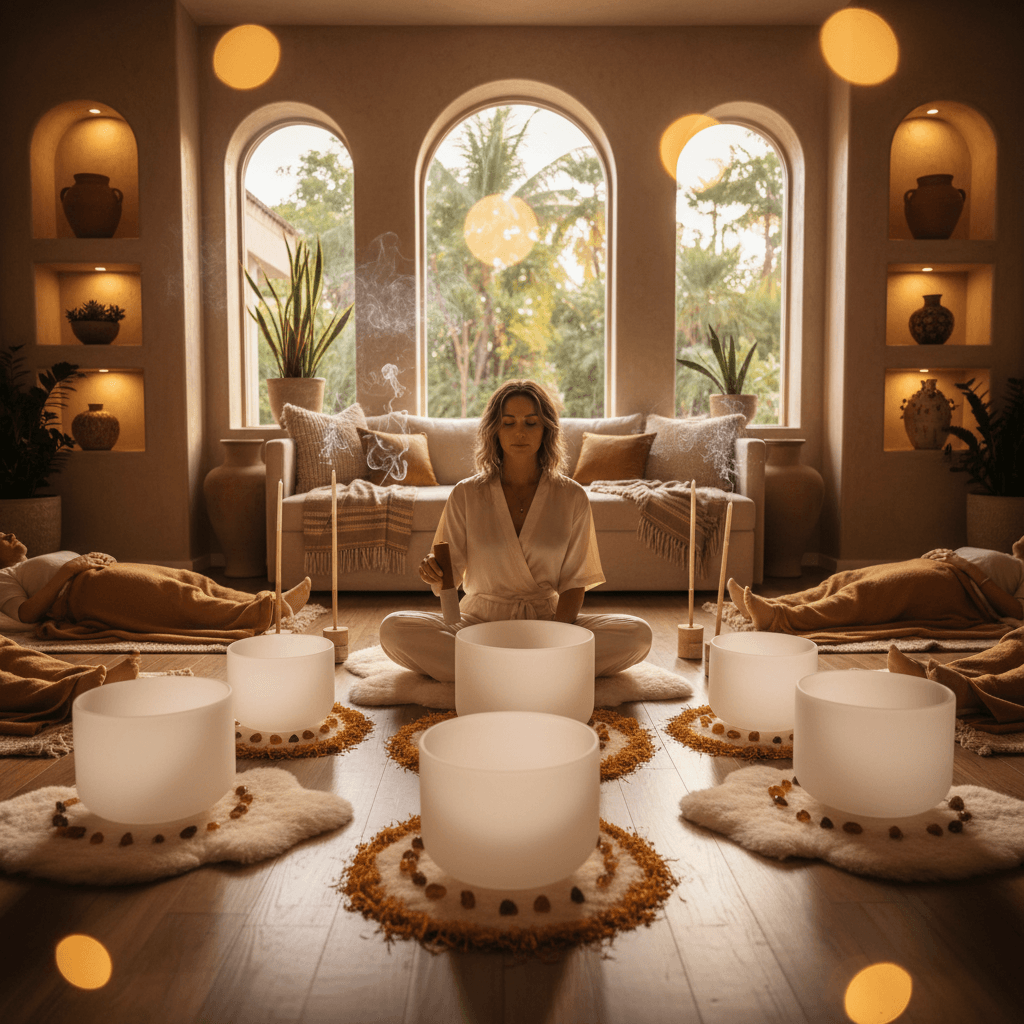
The gentle, immersive experience of a sound bath, for instance, provides an environment where the mind can release its incessant worries. The body, enveloped in resonant frequencies, may experience a deep sense of release. This kind of sensory input can serve as a potent disruptor to the cycle of anxious thoughts, helping to recalibrate cognitive control and emotional regulation. Many people report that the sustained, harmonious vibrations create a space for mental clarity and emotional spaciousness, allowing them to process feelings without becoming overwhelmed.
"True calm isn't about the absence of storms, but the peace cultivated within, ready to navigate any weather."
Moreover, incorporating elements of mindful breathing and gentle movement, akin to the yoga components in effective interventions, can further enhance these effects. These practices help ground the new mother in her body, fostering a stronger mind-body connection that is often fractured by the demands and anxieties of postpartum life. The physical sensation of the breath, combined with gentle stretches or postures, can help release tension stored in the body, providing both physical and psychological relief. This holistic engagement creates a sanctuary, not just in the external environment, but within the mother herself, empowering her with tools for self-regulation.
The Soul Art Approach: Nurturing New Mothers with Larissa Steinbach
At Soul Art Dubai, we understand that the journey of new motherhood requires a unique and profound form of support. Our philosophy, guided by founder Larissa Steinbach, is to provide a sanctuary where mothers can reconnect with their inner calm and resilience through the transformative power of sound wellness. Our approach is deeply rooted in the scientific understanding of stress and anxiety, yet delivered with a compassionate, gentle touch that honors the delicate state of the postpartum period.
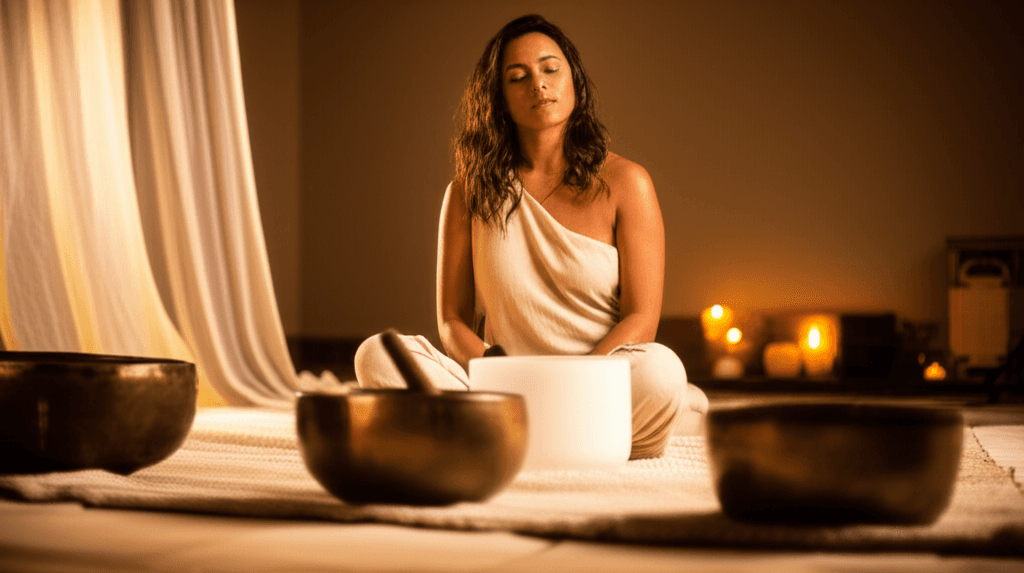
Larissa Steinbach and her team curate experiences designed to gently rebalance the nervous system. We utilize an array of sacred instruments – from resonant gongs and crystal singing bowls to chimes and tuning forks. Each instrument is played with intention, creating intricate soundscapes that invite the body and mind into a state of deep relaxation, echoing the stress-alleviating effects seen in studies involving mindfulness and physiological markers like cortisol. The harmonious vibrations permeate the body, encouraging cellular resonance and promoting a profound sense of inner peace.
What makes the Soul Art method unique is its dedication to creating an immersive, safe, and nurturing environment specifically tailored for new mothers. We recognize that accessing clinical care can be challenging, as noted in the Johns Hopkins study. Our studio offers a complementary approach to well-being, providing a non-clinical space for emotional processing and physical rest. The gentle nature of sound wellness means it is accessible to mothers at various stages postpartum, regardless of their physical activity levels, making it an ideal self-care practice.
Our sessions, led by Larissa Steinbach, are more than just passive listening; they are guided experiences that integrate mindful breathing and gentle awareness practices. This combination helps mothers to anchor themselves in the present moment, fostering emotional regulation and cognitive control – key benefits identified in successful interventions for postpartum anxiety. We believe that by offering a space for deep restoration, Soul Art empowers mothers to navigate the challenges of their new role with greater serenity and strength, supporting their overall holistic wellness.
Your Next Steps: Cultivating Calm in Motherhood
Navigating postpartum anxiety requires a multi-faceted approach, combining self-care, community support, and potentially complementary wellness practices. While the journey can feel overwhelming, there are tangible steps you can take to foster a sense of calm and well-being. Remember, seeking support is a sign of strength, not weakness.
Here are some actionable steps you can implement starting today:
- Maximize Rest Opportunities: Aim for at least one uninterrupted stretch of sleep, ideally four hours, by coordinating with your partner or a trusted helper. Prioritize rest whenever the baby sleeps, and be mindful of caffeine intake. Quality rest is fundamental to nervous system recovery.
- Embrace Physical Activity: Gentle movement is a powerful anti-anxiety strategy. Activities that incorporate breathing exercises, such as yoga or mindful stretching, can be particularly helpful. Even a short daily walk can significantly uplift your mood and reduce tension.
- Nurture Connections: Spend time with other mothers, whether in person or online. Sharing experiences and fears can be incredibly validating and can reduce feelings of isolation. Community support is a crucial component of postpartum well-being.
- Prioritize Bonding & Touch: Cuddling your baby frequently can release oxytocin, often referred to as the "love hormone," which has been associated with lowered anxiety levels. This beautiful connection benefits both mother and child.
- Ask for and Accept Help: Caring for a baby truly requires a village. Do not hesitate to ask for assistance with household chores, meals, or baby care, allowing yourself precious moments to rest or engage in self-care. Delegate when possible to ease your load.
These practical steps, when combined with dedicated wellness practices, can make a significant difference. If you're ready to explore a deeper path to restoration and calm, we invite you to experience the unique tranquility offered by Soul Art.
Bookings Coming Soon
Soul Art is still in preparation. Session details and booking will be published here after launch.
Coming Soon
In Summary: A Path to Postpartum Peace
Postpartum anxiety is a prevalent, complex, and treatable condition affecting many new mothers, rooted in neurobiological shifts and exacerbated by the demands of early motherhood. Scientific research highlights the importance of early intervention, the efficacy of mind-body practices in reducing symptoms and physiological stress markers, and the power of accessible support. While often invisible, its impact on a mother's well-being and her bond with her child is profound.
Soul Art Dubai, founded by Larissa Steinbach, offers a complementary path to managing postpartum anxiety through expertly guided sound wellness experiences. By harnessing the calming power of resonant frequencies, mindful presence, and a nurturing environment, we aim to support new mothers in restoring their nervous systems, reducing stress, and cultivating inner peace. We believe every mother deserves to experience the profound joy of motherhood with a calm heart and a clear mind.
Related Articles
HRT & Sound Therapy: A Synergistic Path to Hormonal Well-being
Nurturing Implantation: Sound Wellness During the Two-Week Wait
Womb Healing: Deep Feminine Restoration at Soul Art Dubai