Revitalize Recovery: Low-Frequency Sound's Post-Workout Power
Key Insights
Unlock superior athletic recovery and nervous system calm with low-frequency sound at Soul Art Dubai, founded by Larissa Steinbach.
The secret to unlocking peak performance and maintaining long-term vitality isn't solely found in the intensity of your workouts. It lies equally, if not more profoundly, in the quality of your recovery. While many athletes and fitness enthusiasts focus on stretching and nutrition, a crucial element often remains overlooked: the transformative power of low-frequency sound.
Imagine a recovery method that not only soothes sore muscles but also rebalances your nervous system, accelerates cellular repair, and reduces mental fatigue. This innovative approach harnesses the subtle yet profound influence of sound vibrations to optimize your body's natural restorative processes. At Soul Art Dubai, founded by the visionary Larissa Steinbach, we invite you to discover how this scientifically-grounded wellness practice can elevate your post-workout regimen.
This article will delve into the surprising science behind low-frequency sound, revealing how it enhances circulation, reduces inflammation, and calms the autonomic nervous system. We will explore its practical application, what clients experience, and how Soul Art crafts bespoke sessions for unparalleled recovery. This isn't just about faster muscle repair; it's about cultivating holistic well-being, reducing stress, and unlocking a deeper level of physical and mental resilience.
The Physiological Symphony of Recovery
After an intense workout, your body enters a critical recovery phase, often characterized by significant physiological shifts. The sympathetic nervous system, responsible for our "fight or flight" response, tends to remain dominant, increasing heart rate and vascular tone as the body works to repair and adapt. This sustained sympathetic activity, while necessary initially, can hinder optimal recovery if prolonged.
Metabolic byproducts, such as lactate, accumulate in muscle tissues, contributing to soreness and fatigue. Furthermore, intense physical exertion can lead to microscopic muscle damage and localized inflammation, requiring a coordinated effort from the cardiovascular and nervous systems to repair and rebuild. Effective recovery hinges on the efficient clearance of these byproducts, the reduction of inflammation, and a swift transition back to parasympathetic dominance.
Achieving a swift and effective recovery requires more than just passive rest; it demands active support for the body’s innate healing mechanisms. Practices that help rebalance the autonomic nervous system, promoting parasympathetic activity, are invaluable. When the body shifts into this "rest and digest" state, it optimizes processes like muscle protein synthesis, glycogen replenishment, and cellular repair, setting the stage for enhanced performance in subsequent training sessions.
The Power of Low-Frequency Vibration
Emerging scientific research is shedding light on the remarkable benefits of low-frequency vibration (LFV) for post-exercise recovery. One particularly insightful study highlighted the efficacy of 15 Hz low-body vibration (LBV) applied immediately after exercise. This specific frequency was observed to significantly reduce vascular tone, an effect indicated by a lower Resistive Index (RI) and a longer Pulse Propagation Time (PPT). These changes suggest improved blood flow and reduced arterial stiffness, crucial for nutrient delivery and waste removal.
The study further demonstrated that 15 Hz LFV accelerates heart rate recovery, a key indicator of cardiovascular fitness and efficient physiological regulation. Crucially, it was found to reduce sympathetic nerve activity while simultaneously facilitating parasympathetic nerve activity. This dual action is vital, as it helps the body transition from the stress response of exercise back to a state of calm and repair. The researchers noted that these beneficial effects were specific to 15 Hz vibration and were not observed at lower frequencies, such as 5 Hz, underscoring the importance of precise frequency application.
The vasodilatory effects observed with 15 Hz vibration are believed to involve a reduction in endothelin secretion and an increase in endothelial nitric oxide production. Nitric oxide is a potent vasodilator, meaning it helps relax and widen blood vessels, further enhancing circulation. By augmenting post-exercise vascular relaxation, low-frequency sound may reduce cardiac afterload, thereby decreasing the heart's workload. Additionally, faster reactivation of vagal activity, a component of the parasympathetic nervous system, has been associated with a decrease in ventricular arrhythmia, contributing to overall cardiovascular health and resilience.
Beyond Blood Flow: Muscle and Nerve Benefits
The influence of low-frequency sound extends far beyond cardiovascular improvements, directly impacting muscle health and pain perception. Vibroacoustic therapy, which utilizes low-frequency sound vibrations applied directly to muscle groups, has been shown to improve localized circulation and significantly reduce muscle stiffness. This can be particularly beneficial after strenuous exercise, when muscles often feel tight and rigid.
Preliminary research on low-frequency sound stimulation (LFSS) also suggests its potential to improve physical function and muscle tone. In studies involving conditions like fibromyalgia, LFSS treatment was associated with increased cervical muscle range of motion and a change from hypertonic (overly tense) to normal muscle tone. While these studies focused on chronic conditions, the underlying mechanisms of muscle relaxation and improved flexibility hold promising implications for post-workout recovery, helping to alleviate exercise-induced muscle tension and enhance mobility.
Low-frequency vibration also plays a significant role in pain perception. It has been observed to activate mechanoreceptors, specialized sensory receptors in the skin and muscles that respond to mechanical pressure and vibration. This activation may reduce pain signals through mechanisms like the gate control theory, where non-painful input can override painful sensations. Coupled with direct muscle relaxation and preliminary evidence suggesting decreased inflammation, low-frequency sound offers a multifaceted approach to managing post-exercise soreness and discomfort.
Hormonal Harmony and Mental Calm
Recovery is not purely a physical endeavor; it profoundly impacts our mental and emotional states. Intense training can lead to prolonged sympathetic dominance, which may elevate cortisol levels, a primary stress hormone. High cortisol can increase inflammation and hinder the cellular signaling necessary for muscle repair and glycogen replenishment, thereby impeding recovery. Low-frequency sound interventions have been associated with beneficial hormonal shifts, including a decrease in cortisol and an increase in feel-good hormones like serotonin and oxytocin.
These hormonal changes contribute to a significant reduction in stress responses, often within a single session. Sound frequencies, especially those delivered as gongs, bowls, or harmonic drones, induce deep relaxation that can interrupt rumination and negative thought loops. The calming effect facilitates a natural shift towards parasympathetic dominance, which is essential for comprehensive restoration. Research on binaural beats, which involve two slightly different frequencies played in each ear, also notes enhanced relaxation and reduced anxiety, creating an optimal environment for both physical and mental recovery.
Furthermore, preliminary research suggests that music therapy and specific sound frequencies may reduce markers of inflammation post-exercise. By addressing both the physical and psychological aspects of recovery, low-frequency sound offers a truly holistic approach. It aids in nervous system regulation, combats the negative effects of prolonged cortisol elevation, and fosters a state of mental clarity and emotional stabilization, making it an invaluable tool for athletes and individuals seeking to optimize their overall well-being.
How It Works in Practice
Connecting the scientific theory to real-world application, a session incorporating low-frequency sound for post-workout recovery is a deeply immersive and restorative experience. Clients typically recline on a specialized vibroacoustic bed or lounge, designed to transmit precise sound frequencies directly into the body. This isn't just about hearing the sound; it's about feeling it permeate every cell.
The sensation often begins as a gentle hum, evolving into a profound, resonating vibration that travels through the body. You might feel a deep release of tension in specific muscle groups, a softening in areas that felt rigid or tight after your workout. Many report a warmth spreading through their limbs, indicative of enhanced circulation as blood vessels dilate and flow improves. This direct physical engagement with the sound bypasses mental resistance, allowing for a deeper level of relaxation and somatic release.
Beyond the physical, the mental and emotional experience is equally transformative. The low-frequency sounds, often combined with ambient soundscapes or binaural beats, guide the brain into slower wave states associated with deep relaxation and meditation. This facilitates a reduction in anxiety, interrupts stress cycles, and promotes a profound sense of inner calm. Clients often describe achieving a state of mental clarity, where the usual post-workout mental drain dissipates, replaced by rejuvenation.
This integrated approach actively supports various aspects of recovery. The gentle vibrations can enhance the effectiveness of guided yoga with sound frequencies, deepening muscle relaxation and flexibility. When paired with breathing exercises, slow-paced sounds can regulate breathing patterns, further reducing tension and supporting autonomic balance. Progressive muscle relaxation techniques become more potent when coupled with calming frequencies, accelerating recovery from soreness by harmonizing mind and body.
The Soul Art Approach
At Soul Art Dubai, Larissa Steinbach has meticulously developed a unique and highly effective approach to leveraging low-frequency sound for post-workout recovery. Her philosophy is centered on providing bespoke, curated experiences that honor the individual needs of each client. We understand that recovery is not a one-size-fits-all process, and our sessions are tailored to address specific physical demands and emotional states.
What sets the Soul Art method apart is its holistic integration of cutting-edge technology with ancient sound healing wisdom. We utilize state-of-the-art vibroacoustic beds and lounges, capable of delivering precise low-frequency vibrations that penetrate deeply into the body. These advanced systems allow us to target specific frequencies, such as the scientifically-backed 15 Hz, known for its cardiovascular and muscle recovery benefits. Larissa Steinbach’s expertise ensures that these frequencies are applied optimally for maximum therapeutic effect.
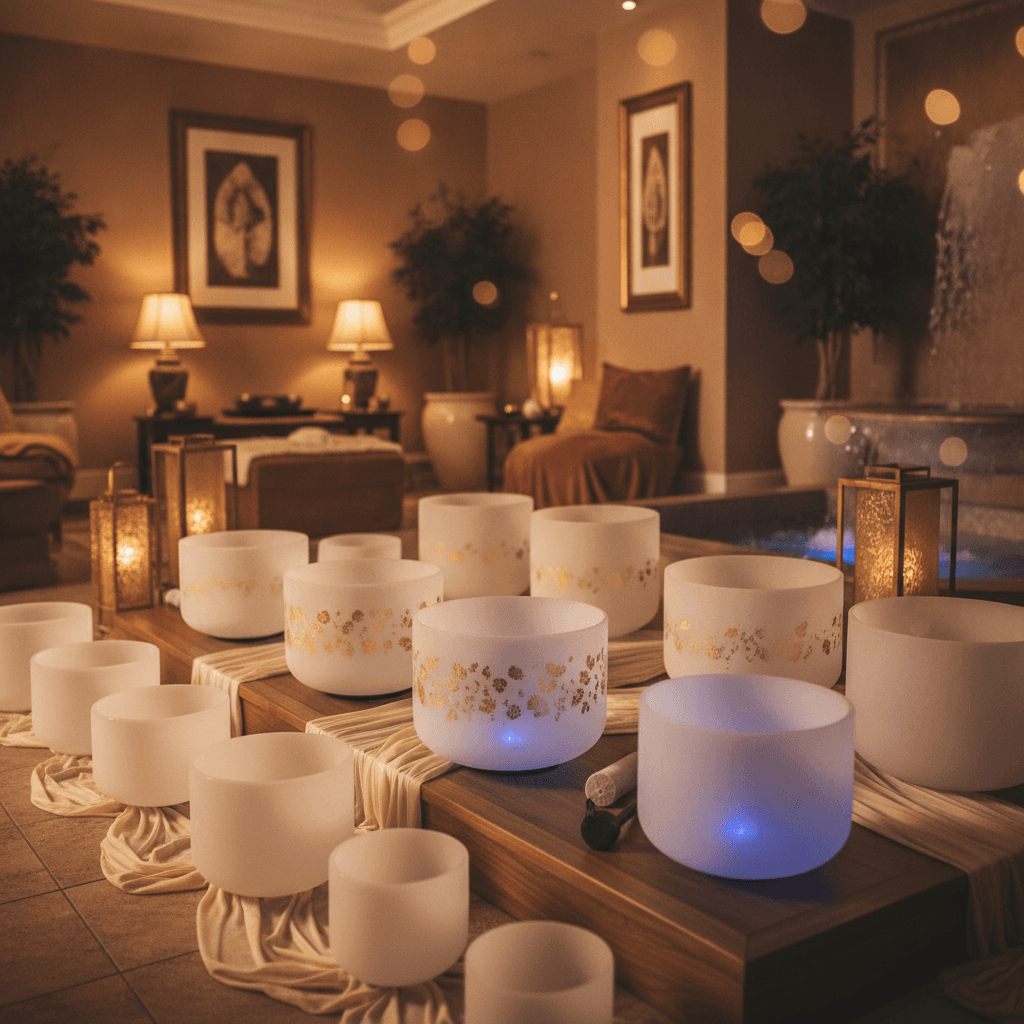
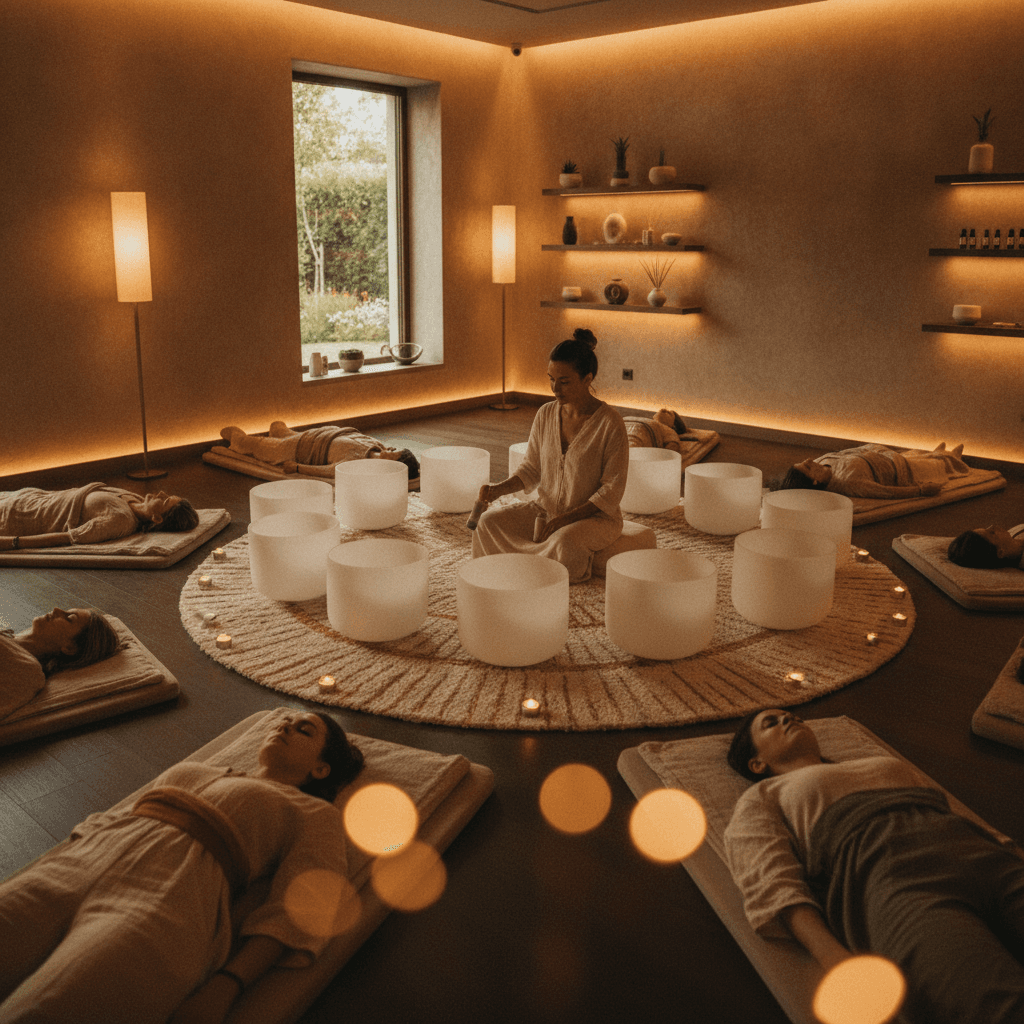
In addition to the vibroacoustic technology, our sessions often incorporate a symphony of traditional sound healing instruments. The deep resonance of gongs, the pure tones of crystal bowls, and the subtle vibrations of tuning forks are thoughtfully blended to create a multi-sensory experience. These instruments generate harmonic drones and therapeutic soundscapes that complement the low-frequency vibrations, facilitating even deeper states of relaxation and healing.
Guided meditation and breathwork form another integral component of the Soul Art approach. Expert facilitators guide clients through mindful breathing techniques and visualizations, enhancing the nervous system's ability to downregulate and transition into a restorative state. This conscious engagement with breath, amplified by the surrounding sound, fosters a powerful mind-body connection crucial for comprehensive recovery. Larissa Steinbach’s vision for Soul Art is to create an oasis of "quiet luxury," where every detail is designed to promote optimal well-being and allow the body to truly reset and rejuvenate after physical exertion.
Your Next Steps
Incorporating low-frequency sound into your post-workout recovery is a powerful step towards holistic well-being, but it’s part of a larger, integrated strategy. Here are actionable steps you can implement today to optimize your recovery and enhance your overall vitality:
- Prioritize Hydration and Nutrition: Ensure you are replenishing fluids and electrolytes post-workout. Focus on nutrient-dense foods, especially lean protein for muscle repair and complex carbohydrates for glycogen restoration.
- Integrate Active Recovery: Don't just sit still. Engage in gentle, low-impact activities like walking, light yoga, or cycling within 24-48 hours of intense training. This promotes blood flow, delivering vital nutrients and clearing metabolic byproducts.
- Practice Mindful Breathing and Meditation: Dedicate 10-15 minutes daily to controlled breathing exercises or meditation. These practices directly influence your autonomic nervous system, decreasing heart rate, enhancing vagal tone, and reducing the stress hormone cortisol.
- Prioritize Quality Sleep: Aim for 7-9 hours of uninterrupted sleep each night. Sleep is when the body undertakes its most significant repair and recovery processes, including muscle growth and hormonal regulation.
- Explore Sound Wellness Sessions: Consider incorporating low-frequency sound sessions into your routine. This complementary approach can accelerate physical recovery, rebalance your nervous system, and provide deep mental relaxation, acting as a profound catalyst for your body's innate healing capabilities.
Ready to transcend conventional recovery methods and experience the profound benefits of low-frequency sound? We invite you to explore the personalized sound wellness journeys crafted by Larissa Steinbach and the dedicated team at Soul Art Dubai. Discover how targeted vibrations can not only accelerate your physical recovery but also restore your mental clarity and emotional balance.
In Summary
The journey to optimal post-workout recovery extends beyond traditional methods, encompassing the profound impact of low-frequency sound. Scientific research underscores its ability to accelerate heart rate recovery, reduce vascular tone, and rebalance the autonomic nervous system by enhancing parasympathetic activity. This leads to improved circulation, reduced muscle stiffness, and a significant decrease in post-exercise pain and inflammation.
Moreover, low-frequency sound fosters mental calmness, reduces anxiety, and helps regulate stress hormones like cortisol, thereby supporting holistic well-being. At Soul Art Dubai, Larissa Steinbach and her team harness this science to create bespoke vibroacoustic sessions that guide your body into a deep state of repair and rejuvenation. By embracing this complementary wellness practice, you can unlock a superior level of recovery, fostering both physical resilience and mental serenity. We invite you to experience this transformative path to recovery at Soul Art.
Bookings Coming Soon
Soul Art is still in preparation. Session details and booking will be published here after launch.
Coming Soon
Wellness Disclaimer: This article is for educational and informational purposes only. It does not constitute medical advice, diagnosis, or treatment. Soul Art Dubai provides non-medical wellness experiences focused on relaxation, stress management, and general wellbeing. Sound wellness is a complementary practice and should not replace professional medical care.
Related Articles
Unveiling the Enduring Calm: Aftereffects of Vibroacoustic Sessions at Soul Art

Unlocking Relief: Vibroacoustic Relaxation for Back Tension

Harmonize Your Being: Choosing Between Sound Bowl and Vibroacoustic Sessions at Soul Art