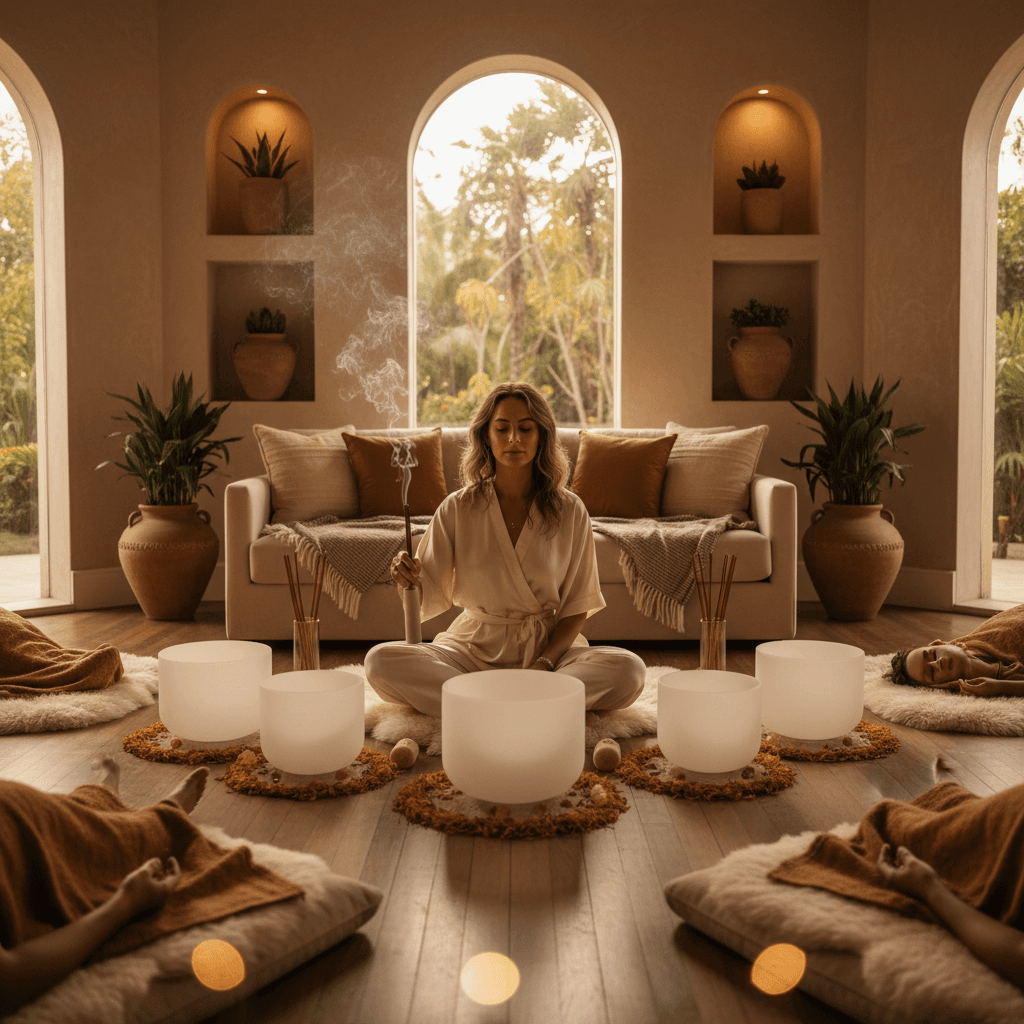
Pilgrimage: Unveiling Sound's Sacred Power at Ancient Sites
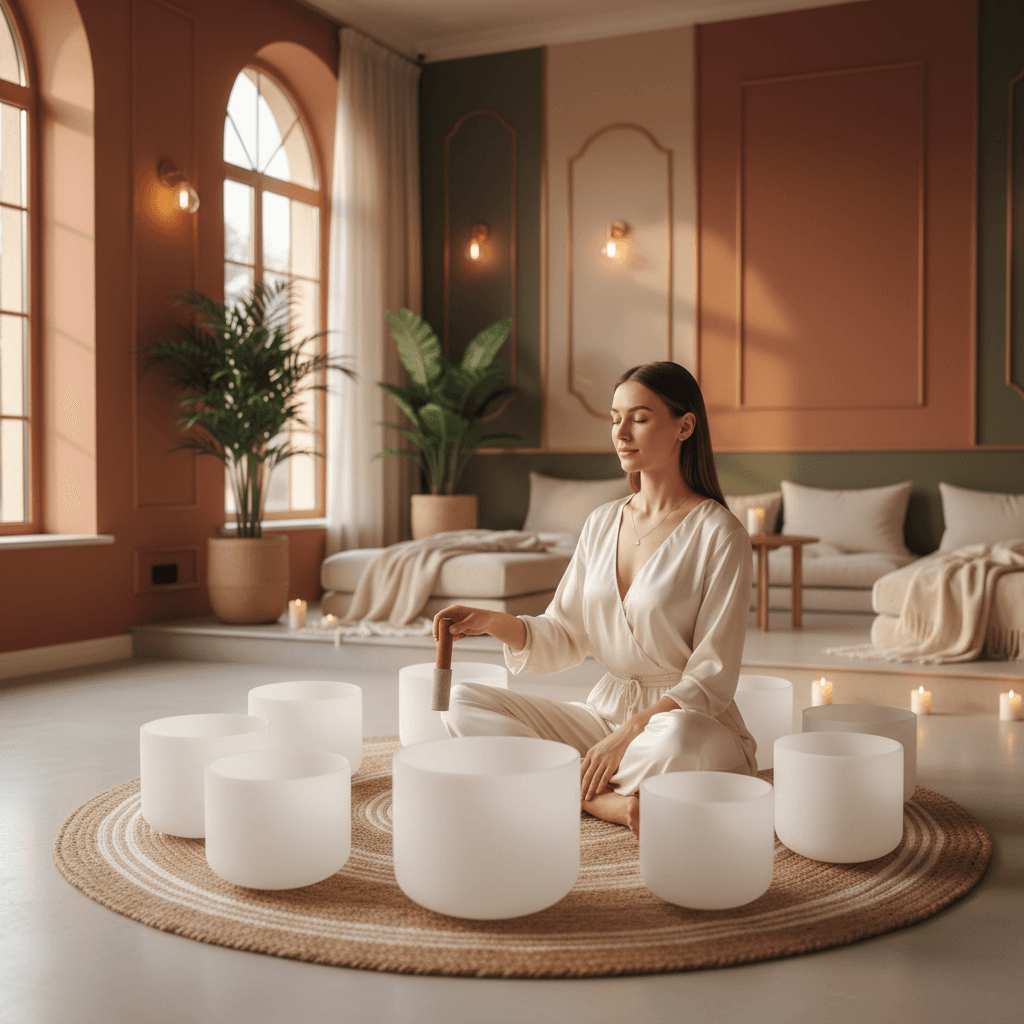
Key Insights
Explore the profound connection between sound, spirituality, and sacred sites. Discover how archaeoacoustics and resonant frequencies enhance wellbeing at Soul Art, led by Larissa Steinbach.
From the echoing halls of ancient cathedrals to the resonant chambers of prehistoric temples, sound has always played a profound, often overlooked, role in shaping human spiritual experience. Imagine standing in a sacred space, not just seeing its architecture, but feeling its sonic essence reverberate through your very being. What if these ancient builders intentionally designed these spaces to harness specific frequencies for spiritual or psychological effect?
This journey into "Pilgrimage: Sound at Sacred Sites" unveils the fascinating field of archaeoacoustics and its revelations about our ancestors' sophisticated understanding of sound. We will explore how specific acoustic properties of holy places may have influenced ritual, fostered communal connection, and even impacted individual consciousness. Understanding these historical insights offers a unique lens through which to view modern wellness practices, including those championed by Larissa Steinbach and Soul Art in Dubai.
Prepare to discover the deep scientific and spiritual connections between sound, sacred geometry, and human wellbeing. This article will show you how these ancient sonic wisdoms are being revitalized today, offering potent tools for contemporary self-care and profound personal transformation. We will bridge the gap between historical reverence and modern-day application, guiding you towards a richer, more resonant existence.
The Science of Sacred Soundscapes
The study of sound within sacred spaces, both ancient and contemporary, reveals a meticulous and often intentional design that extends far beyond mere aesthetics. This field, bridging archaeology, acoustics, and neuroscience, offers compelling insights into how sound can profoundly influence human experience. Researchers are increasingly using objective analyses alongside subjective perceptions to understand this intricate relationship.
Archaeoacoustics: Listening to Ancient Echoes
Archaeoacoustics is the captivating study of sound within archaeological contexts, focusing on how ancient spaces were deliberately engineered to manipulate acoustics for cultural or religious purposes. This discipline provides invaluable insights into the sophisticated understanding of sound held by past civilizations, revealing their ability to craft environments that enhanced specific rituals and ceremonies. These ancient architects did not just build; they composed sonic landscapes.
Researching the acoustics of ancient religious sites employs a multi-faceted approach. Techniques include in-situ acoustic measurements, where researchers gather data on sound levels and reverberation directly within the space. Additionally, acoustic simulations help hypothesize how sound functioned in its original state, accounting for missing structures or materials. Material analysis informs these simulations, as the composition of walls and floors significantly impacts sound absorption and reflection. Finally, historical records and ethnographic studies provide crucial cultural context, explaining the specific uses of sound in these societies.
A well-known example of archaeoacoustics at work is the Hagia Sophia in Istanbul. Its massive central dome was engineered to create a unique echo effect, dramatically enhancing the recitation of prayers and chants. Similarly, studies at the Pyramid of Chichen Itza have revealed how hand claps produce an echo remarkably similar to the call of a quetzal bird, a creature of significant cultural importance. These examples highlight how acoustics were not incidental but integral to the spiritual and symbolic meaning of these sites.
The acoustics in such environments typically aim for a delicate balance between reverberation and clarity of sound. Reverberation time, defined as the time it takes for sound to decay by 60 decibels after its source stops, is a critical parameter. This balance ensures that sacred hymns and chants are impactful and enveloping without becoming an unintelligible muddle. The combination of space, materials, and design contributes to an immersive sonic experience, fostering a heightened sense of reverence and presence for the congregation.
The Neurophysiological Impact of Frequencies
Beyond the architectural design, specific sound frequencies themselves appear to have a direct neurophysiological effect, particularly when generated within sacred geometries. Pioneering research by Dr. Alfred Tomatis suggests that sounds rich in high-frequency harmonics, such as those found in Gregorian chants, are exceptionally beneficial. He observed that frequencies around 8000 Hz are capable of "charging" the central nervous system and the cortex of the brain. This may support enhanced brain activity and cognitive function.
The ear's profound neurological involvement extends to nearly all cranial nerves, notably those related to vision and movement, and even the vagus nerve. This nerve influences vital functions including the larynx and bronchi, highlighting the ear's role as a major conduit for sensory input that affects the entire body. When individuals make music or chant within sacred shrines, the vibratory field generated by their sounds, combined with the sacred geometry of the structure, creates a powerful resonance. This resonance has been associated with an awakening and quickening of spiritual consciousness, as many people report a heightened state of awareness.
Preliminary studies, such as those analyzing the King's Chamber in the Great Pyramid of Giza, suggest that its dimensions were chosen to create a resonant frequency of around 117 Hz. While the exact methods of ancient Egyptians remain unknown, it is believed they used simple techniques like clapping or chanting to identify these optimal frequencies. Modern methods using sensitive microphones and spectrum analyzers have confirmed this precise frequency. Such intentional sound design may support the efficacy and potential hidden applications of sound in areas of healing and consciousness.
While much existing research on sacred places has focused on objective analyses, studying measurements like sound levels and reverberation, there is a growing interest in subjective perception. Investigations into individuals’ emotional responses to the sound environment are more pronounced in studies of Buddhist temples, for example. The "Sons als Monestirs" project, which examines the soundscape of places like Pedralbes Monastery, aims to understand how sound fosters a connection between individuals and sacred spaces, bridging the gap between objective measurement and subjective spiritual experience.
Soundscapes and Spiritual Connection
The overall soundscape of a sacred place – encompassing both intentional sounds like chants and ambient sounds like gurgling water – is a key factor in shaping spiritual experiences. This collective acoustic environment helps to foster a deeper connection between individuals and the sanctity of the space. Different religious traditions emphasize sound in unique ways, reflecting their distinct doctrines and activities.
For instance, Christianity often highlights bells and sacred music, where sound serves to uplift and inspire. In Islam, the primary religious activities of reading and teaching the Quran place a significant focus on speech intelligibility within religious venues like mosques. The acoustic design of these spaces is crucial to ensure clarity for worshipers, and studies even explore acoustic comfort as a factor in the suitability of a main hall for worship.
Buddhist traditions, in contrast, often prioritize the individual's perception and emotional response to sound, integrating contemplative practices that engage with the sonic environment. This variation underscores the diverse ways sound can serve spiritual purposes, from communal worship to introspective meditation. What unites these traditions is the understanding that sound is not merely background noise, but an active participant in the sacred experience.
Moreover, the presence of specific natural sounds may support profound relaxation and a sense of ease. One study noted that the gurgling sound of water from a pond in front of a mosque could effectively mask background noise, minimizing distractions and putting hearts at ease. This demonstrates how both designed and natural acoustic elements contribute to an overall sense of peace and sacredness. When we pay attention to sound, it allows us to think about religious practices in ways that transcend texts and institutions, deepening our understanding of what constitutes religious practice itself.
"When you pay attention to sound, it allows one to think about religious practices in ways that get beyond texts and institutions because sound travels." — Amy DeRogatis, Professor and Chair of the Department of Religious Studies at Michigan State University
This insight highlights how sound creates a universal language that transcends cultural and religious boundaries, inviting exploration and understanding across diverse traditions. The immersive quality of soundscapes, whether ancient or modern, continuously shapes our experience and connection to the sacred.
Experiencing the Resonance: From Ancient Sites to Modern Wellness
The principles unveiled by archaeoacoustics and the study of neurophysiological sound impacts are not confined to historical analysis; they hold profound relevance for contemporary wellness practices. Imagine how the deliberate acoustic design of ancient sites, intended to elevate consciousness and foster spiritual connection, can be reinterpreted for modern self-care. This connection transforms theoretical knowledge into tangible, restorative experiences.
When we consider the intentional use of sound design in ancient Egyptian temples, designed to create specific resonant frequencies, we can appreciate the foresight of those civilizations. They understood that certain sonic environments could induce states conducive to deep contemplation, healing, or communion. Modern wellness studios, drawing on these ancient insights, strive to replicate and adapt these principles to support individual wellbeing in today's fast-paced world.
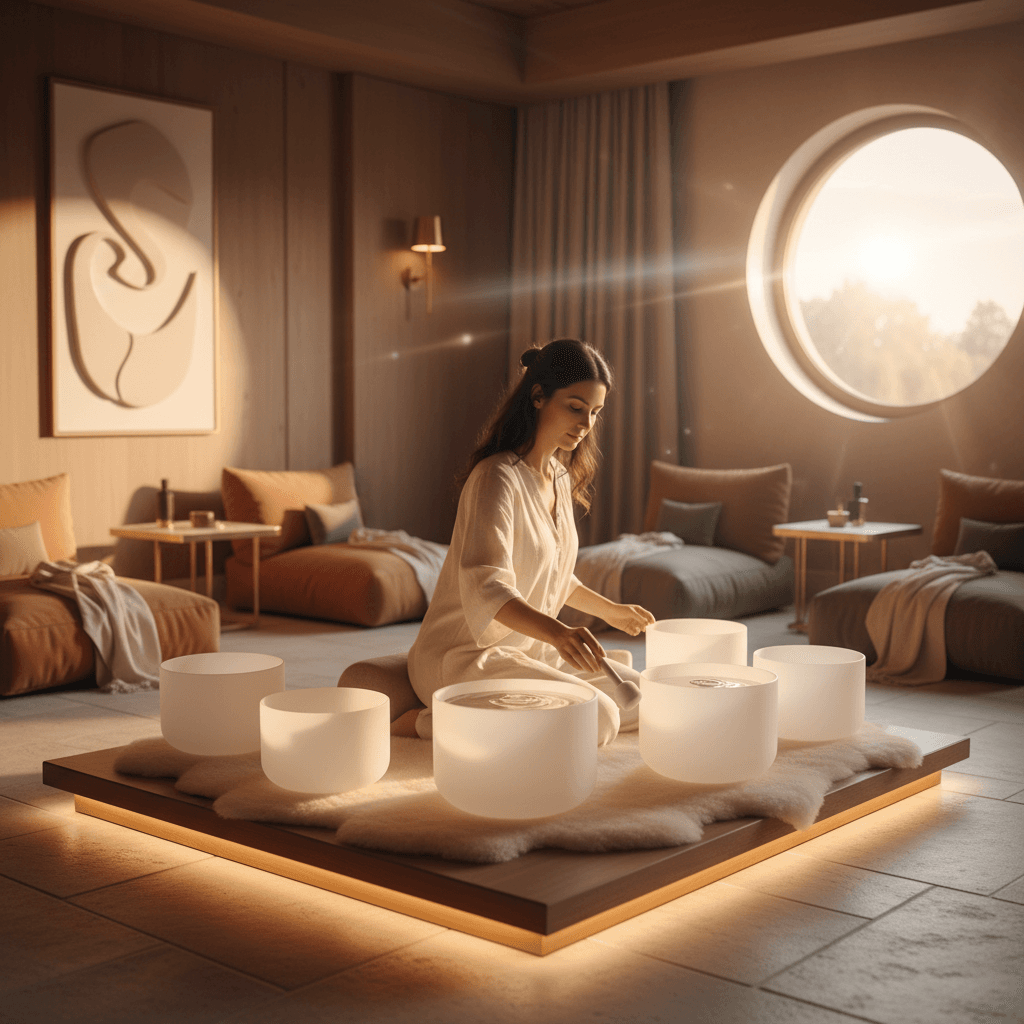
Clients at a sound wellness studio can experience a range of profound sensory details. The enveloping resonance of large gongs, for instance, can mimic the feeling of being immersed in a vast, echoing chamber, much like those found in ancient cathedrals. The gentle, sustained vibrations of singing bowls may support the body’s relaxation response, encouraging mental clarity and emotional release. These experiences are designed to allow individuals to perceive sound not just with their ears, but with their entire being, feeling the vibrations permeate every cell.
The translation of these principles to practice involves creating an environment where individuals' perceptions and emotional responses are prioritized. Unlike objective acoustic measurements, a sound wellness session focuses on the subjective journey of the participant. Through guided meditation and focused listening, practitioners encourage a deep engagement with the sonic landscape, enabling a personal pilgrimage inward. This internal journey can lead to deep relaxation, stress reduction, and an enhanced sense of connection to one's inner self.
Preliminary studies suggest that engaging with specific sound frequencies and resonant environments has been associated with supporting the nervous system, potentially shifting brainwave states towards more relaxed and meditative patterns. This intentional interaction with sound, whether in an ancient temple or a modern studio, serves as a powerful tool for holistic wellness. It offers a contemporary pathway to tap into the enduring power of sacred sound, much as pilgrims have done for millennia.
Larissa Steinbach's Vision: Soul Art's Unique Resonance
At Soul Art in Dubai, Larissa Steinbach stands at the forefront of translating these ancient sonic wisdoms and scientific insights into transformative wellness experiences. Her vision is to create a modern sacred space where individuals can embark on a deeply personal pilgrimage of sound, guided by intention and expertise. Larissa's approach is unique in its integration of historical understanding, scientific principles, and intuitive application, offering a profound pathway to holistic wellbeing.
Larissa Steinbach meticulously curates each Soul Art session, drawing upon the principles of intentional sound design that echo those found in ancient resonant chambers. She understands that just as ancient builders crafted spaces to elicit specific sonic effects, contemporary sound practitioners can consciously shape acoustic environments to foster particular states of being. This scientific grounding, combined with an empathetic understanding of human needs, forms the core of the Soul Art method.
The studio leverages a diverse array of instruments, each selected for its unique vibrational properties and potential to support relaxation and nervous system regulation. Guests experience the expansive, grounding vibrations of large gongs, reminiscent of ancient temple echoes, which may support deep meditative states. The precise, therapeutic tones of crystal and Himalayan singing bowls, combined with gentle chimes and tuning forks, are carefully orchestrated to create a resonant field. These sounds are believed to carry high-frequency harmonics that may support charging the central nervous system, much like the Gregorian chants studied by Dr. Tomatis.
Larissa's expertise extends beyond simply playing instruments; she guides participants through immersive sound journeys that integrate elements of focused listening, breathwork, and visualization. This multi-sensory approach helps to foster spiritual consciousness and create a profound sense of inner peace. Soul Art's method is about more than just hearing sound; it’s about feeling it, allowing the vibrations to harmonize the body and mind, and facilitating a deeper connection to one's self.
Larissa Steinbach's dedication to creating a space of profound resonance makes Soul Art a premier destination for sound wellness. It is where ancient wisdom meets modern science, offering a unique opportunity to recharge, rebalance, and embark on an inner pilgrimage of sound in the heart of Dubai. Each session is a testament to the enduring power of sound to nurture the soul and enhance overall wellbeing.
Cultivating Your Own Sacred Sound Journey
Embracing the profound connection between sound and wellbeing doesn't require a trip to an ancient temple; you can begin to integrate these principles into your daily life today. Cultivating a mindful relationship with sound may support stress reduction, enhanced focus, and a deeper sense of inner peace. These actionable steps offer practical ways to start your own sacred sound pilgrimage.
Here are a few practical pieces of advice you can implement:
- Practice Mindful Listening: Take moments throughout your day to consciously listen to your environment. Notice the subtle nuances of natural sounds, the rhythm of city life, or even the quiet hum of your home. This practice can heighten your auditory awareness and help you find pockets of calm.
- Explore Intentional Frequencies: Research and experiment with specific sound frequencies, such as binaural beats or Solfeggio frequencies, available through apps or online platforms. Many people report that these frequencies may support relaxation, meditation, or enhanced cognitive states.
- Incorporate Sound into Meditation: Integrate gentle sounds like chimes, singing bowls, or even soft music into your meditation practice. The consistent, pure tones may support your ability to enter deeper states of relaxation and focus, quieting mental chatter.
- Create a Personal Sonic Sanctuary: Design a corner of your home to be acoustically calming. Minimize distracting noises and introduce elements that produce soothing sounds, such as a small indoor water feature or a collection of wind chimes. This space can become your personal retreat for sonic solace.
- Experience Professional Sound Wellness: For a truly immersive and guided experience, consider booking a session at a reputable sound wellness studio. A skilled practitioner can orchestrate a profound sound journey tailored to your needs, helping you unlock deeper levels of relaxation and personal insight.
These steps can serve as your personal gateway to harnessing the transformative power of sound, connecting you to an ancient wisdom tradition that continues to resonate today. Embrace sound as a pathway to greater self-awareness and holistic wellbeing.
In Summary: The Enduring Power of Sacred Sound
Our exploration has revealed the profound and ancient connection between sound, sacred sites, and human wellbeing. From the sophisticated archaeoacoustics of historical structures to the neurophysiological impact of specific frequencies, science confirms what spiritual traditions have intuited for millennia: sound is a powerful conduit for transformation. The intentional design of sacred spaces, focusing on properties like reverberation and clarity, profoundly shaped religious experiences and fostered a deep connection between individuals and the divine.
Today, this ancient wisdom is revitalized through modern wellness practices, offering pathways to deep relaxation, emotional release, and spiritual awakening. Larissa Steinbach and Soul Art in Dubai exemplify this integration, creating bespoke sound journeys that harness resonant frequencies and expert guidance. By embracing the power of sound, whether through mindful listening or immersive sound baths, we can cultivate profound personal wellbeing and tap into a universal language that transcends time and tradition.
Bookings Coming Soon
Soul Art is still in preparation. Session details and booking will be published here after launch.
Coming Soon
Wellness Disclaimer: This article is for educational and informational purposes only. It does not constitute medical advice, diagnosis, or treatment. Soul Art Dubai provides non-medical wellness experiences focused on relaxation, stress management, and general wellbeing. Sound wellness is a complementary practice and should not replace professional medical care.
Related Articles
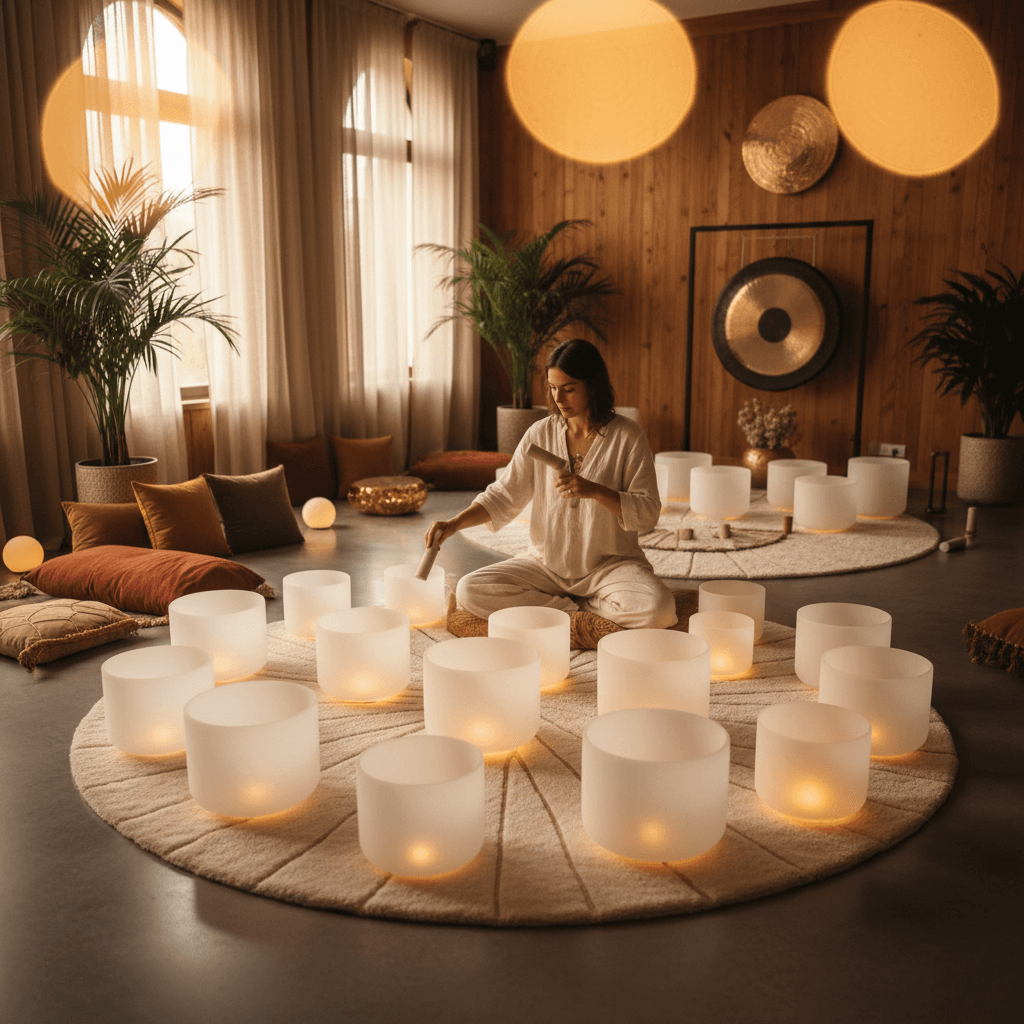
Harmonic Blueprints: Unveiling Sacred Geometry Through Sound at Soul Art
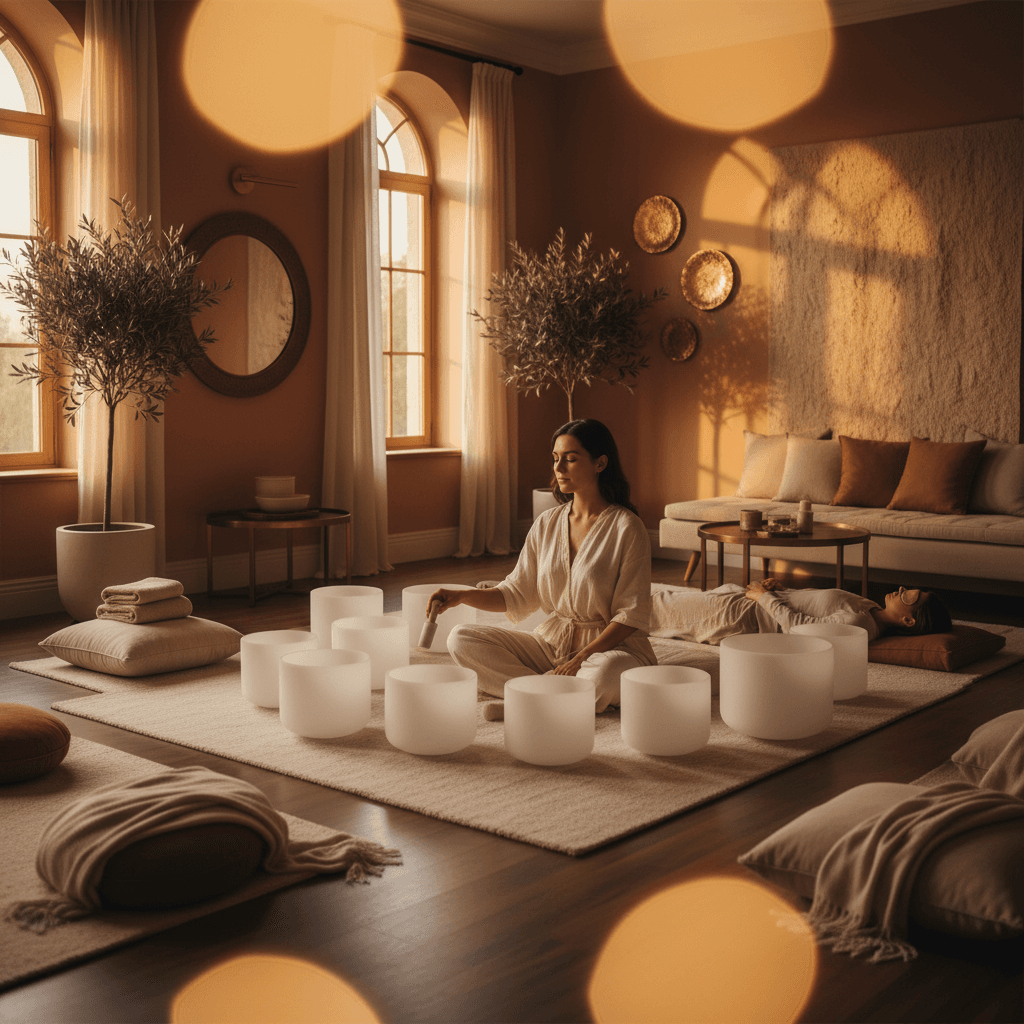
Astral Projection: Exploring Consciousness with Sound Wellness
Devotional Sound: Heart Offerings – Aligning Your Inner Resonance