Perimenopause: Sound Support for the Transition to Wellbeing
Key Insights
Explore how sound wellness at Soul Art, founded by Larissa Steinbach, offers a unique approach to navigating perimenopause symptoms like sleep issues, mood shifts, and sensory overload, supporting a smoother transition.
Perimenopause: Sound Support for the Transition to Wellbeing
Imagine navigating a significant life transition where common symptoms could persist for a median of 7 to 10 years, and for some, even longer. This is the reality for many women experiencing perimenopause, a phase often underestimated in its duration and profound impact on daily life. Up to 80% of women may experience vasomotor symptoms (VMS), such as hot flashes and night sweats, which can become more frequent as the transition progresses.
The cumulative prevalence of VMS can rise from 39% in early perimenopause to 67% in late transition, significantly affecting sleep, mood, and overall quality of life. For women who begin experiencing VMS early in their perimenopausal journey, symptoms may endure for an average of 11.8 years. This extended period underscores the critical need for effective, complementary wellness strategies.
At Soul Art, Dubai's premier sound wellness studio founded by Larissa Steinbach, we understand the multifaceted challenges of perimenopause. This article delves into the science behind these changes and explores how sound wellness may offer profound support, helping women navigate this natural yet often demanding transition with greater ease and serenity. We will connect scientific insights to practical applications, revealing how curated sound experiences can become a vital part of your self-care during perimenopause.
The Science Explained: Unpacking Perimenopause
Perimenopause marks the intricate physiological shift leading up to menopause, characterized by fluctuating hormone levels, particularly estrogen. This period, typically beginning in a woman’s mid-to-late 40s, brings a cascade of changes that affect the body and mind. It is generally divided into early perimenopause, with menstrual irregularity over spans of two months or less, and late perimenopause, where periods are missed for two to 12 months.
Hormonal Shifts and Their Systemic Impact
The decline and fluctuation of estrogen during perimenopause profoundly influence various bodily systems, including the central nervous system (CNS). This hormonal rollercoaster can trigger a spectrum of well-documented symptoms. These include the aforementioned vasomotor symptoms (VMS), sleep disturbances like insomnia, and significant mood changes such as increased sensitivity and depressive symptoms.
Beyond these, some women may also experience cognitive difficulties and changes in sensory processing, making them more susceptible to external stimuli. Research from the SWAN study (Study of Women's Health Across the Nation) indicates that the duration of VMS can be substantial, with a median of 7 to 10 years, challenging previous assumptions of shorter durations. Factors like ethnicity and body mass index have also been associated with the timing and length of this transition.
Sleep, Mood, and Cognitive Wellness
Sleep is a cornerstone of overall health, vital for memory consolidation and clearing metabolic waste products from the brain. Perimenopause often disrupts sleep quality, which in turn can exacerbate mood swings, heighten stress, and even impact cognitive function. Studies highlight that women are more sensitive to mood changes and the onset of depressive symptoms during this transitional period.
Addressing sleep disorders and VMS can have a positive ripple effect, improving mood and cognitive symptoms. Preliminary research also suggests a potential link between higher inflammatory markers and cognitive difficulties in perimenopausal women with a history of childhood adversity, indicating that systemic wellness interventions could be beneficial. Maintaining a healthy lifestyle, including good sleep, is emphasized as an accessible strategy to promote brain health and resilience during perimenopause.
Perimenopause and Sensory Overload
A less commonly discussed but significant aspect of perimenopause is sensory overload. Many women report that during this transition, the world feels "louder, hotter, brighter, or itchier" than before. Changes in estrogen-regulated brain systems can affect thermoregulation, sleep, and even sensory processing, leading to a reduced tolerance for various stimuli. This can manifest as a "short fuse" for everyday sounds, lights, temperatures, or even clothing textures.
This heightened sensitivity can be particularly intense for neurodivergent individuals, whose nervous systems already process sensory input differently. The midlife hormone shifts add another layer of sensory load, making a quiet, "low input" environment incredibly valuable. Strategies to manage this include using noise-reducing tools and creating tranquil spaces at home.
How It Works in Practice: Harnessing Sound for Perimenopausal Well-being
Connecting the scientific understanding of perimenopause to practical, holistic wellness strategies is essential for effective support. Sound wellness, a gentle yet powerful practice, directly addresses several key challenges women face during this transition by influencing the nervous system and promoting deep relaxation. It offers a non-invasive way to cultivate inner calm amidst the hormonal fluctuations.
Addressing Sleep Disturbances with Sound
Poor sleep is a pervasive issue in perimenopause, impacting everything from mood to cognitive function. Sound wellness practices may significantly improve sleep quality. Research indicates that music provides a significant improvement in the sleep quality of menopausal women, with meta-analyses reporting its effectiveness for both acute and chronic sleep disorders. Soothing music-based interventions are considered safe and easy to apply, proving effective in improving sleep among older adults.
For example, studies have shown that listening to classical music therapy for 30 minutes before bedtime over four weeks was significantly effective in relieving depression in peri-menopausal women. This suggests that incorporating calming soundscapes or dedicated sound sessions into one's evening routine could create a conducive environment for restful sleep. The consistent exposure to specific frequencies can help quiet the mind and prepare the body for restorative rest.
Soothing Mood and Emotional Fluctuations
The perimenopausal transition is a critical period where women are often more vulnerable to mood changes and the onset of depressive symptoms. Music intervention has been associated with a reduction in depression levels in women during this time. A meta-analysis found that music therapy was significantly effective in reducing depressive symptoms in adults with depression, underscoring its potential as a complementary approach.
Engaging with sound, whether through listening to calming music or participating in a sound bath, provides a focused activity that can redirect attention away from anxious thoughts. This practice may foster a sense of presence and inner peace, helping to stabilize emotional states. By stimulating the vagus nerve and promoting the release of endorphins, sound can naturally uplift mood and reduce feelings of irritability or sadness.
Mitigating Sensory Overload Through Gentle Frequencies
One of the often-overlooked symptoms of perimenopause is heightened sensory sensitivity, where everyday sounds, lights, and textures can become overwhelming. This "perimenopause sensory overload" can contribute to feelings of stress and a "short fuse." Estrogen's influence on brain systems that regulate sensory processing explains why tolerance levels might feel diminished during this time.
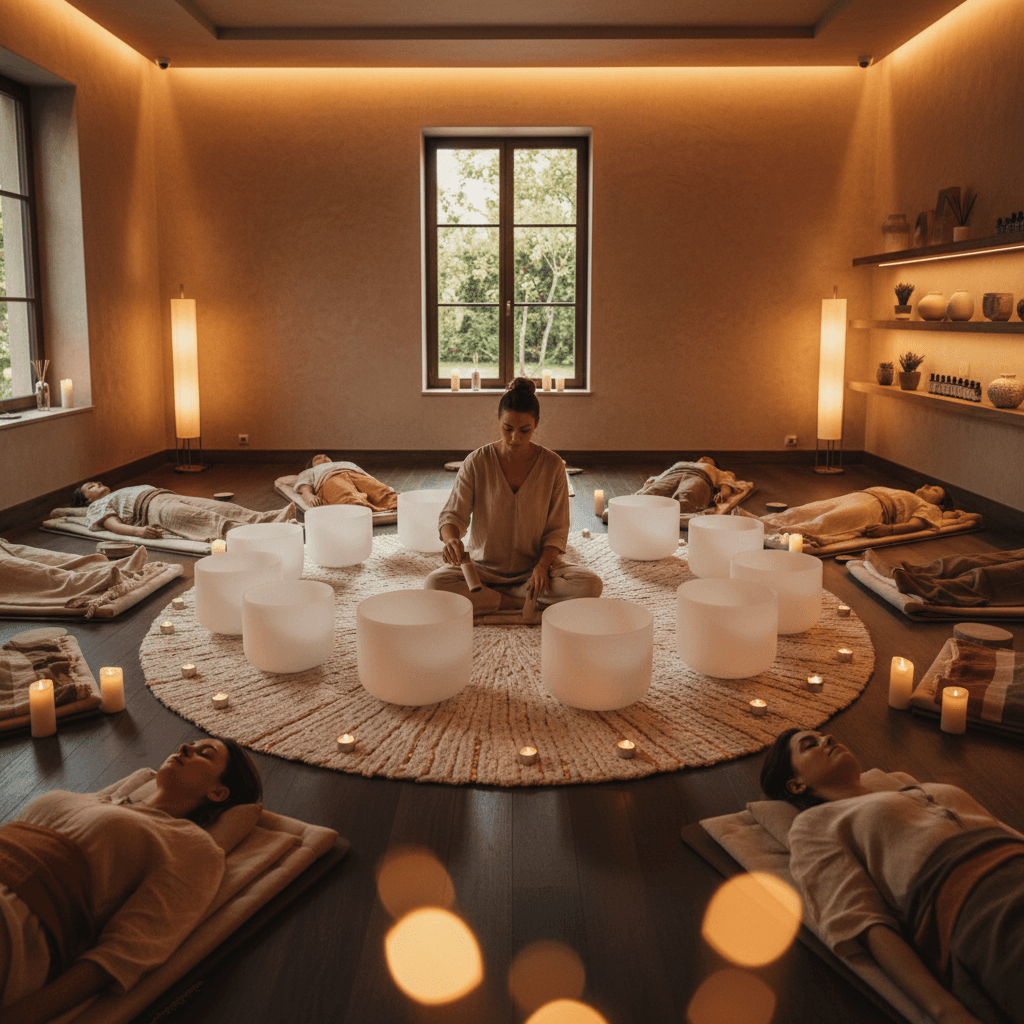
Sound wellness sessions offer a uniquely controlled and soothing sensory experience. Unlike the chaotic input of daily life, the carefully selected frequencies and gentle vibrations of sound baths create an environment of "low input." This allows the nervous system to relax and recalibrate, potentially reducing hypersensitivity. Many people report finding a sense of sanctuary in these sessions, where the gentle sounds wash over them without overwhelming their senses, offering a much-needed respite from external stimuli.
"The symphony of inner calm, cultivated through intentional sound, can transform the dissonance of perimenopause into a harmonious journey of self-discovery and resilience."
The Soul Art Approach: Curated Sound Journeys for Perimenopause
At Soul Art, Larissa Steinbach has meticulously crafted an approach to sound wellness that resonates deeply with the unique needs of women navigating perimenopause. Her method is rooted in a blend of ancient wisdom and modern scientific understanding, providing a luxurious and deeply supportive experience. It's about more than just listening to sounds; it's about immersing oneself in carefully curated frequencies designed to restore balance.
What makes the Soul Art method unique is its holistic perspective, viewing perimenopause not as an ailment to be endured, but as a transformative phase to be supported. Larissa Steinbach and her team focus on nervous system regulation, recognizing that many perimenopausal symptoms stem from an overactive or dysregulated stress response. The studio itself is designed as a sanctuary, a quiet luxury space where every detail contributes to a profound sense of calm.
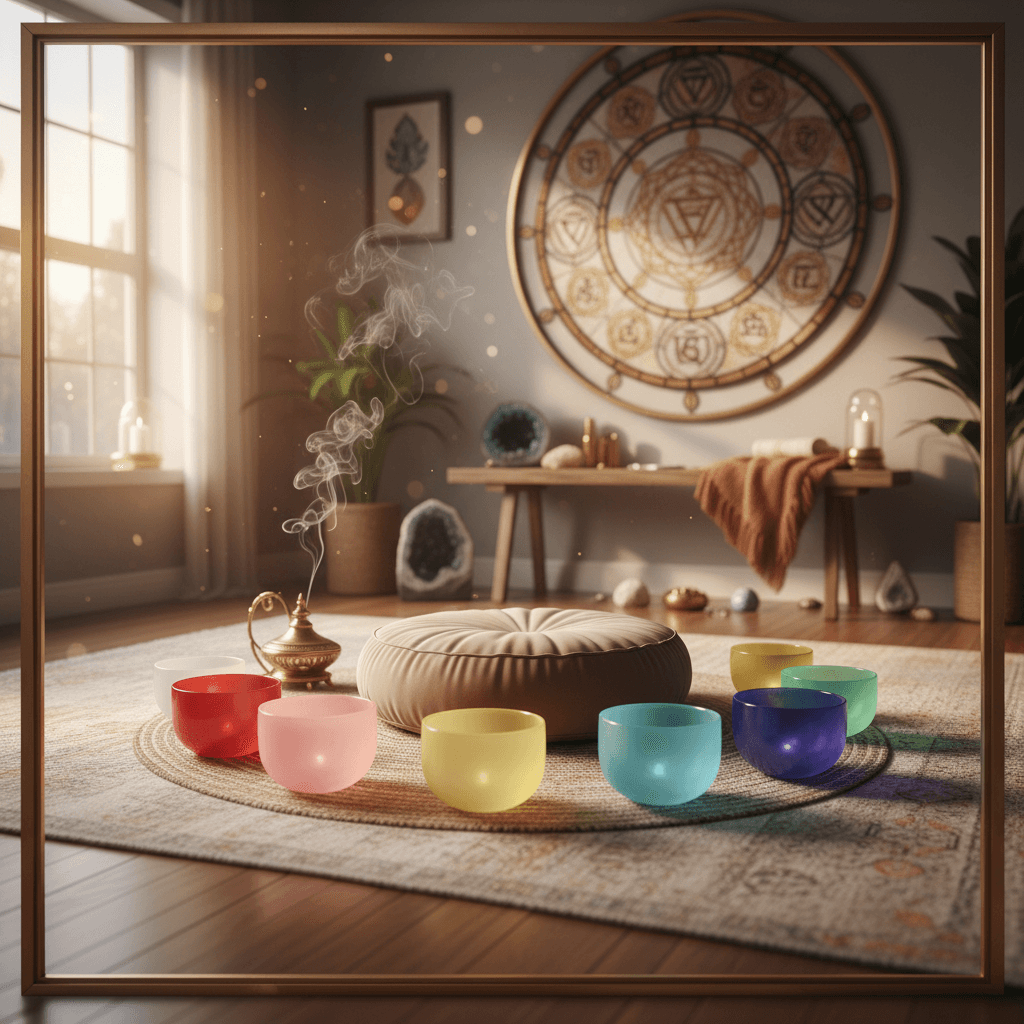
Specific instruments are central to Soul Art's practice. Himalayan singing bowls, known for their rich, sustained tones and powerful vibrations, are used to create an immersive sound field. Gongs, with their expansive and resonant frequencies, may facilitate deep relaxation and release. Chimes and tuning forks are employed for their precision and ability to target specific energy centers, promoting a harmonious flow within the body. These instruments are played with intention, creating a tapestry of sound that may guide the listener into a meditative state.
The experience at Soul Art is deeply personalized, even in group settings, as each individual's body responds uniquely to the vibrations. Clients often report a feeling of weightlessness, a profound mental quiet, and a release of tension. This practice may support the body's natural healing processes, encouraging relaxation and helping to mitigate the physical and emotional discomforts of perimenopause. It's an invitation to pause, reconnect, and allow the therapeutic frequencies to gently guide you towards inner peace and resilience.
Your Next Steps: Embracing Sound in Your Perimenopausal Journey
Navigating perimenopause can feel overwhelming, but integrating sound wellness practices can be a powerful tool for self-care and symptom management. It's never too late to adopt healthy habits that support your well-being. Here are some actionable steps you can implement today to embrace the supportive power of sound:
- Create a Quiet Sanctuary at Home: Designate a specific "low input" room or corner in your home. Use noise-reducing earbuds or earplugs when needed, and fill the space with soothing, instrumental music or ambient soundscapes. This provides an essential escape from sensory overload.
- Integrate Daily Sound Rituals: Start or end your day with 10-15 minutes of calming music or a guided meditation with sound. This can help regulate your nervous system, setting a peaceful tone for the day or preparing your mind for restful sleep. Explore various genres to find what resonates most with you.
- Be Mindful of Sensory Input: Recognize when sounds, lights, or other stimuli are becoming overwhelming. Practice "exit plans," like taking a short "air break" in a quiet space, to prevent sensory overload from peaking. Understand that your tolerance may fluctuate, and that's okay.
- Prioritize Sleep Hygiene with Sound: Incorporate relaxing classical music or nature sounds into your bedtime routine. Dim lights, reduce screen time, and allow soothing frequencies to gently lull you into a state conducive to deep sleep. This can significantly improve sleep quality and duration.
- Explore Professional Sound Wellness Sessions: Consider booking a session at Soul Art. Under the guidance of Larissa Steinbach and her expert team, you can experience the profound relaxation and nervous system benefits of a curated sound bath. It’s an investment in your holistic well-being during this important life stage.
These practices, integrated thoughtfully, may provide significant support during your perimenopausal journey, helping you to find calm, improve sleep, and manage emotional fluctuations with greater grace.
In Summary
Perimenopause is a complex and often lengthy transition, bringing with it a range of physical and emotional challenges from VMS and sleep disturbances to mood swings and sensory overload. Understanding these changes is the first step towards empowering yourself with effective wellness strategies. Sound wellness, as championed by Soul Art and its founder Larissa Steinbach, offers a scientifically-grounded, complementary approach to support women through this period.
By harnessing the power of specific frequencies and immersive sound experiences, individuals may find profound relief, improved sleep quality, enhanced emotional balance, and a greater sense of calm amidst life's transitions. It is a luxurious and gentle pathway to nervous system regulation and holistic well-being. We invite you to explore the transformative potential of sound and allow Soul Art to be a part of your journey towards a more harmonious perimenopausal experience.
Bookings Coming Soon
Soul Art is still in preparation. Session details and booking will be published here after launch.
Coming Soon
Wellness Disclaimer: This article is for educational and informational purposes only. It does not constitute medical advice, diagnosis, or treatment. Soul Art Dubai provides non-medical wellness experiences focused on relaxation, stress management, and general wellbeing. Sound wellness is a complementary practice and should not replace professional medical care.
Related Articles
HRT & Sound Therapy: A Synergistic Path to Hormonal Well-being

Nurturing Implantation: Sound Wellness During the Two-Week Wait

Womb Healing: Deep Feminine Restoration at Soul Art Dubai